The half-time caution
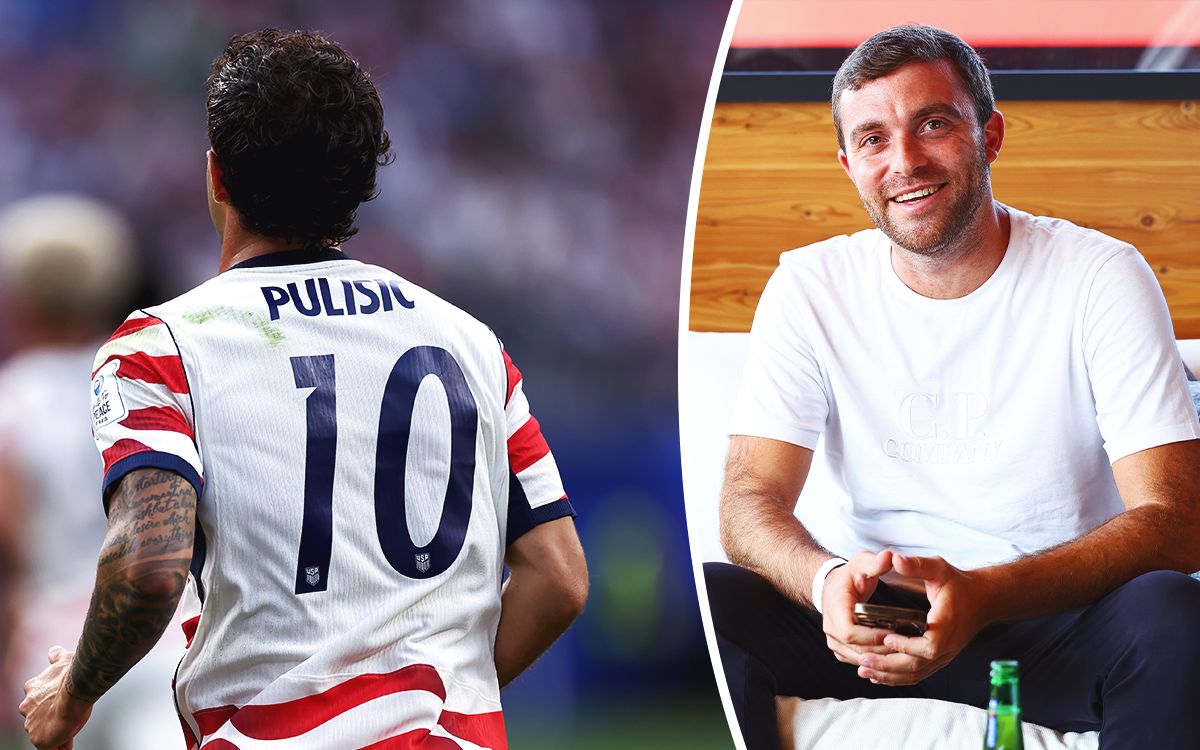
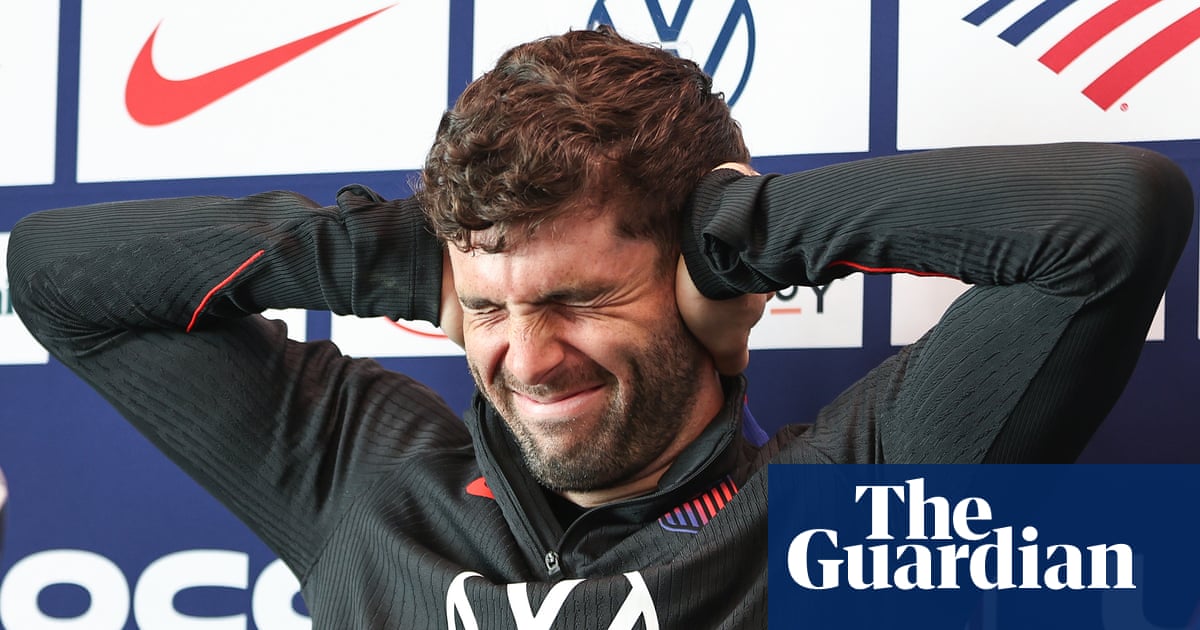
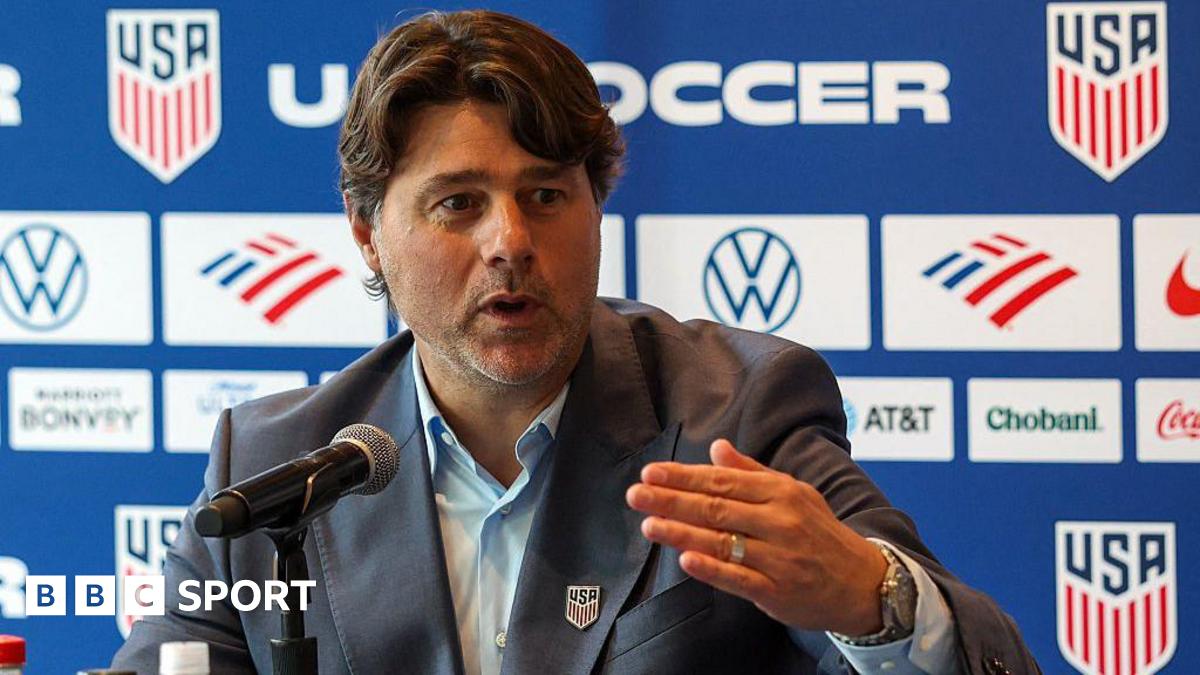
Mauricio Pochettino does not panic, but he certainly calculates. Pulling Christian Pulisic at half-time in the opener was a conservative move designed to preserve his star for the long haul of this expanded group stage. Yet, seeing Pulisic on a modified training schedule for three consecutive days heading into the Australia fixture raises red flags on his durability.
We are only through the opening round, and the physical tax of the format is already forcing managers to rotate. If Pulisic remains sidelined, Pochettino loses the only player in his roster capable of pulling a defender out of position with consistent individual brilliance.
The depth chart debate
Replacing a player of his profile sounds simple in a vacuum, but the tactical drop-off is measurable. Without Pulisic floating in that left half-space, the US attack risks becoming stagnant and predictable. We saw flashes of this in the second half of the opener where the team struggled to transition from middle-third recovery to final-third penetration.
Pochettino has options, none of whom replicate the specific output of his captain. Brenden Aaronson offers high-press energy but lacks the clinical edge in the box. Meanwhile, other alternatives struggle to match Pulisic’s ability to draw double teams, which typically opens corridors for his teammates.
The Australian threat
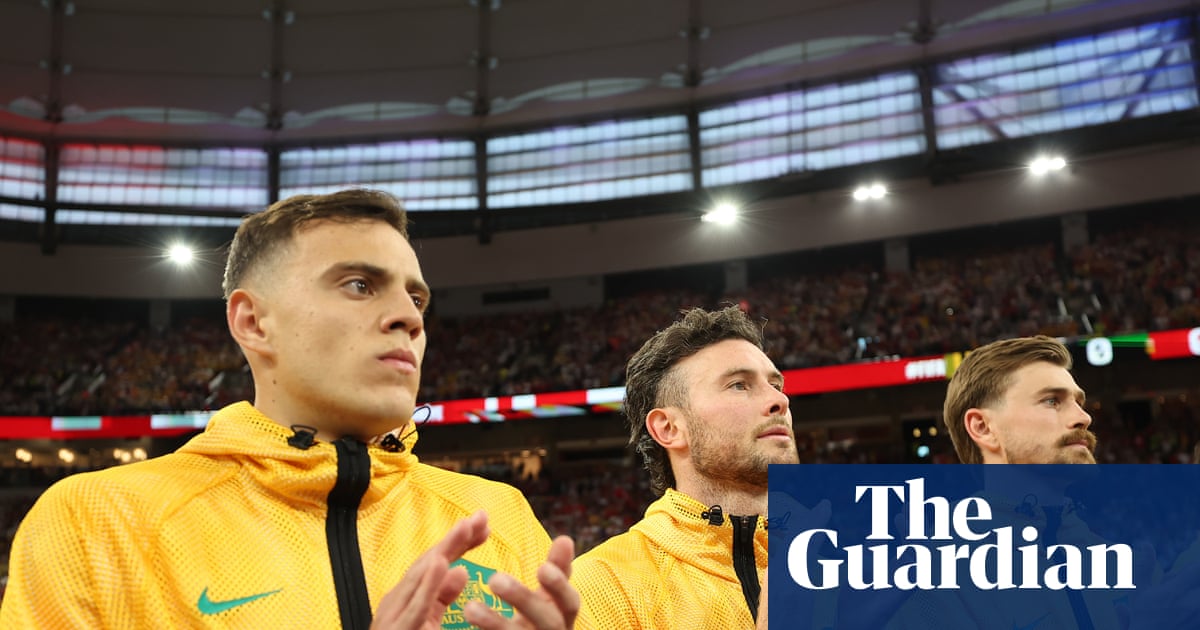
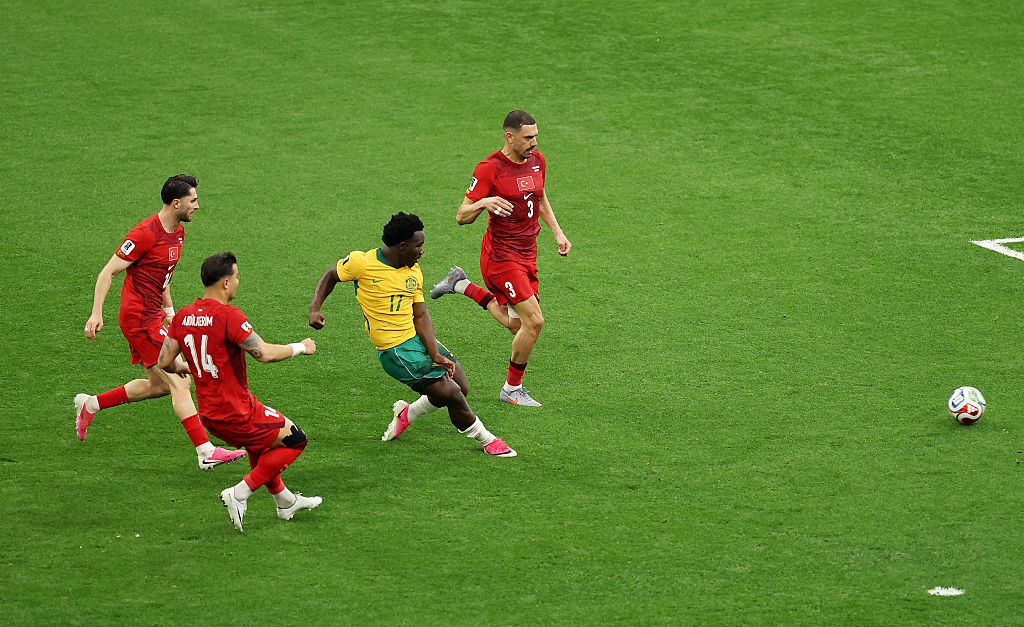
Australia is far from an easy out. Under Graham Arnold, their defensive block is organized and disciplined, often frustrating teams that rely on high-volume possession without sharp movement. They thrive on disrupting rhythm and forcing mistakes in transition—areas where the US is currently most vulnerable without their primary playmaker.
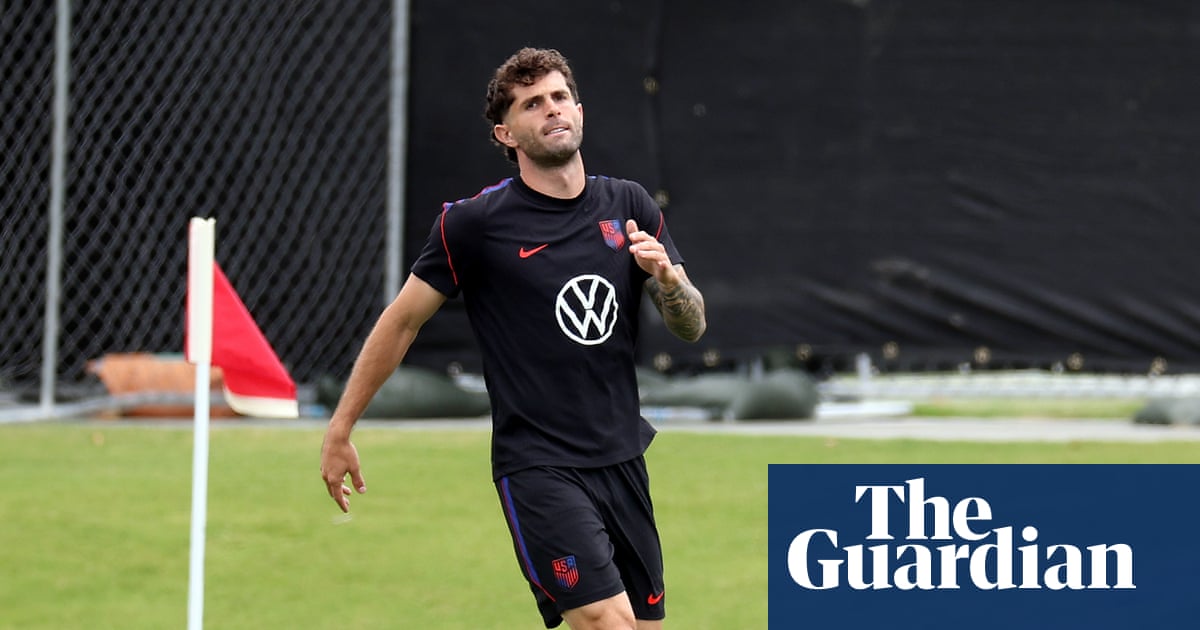
As The Guardian reported yesterday, the training ground looks markedly different when the focal point is missing. The intensity is still there, but the fluidity in crossing drills is noticeably muted. It is a reality check for a squad that has heavily leaned on individual heroics to paper over collective tactical cracks.
The verdict
The Australian side will force an ugly game, and they will want the ball to stay dead for as long as possible. If the US plays into their hands by oscillating sideways without vertical intent, this turns into a grind. The Americans have enough squad talent to secure a points lead by the 75th minute, but expecting a blowout without domestic fluidity is foolish.
My call: Pochettino opts for a more rigid, possession-heavy shape to control Australia's counter-attack. The match ends in an uninspiring 1-0 victory for the USA. It won't be pretty, and the fanbase might walk away frustrated, but the result will be secured despite the lack of Pulisic-led magic.
The margin for error in this tournament is razor-thin. If Pochettino can get 60 minutes out of a bench player who understands the required spacing, they keep their destiny in their own hands. If they persist in trying to force the ball through lanes that aren't there, expect Australia to sneak a draw.
Read Next
- Thomas Tuchel actually has a pulse and England fans should be terrified
- Ghana and Panama just played the worst 90 minutes of the World Cup
- England’s defense is still a total circus despite that Croatia win
- England's four-goal blitz proves they are finally playing for keeps
- 🇺🇸 USMNT World Cup 2026 — Team USA Coverage Hub
- 🇦🇺 Australia World Cup 2026 — Socceroos Hub