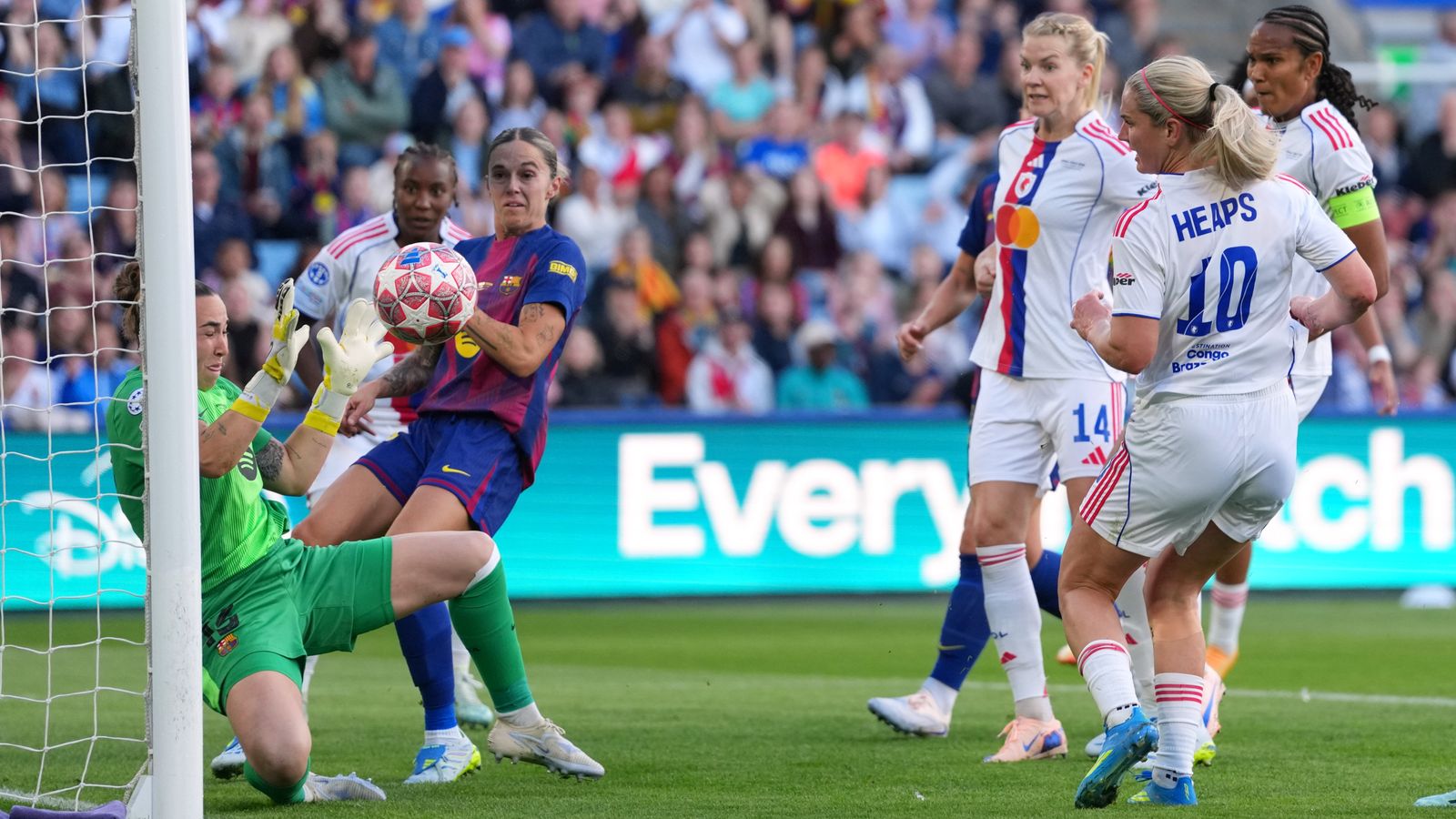
Barcelona and Lyon prepare for a brutal tactical collision in Oslo
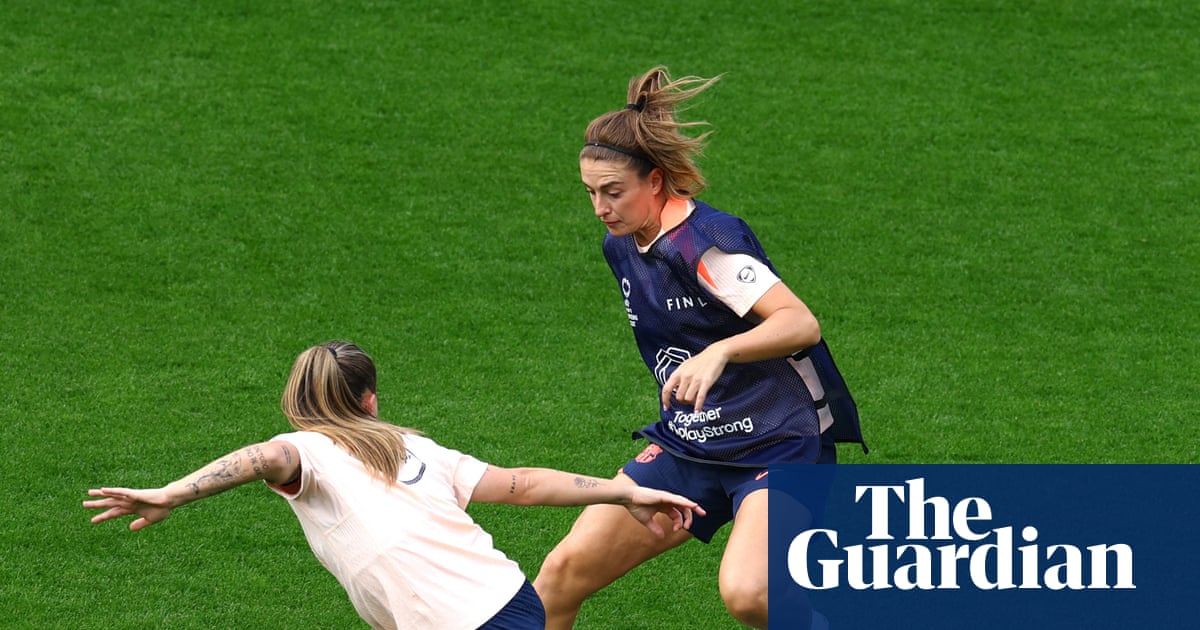
The inevitable collision
The Ullevaal Stadion in Oslo is setting the stage for the defining rivalry of modern European football. As The Guardian reported this morning,
"You could be forgiven for having a sense of deja vu before a fourth Champions League final between the Spanish champions, Barcelona, and French champions, Lyonnes, on Saturday."
But describing this matchup as mere deja vu feels incredibly lazy. It ignores the relentless tactical arms race that has defined this fixture since they first met on the biggest stage. This is not simply a repetition of past encounters. It is the culmination of two opposing footballing ideologies repeatedly trying to dismantle one another.
The historical context
To understand the stakes in Oslo, you have to trace the tactical evolution across their previous finals. Budapest in 2019 was a traumatic awakening for the Catalans. Lyon ripped Barcelona apart with a ruthless display of physical dominance and vertical attacking.
The resulting 4-1 scoreline was a brutal reality check. It forced Barcelona into a complete structural rebuild regarding their physical preparation and defensive transition. Then came Turin in 2022. Barcelona arrived as heavy favorites, riding an unbeaten streak and dictating play with positional superiority.
Lyon ambushed them anyway. The high press from the French side completely suffocated Barcelona's deep build-up routines. Amandine Henry scored a stunning early goal, and the 3-1 final scoreline read exactly as Lyon intended.
Bilbao in 2024 finally shifted the dynamic. Barcelona cracked the code, securing a 2-0 victory that altered the balance of European power. They managed to control the game state against a Lyon side that suddenly looked structurally rigid and reactive. Now, in 2026, we get the ultimate tiebreaker.
The battle for the central zones
The core battle lies directly in the center of the pitch. Barcelona will align in their customary shape, relying on Aitana Bonmatí and Patri Guijarro to dictate passing angles. Lyon will counter with a highly physical, combative midfield block.
Lindsey Horan and Damaris Egurrola are tasked with clogging the central zones and disrupting the rhythm. Watch the positioning of Keira Walsh closely in the opening ten minutes. Lyon will likely deploy a man-oriented press to deny the English international any time on the ball.
If Walsh cannot turn and face up the pitch, Barcelona is forced to build through their fullbacks. This is exactly what the French side wants. It forces the ball into wide, isolated areas where Lyon's defensive block can aggressively compress the space.
Lyon’s terrifying transition game
Lyon does not need sustained possession to destroy you. Their transition game remains terrifyingly efficient. Melchie Dumornay operates as the central focal point of this transitional threat.
Her ability to receive the ball on the half-turn while simultaneously holding off a center-back is unmatched in the women's game. She deliberately drops into the pockets, dragging Irene Paredes out of her defensive line. This creates severe horizontal stretching across the Barcelona back four.
Once that gap opens, Kadidiatou Diani explosively attacks the blindside of the opposing fullback. Lyon thrives on this specific pattern. They win the ball, hit Dumornay centrally, and immediately exploit the vacated space out wide.
The Graham Hansen equation
Caroline Graham Hansen returning to Norway to play a European final in her home country is the obvious headline. But tactically, she remains the ultimate problem for Lyon's defensive structure. Selma Bacha is an exceptional attacking fullback for Lyon, but her defensive positioning can be wildly erratic.
When Bacha pushes high up the pitch to support Lyon's counter-attacks, Graham Hansen deliberately lingers in the vacant space left behind. Barcelona exploits this tendency ruthlessly. The moment possession is secured, they feed quick, vertical passes into the right channel.
Bacha is then forced into desperate recovery runs. If Graham Hansen isolates a recovering defender one-on-one inside the penalty box, the possession phase is already won. Lyon will likely need a midfielder to constantly double-up on that flank.
Structural flaws and glaring weaknesses
Neither of these teams is perfectly constructed. Barcelona's defensive transition on the left side is structurally compromised. Fridolina Rolfö operates essentially as an auxiliary winger in possession, which is standard for their system.
But when the ball turns over in the middle third, Mapi León is routinely dragged out into wide channels to cover the resulting space. This exposes a massive, gaping hole in the left half-space. If Lyon is smart, they will funnel their counter-attacks exactly into this specific corridor.
Conversely, Lyon’s midfield progression remains bizarrely antiquated. Against high-pressing teams, they still default to hopeful, raking diagonal balls toward Diani or Dumornay. It is a wildly one-dimensional escape valve that routinely surrenders possession.
When a manager has technically gifted players like Horan and Daniëlle van de Donk at their disposal, bypassing the midfield entirely is a tactical failure. It forces the forward line to constantly contest low-percentage aerial duals against an organized defensive block. Lyon must show more bravery in their central build-up.
The Bonmatí variable
Aitana Bonmatí operates on a completely different cognitive plane than anyone else on the pitch. Her spatial awareness is the engine that drives Barcelona's entire attacking framework. She does not simply pass the ball; she manipulates the opposing defensive structure with her eyes and body orientation.
When Lyon attempts to compress the midfield, Bonmatí drifts imperceptibly into the right half-space. She waits for the exact fraction of a second when the opposing defensive midfielder turns their head. In that blind spot, she receives the ball on the half-turn and immediately accelerates.
Lyon cannot afford to assign a strict man-marker to her. Doing so would completely destroy their own defensive shape, opening up central corridors for Guijarro to exploit. Instead, they must rely on flawless defensive handovers between Horan and the backline. One miscommunication, and Bonmatí will split the defense with a single through ball.
The flank war on the opposite side
While Graham Hansen and Bacha will dominate the headlines on one side of the pitch, the opposite flank is just as vital. Ona Batlle’s evolution at left-back gives Barcelona an entirely different dimension in possession. She frequently inverts into the midfield, creating a numerical overload that confuses opposing pressing schemes.
This forces Lyon's Ellie Carpenter into a difficult decision. If Carpenter follows Batlle inside, the wide channel opens up entirely for Salma Paralluelo to exploit in isolation. If Carpenter stays wide, Barcelona easily outnumbers Lyon in the center of the park and dictates the tempo.
Carpenter's recovery pace is legendary, but relying on pure sprinting speed to fix structural disadvantages is a dangerous game. Lyon needs their right-sided winger to drop deep and track Batlle's inverted runs. If they fail to track those movements, Barcelona will easily bypass the initial line of pressure.
Executing the pressing traps
Barcelona presses in a fluid, highly coordinated ball-oriented scheme. The trigger is almost always a backward or lateral pass to the Lyon center-backs. Salma Paralluelo initiates the sequence, curving her run to cut off the switch of play.
The wingers tuck in tight, effectively shrinking the pitch. Lyon historically struggles against this specific trap. Their center-backs often panic under sustained pressure. This results in rushed clearances that recycle possession straight back to the Catalan midfield.
To beat this, Wendie Renard and Vanessa Gilles must execute crisp, vertical line-breaking passes. If they dither on the ball for even a second, the passing lanes vanish. The speed of Barcelona's defensive transition is suffocating.
Distribution from the back
The contrasting styles of the two goalkeepers will also dictate the flow of the match. Cata Coll operates essentially as an extra center-back for Barcelona. Her composure on the ball allows the Catalans to bait the Lyon press deep into their own penalty area.
Christiane Endler, while a phenomenal shot-stopper for Lyon, is less comfortable breaking lines with her feet under severe pressure. If Barcelona’s front three cut off the short passing options, Endler is often forced to punt the ball long. This feeds directly into Barcelona's hands, allowing them to quickly regain possession and restart their attacking cycles.
The dead-ball dynamic
Do not ignore the outsized impact of set-piece situations in a match this tight. Wendie Renard remains the most dangerous aerial threat in European football. Barcelona’s zonal marking system at corners has looked fragile on multiple occasions this season.
They frequently struggle to track late, looping runs to the back post. Lyon’s coaching staff is acutely aware of this vulnerability. Expect the French side to target the area right behind the penalty spot.
They will use decoy runs to drag the primary markers away from the designated drop zone. If Lyon earns five or more corners in this match, it spells massive trouble for the Spanish champions.
The impact of the bench
Tactics are heavily reliant on the physical capacity of the players executing them. In modern elite football, the starting eleven rarely finishes the tactical assignment. The depth of the respective benches will play a massive role in the final thirty minutes of this contest.
Barcelona possesses the luxury of bringing on genuine match-winners against tired legs. When a defender has spent sixty minutes chasing shadows, introducing a fresh substitute with extreme technical ability is almost unfair. They immediately exploit the dropping physical levels of the opposition fullbacks.
Lyon’s bench operates differently. Their substitutions are typically designed to sustain the physical intensity of their pressing block rather than alter the creative dynamics. Bringing on additional holding midfielders or powerful runners ensures the transition game remains lethal late into the match.
However, if Lyon falls behind early, their lack of diverse creative profiles on the bench becomes a glaring issue. They cannot simply pass their way out of a deficit against a team that holds the ball as effectively as the Catalans. They are forced to rely heavily on set-pieces or defensive errors.
Attrition in the final stages
The final twenty minutes of this clash will be an exercise in pure tactical attrition. If Barcelona holds a lead, they will attempt to kill the game through sterile, methodical possession. They will aim to hoard the ball, passing it not to create chances, but to drain the clock and rest on the pitch.
Lyon’s counter-measure must involve early, aggressive substitutions. They need fresh legs to maintain a high physical output in the pressing phase. If Lyon sits back in a low block while trailing, Barcelona will simply pass them to death.
This final will not be decided by a random moment of magic or a lucky deflection. It will be decided by which squad executes their tactical gameplan under immense psychological pressure. The margins between these two European giants are incredibly thin. Oslo is ready for the collision.
Read Next
- Why Man United's tactical revolution could collapse against Real Madrid
- Pep Guardiola is walking away this weekend, and Manchester City are not ready
- Milan is gambling its entire soul on Massimiliano Allegri
- Arsenal’s title win: The numbers behind a calculated dominance
- ⚽ La Liga 2025-26 — Title Race Hub
- ⚽ Ligue 1 2025-26 — PSG, Monaco & the Title Race Hub
- ⭐ UCL 2026 — Champions League Quarter-Finals Hub
Funko Pop! Football: Manchester City - Erling Haaland
The goal-scoring machine from Man City, now in tiny vinyl form.
Frequently Asked Questions
What venue is hosting the Barcelona vs Lyon Champions League final?
What happened in previous Champions League finals between these teams?
How will Lyon defend against Barcelona's midfield?
Who are the key players in the midfield battle?
Why is Melchie Dumornay critical to Lyon's strategy?
More Coverage

Arsenal vs PSG: Why tactical rigidity will determine the European champion
39 minutes ago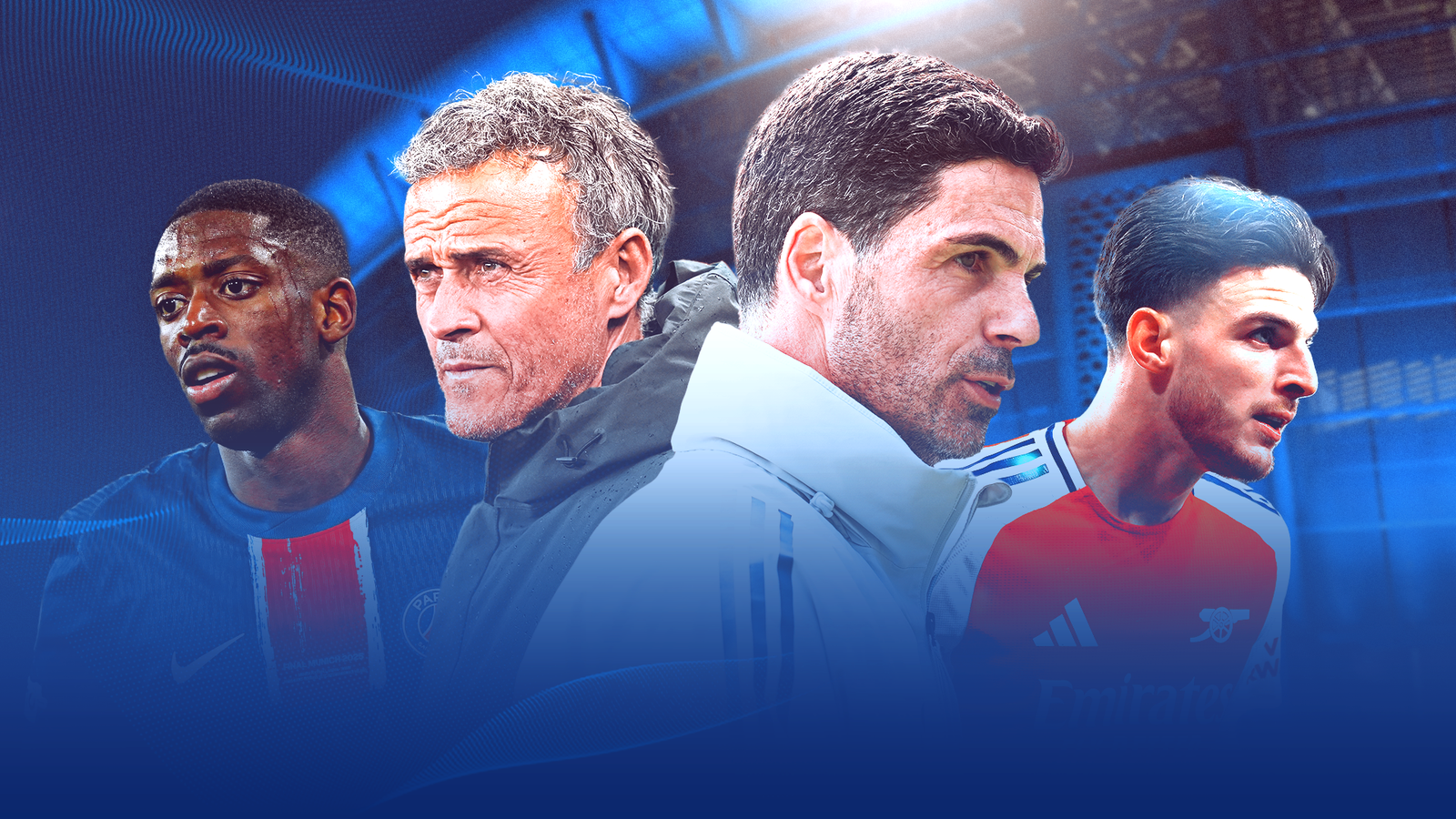
Arsenal and PSG are locked in a tactical chess match for the trophy
2 hours ago
Top 10: The Definitive Arsenal Moments of the 2025/26 Season
2 hours agoLincoln City just entered the weirdest experiment in League One history
2 hours ago
Arsenal's Champions League final gamble rests on Timber's fitness
3 hours ago
Arsenal’s Champions League final run is pure Arteta obsession
3 hours agoMore Analysis

Barcelona and Lyon are set for a tactical collision in Bilbao
3 days, 7 hours ago
Barcelona and Lyon prepare for a painfully familiar Champions League final
6 days, 23 hours ago
Why Barcelona are surviving a tactical strangulation in Oslo
6 days, 3 hours ago
Jonatan Giraldez thought he could rebuild Lyon but Barcelona just broke them
6 days, 2 hours ago