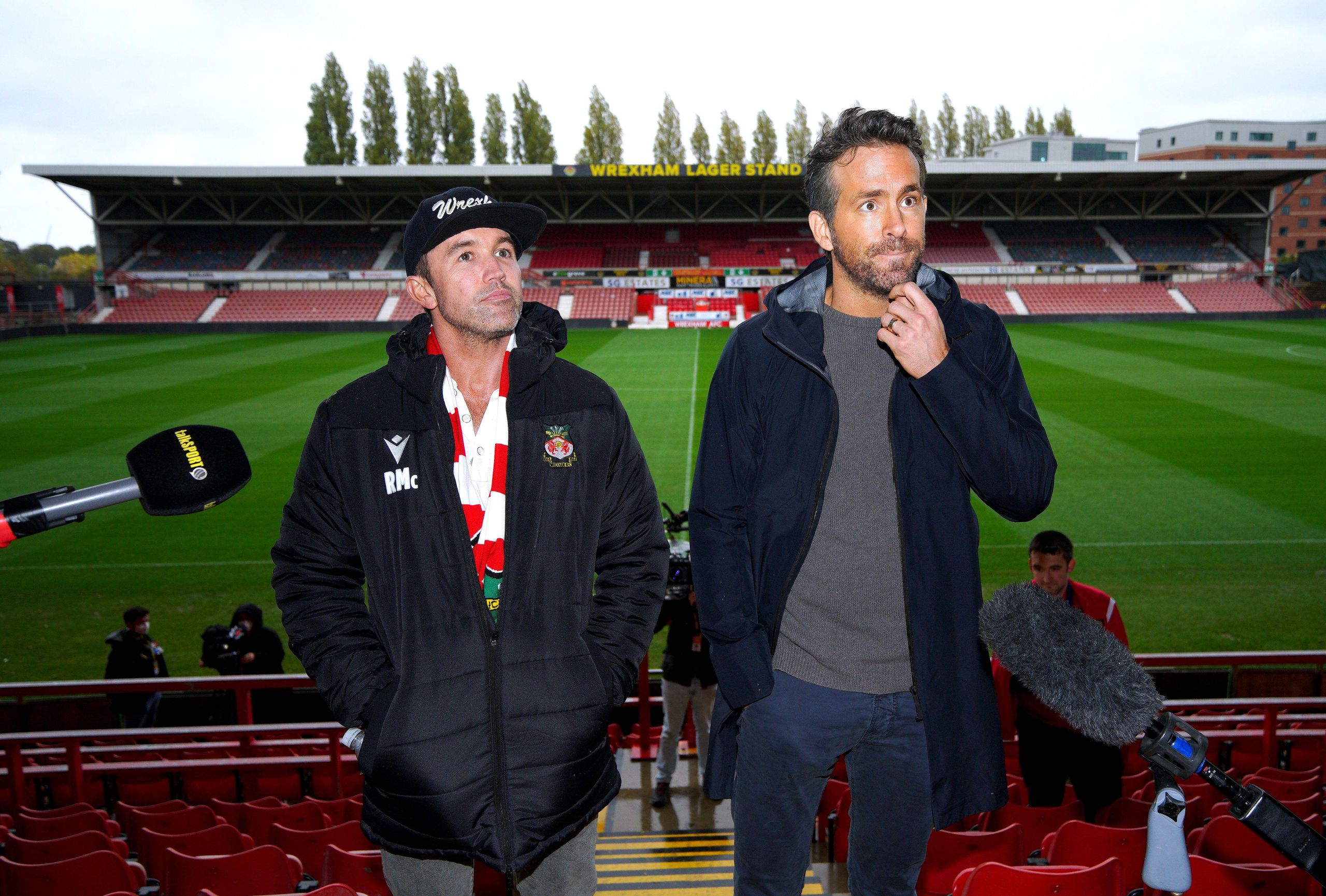
The Tactical Identity Crisis in the Third Tier
As we approach the business end of the season this April 12, 2026, the collision between Birmingham City and Wrexham feels less like a League One fixture and more like a high-stakes stress test for two diametrically opposed footballing philosophies. At St. Andrew’s @ Knighthead Park, we aren't just watching twenty-two players; we are observing the culmination of a structural shift in English football's lower tiers. The divisional standings don't lie, but they also don't tell the full story of how these two have arrived at the summit.
Birmingham City under Chris Davies has spent the last eight months attempting to play Premier League football on a League One budget—or rather, a Premier League budget in a League One ecosystem. Their 4-2-3-1 transition into a 3-2-5 in possession is something usually reserved for the tactical laboratories of the top flight. They prioritize the half-spaces and demand that their inverted full-backs act as secondary playmakers. It is ambitious, occasionally arrogant, and undeniably effective when the rhythm is right.
Wrexham, conversely, remains the ultimate exercise in pragmatic evolution. Phil Parkinson hasn't been seduced by the tactical trends of the week. He knows his squad’s limitations and their overwhelming strengths in verticality. While Birmingham wants to pass you into submission, Wrexham wants to bruise you into a mistake. This match is a referendum on whether pure technical superiority can withstand the sheer physical volume of a Parkinson-drilled unit. With the early stages of their recent meetings suggesting a Blues dominance in possession, the question is whether that control converts into genuine scoreboard pressure.
Birmingham’s Inverted Dynamics and the Stansfield Gravity
The tactical heart of Birmingham’s success lies in the relationship between Paik Seung-ho and the advancing full-backs. When Birmingham builds from the back, they often drop a midfielder between the center-backs to create a numerical advantage against the first line of the press. This forces Wrexham’s front two, likely Paul Mullin and Ollie Palmer, to work laterally, draining their energy before they can even think about a counter-attack. The goal is simple: find the passing lane to Willum Willumsson or Jay Stansfield between the lines.
Stansfield is the gravitational center of this team. His movement isn't just about finding space for himself; it’s about the subtle decoys that drag center-backs out of position. In the reverse fixture, his lateral runs toward the right flank pulled the left-sided center-back of Wrexham’s back five three yards out of his zone, opening a corridor for Keshi Anderson to exploit. Birmingham is averaging a pass completion rate of 88% in the opposition half, a figure that would be respectable in the Champions League, let alone the slog of League One.
However, there is a fragility here. Birmingham’s high line is a calculated gamble. They rely on their center-backs to win 1v1 duels in forty yards of open space if the counter-press fails. If Wrexham can bypass the first wave of the Birmingham press, they find a backline that looks remarkably uncomfortable when forced to run toward their own goal. The defensive transition remains the one area where Davies has failed to provide a foolproof solution, often leaving his goalkeeper exposed to high-velocity breaks.
The Wrexham Low Block and the Mullin Factor
Wrexham will not be bothered by having 30% possession. In fact, Parkinson likely prefers it. Their 5-3-2 defensive shape is designed to be narrow, forcing Birmingham to the flanks where they lack a traditional aerial threat. By clogging the middle, Wrexham forces Birmingham into a high volume of crosses—a statistical trap they are more than happy to defend. Max Cleworth has matured into a center-half capable of leading this line, reading the game with a maturity that belies his age.
The threat Wrexham poses isn't just about the long ball. It’s about the targeted directness. When they win the ball, they don't just clear it; they look for the diagonal ball to James McClean or the immediate flick-on for Mullin. Mullin remains the most clinical finisher in the division, needing only a fraction of a second to reset his feet and find the corner. He thrives on the frustration of the opposition, often lingering on the shoulder of the last man until the 94th minute to exploit the inevitable lapse in concentration.
The Battle in the Engine Room
The game will likely be won or lost in the ten-yard strip in front of the Wrexham penalty area. If Birmingham can rotate their front four quickly enough to move the Wrexham block, they will find the gaps. But Wrexham’s midfield trio is exceptionally disciplined. They don't chase the ball; they protect the zone. Elliott Lee’s role will be crucial—he has to be the bridge between the defensive graft and the attacking spark. If he is neutralized, Wrexham becomes a one-dimensional long-ball team that is easy to prepare for.
The Financial Pressure Cooker
We have to address the elephant in the room: the money. Birmingham’s squad is essentially a Championship team in disguise, funded by a significant £25m gap in market value compared to most of their rivals. This brings a specific kind of pressure. For Birmingham, anything less than a title is a failure. For Wrexham, the Hollywood narrative adds a layer of scrutiny that most League One clubs never experience. Both teams are operating under a microscope that can turn minor tactical errors into existential crises.
There is a cynical edge to this game that I expect to see early on. Neither side will want to concede the psychological edge. Expect heavy challenges in the first ten minutes and a lot of tactical fouling from Birmingham to stop the Wrexham break. It won't be pretty for the neutral, but for those interested in the chess match of football management, it will be fascinating. Birmingham has kept 15 clean sheets this season, but few have come against a strike force as relentless as the one they face today.
The one critical observation I have of this Birmingham side is their occasional lack of a 'Plan B'. When a team successfully sits deep and denies them the central corridors, they can become repetitive. They pass for the sake of passing, recycling the ball through the backline while the clock ticks down. If Parkinson can frustrate them for the first sixty minutes, the crowd at St. Andrew's might start to turn, and that is when Wrexham is at their most dangerous.
Prediction: A Grind, Not a Gala
Do not expect a high-scoring affair. Both managers are too aware of the consequences of a loss here. Birmingham will dominate the ball, Wrexham will dominate the space. It will be a game of inches, decided by a set-piece or a singular moment of individual brilliance from a player who probably shouldn't be playing at this level. Wrexham will defend for their lives, but the sheer volume of Birmingham's attacking waves will eventually find a crack.
Birmingham will likely find the breakthrough late in the second half through a deflected effort or a Stansfield poacher’s goal. Wrexham will throw the kitchen sink at them in injury time, but the Blues have shown enough defensive resilience lately to suggest they can hold firm under the aerial bombardment. It is the type of win that defines champions—not because it was beautiful, but because it was necessary. My final call is a 2-1 victory for Birmingham, though it will feel much closer than the score suggests.
Read Next
- Birmingham and Wrexham have officially broken the League One financial model
- Birmingham and Wrexham have permanently broken the League One statistical model
- Arsenal's locker room has grown up, but the European jitters remain
- Arsenal's title collapse is inevitable after the Bournemouth disaster
- 🎮 EFL League One 2025-26 — Wrexham, Birmingham & Promotion Race Hub