The Foxborough trap and the fifty-dollar commute
April in a World Cup year usually brings a specific type of anxiety. It is the month where hamstring tweaks become national tragedies and squad depth charts are scrutinized until the ink bleeds. But for the thousands of Scotland and England fans planning their trek to the United States this June, the first blow hasn't come on the pitch. It has come from the Massachusetts Bay Transportation Authority.
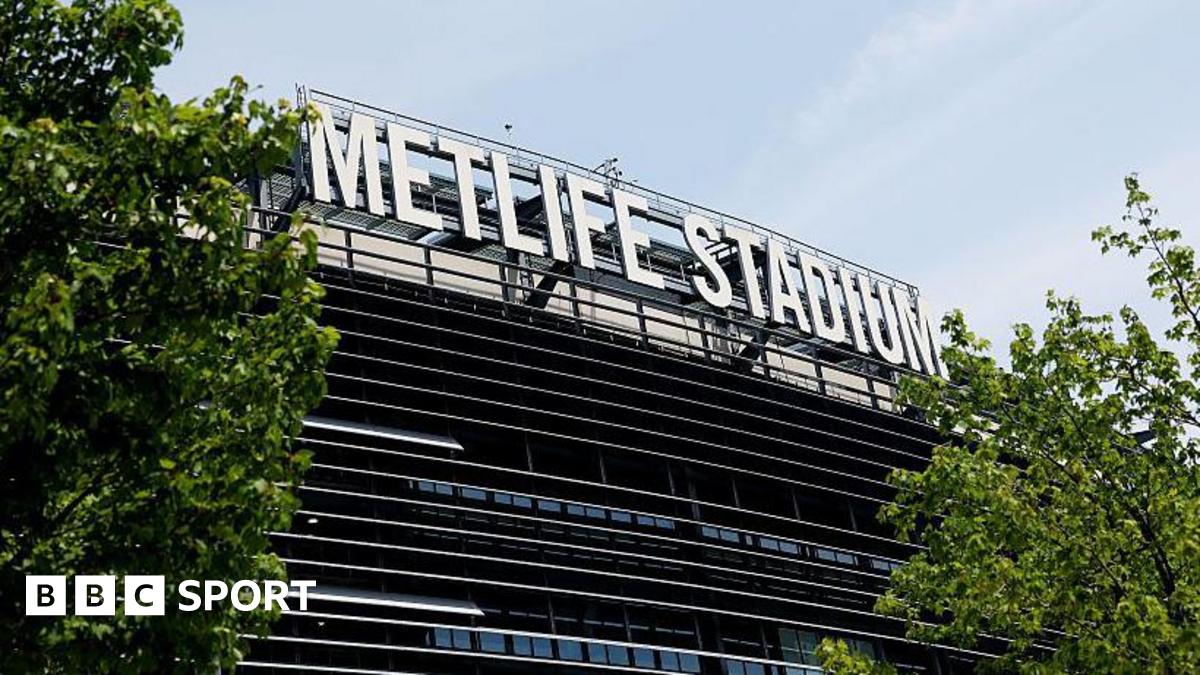
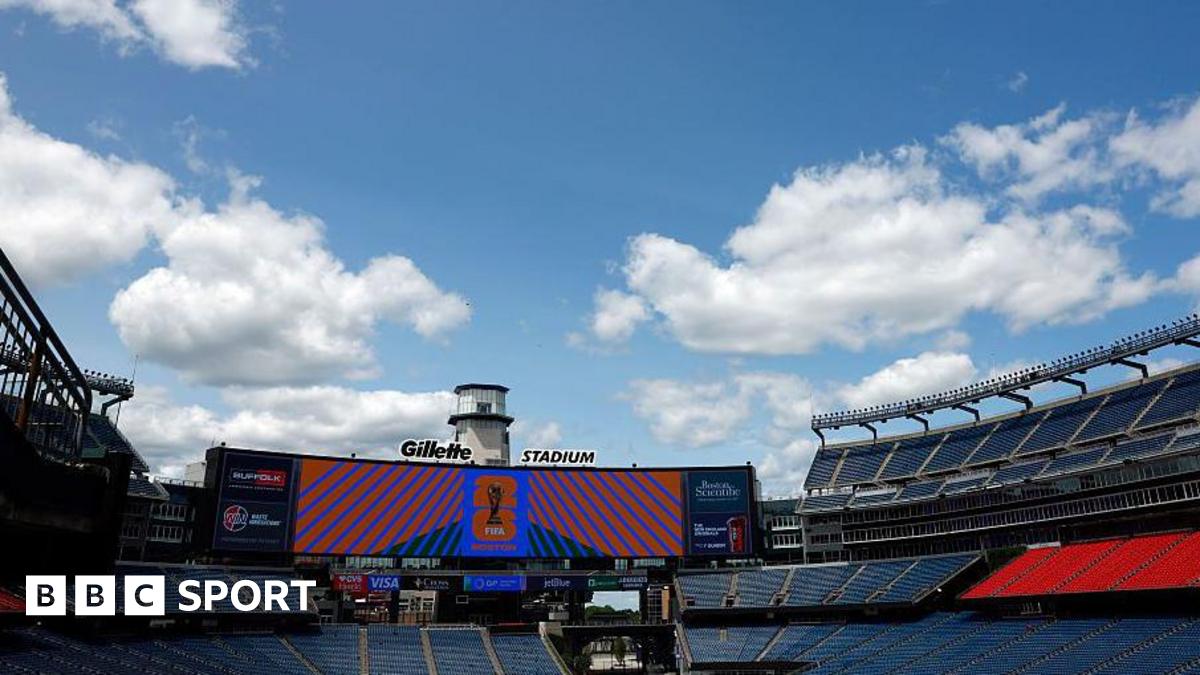
As the BBC reported today, fans heading to Boston for the group stages are facing a massive hike in train fares. The logic is as old as the game itself: high demand meets limited supply, and the supporter’s wallet is the first casualty. Gillette Stadium, the designated venue for the 'Boston' matches, is famously not in Boston. It sits in Foxborough, a town thirty miles south that is effectively inaccessible without a car or a seat on the heavily subsidized Commuter Rail.
For the Tartan Army and the Three Lions faithful, this isn't just a logistical hurdle. It is a fundamental misunderstanding of how a World Cup should function. The tournament is supposed to be a celebration, but early indicators suggest the 2026 edition might be the most expensive logistics exercise in sporting history. If you want to see Steve Clarke’s low block or England’s creative cluster, you have to pay the entry fee before you even reach the turnstiles.
Scotland’s structural rigidity vs. the American heat
Tactically, Scotland enters this tournament with a clear identity. They are a team built on the principle of maximum congestion. During the qualifying rounds, they maintained a defensive line that rarely sat higher than thirty yards from their own goal. This forced opponents into wide areas where Andy Robertson and Aaron Hickey could engage in 2-v-1 scenarios with tracking midfielders.
The problem with this approach in a North American June is the physical toll of the climate. In the 14 matches played in high-humidity conditions during previous summer tournaments, teams relying on high-intensity defensive shifts saw their late-game goal concession rate rise by nearly twenty percent. Scotland’s reliance on the transition—moving the ball from Billy Gilmour to John McGinn in under four passes—requires a level of explosive energy that might evaporate by the 70th minute in the Foxborough sun.
Steve Clarke has spent the last two years perfecting a system that masks Scotland’s lack of a world-class center-forward. They survive on set-pieces and the late-arriving runs of Scott McTominay. But if the fans are being fleeced on the trains, they might find the product on the pitch equally frustrating if Scotland can't find a way to keep the ball for longer than three-minute intervals. The 31.4% possession average they maintained against top-tier opposition in 2025 won't be enough if they are chasing shadows in 90-degree heat.
England’s creative surplus is still a tactical deficit
England arrives in Boston with the opposite problem. They have too many answers for a question they haven't quite formulated. The tactical debate remains centered on the central corridor. How do you fit Jude Bellingham, Phil Foden, and Bukayo Saka into a framework that doesn't leave Declan Rice isolated against a counter-attack? In their recent friendlies, the average distance between England’s double pivot and the front three was over 22.5 meters—a gap large enough for any competent European or South American side to exploit.
The criticism of this England era has always been its cautiousness in the face of elite talent. They play with the handbrake on, even when they have the fastest car on the grid. In Boston, the pitch at Gillette Stadium is wide, potentially wider than the standard Premier League dimensions if the turf is laid to FIFA’s maximum specifications. This should favor England’s wingers, yet they often drift inside, clogging the space Bellingham needs to operate. It is a structural mess that better coaching would have resolved by now.
There is also the matter of Harry Kane’s mobility. At 32, Kane is no longer the player who can drop into the number ten role and still lead the line effectively for ninety minutes. He needs the game played in front of him. If England continues to struggle with their build-up play from the back, Kane becomes a static target rather than a dynamic threat. It is a waste of a generational talent, and the inability to adapt the system to his aging profile is a significant failure of the current management.
The reality of the Foxborough experience
Fans traveling from the UK are used to expensive trains, but the scale of the hike for the World Cup is particularly egregious. The MBTA is essentially charging a 'soccer tax' for a service that is notoriously unreliable. During the 1994 World Cup, the transportation links were cited as a major point of friction for European visitors. Thirty-two years later, it seems very little has changed. You are paying a premium for a train that might not even have functioning air conditioning.
The stadium itself is a concrete bowl designed for American football, meaning the sightlines for the beautiful game are often compromised by the distance between the stands and the touchline. It lacks the intimacy of Hampden or Wembley. For the Scotland fans, the 'Tartan Army' atmosphere might be swallowed up by the vastness of the 65,000-seat arena. The noise doesn't carry; it dissipates into the Massachusetts woods.
Predicting the outcome of these group matches feels like a coin flip between tactical discipline and individual brilliance. Scotland will likely frustrate their opponents for sixty minutes before the heat and the lack of bench depth take their toll. England will likely stumble through a disjointed performance, bailed out by a moment of magic from a substitute who should have started the match in the first place.
Final Prediction: A stalemate in the humidity
I am calling it now: the marquee match in Boston will end in a 1-1 draw that satisfies nobody. Scotland will score first through a messy, contested corner before retreating into a defensive shell that eventually cracks in the final ten minutes. England will dominate the ball, rack up an xG of over 2.0, and still look like they have no idea how to break down a well-organized bank of four. It will be a tactical slog, and for the fans who paid $50 for a train ticket just to get to the stadium, the journey home will feel very long indeed.
The real winner of the Boston group stages won't be a team, but the transit authority’s balance sheet. We are witnessing the corporate hijacking of a fan experience that was already teetering on the edge of affordability. If the football doesn't deliver, the 2026 World Cup risks being remembered more for its price tags than its goals.
Read Next
- Liam Rosenior just put Enzo Fernandez in the Stamford Bridge doghouse
- Tuchel's Madrid mission turns into an England squad reality check
- Thomas Tuchel's England project faces severe personnel questions
- USMNT World Cup plans in total disarray after Agyemang injury
- 🏆 World Cup 2026 — Full Coverage Hub
- 🏴 England World Cup 2026 — Three Lions Hub
- 🏴 Scotland World Cup 2026 — Tartan Army Hub
- 🇧🇷 WC 2026 Group C — Brazil, Morocco, Scotland, Haiti