The 2026 World Cup kicks off in exactly 76 days. Right now, the most devastating injury report ahead of the tournament doesn't involve a star striker clutching his hamstring. It involves the total fracture of affordable transit for match-going fans.
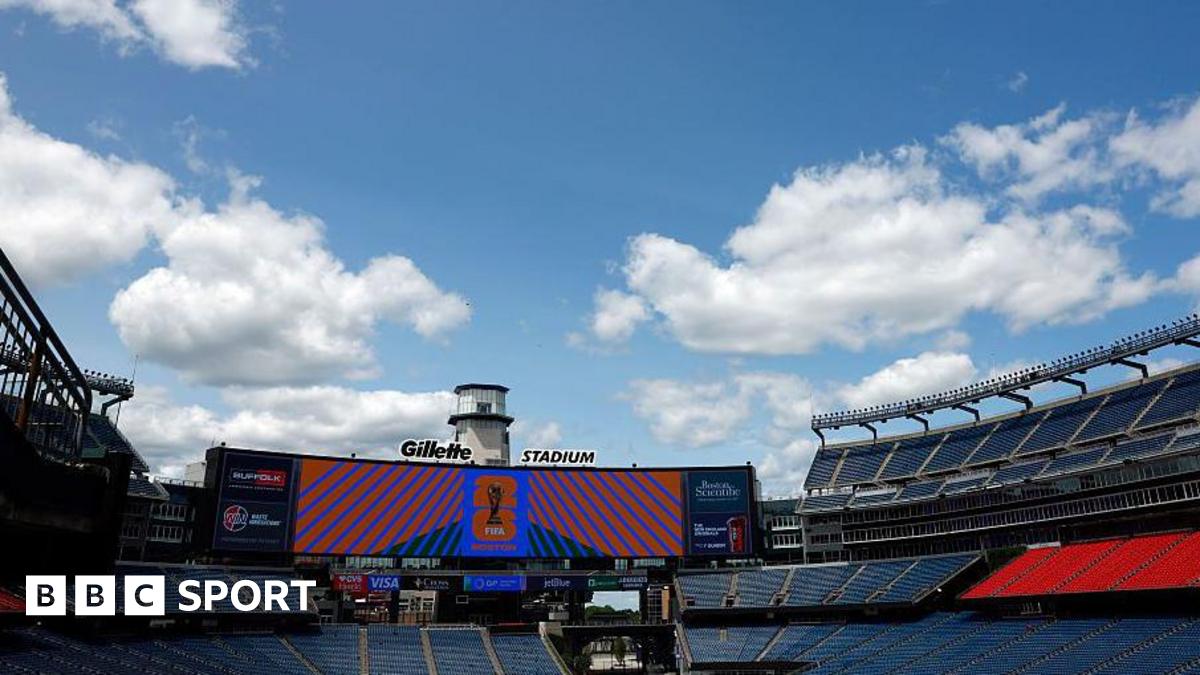
For England and Scotland supporters preparing to descend on Massachusetts, the diagnosis is grim. According to a shocking report from Sky Sports, the cost of train tickets between central Boston and Gillette Stadium is set to almost quadruple ahead of their respective fixtures. This is a massive, structural blow to the traveling support. It fundamentally alters the logistics, the budget, and the reality of attending these matches.
We are looking at a localized financial crisis. The MBTA commuter rail is essentially the only direct public transit artery connecting the dense city center of Boston to the sprawling stadium complex in Foxborough. By squeezing that single artery, local transit authorities are applying a painful tourniquet to the wallets of international visitors.
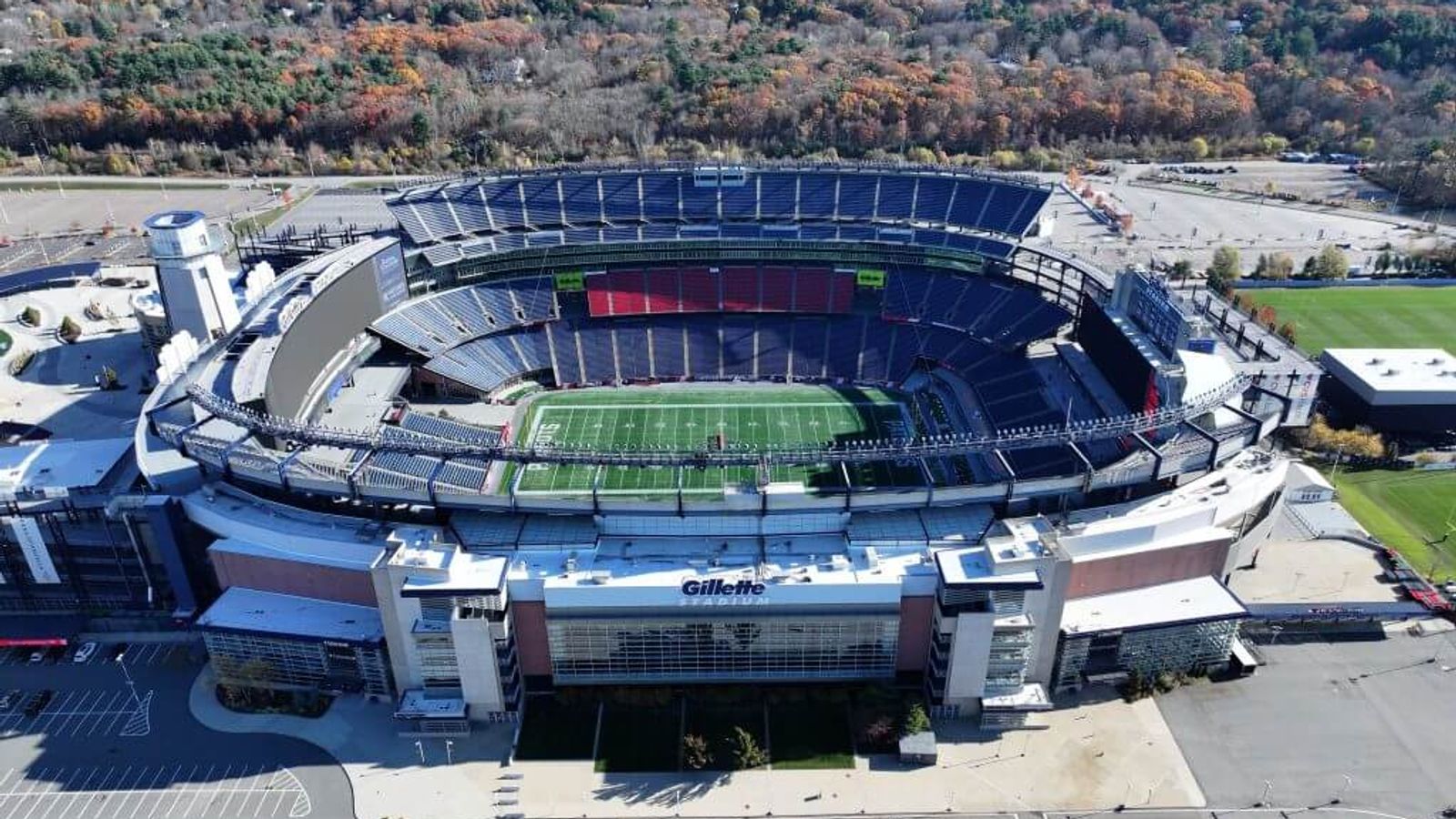
Let's break down the severity of this issue. Gillette Stadium sits approximately 22 miles southwest of downtown Boston. It is notoriously difficult to reach. There is no rapid transit subway line that extends that far into the suburbs. There is no pedestrian-friendly approach. You either drive down the congested US Route 1, or you take the specialized commuter rail service.
For a standard New England Patriots game, the commuter rail from South Station or Back Bay is a lifeline. It runs limited, dedicated service directly to the stadium platform. Under normal circumstances, it is a reasonably priced method of transport. Now, applying a near-400% price hike specifically for the World Cup is an aggressive, opportunistic move. It directly targets a captive, desperate audience.
The Diagnosis: A Severe Financial Sprain
When a player suffers a severe high ankle sprain, the immediate medical concern is load bearing. Can the joint support the weight of the athlete? For the traveling fan, the primary question is whether their budget can bear this massive, unexpected financial load.
Flights to the American East Coast are already exorbitant. Accommodation in Boston during a global summer tournament is operating at absolute peak premium pricing. Adding a quadrupled train fare simply to travel the final distance to the venue is a staggering secondary impact.
Consider the raw numbers. If a standard commuter rail ticket typically hovers around ten to fifteen dollars, quadrupling that pushes the round-trip cost toward fifty or sixty dollars per person. For a family of four, that is well over two hundred dollars just for the privilege of standing on a crowded, slow-moving train.
This is not a minor scrape. This is a grade-three tear to the matchday experience. England and Scotland supporters are already navigating the heavy costs of crossing the Atlantic. Many have budgeted strictly for match tickets, hotel deposits, and daily food expenses. This sudden spike forces an immediate tactical rethink on the ground.
Who is injured here? The working-class fan. The loyal supporter who saved for four years to follow their nation. The corporate attendees and the hospitality VIPs will not feel this pinch. They will be in private black cars, helicopters, or chartered luxury transport. The regular fan in the upper decks is the one taking the direct, agonizing hit.
How long are they out? The financial pain is immediate and will last the entirety of the group stage in June and July. There is no magic sponge for a blown budget. Once that money is spent on basic localized transit, it vanishes from the local service economy. It means fewer pints in Boston pubs, fewer meals at local restaurants, and a deeply compromised overall fan experience.
The Patients: The Tartan Army and the Three Lions
We have to look closely at the specific fanbases affected by this decision. Scotland's Tartan Army is legendary for traveling in massive, vibrant numbers. During the 2024 European Championships, they took over the squares of Munich. But in Germany, they relied on a highly efficient, heavily subsidized public rail network.
In Foxborough, the Tartan Army is walking into a trap. They are accustomed to European rail systems where moving 50,000 people via train is a basic municipal service, not a luxury commodity.
England's traveling support is equally massive and equally vulnerable. The Three Lions draw fans from every economic background. By pricing out the lower and middle-tier earners through exorbitant secondary costs like transit, the atmosphere inside the stadium inevitably suffers. The loud, intimidating wall of sound is replaced by a quieter, wealthier, less engaged crowd.
Historical Context: Chronic Issues Resurface
In medical terms, this is a chronic, recurring issue flaring up at the worst possible time. Gillette Stadium has always maintained a highly problematic relationship with mass transit.
Built in a massive suburban footprint, the stadium relies heavily on vast, sprawling parking lots. It is a strictly car-centric venue built for American tailgating culture. When massive crowds arrive without personal vehicles—as is standard for international soccer fixtures—the existing transit network strains until it snaps.
We have seen this exact symptom before. When major international friendlies or massive stadium concerts hit Foxborough, the train service is often totally overwhelmed. Limited train capacity, agonizingly slow travel times, and severe logistical bottlenecks at the station are the norm.
But drastically raising the price instead of massively increasing the physical train capacity is a cynical approach. European football culture is fundamentally built on mass transit. In Germany, your match ticket often serves as a free, all-day pass for the local transit network. In Qatar, the sophisticated metro system was free and built specifically to funnel fans directly to the turnstiles.
Here, the approach is entirely backwards. The local transit system is treating the influx of European fans not as a logistical responsibility to manage, but as a primary revenue generator to exploit. It is a fundamental clash of sporting cultures.
Tactical Adjustments: Scrambling for the Bench
When a manager loses their starting holding midfielder to a red card, they have to adjust their entire tactical shape. When fans lose affordable rail transit, they have to scramble for alternatives. So, what is the tactical adjustment for a fan stuck in Boston?
The alternatives are bleak. Renting a car in Boston is exceptionally expensive, and navigating the unfamiliar, heavily congested US Route 1 on a matchday is a legendary nightmare. Parking at Gillette Stadium is famously costly, and trying to exit those massive parking lots post-match can take hours.
Rideshare apps will undoubtedly deploy massive surge pricing. A standard Uber or Lyft from downtown Boston to Foxborough on a quiet Tuesday morning might cost a reasonable amount. On the day England plays a massive World Cup group match? Expect those dynamic prices to easily clear three figures each way.
Supporters clubs in the United Kingdom are already scrambling to arrange private coach buses. But bus charters are also subject to extreme demand pricing during the tournament. The depth of the transport squad is severely lacking. The MBTA commuter rail is the only true high-capacity public transit option. When that primary option fails or becomes prohibitively expensive, there is no viable backup on the bench. The entire logistical setup looks incredibly fragile.
The Long-Term Prognosis
This situation sets an incredibly dangerous precedent. The 2026 World Cup is expanding to 48 teams. The tournament is being hosted across a massive, sprawling continent, requiring totally unprecedented travel demands from fans.
If local transit authorities view matchdays purely as an opportunity to quadruple prices, the fundamental accessibility of the entire tournament is dead. We are just over two months away from the opening match. The timeline for a fix is seemingly non-existent. The prices have reportedly been set, the policy has been determined, and the financial blow has been struck.
There is a stark, depressing reality setting in for supporters. The 2026 World Cup is rapidly shaping up to be the most expensive sporting event in history for a traveling fan. Every localized, opportunistic decision like this train fare hike chips away at the authentic, passionate atmosphere that actually makes the World Cup a global spectacle.
When the stadiums are finally filled in June, the television cameras will pan across a beautiful sea of color. But those cameras will not show the financial exhaustion required to simply get to that plastic seat. They will not show the sheer logistical fatigue.
The injury report is finalized, and the traveling fans are severely compromised. They will grit their teeth and play through the pain because that is what loyal supporters do. They will pay the vastly inflated fares, they will board the slow trains, and they will sing their songs. But the organizing committees and local transit authorities have delivered a devastating, deeply cynical blow before a single ball has even been kicked.
Read Next
- Top 10 Moments Shaping the 2026 World Cup Narrative
- Scotland's grim reality check against a swaggering Japan
- Top 10: Defining Moments of the 2026 World Cup Cycle
- Thomas Tuchel is turning England training into a 35-man Battle Royale
- 🏆 World Cup 2026 — Full Coverage Hub
- 🏴 Scotland World Cup 2026 — Tartan Army Hub
- 🇧🇷 WC 2026 Group C — Brazil, Morocco, Scotland, Haiti