Tier 1: The Guardian Confirms CAF's Bold Appointment
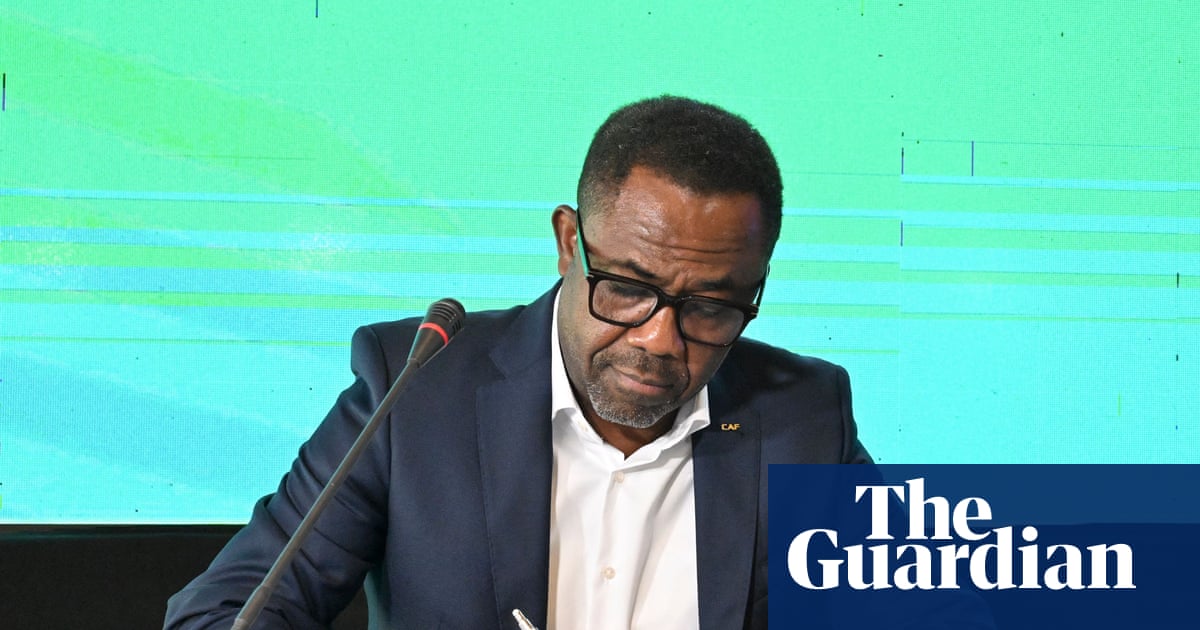
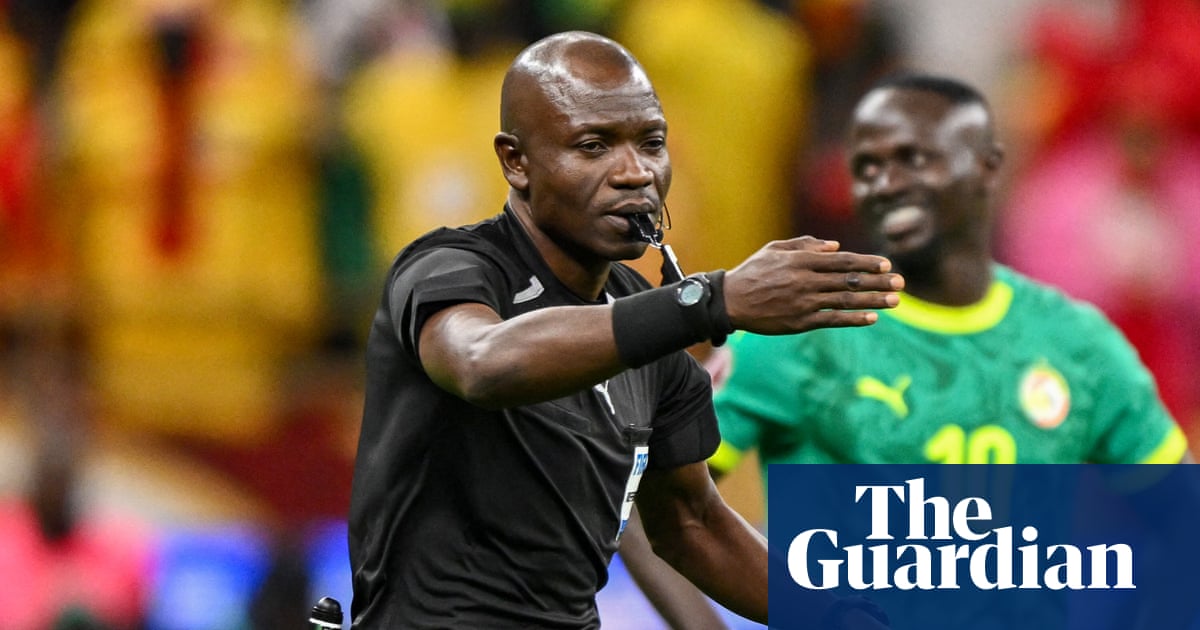
The news has officially broken, and it is a massive shock to the continental system. As The Guardian confirmed today, CAF’s refereeing assignments for the upcoming African Champions League final are set. Jean-Jacques Ngambo Ndala has been handed the whistle for the opening first leg. This is a Tier 1 confirmed report. It is not a rumor drawn from secondary local papers or social media whispers. CAF has officially listed him for the biggest club match on the continent.
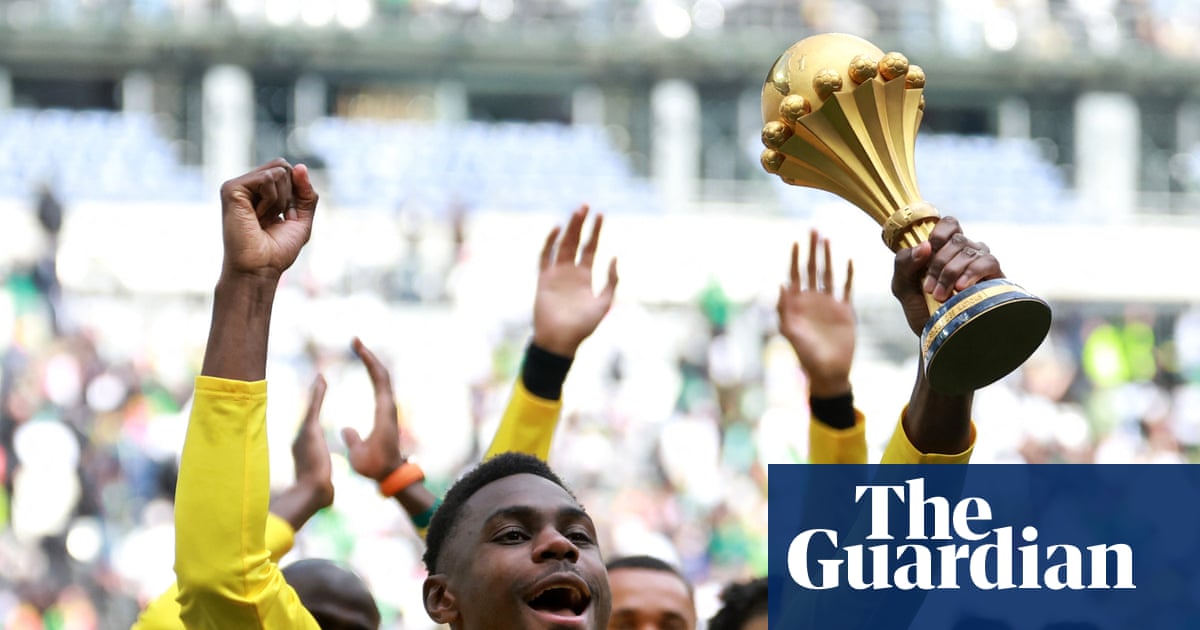
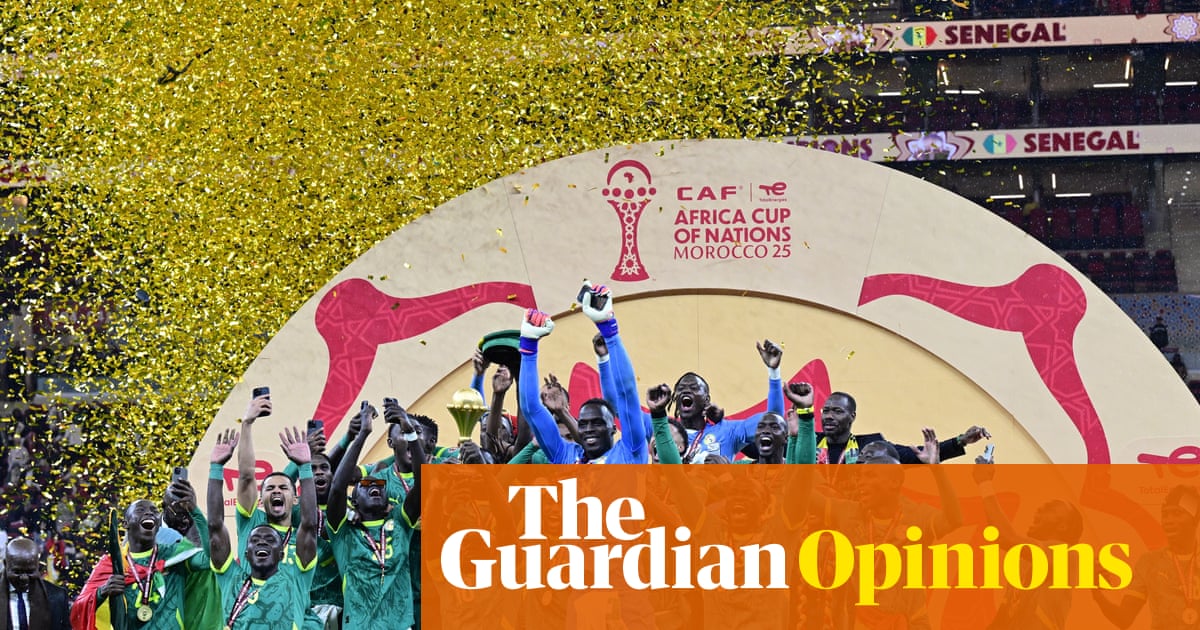
To say this is a controversial appointment is a massive understatement. Ndala is the exact same official who oversaw the absolute chaos of the Africa Cup of Nations final in Morocco just four months ago. That match ended with the Senegal national team walking off the pitch. Now, African football's governing body has decided to reward him with their premier club fixture.
This is the equivalent of a club signing a striker who just got sent off in a cup final, handing him the number nine shirt, and starting him in the derby. It is a bold, aggressive statement from CAF. They are backing their official. They are ignoring the intense public backlash that followed the AFCON collapse. For journalists tracking the movement of key figures in the sport, this appointment signals a deliberate strategy of defiance from the top brass.
The Profile: Jean-Jacques Ngambo Ndala
Let's talk about the profile of the man in the middle. Jean-Jacques Ngambo Ndala is not a rookie official pulled from obscurity. You do not get the AFCON final whistle without a serious track record of high-level matches. He has navigated hostile environments across the continent for years. But his reputation is now entirely defined by what happened in January.
Managing a football match is about authority, positioning, and player respect. It is a psychological tightrope. When a team decides to leave the field in protest, the referee has lost complete control of that authority. Senegal walking off the pitch in Morocco was a defining moment for African football. It was an international embarrassment that dominated global sports media for weeks.
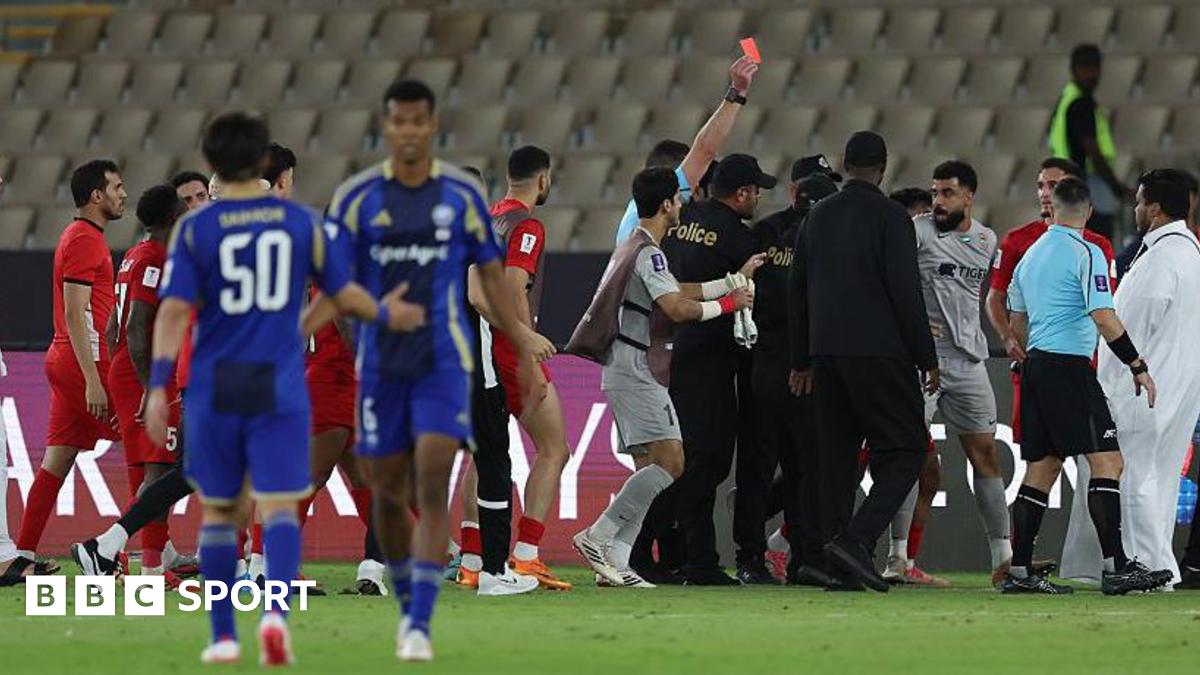
The images of players refusing to continue under his watch were broadcast globally. A referee's primary job is to facilitate the match safely and fairly. When a team walks, the match ceases to exist. Rebuilding credibility after an event of that magnitude usually takes years of quiet rehabilitation in lower-stakes fixtures. Instead, Ndala is being thrust right back into the absolute peak of continental pressure. He is walking into a buzzsaw of media scrutiny.
The Tactical Fit: Why CAF Made This Call
CAF’s decision to appoint him for this month's Champions League final is a fascinating tactical play by the organization. It is fundamentally a political move rather than a sporting one. If they sideline Ndala, they admit fault. They concede that the Senegal walk-off was justified by poor officiating. By putting him front and center in the Champions League, CAF is sending a clear message to clubs and national teams.
The message is simple and uncompromising. Our referees are in charge, and we will not bow to player protests. It is a show of strength from the executives. However, the tactical fit for this specific match is highly questionable. The African Champions League final is a brutal pressure cooker. It is two legs of intense, physical, high-stakes football where every advantage is aggressively fought for.
The first leg sets the tone for the entire tie. You need a referee who can calm the storm. You need an official who commands immediate, unquestioned respect from twenty-two highly strung players. Ndala brings guaranteed baggage into this fixture. The moment he blows the opening whistle, every single foul, throw-in, and offside call will be heavily scrutinized by players who remember January perfectly.
The "Competing Clubs" and Gamesmanship
From a critical standpoint, this is a massive unforced error by CAF. They had dozens of qualified officials who could have taken this first leg without the circus. Choosing Ndala creates controversy before the ball is even kicked. It shifts the media focus entirely from the competing clubs to the referee. That breaks the golden rule of officiating. The referee should never be the story.
Let's look at the finalists in terms of the pressure they will apply. The clubs involved will have their coaching staffs thoroughly analyzing Ndala's performance in Morocco. They will look for psychological triggers. They will look for ways to exploit his fractured authority. If he is quick to show yellow cards to regain early control, teams might try to bait opponents into early bookings.
The finalists will test Ndala using three predictable methods:
- Targeting the official early with aggressive tactical fouls to test his threshold for bookings.
- Surrounding the referee immediately after the first penalty box incident to exploit his recent history.
- Managers directly attacking the fourth official on the touchline to manufacture a sense of lost control.
This is the reality of elite football. Teams analyze officials just as ruthlessly as they analyze opposition fullbacks. Ndala's recent history makes him a prime target for calculated gamesmanship. Every contentious decision will be met with magnified outrage from the touchline.
Financial Stakes and The Cost of Failure
There is no standard transfer fee here, but the financial stakes attached to this appointment are massive. The African Champions League winners walk away with severe prize money, not to mention a highly lucrative ticket to the expanded FIFA World Cup formats. Millions of dollars are riding on this two-legged tie. Entire club budgets for the next season depend on the outcome.
One poor decision, one moment of lost control, and a club's entire financial year can be derailed. Putting an official who recently lost control of a major final into this environment is a high-risk gamble with other people's money. It is a decision that prioritizes the governing body's pride over the sporting integrity of the final. The clubs have a right to demand an official without recent, catastrophic baggage hanging over their head.
We rarely see a governing body double down this hard. Usually, an official involved in a walk-off incident is quietly rotated out of high-profile matches for at least a calendar year. CAF is ripping up the standard playbook. They are betting the house on Ndala recovering his form and delivering a flawless performance under impossible conditions.
Unlike players, referees do not sign multi-year contracts. Their contract length is strictly match-by-match. This single ninety-minute assignment is the entirety of Ndala's current deal with the spotlight. He has exactly one game to prove he belongs at this level.
Probability and Expected Timeline
The probability of this appointment holding is essentially guaranteed. We can confidently say "here we go" on this assignment. The Guardian reports he is already listed by CAF for the first leg. Governing bodies rarely back down from these assignments once they leak to Tier 1 news sources, as doing so would look like an embarrassing capitulation to media pressure.
Barring a sudden, unexplained injury to the official—which is a classic diplomatic exit strategy—Ndala will be walking out of the tunnel for the first leg later this month. The timeline is immediate. The preparation starts now. Ndala will be reviewing film, but more importantly, he will be preparing mentally for a relentlessly hostile environment. The spotlight will be absolutely blinding.
The Expected Impact
What is the expected impact? Pure, unadulterated tension. The first contentious challenge will be a massive flashpoint. If Ndala fails to stamp his authority early, we could see a repeat of January's ugly scenes. If he goes too hard to compensate, we might see a flurry of red cards that ruins the competitive spectacle of the final.
CAF has put their official in an impossible position. They are forcing him to rebuild his reputation on the biggest stage available, with absolutely zero margin for error. The Guardian's confirmation guarantees that the buildup to this final will be dominated by refereeing discourse rather than tactical analysis.
It is a fascinating narrative, but a dangerous game. Football at this elite level requires officials who can lower the temperature of a boiling stadium. Ndala, through the heavy baggage of the Morocco incident, instantly raises it. The African Champions League final deserves to be about the players executing on the pitch. Instead, we are all going to be holding our breath, watching the man with the whistle hoping he survives the ninety minutes.
Read Next
- Top 10: The Football Moments That Defined the Season
- Chelsea want Cesc Fabregas. His data says it's a massive risk.
- Why Trent Alexander-Arnold to Real Madrid will be a tactical disaster
- Why United's goalscorers against Liverpool keep breaking down
- 🇲🇦 Morocco World Cup 2026 — Atlas Lions Hub
- 🇸🇳 Senegal World Cup 2026 — Lions of Teranga Hub
- 🇫🇷 WC 2026 Group I — France, Senegal, Norway
- 🏆 UCL Final 2026 — Munich May 28 — Full Coverage Hub