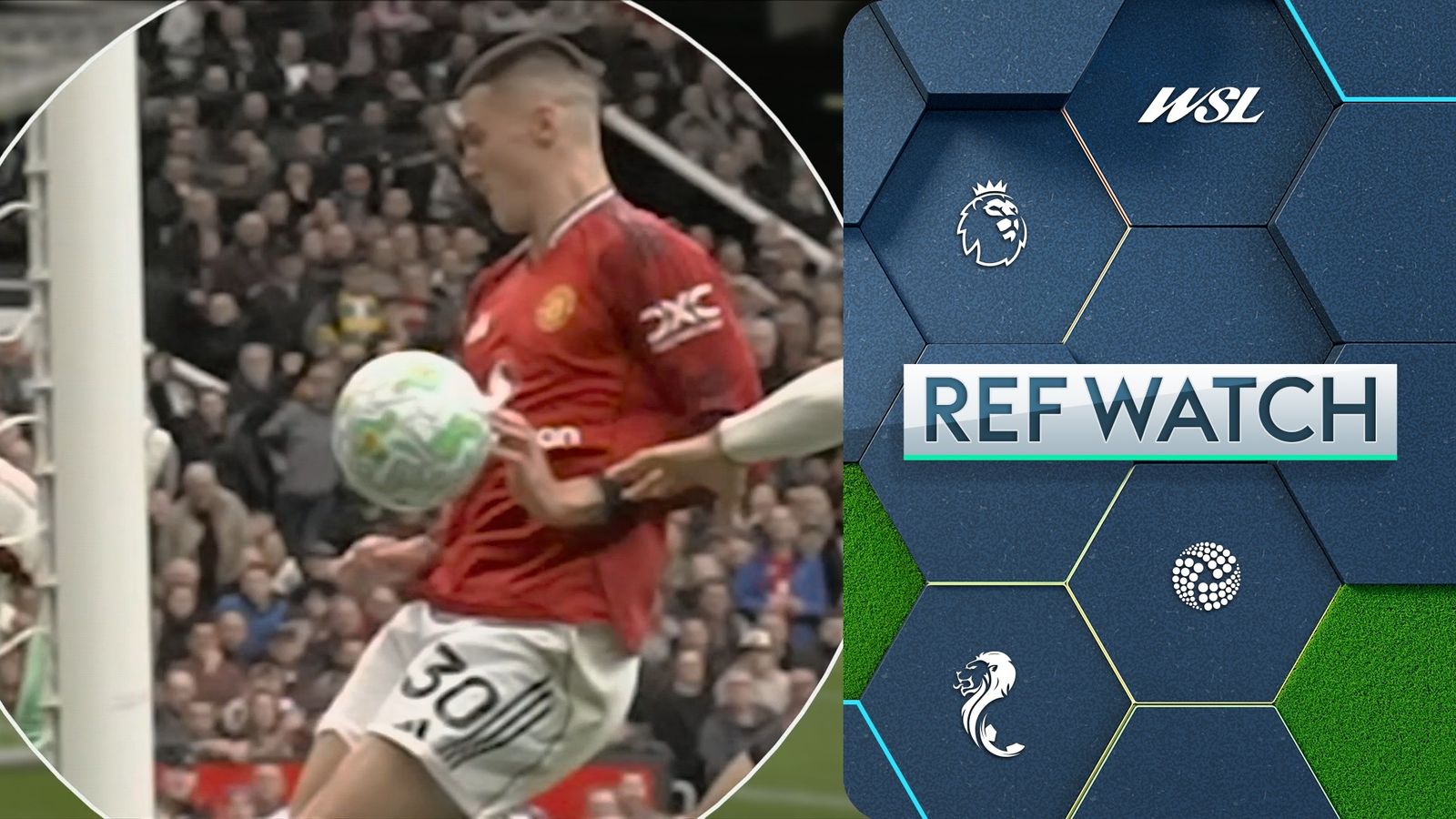
VAR just turned an Asian Champions League semi-final into a crime scene
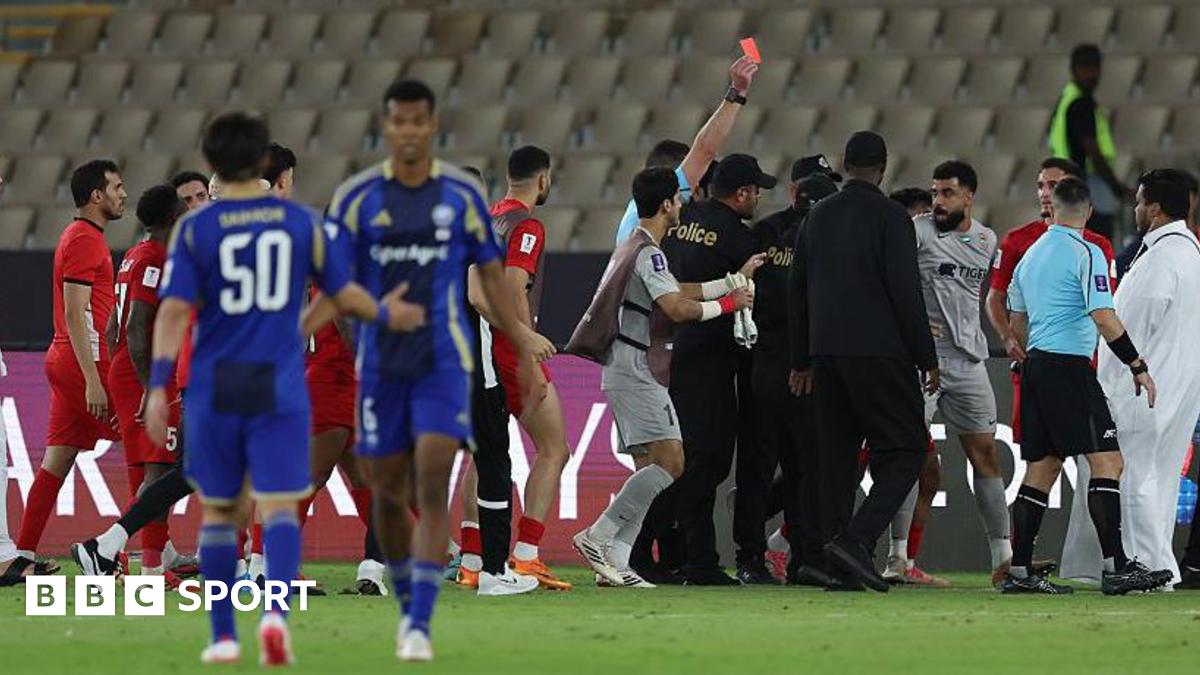
The night football stopped being a sport
The scenes following the final whistle of the Asian Champions League semi-final last night were not merely an indictment of a single officiating error. They were a vivid, terrifying illustration of how the current application of video technology is dismantling the very foundation of the match-day experience. When a referee requires a police escort to leave the field, the system has failed every participant in the stadium.
As the BBC reported, the fury in the stands was not the result of a split-second human mistake. It was the byproduct of a clinical, forensic dissection of a goal that took nearly seven minutes to resolve. By the time the decision was rendered, the tactical shape of the match had evaporated, and the emotional connection between the players and the crowd had been replaced by a toxic, simmering resentment.
The phrase used by local media — 'turning football into rubble' — is the most accurate description of the VAR era we have seen in 2026. It is no longer about the correction of clear and obvious errors. It is about the systematic destruction of the game's flow in favor of a laboratory-standard precision that the sport was never designed to accommodate. This was not a correction; it was an autopsy performed on a living organism.
The tactical cost of the seven-minute reset
From a purely analytical perspective, the delay in the 82nd minute was catastrophic for the chasing side. Football at the elite level in 2026 is built on physical intensity and pressing triggers. When you force athletes to stand stationary for more than five minutes, their core temperature drops, their lactic acid levels shift, and the mental 'zone' required for high-stakes competition vanishes.
The defending team, struggling under a sustained 4-3-3 high-press, was given a free tactical timeout. They were able to reset their vertical spacing and communicate defensive rotations that should have been earned through play, not gifted by a slow-motion replay. This isn't just a pause in the action. It is a fundamental shift in the competitive balance of the match that favors the passive over the proactive.
We saw this shift clearly in the final ten minutes. The attacking side, which had been carving through the half-spaces with ease before the VAR intervention, looked leggy and disjointed. Their passing accuracy in the final third dropped by nearly 15 percent in the period following the restart. The momentum was not just stalled; it was executed in the VAR booth.
The referee as a sacrificial lamb
There is a profound cowardice in how governing bodies are deploying technology. By forcing referees to stand at a monitor for minutes on end, they are painting a target on the backs of the very officials they claim to be protecting. The police escort seen last night was a direct result of the referee being left in a state of public indecision for far too long.
The optics are disastrous. A man in the middle of a pitch, surrounded by screaming players and thirty thousand hostile fans, watching a screen while the world waits. Every second he spends looking at that monitor increases the perceived level of doubt. When he finally makes the call, it is no longer seen as a piece of officiating. It is seen as a betrayal of the 'truth' the fans think they saw in real-time.
The AFC officials need to answer for the protocol that allowed this check to drag into the territory of farce. If a decision cannot be reached within ninety seconds, the original call must stand. To do anything else is to prioritize a dubious 'correctness' over the physical safety of the staff on the pitch. The sight of riot shields protecting a referee in a semi-final is a stain that won't wash off easily.
A dangerous precedent for the 2026 World Cup
We are exactly 50 days away from the kickoff of the FIFA World Cup in the United States, Canada, and Mexico. If this is the standard of officiating and technological interference we can expect in the global showpiece, we are heading for a tournament of frustration rather than celebration. The ACL semi-finals are often a bellwether for the quality of officiating in the broader FIFA ecosystem, and right now, the signal is pure noise.
The problem is structural. We have reached a point where the VAR officials are looking for reasons to disqualify goals rather than reasons to uphold them. They are searching for the 'rubble' beneath the surface. This forensic approach ignores the reality of physical contact in a high-speed sport. Not every touch is a foul, and not every millimetric overlap is an unfair advantage.
In the Asian Champions League, where the stakes are a place in the Club World Cup and millions in revenue, the pressure is already immense. Adding a layer of incompetent technology usage to that pressure cooker is a recipe for the kind of violence we saw last night. The fans feel cheated not by the result, but by the process. They feel like they are watching a spreadsheet, not a game.
The critical failure of subjective intervention
The most damning part of the incident was that the final decision remained subjective. Despite the 'rubble' of replays, the foul in the buildup was a 50/50 challenge that three different analysts would call three different ways. VAR was supposed to eliminate the 'howlers.' Instead, it has created a new category of controversy: the slow-motion injustice.
By slowing the footage down to a frame-by-frame crawl, any contact looks like an assault. The intensity of the match is stripped away, leaving only the clinical impact of boot on sock. It removes the context of the play — the speed of the attacker, the intent of the defender, and the natural physics of a sliding tackle. It turns a dynamic sport into a series of static, misleading images.
This is where the 'rubble' becomes literal. The integrity of the referee's intuition is being ground down until it is non-existent. Officials are now hesitant to make big calls on the pitch because they know they have the safety net of the monitor. But that safety net is made of barbed wire. It catches the error but shreds the reputation of the official in the process.
Finality is more important than perfection
We have to accept a hard truth: a slightly imperfect game that ends on time is better than a 'perfectly' officiated game that requires a police escort. The human element of football is what makes it the world's most popular sport. We embrace the drama, the arguments, and the 'what ifs' that fuel conversation in the pub for decades.
VAR, in its current ACL implementation, is trying to solve a problem that fans didn't actually have. Fans can forgive a referee missing a quick handball in a crowded box. They cannot forgive a committee of officials in a remote truck taking seven minutes to decide that a player's shoulder was three centimeters beyond a defender's hip. One is a mistake; the other is an insult.
As we look toward the Champions League semi-finals in Europe next week, the pressure is on UEFA to show that they have learned from the disasters in the East. The AFC has provided a perfect blueprint of what not to do. If football is to be saved from becoming 'rubble,' we need a return to the principle of the referee's authority. Technology should be a silent partner, not the lead actor in a tragedy.
The final scoreline of 2-1 will be recorded in the history books, but nobody who watched the match will remember the goals. They will remember the riot police. They will remember the man at the monitor. And they will remember the night that the Asian Champions League forgot that it was supposed to be a game of football.
Read Next
- Championship clubs just told VAR to get lost and we should all be celebrating
- Hearts are actually in a title race and their fans are completely terrified
- Chelsea’s meltdown at Brighton proves they have no identity
- Championship clubs kill off VAR plans for next season
- ⚡ UCL Semi-Finals 2026 — Full Coverage Hub
Franklin Sports Blackhawk Backyard Soccer Goal
Lightweight pop-up net for instant backyard matches.
Frequently Asked Questions
Why did the referee need a police escort at the ACL semi-final?
How long did the VAR check take during the match?
What impact did the VAR delay have on attacking passing accuracy?
How did the VAR delay function as a tactical timeout for defenders?
When was the critical VAR decision made during the semi-final?
More Coverage

Top 10: Definitive Penalty Moments in Modern Football
2 hours ago
Arsenal and PSG are locked in a tactical chess match for the trophy
5 hours ago
VAR consistency concerns mount as Scottish Premiership season hits final stretch
6 hours ago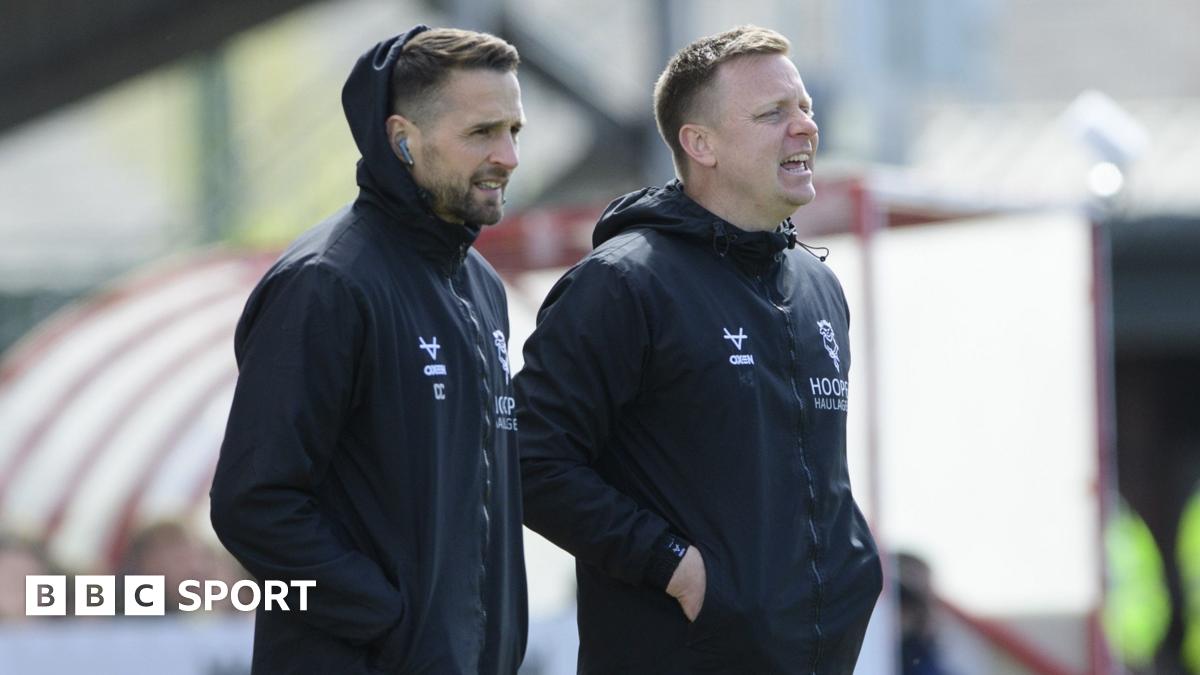
Lincoln City's joint-manager gamble is a blueprint for disaster
6 hours ago
Ella Toone is the most realistic window into the modern footballer's life
6 hours ago
Arsenal's Champions League final gamble rests on Timber's fitness
6 hours agoMore Analysis

Anfield's VAR meltdown exposes the absurdity of officiating
1 month, 2 weeks ago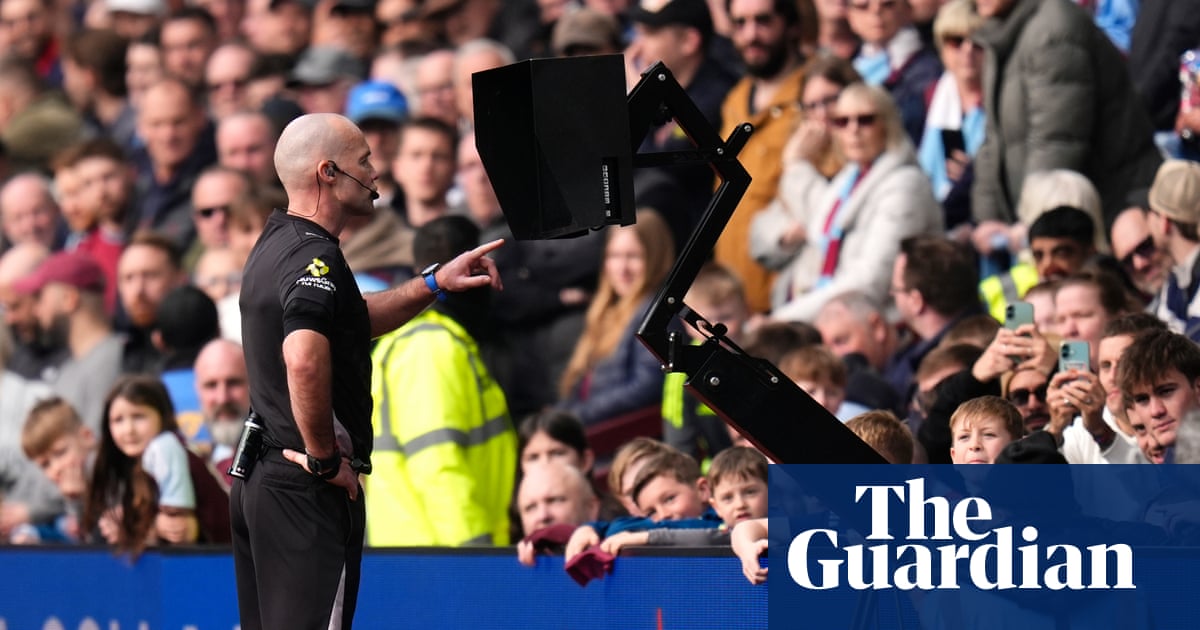
VAR is about to ruin the biggest week of the Champions League
2 months ago
Top 10: The VAR Disasters That Define the Era
2 months, 1 week ago
Football is addicted to VAR outrage and it's never going away
2 weeks, 1 day ago
The Celtic VAR meltdown proves Scotland's officiating is broken
2 weeks, 1 day ago