The Tactical Reunion of Hampden
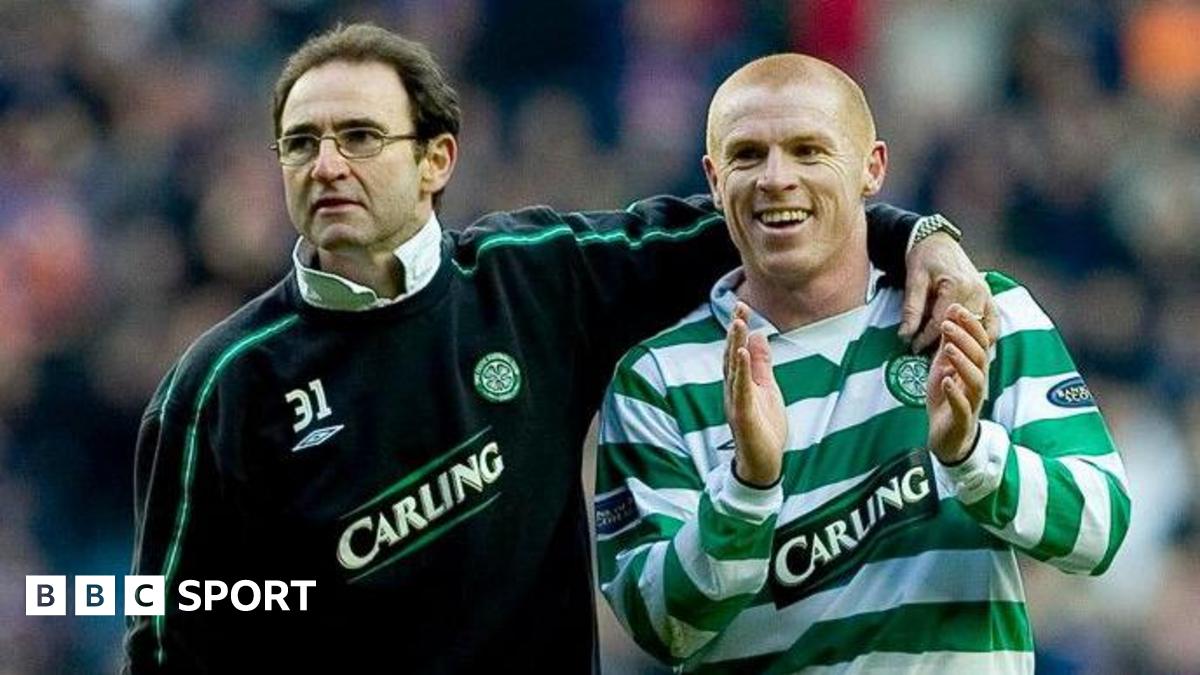
Hampden Park is ready for a nostalgic, tactical collision. This afternoon, Martin O'Neill's Celtic face Neil Lennon's Dunfermline Athletic in the Scottish Cup final. The storyline of the master facing his former captain and apprentice has dominated the build-up.
O'Neill famously signed Lennon as a player for Leicester City back in 1996 and then brought him to Glasgow in 2000. Under O'Neill's tutelage, Lennon became the midfield heartbeat of a side that won three league titles and reached a UEFA Cup final. O'Neill jokingly branded Lennon his "nemesis" this week, noting that their regular text messages had completely dried up.
"Neil has been a fantastic captain for me, a brilliant player, a close friend, but for this weekend, he is my nemesis."
Beyond the sentimentality, this is a serious tactical matchup. Celtic won the Scottish Premiership title just last week, completing a remarkable short-term rescue mission for O'Neill. Now they are chasing a domestic double.
Dunfermline, currently in the Scottish Championship, reached Hampden after a grueling penalty shootout victory against Falkirk in the semi-finals. Fans can track the live action and in-game statistics via Sky Sports' live coverage. Lennon has built a stubborn, pragmatic side in Fife.
They have already eliminated Premiership opponents like Hibernian and Aberdeen during this cup run. But facing O'Neill's relentless, physical Celtic is an entirely different challenge. The tactical blueprint Celtic deploy will likely overwhelm Dunfermline's defensive block.
Celtic's Pressing Triggers and Maeda's Relentless Channels
O'Neill's Celtic rely on aggressive pressing triggers and rapid vertical transitions. The key weapon in this setup is Daizen Maeda, who is in the form of his life. Maeda enters the final having scored in the semi-final and all five post-split fixtures.
That is a staggering run of eight goals in his last six matches. Maeda's movement is a tactical nightmare for deep-lying defenses. He does not just stand and wait for service; he constantly makes blind-side runs between the center-back and fullback.
This dragging movement creates massive half-spaces for Celtic's central midfielders to exploit. If Dunfermline's defensive line drops too deep to counter this, they will surrender the edge of the box. When Celtic win the ball, they look to exploit these vertical corridors immediately.
Kieran Tierney's overlapping runs on the left flank provide width, allowing Celtic to stretch Dunfermline's defensive block. On the opposite side, Yang Hyun-jun excels at isolation play, taking on fullbacks in 1v1 situations. This structural variety makes Celtic incredibly difficult to contain.
However, Celtic are not without their own defensive vulnerabilities. Tierney's tendency to push exceptionally high up the pitch leaves huge vacuums behind him. O'Neill's heavy emphasis on overlapping wing play means Celtic's center-backs are often left in isolated 2-on-2 matchups during transitions.
A quick Championship side with disciplined wide runners can exploit these vacated flanks. Additionally, Celtic occasionally over-rely on individual pressing triggers rather than a coordinated team structure. If Maeda presses alone and the midfield line fails to step up, opponents can easily play through the lines.
Dunfermline will actively look for these moments of structural disconnect. Lennon knows his mentor's defensive setups intimately and will target these specific transitional gaps. If they can isolate Celtic's center-backs in wide spaces, they might carve out a scoring opportunity.
The Midfield Engine and Engels' progressive threat
Celtic's progression through the thirds has been highly efficient this season. Under O'Neill, they average 62% possession and 85% pass completion in the final third. The main driver of this possession is Engels, whose line-breaking passes find the front three with remarkable accuracy.
Dunfermline's midfielders will have to run themselves into the ground just to disrupt his rhythm. If Engels is allowed to dictate the tempo from deep, Celtic will choke Dunfermline in their own half. He averages 4.5 progressive passes per ninety minutes, a stat that ranks him among the best in the league.
Dunfermline's best hope is to employ a man-marking scheme, but that would pull their compact block out of shape, creating avenues for Maeda. This creates a tactical dilemma that Lennon will struggle to solve with his current personnel.
Lennon's Low Block and the Oxborough Wall
To survive the initial Celtic onslaught, Dunfermline will deploy a compact 5-4-1 low block. Lennon's primary defensive strategy is to compress the space between the midfield and defensive lines. This compression aims to deny Celtic's playmakers, like Yang, the room to turn and run at the defense.
The Fife side will rely heavily on goalkeeper Aston Oxborough, who is on loan from Motherwell. Oxborough has been the outstanding performer of Dunfermline's cup run. In the semi-final shootout against Falkirk, his composure was the deciding factor.
He has faced an average of six shots on target per ninety minutes in the cup. This afternoon, he will need to produce the performance of his career to keep Celtic at bay. The biggest tactical battle will take place in the central midfield zone.
Dunfermline's double pivot will try to restrict Celtic's passing lanes into the final third. However, they lack the lateral mobility to track Celtic's midfield rotations over ninety minutes. Once fatigue sets in, the gaps between Dunfermline's midfield and defense will inevitably widen.
Celtic's midfield engine room, spearheaded by Engels, excels at timing these late arrivals. When Dunfermline's center-backs are occupied with Maeda's runs, Engels will find plenty of space at the edge of the penalty area. His ability to receive on the half-turn and progressive carrying statistics are far superior to anything Dunfermline can offer.
Dunfermline also lack the squad depth to maintain this high-intensity defensive shape for ninety minutes. Their bench is thin, filled with young players who have limited experience in high-pressure finals. In contrast, O'Neill can introduce experienced game-changers in the second half.
This disparity in resources will become glaringly obvious after the hour mark. Dunfermline's path to success lies entirely in direct, vertical transitions. They will look to bypass Celtic's counter-press by hitting long balls to their target man.
However, this strategy requires flawless execution and extreme physical output. Dunfermline's attackers will have to battle Celtic's physical center-backs for aerial duels. Over ninety minutes, Celtic's physical dominance in these duels usually wears down lower-league opponents.
The Verdict: History Repeats at Hampden
This final bears a striking resemblance to the 2004 Scottish Cup final. Twenty-two years ago, Martin O'Neill's Celtic defeated Dunfermline 3-1 at Hampden, with Henrik Larsson scoring a second-half double. Today, Celtic possess too much physical dominance and technical quality for their Championship opponents.
The tactical gap between the two sides is simply too wide to bridge. Dunfermline will fight bravely and might even threaten on a counter-attack during the opening exchanges. But Celtic's intense counter-pressing will eventually wear them down.
Expect Maeda to break the deadlock in the first half, forcing Dunfermline to abandon their defensive shape. Once Lennon's side is forced to chase the game, Celtic's wingers will dismantle them on the break. The latest updates on team news and lineups are available on the Sky Sports match center.
We are committing to a comfortable 3-0 victory for O'Neill's side. Celtic will dominate possession, control the transition phases, and secure their 43rd Scottish Cup title. Lennon's apprentice story is a fantastic narrative, but the master still has too many tricks up his sleeve.
O'Neill will complete his short-term rescue job with a thoroughly deserved domestic double.