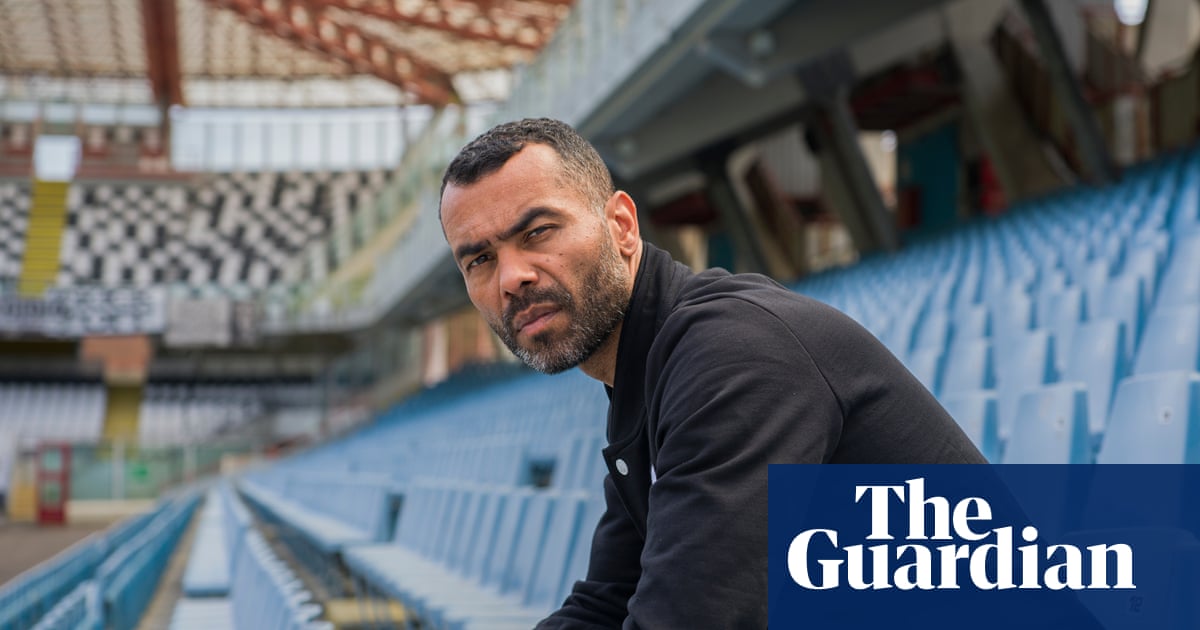
Cesc Fàbregas is turning Como into a tactical nightmare for Serie A giants

The Tactical Evolution of Como under Fàbregas
When Cesc Fàbregas took the reins at Como 1907, the narrative was painted in the broad strokes of a romantic Italian fairytale. A club that languished in the fourth tier just seven years ago, now rubbing shoulders with the aristocrats of Serie A. However, stripping away the picturesque lake views and the Hollywood-adjacent ownership, what we are witnessing is a cold, calculated tactical project that is systematically dismantling established hierarchies in Italian football.
The Structural Blueprint: Beyond the 4-2-3-1
Fàbregas has moved away from the rigid structures often associated with newly promoted sides. Instead, he has implemented a fluid, possession-based system that prioritizes numerical superiority in the central corridors. The recent victory over Gian Piero Gasperini’s Atalanta—a side notoriously difficult to break down due to their man-marking intensity—served as a masterclass in positional manipulation.
By deploying an asymmetric 4-3-3 that frequently transitions into a 3-box-3 during the build-up, Fàbregas forces opposing defensive midfields into a state of paralysis. The key has been the role of the inverted full-back, who tucks into the pivot space, allowing the primary holding midfielder to drop into the backline. This creates a back-three that effectively neutralizes high-pressing teams like Roma and Atalanta, forcing their wing-backs to make a choice: stay deep or commit to the press and leave the wide channels exposed.
The Leao-Pulisic Paradox and the Wider League Context
As Serie A managers like Massimiliano Allegri grapple with the 'Leao-Pulisic paradox'—balancing the creative chaos of individual talent against the structural rigidity required for Champions League football—Fàbregas has opted for a more egalitarian approach. His squad lacks the singular 'superstar' profile of a Rafael Leão, but they possess a collective tactical intelligence that is arguably more dangerous in a league phase format.
- Midfield Rotation: Fàbregas utilizes a 'free-eight' system where the interior midfielders are encouraged to occupy the half-spaces, dragging markers out of position to create lanes for vertical passing.
- Pressing Triggers: Como’s defensive efficiency isn't born of raw athleticism, but of highly specific pressing triggers. They allow the opposition center-backs time on the ball, only triggering the press when the ball reaches the 'pivot-zone', effectively trapping the opponent in the middle third.
- Transition Control: By maintaining a high line, Como forces the game into a condensed area, minimizing the distance between their lines and making counter-attacks easier to stifle at the source.
The Champions League Debate and the New Reality
The current debate surrounding the expansion of Champions League spots—with England and Spain poised to secure fifth places—highlights a shift in how European football views 'underdog' success. Como’s push for Europe is not an anomaly; it is a symptom of a league that is becoming increasingly tactical, where the gap between a mid-table side and a Champions League contender is defined by the quality of the coaching staff's 'game-state' management.
Critics argue that Como’s rise is fueled by significant capital, and while that is an undeniable factor, the application of that capital has been surgical. Unlike the bloated squads of the past, Como’s recruitment has focused on players who fit the specific profile of Fàbregas's system: high-IQ, technically proficient, and comfortable in multiple tactical setups. This is not a team of mercenaries; it is a laboratory for modern positional play.
Looking Ahead: The Sustainability Challenge
The real test for Fàbregas will be the transition from the hunter to the hunted. As teams begin to study the 'Como blueprint', the element of surprise will evaporate. We are already seeing signs of this in the way top-tier managers are adjusting their defensive blocks to sit lower against Como, daring them to break down a low block. The next phase of Fàbregas’s development will rely on his ability to introduce more direct, vertical patterns of play to complement his possession-heavy foundation.
If Como does secure a European spot, the Champions League will be a brutal proving ground. The tactical nuances that work against Roma or Atalanta on a Tuesday night in Lombardy will be scrutinized by the best coaching minds in Europe. Whether Fàbregas can maintain this upward trajectory without compromising the structural integrity of his side will be the defining story of the next two seasons in Italian football.
Adidas FIFA World Cup 2026 Al Rihla League Training Soccer Ball
Kick it like a pro with the official design language of the upcoming 2026 World
Frequently Asked Questions
How does Cesc Fàbregas structure Como's tactical formation?
What is the role of the inverted full-back in Fàbregas's system?
How does Como's pressing strategy work against opponents?
What is the 'free-eight' system used by Como?
How does Fàbregas manage Como's squad without superstar players?
More Coverage

Manchester United are chasing ghosts with the Leao pursuit
4 hours ago
PSG are finally playing like a team and it is terrifying
4 hours agoArsenal’s European ambition check is about eighty games overdue
4 hours ago
Arsenal's transfer strategy remains locked on silverware
4 hours ago
Why England must fear Panama's disciplined low block
5 hours ago
Arsenal vs PSG: Why tactical rigidity will determine the European champion
6 hours agoMore Analysis

Cesc Fabregas is turning Como into Serie A's most dangerous disruptors
2 months ago
Cesc Fabregas has built a tactical machine in Como. Atalanta are next.
2 months agoCesc Fàbregas is turning Como into the most interesting experiment in football
2 weeks, 3 days ago
Chelsea want Cesc Fabregas. His data says it's a massive risk.
3 weeks, 4 days ago
Serie A is burning and Cesc Fabregas is the only one with fresh water
3 days, 20 hours ago