The long apprenticeship finally pays off
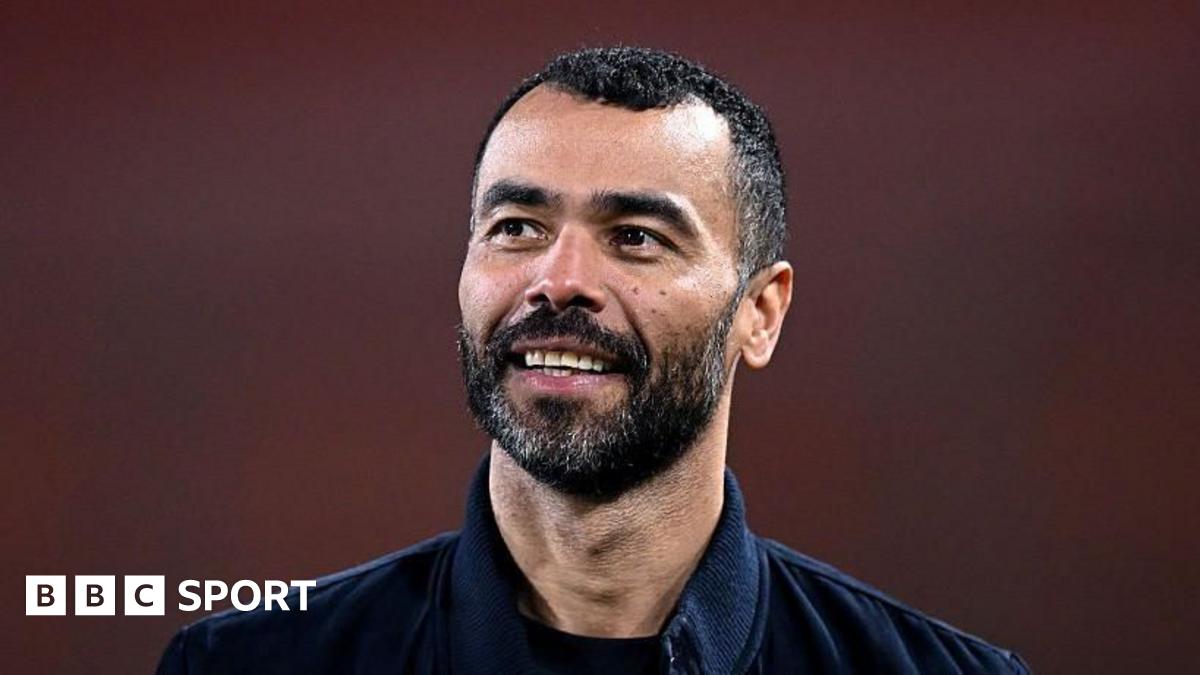
Seven years is a long time to wait in the wings. Most elite players of Ashley Cole's generation walked straight into top jobs. Frank Lampard got Derby County, then Chelsea. Steven Gerrard landed at Rangers. Wayne Rooney was fast-tracked.
Cole took a different route. He shadowed. He learned. He spent years working on training pitches away from the glare of head coaching pressure.
Now, at Cesena in Italy's notoriously unforgiving Serie B, we are finally seeing the result of that patience. The former Arsenal and Chelsea left-back has his team firmly in the playoff mix, and he is doing it with a defined, aggressive tactical identity.
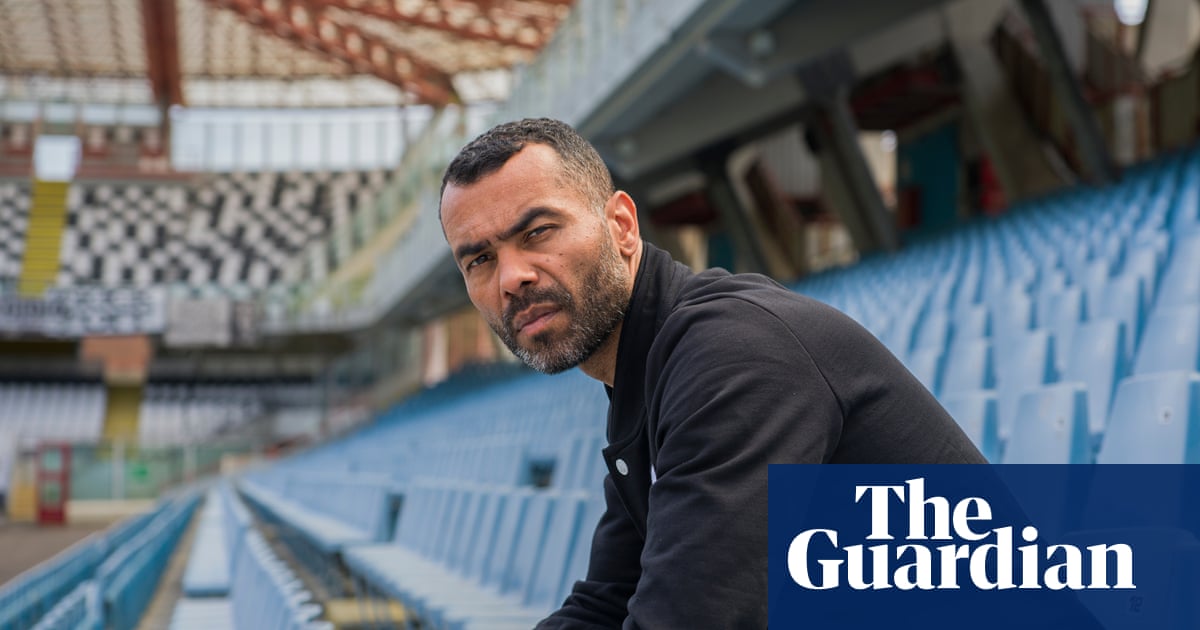
His transition to the dugout has not been a media circus. It has been a slow, deliberate build. As noted in The Guardian's recent profile, Cole's journey to this point required immense dedication, not just from him, but from his family.
Deconstructing the Cesena system
Given his playing career, the assumption was that Cole would build a team obsessed with attacking width. The reality is far more clinical.
Cole does not just ask his wide players to bomb forward. He demands structural discipline. Cesena operates primarily in a fluid shape that looks like a 4-3-3 out of possession, but shifts rapidly into a 3-2-5 when they have the ball.
The triggers are specific. When the opposition builds down the right, Cesena's left winger tucks in, forcing play inside where a trap is set by a highly aggressive midfield trio. They hunt in packs.
It is not pretty passing for the sake of it. It is functional, aggressive possession designed to create high-quality chances.
The mechanics of their build-up play deserve closer inspection. The center-backs are instructed to split wide, allowing the single pivot to drop deep. This draws the opposition press forward.
Once the press is engaged, Cesena uses swift, vertical passes to bypass the first line of pressure. They do not dawdle on the ball. The objective is to move the ball from the defensive third to the attacking third in under eight seconds.
We saw this perfectly executed last weekend. The rotation between the central midfielders and the advancing full-backs created persistent overloads in the half-spaces. The opponent simply could not cope with the numerical disadvantage in wide areas.
The right-back, operating almost as a traditional winger, pinned the opposition full-back deep, allowing the right-sided midfielder to drive into the vacant channel. It was a masterclass in spatial manipulation.
The quote that defines the manager
"The players have to trust what I’m asking them to do."
That is the core philosophy. Cole said it himself. That statement reveals exactly how he views the manager-player dynamic. He is not trying to be their friend. He is demanding absolute buy-in to a complex tactical framework.
Trust is earned on the training pitch. When a manager asks a wide forward to track back 40 yards to cover a defensive rotation, that player needs to believe the resulting shape will win the ball back. Under Cole, Cesena players are making those runs.
You can see the belief. Even when they go a goal down, the structure rarely devolves into panic. The pressing triggers remain consistent. The passing angles are still maintained.
In a recent away fixture, Cesena went down to ten men in the first half. Instead of throwing on an extra defender and parking the bus, Cole maintained a two-man forward line.
He backed his players to cover the extra ground. They pressed aggressively, forcing turnovers, and managed to secure a draw. That point was won purely on tactical conviction and squad trust.
The Serie B meat grinder
Serie B is a brutal division. It is heavily tactical, often cynical, and defined by tight margins. Scoring is difficult. Pitches can be slow. Away days in the deep south of Italy are grueling tests of character.
Most foreign managers struggle here. The language barrier is one thing, but the sheer volume of defensive instruction required to survive the Italian second tier breaks many progressive coaches.
Managers who arrive wanting to play high-tempo, expansive football are often chewed up and spat out by December. Opposing coaches will happily sit in a deep 5-3-2 and wait for a mistake.
Cole has adapted by merging his Premier League intensity with Italian defensive pragmatism.
His defensive line holds a high position, squeezing the space, but they drop off rapidly the moment pressure on the ball is lost. It is a nuanced understanding of risk management.
They currently boast one of the better defensive records in the top half of the table. They do not leak cheap goals from set-pieces, a common failing for newly appointed managers trying to implement expansive styles.
He has clearly spent hours drilling his back four on bodily positioning and line depth. When a cross comes in, the center-backs do not ball-watch; they actively track runners and attack the delivery.
Out of possession, the 4-3-3 shape is incredibly compact. The distance between the center-forwards and the center-backs is rarely more than 25 yards.
This vertical compactness forces opponents to either play long, low-percentage balls over the top, or try to pass through a dense thicket of bodies.
In Serie B, where technically gifted playmakers are rare, forcing teams to play through tight spaces usually results in turnovers. It is a highly intelligent approach for this specific league.
Where the system breaks down
But Cesena are far from a finished product. For all their structural solidity, there is a glaring issue in the final third.
When teams drop into a rigid low block, denying space behind the defensive line, Cole's side often runs out of ideas. The fluid 3-2-5 shape relies on dragging defenders out of position through rapid ball circulation.
If the opposition refuses to be dragged out, Cesena's possession becomes sterile. They resort to horizontal passing. The ball moves from left to right, probing for gaps that simply do not exist.
This is where Cole's lack of managerial experience shows. He lacks an effective Plan B. If the primary wing-traps fail, and the half-space overloads are marshaled by deep-lying midfielders, Cesena look toothless.
In a recent fixture against a relegation-threatened side, they held 68% possession but managed only two shots on target. They were entirely negated by a disciplined 5-4-1 block.
The crossing becomes aimless. Instead of working the ball into the box via cut-backs or intricate combinations, they sling desperate balls toward a striker who is heavily outnumbered.
If they reach the playoffs, this flaw will be ruthlessly targeted by veteran Serie B managers. You cannot win promotion relying solely on transition moments and wide overloads.
Managers like Fabio Grosso or Filippo Inzaghi will watch the tape. They will instruct their teams to sit deep, absorb the early pressure, and hit Cesena on the counter when the wide players are caught out of position.
Tactical evolution in real-time
Watching Cesena right now is fascinating because you are watching a manager figure things out in real-time. He is tweaking the system week by week.
Early in the season, the full-backs were staying wide, almost touching the touchline. Recently, we have seen them invert more frequently, adding an extra body in central midfield to stifle counter-attacks.
Their pressing traps are particularly interesting. They do not initiate the press from the front. Instead, the central striker drops slightly, encouraging the opposition to play into their midfield pivot.
The moment that pass is played, the trap springs. The wingers pinch inside, and the advanced number eight steps up violently. It creates a sudden, suffocating three-on-one scenario in the center circle.
If they win the ball there, the transition is instantaneous. Two passes, a shot. That is the ideal Cole sequence.
This subtle shift shows Cole is analyzing and reacting. He is not stubbornly married to one interpretation of his tactical blueprint.
He is demanding trust, but he is also proving he can protect his players structurally. When he asks a midfielder to press high, he ensures a center-back steps up to cover the vacated space.
This synchronization is hard to achieve. It requires endless repetition in training. The fact that Cesena are executing these rotations so smoothly speaks volumes about Cole's coaching ability.
He is not just a motivator; he is a genuine tactician.
The playoff pressure cooker
The stakes are getting higher. The playoff push is entirely about momentum and nerve.
Cole has the pedigree of a winner as a player. He knows what high-pressure environments feel like. He has won Champions Leagues and Premier League titles.
Transferring that composure to a group of Serie B players is a completely different challenge. He needs to convince them they belong in the top flight.
The upcoming fixtures will define his debut season. The margin for error is effectively zero. A single mistimed press, a single blown assignment on a set-piece, could derail the entire campaign.
What to watch for next
As we approach the sharp end of the season, pay attention to how Cesena starts matches. Cole's teams generally try to overwhelm the opponent in the opening 20 minutes.
Look for the aggressive positioning of the midfield number eights. They will push high, almost operating as auxiliary strikers, while the wingers hold the width.
If they score early, they will retreat into a solid mid-block and dare the opponent to break them down. It is a highly effective game state for this squad.
If they concede early, however, watch how quickly they abandon the structured build-up. Panic can set in.
The final verdict
Ashley Cole's managerial debut is working. It is far better than most analysts predicted when he took the job.
He has built a defensively resilient, tactically modern side capable of competing at the top end of a brutal division. His methods are demanding, but the players are responding.
Can they secure promotion? The tactical rigidity against low blocks makes me skeptical. The playoffs require adaptability.
My prediction: Cesena will make the playoffs comfortably. They will cause major problems for whichever team they draw first.
However, their lack of a varied attacking threat will cost them over a two-legged tie. I expect them to bow out in the semi-finals.
Regardless of the final outcome, Cole has proven he belongs in the dugout. He did not rush. He put in the work. Now, the rest of Europe is taking notice.