Cardiac history repeats on the pitch
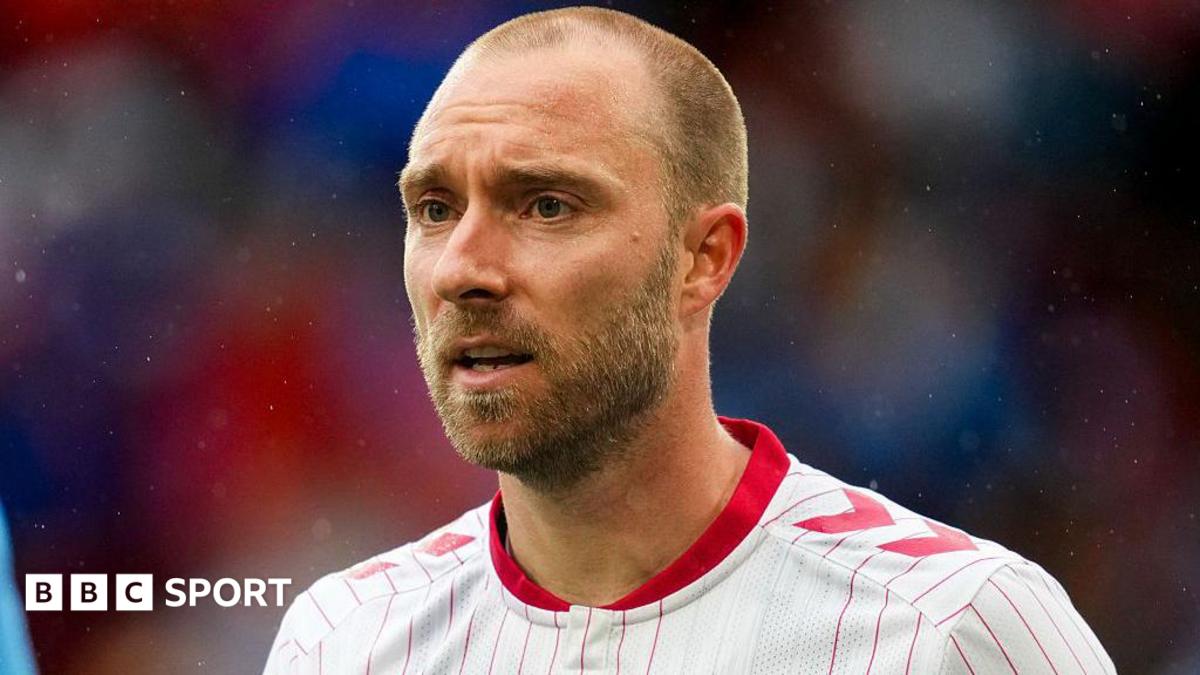
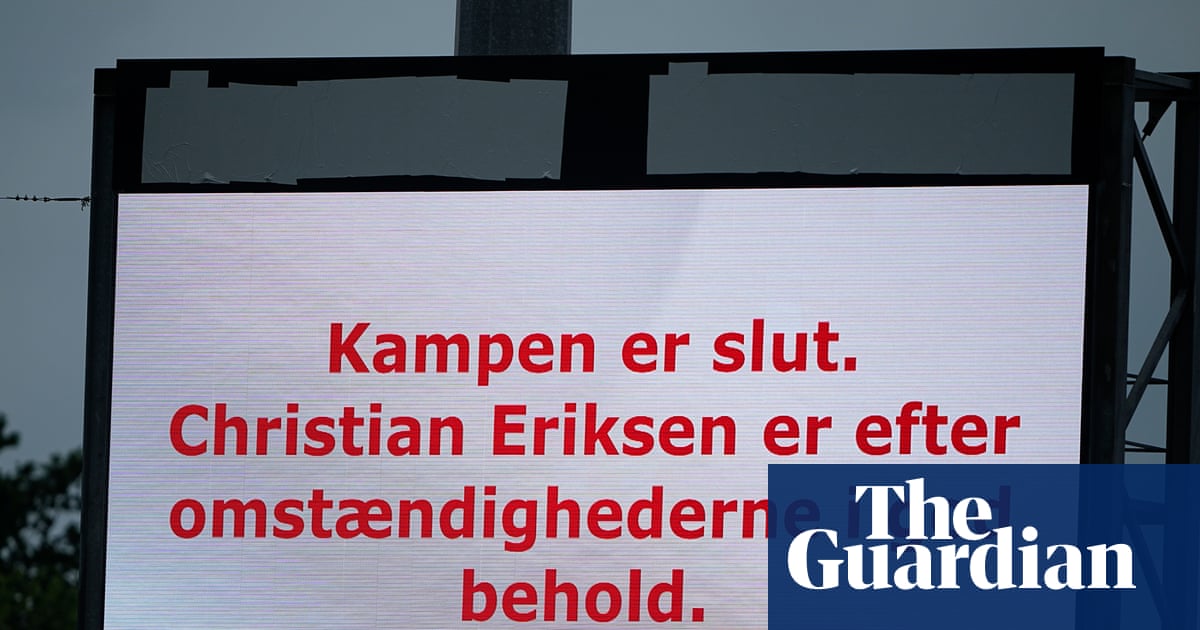
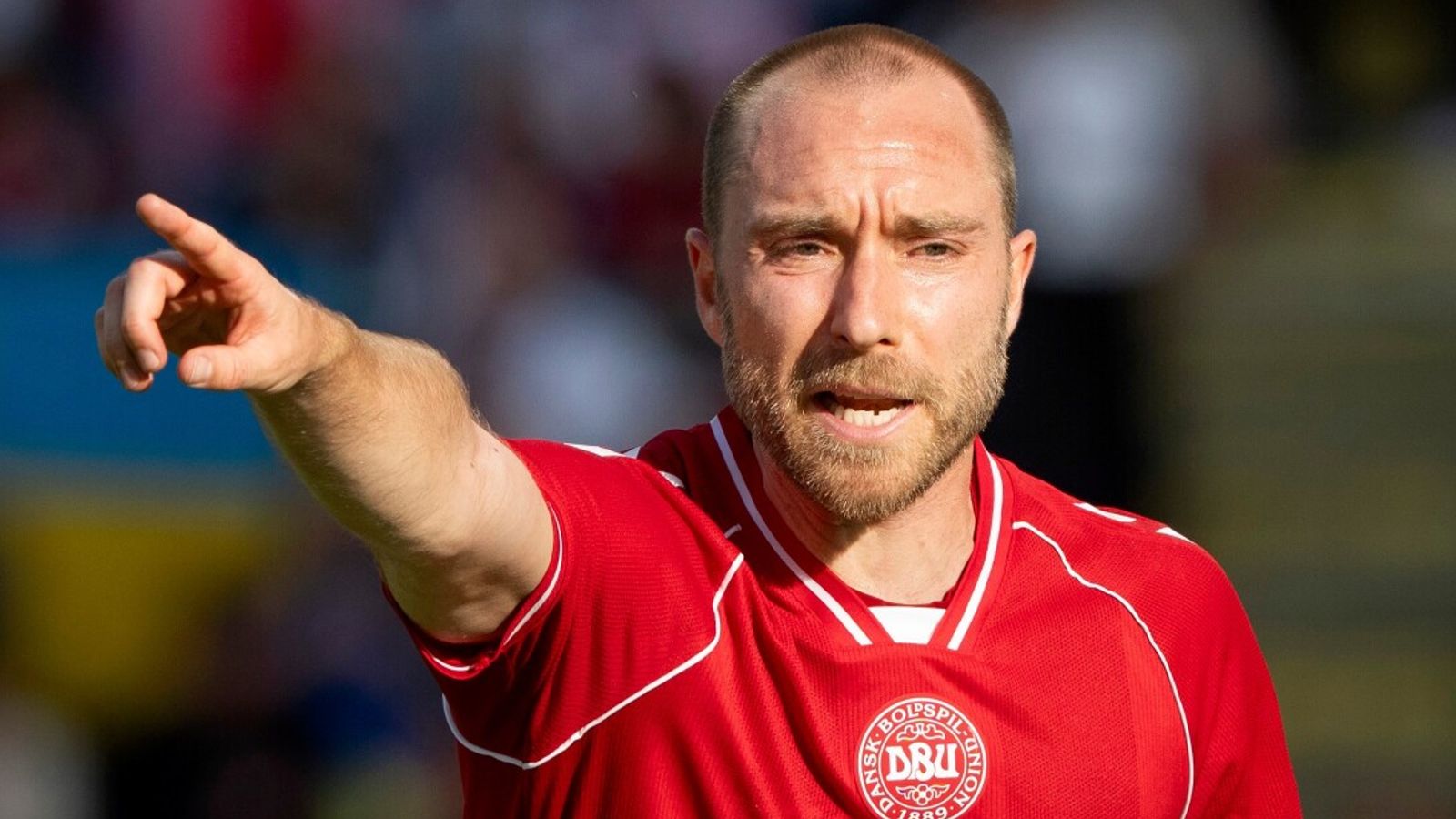
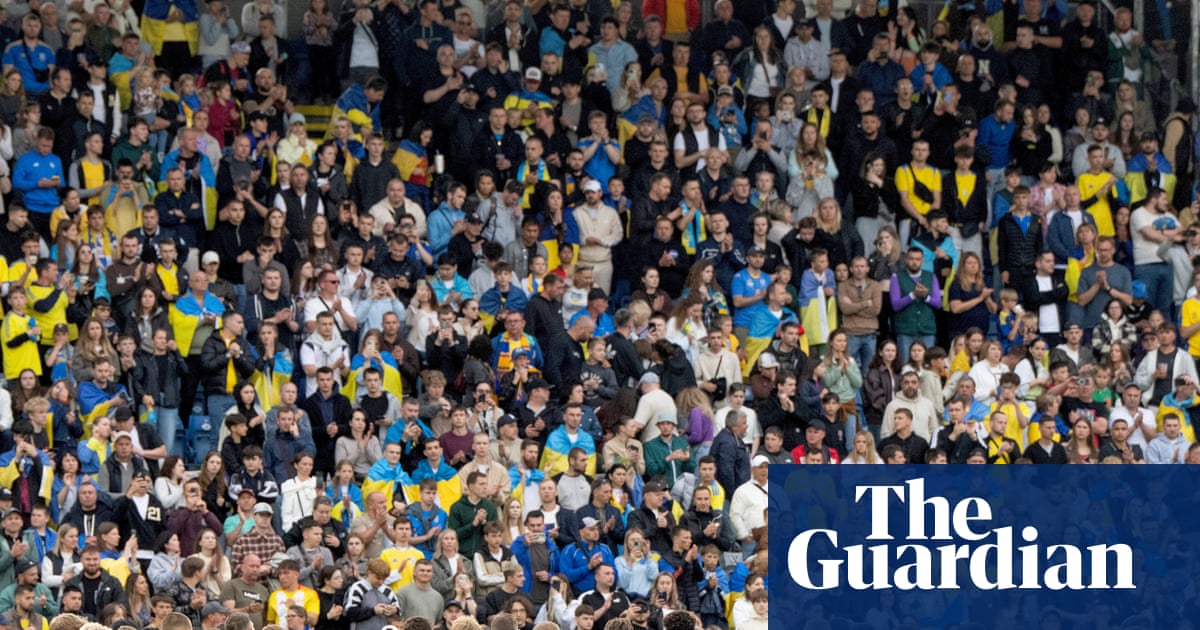
Christian Eriksen is officially back at home today, June 8, after being discharged from the hospital following a terrifying collapse during Denmark’s friendly against Ukraine this past Sunday. The 34-year-old midfielder lost consciousness on the pitch, forcing an immediate abandonment of the match in Odense. This episode serves as a haunting echo of his cardiac arrest during Euro 2020 which occurred almost five years ago to the day.
Eriksen released a statement confirming he is resting with family and feeling good. He was quick to draw a line between the current incident and his 2021 health crisis, noting that this specific event felt totally different. The primary medical takeaway is that the Implantable Cardioverter Defibrillator (ICD) he had installed post-2021 functioned as designed when it delivered a shock to his heart. As noted by The Guardian, the team doctor confirmed Eriksen was in good spirits while under observation, but the speed of his release doesn't erase the gravity of the situation.
The shock of the ICD
The core of this incident is the activation of Eriksen’s internal device. While the ICD undoubtedly succeeded in stabilizing him, the player admitted the experience was jarring. “Receiving a shock from my ICD has had a major impact,” Eriksen said in his release. That impact is both physical and psychological; being forced to acknowledge the limitations of one's own physiology in front of a stadium and a global television audience is something few athletes ever endure, let alone twice.
Teammate Pierre-Emile Hojbjerg has been vocal about the locker room’s reaction, which was predictably shell-shocked. Players who were on the pitch in 2021 were suddenly transported back to a trauma they thought they had moved past. The decision by manager Brian Riemer to abandon the match wasn't just a tactical choice; it was a human necessity for a squad that was clearly struggling to process the sight of their teammate going down for a second time.
The looming retirement debate
Speculation regarding Eriksen’s future in professional football has accelerated rapidly, and it isn't just coming from the internet fringes. The debate on whether he should lace up his boots again has transitioned into mainstream discourse among pundits and cardiologists alike. Some, including voices in the Danish media, have publicly questioned if continuing his career is worth the risk, with one pundit bluntly suggesting he should retire for his family’s sake. According to reports from the Daily Mail, medical experts are already warning that additional heart-stopping episodes remain a logistical possibility if he persists in high-intensity professional play.
The club reality for Eriksen is arguably grimmer. Teams, sponsors, and insurance providers look at this event through a cold, actuarial lens. Even if Eriksen expresses a desire to keep playing, which he has hinted at in his latest comments, the appetite for signing a player with multiple on-pitch collapses may have hit a point of no return. The risk-to-reward ratio for any potential employer has shifted from a complicated transfer decision into a potential liability trap.
The flawed decision-makers
The coaching staff and medical team are the quiet losers here, facing mounting scrutiny not just for the match abandonment, but for the lack of foresight. As highlighted during the coverage of these events by Mirror Football, concerns about his health weren't a secret—they were a known variable that former managers and medical staff had discussed for years. When problems are discussed as 'concerns' but never fully resolved, they inevitably manifest as emergencies.
We are left with a massive question mark regarding the management of players with chronic cardiac conditions. The sport prides itself on its physical preparation, yet the failure to prevent this occurrence suggests a significant hole in the safety nets professional clubs provide. Eriksen is currently safe at home, which is the only win that truly matters today. However, the recurring nature of these collapses indicates that the current standard of care—relying on a device to trigger *after* a catastrophe begins—might not be enough to sustain a professional career. The hope is that Eriksen prioritizes his long-term health, but the reality is that the football industry will likely continue to push its assets until they physically break.