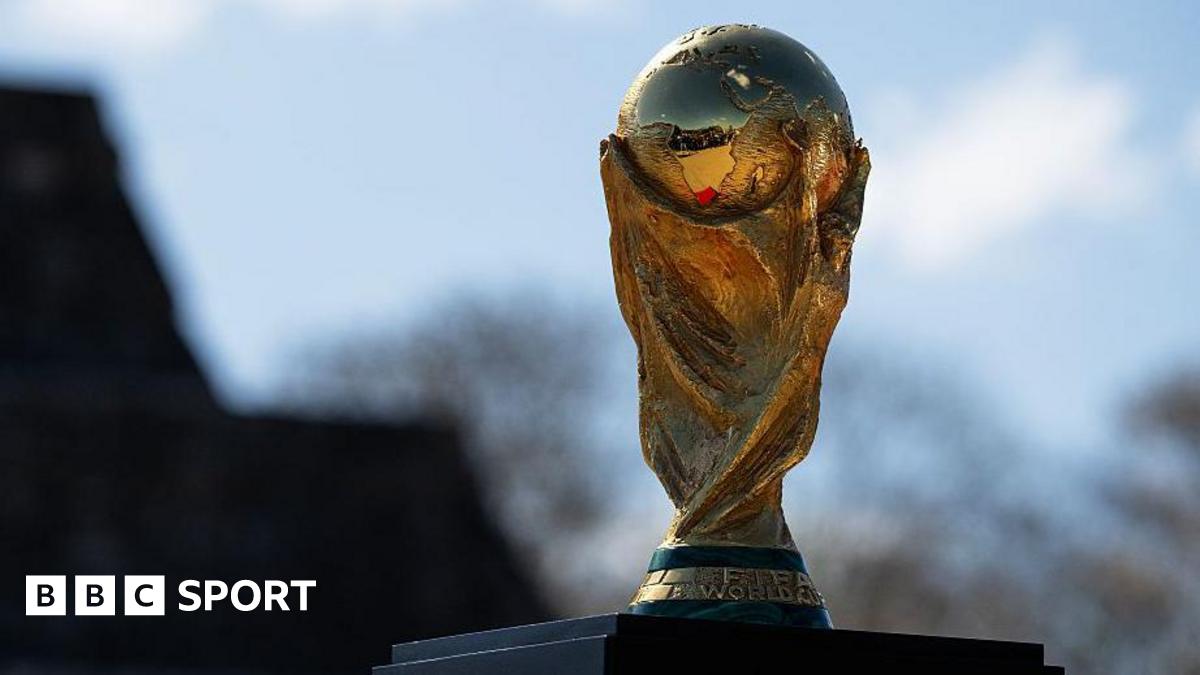
Ebola outbreak shatters DRC's World Cup preparation plans
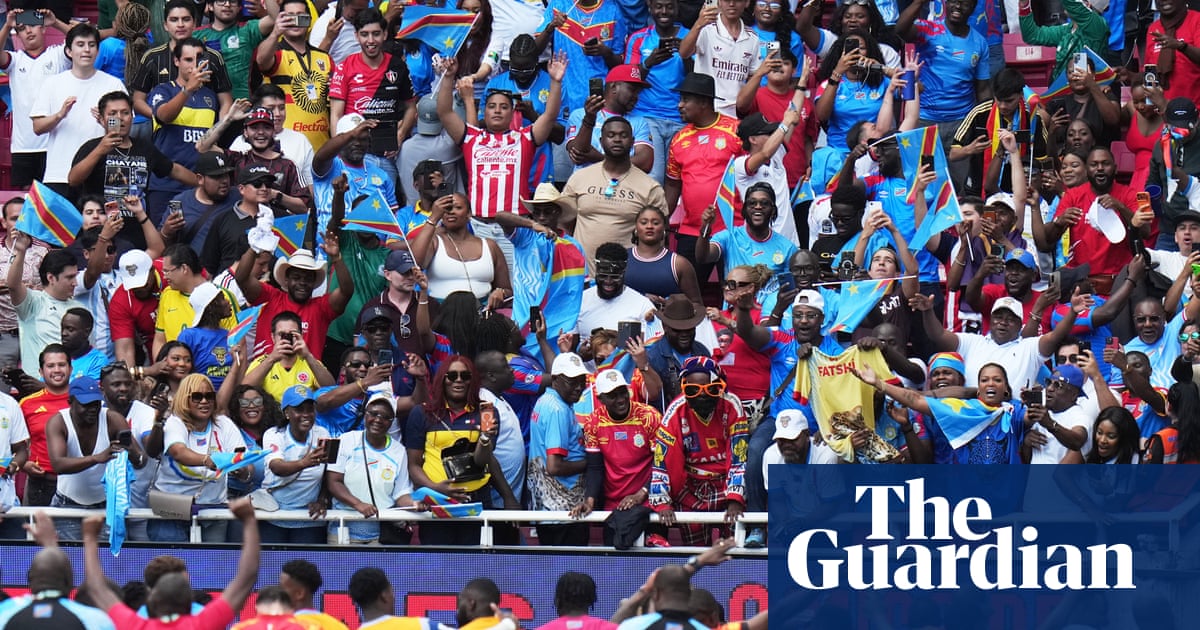
A fractured return to the global stage
The Stade des Martyrs in Kinshasa will sit completely empty this week. The banners are coming down. The heavily promoted public farewell event has been abruptly erased from the calendar. With just 22 days until the 2026 World Cup kicks off across North America, the Democratic Republic of the Congo has suffered a devastating blow to its tournament preparations.
A localized Ebola outbreak has forced the immediate cancellation of the national team's planned three-day training camp. It was supposed to be a grand send-off. Instead, it has become a frantic evacuation.
According to The Guardian's reporting this morning, the situation on the ground escalated rapidly. National team staff based in the DRC are reportedly
leaving in next hoursto escape the affected zones and reorganize. Football immediately becomes secondary when public health is threatened. But from a purely sporting perspective, this late disruption is a tactical disaster for a squad making its long-awaited return to the world stage.
The myth of the simple training camp
Modern international football is a heavily mechanized operation. You do not simply throw a squad of twenty-six players onto a pitch and tell them to play. The base camp is the brain center of a World Cup campaign. Relocating it overnight destroys months of meticulous planning.
Think about the physical materials required. There are customized GPS tracking systems, localized recovery units, massive video analysis servers, and specialized dietary supplies. Uprooting that setup in a matter of hours is a logistical nightmare. The backroom staff are now scrambling to secure neutral European hotel blocks and emergency training pitches at the absolute height of the pre-tournament booking window.
Then there is the tactical cost. Missing a three-day camp sounds entirely manageable to a casual observer. It is actually fatal to tournament readiness. Those initial seventy-two hours are when a manager installs the base defensive shape. It is when sports scientists measure exactly how fatigued the squad is following the grueling European club seasons.
The DRC squad will now have to assemble on the fly. They will bypass the vital first phase of tournament acclimatization. Players will arrive disjointed, directly into a high-stress relocation scenario.
The danger of unscripted friendlies
The pre-tournament fixtures against Denmark and Chile are still going ahead. But the context surrounding these matches has fundamentally shifted. Originally, these games were designed as final dress rehearsals. Now, they are outright survival tests.
Playing Denmark requires immense tactical discipline. The Danish system relies heavily on structured possession and exploiting half-spaces. If your midfield pressing triggers are not perfectly synchronized, the Danes will pull your block apart within twenty minutes. The DRC squad was supposed to spend those cancelled days in Kinshasa drilling those exact pressing triggers.
Instead, they will step onto the pitch against Denmark shortly after a chaotic relocation. You cannot install a complex pressing system in a hotel lobby. The risk of being completely outplayed is high, which immediately damages squad morale.
Chile presents a completely different threat. The South American side is notoriously aggressive, vertical, and relentless in the tackle. Facing them requires peak physical readiness. If the DRC players are stressed, dealing with scrambled travel itineraries, and distracted by a health crisis in their homeland, playing a high-octane team like Chile is a massive injury risk.
Muscle injuries spike drastically when players lack focused, graduated preparation. Forcing them into intense match conditions under these circumstances borders on reckless.
Ghosts of 1974
You have to look back to 1974 to fully grasp the emotional weight of this cancellation. That was the last time this nation, then competing as Zaire, stepped onto the World Cup stage. Their appearance in West Germany was historically significant for African football.
It was also deeply traumatic. The squad arrived amid intense political pressure from Mobutu Sese Seko's regime. They suffered a heavy defeat to Scotland, followed by a notorious 9-0 dismantling by Yugoslavia. The players were physically outmatched and psychologically broken by external pressures.
This 2026 qualification was supposed to overwrite that painful history. The expanded 48-team format finally provided a realistic opening for CAF nations sitting just below the elite tier, and the DRC took it. The planned farewell event in Kinshasa was meant to be a generational release of tension.
Fans in the capital have waited over half a century for this exact moment. Scrapping the event is the only responsible choice given the horrific realities of an Ebola outbreak. Yet the emotional void it leaves behind is massive. The players are denied the chance to draw energy from their home crowd before heading across the Atlantic.
Institutional silence
This situation exposes a glaring flaw in international football governance. FIFA executives are always eager to take credit for expanding the tournament. They love the optics of broader global inclusion and the broadcast revenue it generates.
Yet, when an African qualifier faces a localized public health crisis weeks before kickoff, the institutional support appears non-existent. There is zero publicized framework for assisting a national federation when an act of God derails their campaign. The DRC federation is effectively left to manage an emergency evacuation on their own.
This is an amateurish oversight from the governing bodies. If a major European federation faced a sudden camp cancellation due to a regional emergency, the logistical assistance from UEFA and FIFA would be immediate and overwhelming. Neutral venues would be offered. Charter flights would be secured instantly.
Instead, the DRC is left scrambling to execute a backup plan while their staff literally flee an outbreak zone. It highlights the stark disparity in resources among the expanded tournament field.
A battle for focus
The psychological burden on the players cannot be ignored. The vast majority of the DRC squad play their club football in Europe. The trip to Kinshasa was supposed to be their anchor. It was the moment they transitioned from club employees to national heroes.
Now, they will likely meet up in a sterile European training facility. They will have to prepare for the biggest tournament of their lives while watching news reports of a terrifying virus spreading through their home country. Compartmentalizing that kind of fear is nearly impossible.
The coaching staff now faces a dual challenge. They must hastily rebuild the tactical schedule while simultaneously managing the mental state of a deeply unsettled squad. They have to play Denmark and Chile without a foundational base. They have to travel to North America having been denied their ceremonial send-off.
The DRC fought brutally hard to secure their place in this World Cup. They navigated a punishing African qualification path. Now, before a single ball has been kicked in the actual tournament, they are fighting an entirely different battle just to get to the starting line intact.
Read Next
PUMA Orbita 6 MS Premier League Soccer Ball
The official look of the Premier League, ready for your weekend kickabout.
Frequently Asked Questions
Why did the DRC cancel their World Cup training camp?
When does the 2026 World Cup tournament begin?
How does the camp cancellation affect the team's tactics?
Where is the DRC national team relocating to?
What warm-up matches will the Congo play before the World Cup?
More Coverage

Northern Ireland's youth pivot: Examining the Graham and O'Neill call-ups
13 hours ago
Ireland's Qatar victory overshadowed by looming Israel fixtures
17 hours ago
Ireland versus Qatar is the most meaningless game of the summer
1 day, 3 hours agoThe World Cup knockout stage isn't for the faint of heart
1 day, 6 hours agoThe World Cup knockout stage is already a logistical nightmare
1 day, 6 hours agoThe World Cup knockout stage is a tactical disaster waiting to happen
1 day, 6 hours agoMore Analysis

Congo's World Cup dream is turning into a logistical nightmare
1 week, 1 day ago
Congo's World Cup dream is unravelling before a ball is even kicked
1 week, 1 day ago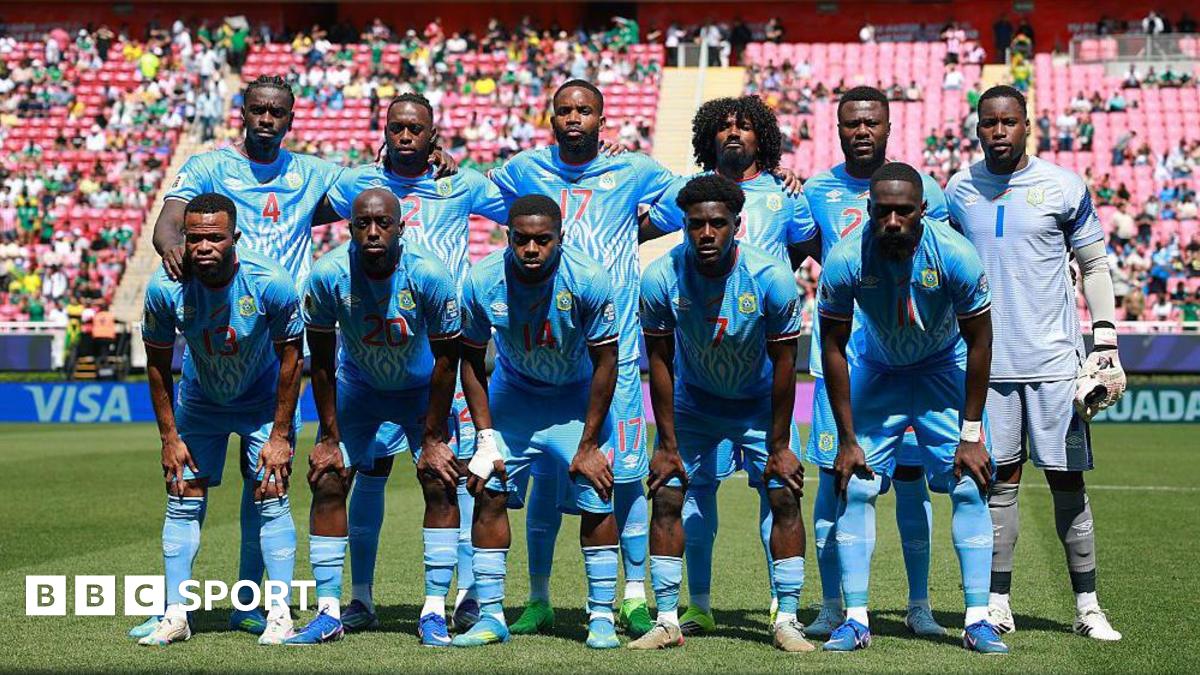
DR Congo faces World Cup nightmare after US issues 21-day Ebola quarantine
6 days, 12 hours ago
How a 21-day isolation mandate breaks DR Congo's World Cup tactics
6 days, 12 hours ago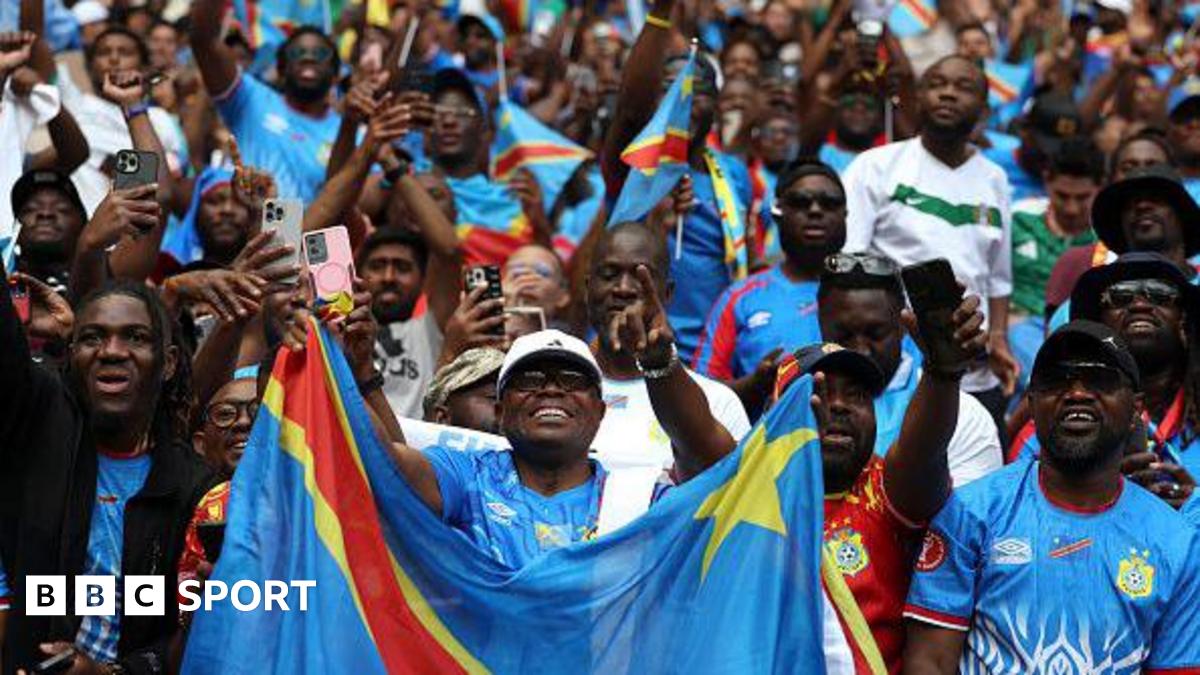
DR Congo fans are getting absolutely hosed by the travel system
3 days, 5 hours ago