The Logistical Handcuff
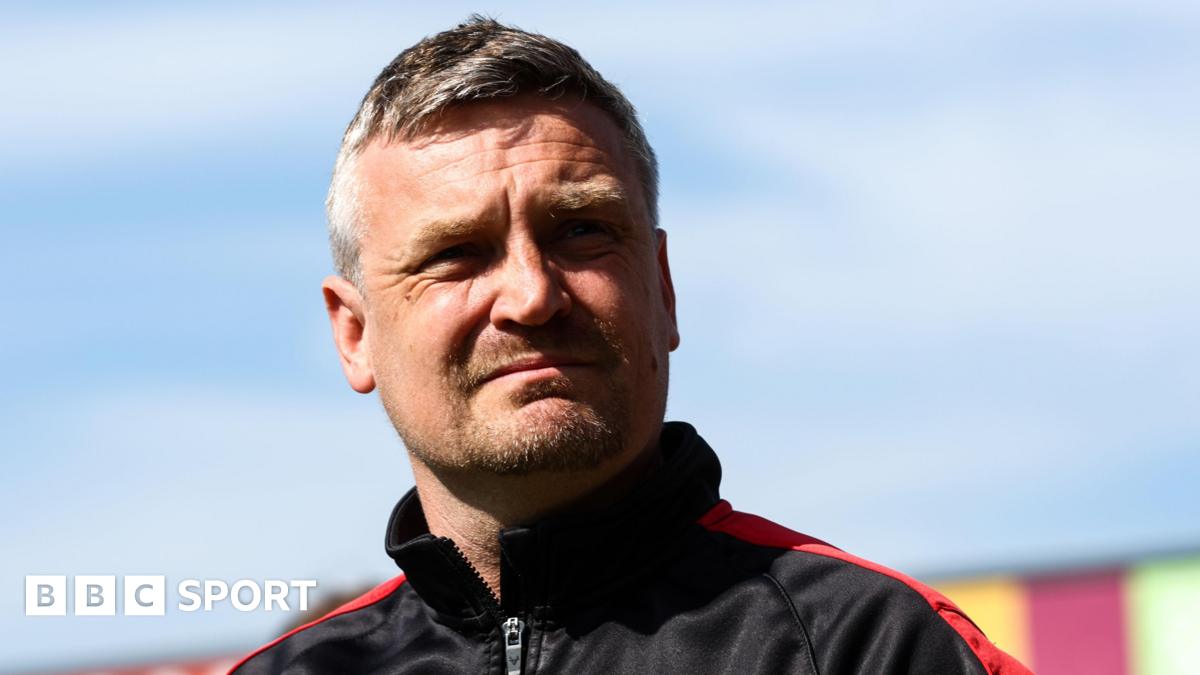
Tactical preparation for a major tournament is a game of millimeters, hours, and obsessive repetition. For Sébastien Desabre and the Democratic Republic of Congo, those millimeters just expanded into a three-week continental chasm. The Leopards have been handed a logistical death sentence before a ball has even been kicked in North America.
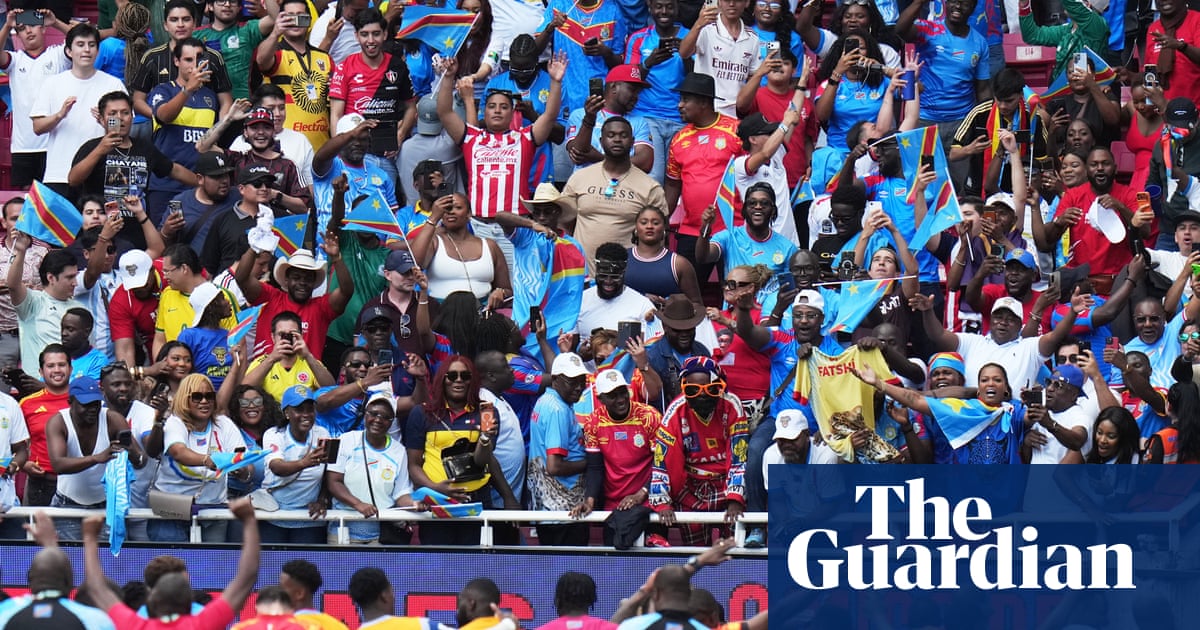
As reported by the BBC, the entire DR Congo squad must isolate for 21 days before they can set foot in the United States due to an Ebola outbreak back home. The timing is catastrophic. With the World Cup kicking off on June 11, 2026, and their Group K opener against Portugal scheduled for June 17 in Houston, the math is brutal.
If the isolation period begins immediately on May 23, Desabre's players will not emerge from their quarantine bubble until June 13. They will fly across the Atlantic, touch down in Texas, and have fewer than four days to prepare for Roberto Martínez's tactical machinery. This is not just a disruption. It is a structural dismantling of a team that qualified on the back of defensive rigidity and meticulous spacing.
The Quarantine Math and the Acclimatization Deficit
Modern elite tournament preparation demands a period of high-altitude training or heat acclimatization. DR Congo will get neither. Houston in mid-June features average afternoon temperatures of 92 degrees Fahrenheit with relative humidity regularly eclipsing seventy percent. Stepping off an airplane after three weeks of restricted movement straight into that atmospheric furnace is a physical impossibility.
The Congolese Football Association failed to establish a European or North African base before the quarantine order fell. Now, the squad is trapped. They cannot play warm-up friendlies against external opponents to test their physical baselines. They cannot run full-pitch tactical simulations without violating the isolation bubble.
Desabre is known for his highly structured training sessions that measure player distances down to the meter. His tactical model relies on physical readiness to sustain a high-intensity block. A three-week layoff, spent largely in hotel corridors and makeshift gym facilities, will destroy the team's aerobic capacity. When Portugal starts moving the ball at high speed, DR Congo will be running on empty by the hour mark.
Desabre's Defensive Blueprint: The Spacing Crisis
Under Sébastien Desabre, the Leopards transitioned from an chaotic, individualistic side into a compact defensive unit. During their successful qualification campaign, they utilized a disciplined 4-4-2 mid-block that restricted opponents to a meager 0.64 expected goals (xG) per match. This defensive structure is built on extreme spatial discipline, particularly in the defensive channels.
The central defensive partnership of Chancel Mbemba and Dylan Batubinsika has been the bedrock of this resurgence. Mbemba, who averages a defensive duel success rate of 74 percent, relies on perfect coordination with his defensive partner to step out and challenge forwards. When that partnership is denied on-pitch repetition for three weeks, the spacing breaks down. A split-second delay in Mbemba stepping out will leave gaps for Bruno Fernandes to exploit.
Furthermore, Desabre's mid-block depends on synchronized shifting. The wingers, Yoane Wissa and Théo Bongonda, must drop deep to form a back-six when the opposition full-backs overlap. This movement is not instinctive; it is coached through endless daily drills. Without these pitch sessions, the communication lines between the wingers and full-backs Arthur Masuaku and Gédéon Kalulu will fail under pressure.
The Right-Flank Battleground: Wan-Bissaka vs Rafael Leão
The focal point of the opening match on June 17 at NRG Stadium will be the battle down the Congolese right flank. Aaron Wan-Bissaka's late integration into the national team was heralded as a major defensive coup. The right-back averages 4.2 tackles per ninety minutes and is widely regarded as one of the finest 1v1 defenders in world football. His presence was designed specifically to counter Portugal's primary weapon, Rafael Leão.
However, Wan-Bissaka's defensive style relies heavily on extreme physical sharpness and split-second timing. His trademark sliding tackles require immaculate deceleration and body control. If his physical conditioning is blunted by three weeks of confinement, Leão will exploit the half-space before Wan-Bissaka can set his feet.
Portugal under Roberto Martínez will overload the left side with Nuno Mendes pushing high and wide. This tactical overload forces the right-sided central midfielder, Charles Pickel, to shift wide to support Wan-Bissaka. If Pickel is slow to cover due to a lack of match fitness, Portugal will isolate Wan-Bissaka in 2v1 scenarios. It is a tactical trap that Desabre cannot solve from his hotel room.
The Stagnant Transition: Yoane Wissa and the Service Problem
DR Congo's offensive game plan is entirely reactive. They averaged only forty-two percent possession during their qualifying matches, choosing to damage opponents through direct vertical transitions. The primary outlet for this transition is Brentford's Yoane Wissa, who cuts inside from the left wing to exploit the space vacated by advancing opposition full-backs.
This vertical transition requires immediate, precise distribution from the central midfield. Gaël Kakuta is the primary playmaker responsible for these line-breaking passes, but his physical mobility has declined over the past year. Kakuta already struggles to match the physical tempo of modern international football, and this forced isolation will only worsen his physical deficits.
If Kakuta cannot escape the press of João Palhinha or Vitinha, the transition pass to Wissa will never arrive. This leaves Simon Banza isolated up front against Ruben Dias. Banza is an effective target man, but he cannot create his own shots. Without clean transition service, DR Congo's attack will degenerate into hopeful long balls that Portugal's backline will easily sweep up.
A Realistic Group K Forecast
There is no room for romantic optimism here. A 21-day quarantine mandate, forced by the Ebola outbreak as detailed by health authorities, is an insurmountable obstacle for a team that relies on physical conditioning and tactical cohesion to survive. Portugal, Colombia, and Uzbekistan represent a diverse and tactically demanding set of opponents. Each will exploit the physical deficiencies of a leg-weary Congolese side.
The opener in Houston will be a slow-motion car crash for the Leopards. Portugal will dominate possession, circulating the ball with relentless speed to tire out the quarantined Congolese block. The first half will be a defensive grind, but the physical drop-off will occur rapidly after the break. Expect Portugal to secure a comfortable 3-0 victory as DR Congo's defensive lines collapse under fatigue.
The second match against Colombia in Guadalajara on June 23 offers no respite. Néstor Lorenzo's side plays with a intense physical press that will suffocate a Congolese midfield lacking sharpness. A late goal in the 84th minute will seal a 2-0 defeat, ending DR Congo's hopes of knockout qualification before their final group match. This logistical crisis has turned what should have been a historic World Cup return into a tragic exercise in damage limitation.
Read Next
- FIFA is about to ruin the best knockout round in World Cup history
- The bloated World Cup is a mess, but the Round of 16 will be pure cinema
- Why Javier Aguirre's ugly tactics will barely rescue Mexico in the opener
- Why Arsenal will absolutely destroy PSG in the Champions League final
- 🏆 World Cup 2026 — Full Coverage Hub
- 🇵🇹 WC 2026 Group K — Portugal, Colombia, Uzbekistan