The Friday anxiety and the core sixteen
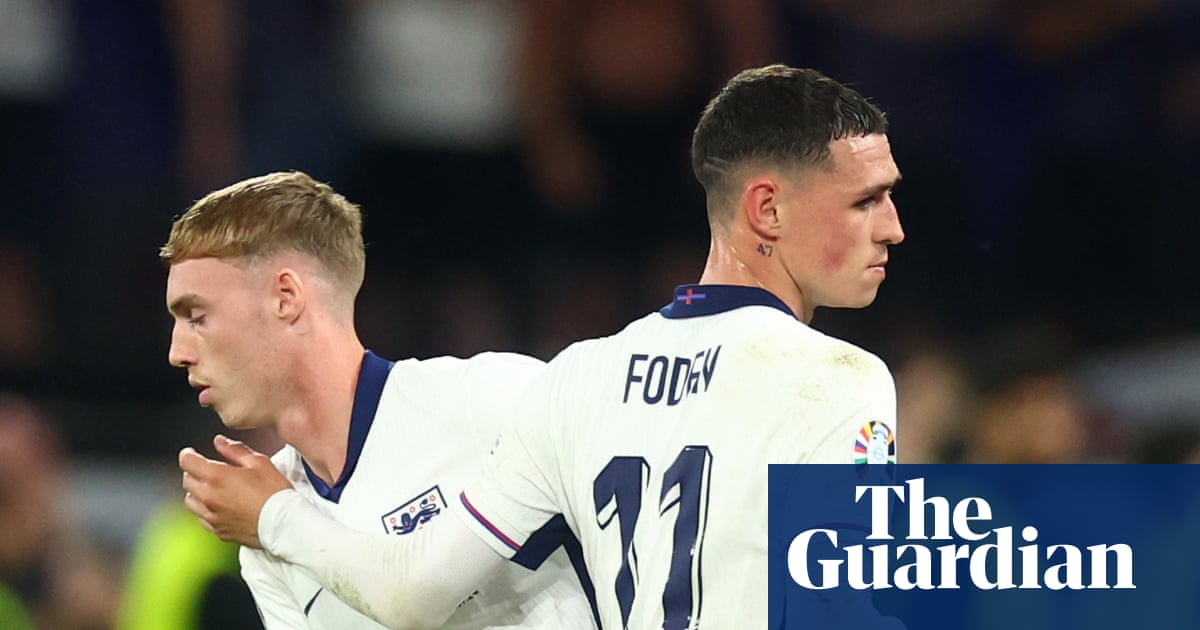
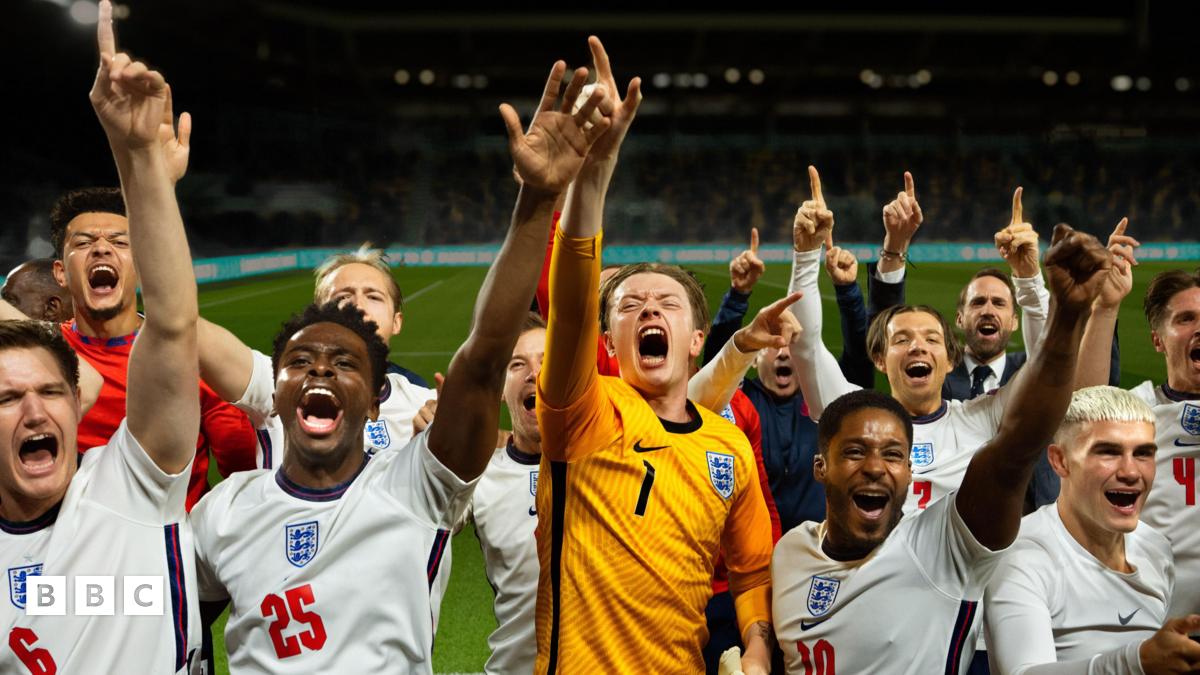
Thomas Tuchel will walk into a room tomorrow and end the dreams of a dozen professional footballers. It is the most brutal day in the four-year cycle. On May 22, the England manager officially names his 26-man squad for the trek across North America.
We are exactly 21 days from the opening kick in Mexico City. The noise is reaching a pitch that usually signals a breakdown in tactical discipline. For Tuchel, the math is already partially solved by the 16 players considered locks for the plane.
But the margins for the final ten spots are razor-thin. As BBC Sport's Micah Richards and Joe Hart have noted, the phone call that never comes is often louder than the one that does. The joy of selection is immediately tempered by the structural pressure of a 48-team tournament.
The Rogers surge and the No. 10 vacancy
Morgan Rogers has essentially kicked the door down in the final weeks of the season. His Europa League performances have been less about potential and more about immediate, physical impact. He offers a ball-carrying verticality that England's current No. 10 options often lack.
Tuchel is reportedly enamored with Rogers' ability to transition from a mid-block to a final-third threat in under four seconds. If the Aston Villa man makes the cut, it signals a shift toward a more aggressive, transitional England. We are moving away from the sideways-passing safety of previous regimes.
The dilemma remains the depth behind Harry Kane. If the captain goes down in the group stages, the drop-off is steep. Tuchel’s refusal to settle on a definitive deputy is the one glaring hole in an otherwise meticulous preparation phase.
A pricing war in the American streets
While the tactical boards are being wiped clean, a different battle is happening in the ticket offices. New York City Mayor Zohran Mamdani just threw a grenade into FIFA’s revenue projections. On Thursday, he announced a lottery offering 1,000 tickets for just $50 each to NYC residents.
This isn't just local politics; it is a direct rebuke of the price-gouging that has come to define this tournament. Cities like Philadelphia, Kansas City, and Atlanta are proving that affordable access is a choice. FIFA, as usual, is choosing the opposite.
The Guardian reports that these cities are trying to burnish reputations as hospitable hosts. It is a necessary counter-narrative. A World Cup in the US risks becoming a corporate gala where the actual supporters are priced out to the nosebleeds.
The contrast is ugly. You have a mayor fighting for $50 seats while FIFA keeps the majority of the inventory behind a wall of high-tier hospitality packages. It is the first major stain on the 2026 legacy before a ball has even been kicked.
The return of the 40-year-old titan
In Germany, the news cycle is dominated by a ghost. Manuel Neuer, at 40 years old, has been pulled out of international retirement. It is a move that reeks of desperation disguised as experience. Julian Nagelsmann is betting on a legend to fix a declining defensive unit.
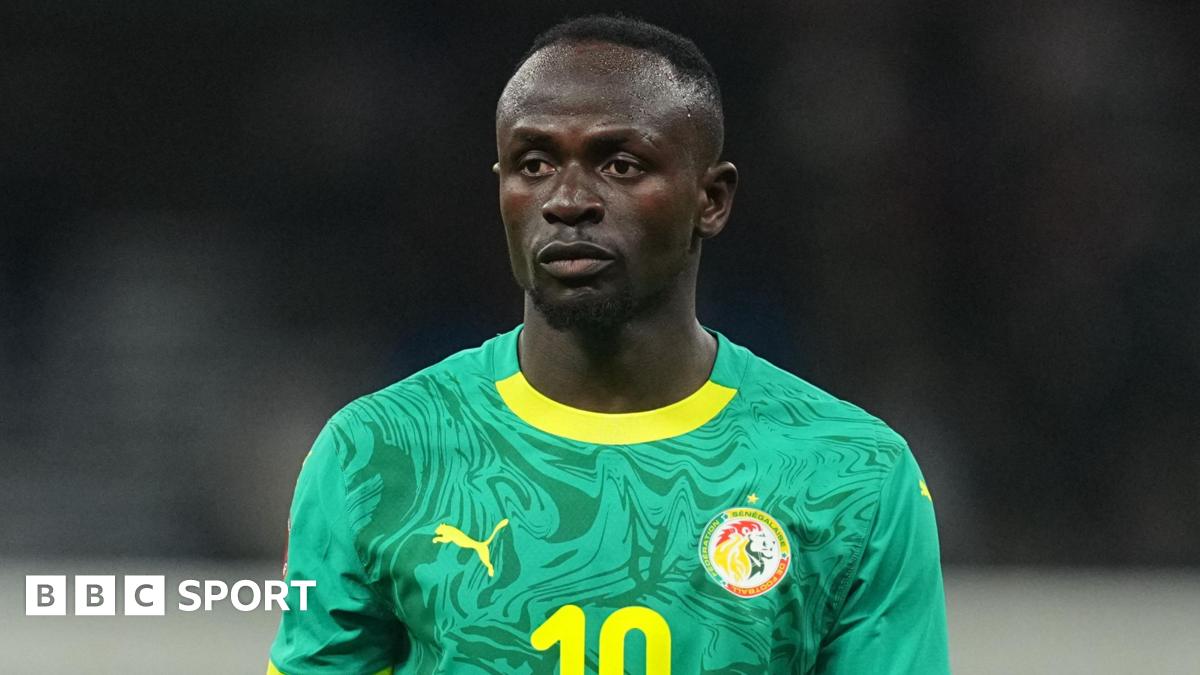
Neuer’s inclusion is the ultimate gamble on muscle memory. While Senegal is bringing a 28-man squad led by the reliable Sadio Mane, Germany is looking backward. It feels like a refusal to move into the modern era of high-line, sweeping goalkeepers who don't have four decades of mileage on their knees.
Similarly, Egypt has confirmed Mohamed Salah. These are the swansongs of a generation. We are watching the final acts of the titans who dominated the 2010s, and there is a lingering fear that they might be a step behind the frantic pace of a North American summer.
The grim reality in DR Congo
It is impossible to ignore the tragedy hanging over the Democratic Republic of Congo’s preparations. An Ebola outbreak has claimed 139 deaths and forced the cancellation of their training camp. This is where the celebratory veneer of the World Cup cracks.
FIFA has released a statement, but the logistical reality is grim. A team expected to compete on the world stage is currently mourning and unable to train together. It puts the "crises" of England’s No. 10 role or Germany’s aging keeper into a sharp, uncomfortable perspective.
The expansion to 48 teams was sold as a way to bring the world together. Yet, the gap between the haves and the have-nots has never been wider. While NYC residents enter a lottery for cheap seats, the DR Congo squad is fighting for basic health safety.
The death of the minnow
Looking further ahead, UEFA has already begun the process of killing the romantic upset. The announcement of a two-tier qualification process for the 2030 World Cup means England will no longer face nations like San Marino or Andorra. It is a Champions League-style overhaul that prioritizes TV revenue over the soul of the game.
By removing the minnows, UEFA is essentially creating a closed shop. They want big-market games every week. The chance for a part-time plumber from Gibraltar to stand in the way of a Premier League star is being legislated out of existence. It is a sterile, boring direction for international football.
We are losing the unpredictability that makes qualifying meaningful. The 48-team expansion already diluted the tournament; now, the qualifiers are being stripped of their occasional magic in favor of "efficiency."
The final verdict and prediction
This tournament feels like a collision between old-world legends and a new-world corporate machine. England has the talent to win, but they lack the clinical edge in the dugout that Tuchel is supposed to provide. The squad is top-heavy and emotionally volatile.
The heat in the US and the cross-continental travel will favor squads with depth over those with one or two aging superstars. Germany’s reliance on Neuer will backfire in the quarter-finals. Portugal, led by a desperate Cristiano Ronaldo, will likely flame out early under the weight of their own ego.
My call? This is the year a new name gets etched into the trophy. Norway, led by a rested Erling Haaland, or a disciplined Scotland side could cause the kind of chaos FIFA’s accountants dread. But if you want a winner, look to the South.
Argentina isn't done, but the smart money is on a functional, boring, and hyper-efficient France to reclaim the throne. They don't care about ticket prices or the 2030 qualifier format. They just win.
Prediction: France to win the 2026 World Cup