The deflection tactic
Roberto De Zerbi is playing a dangerous game.
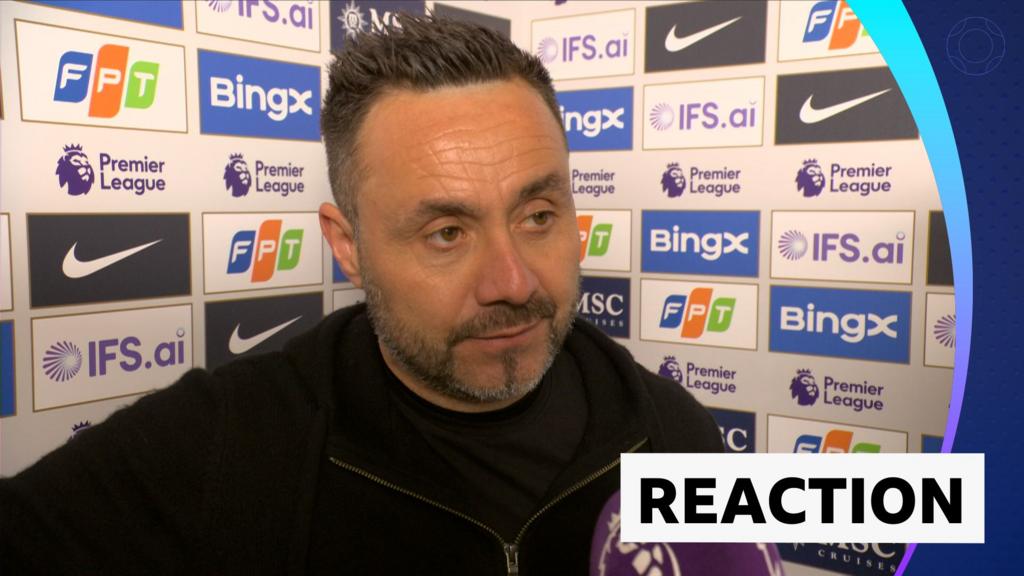
Following Tottenham’s frustrating draw against Leeds United this past weekend, the Italian manager went straight for the officials. He told Sky Sports:
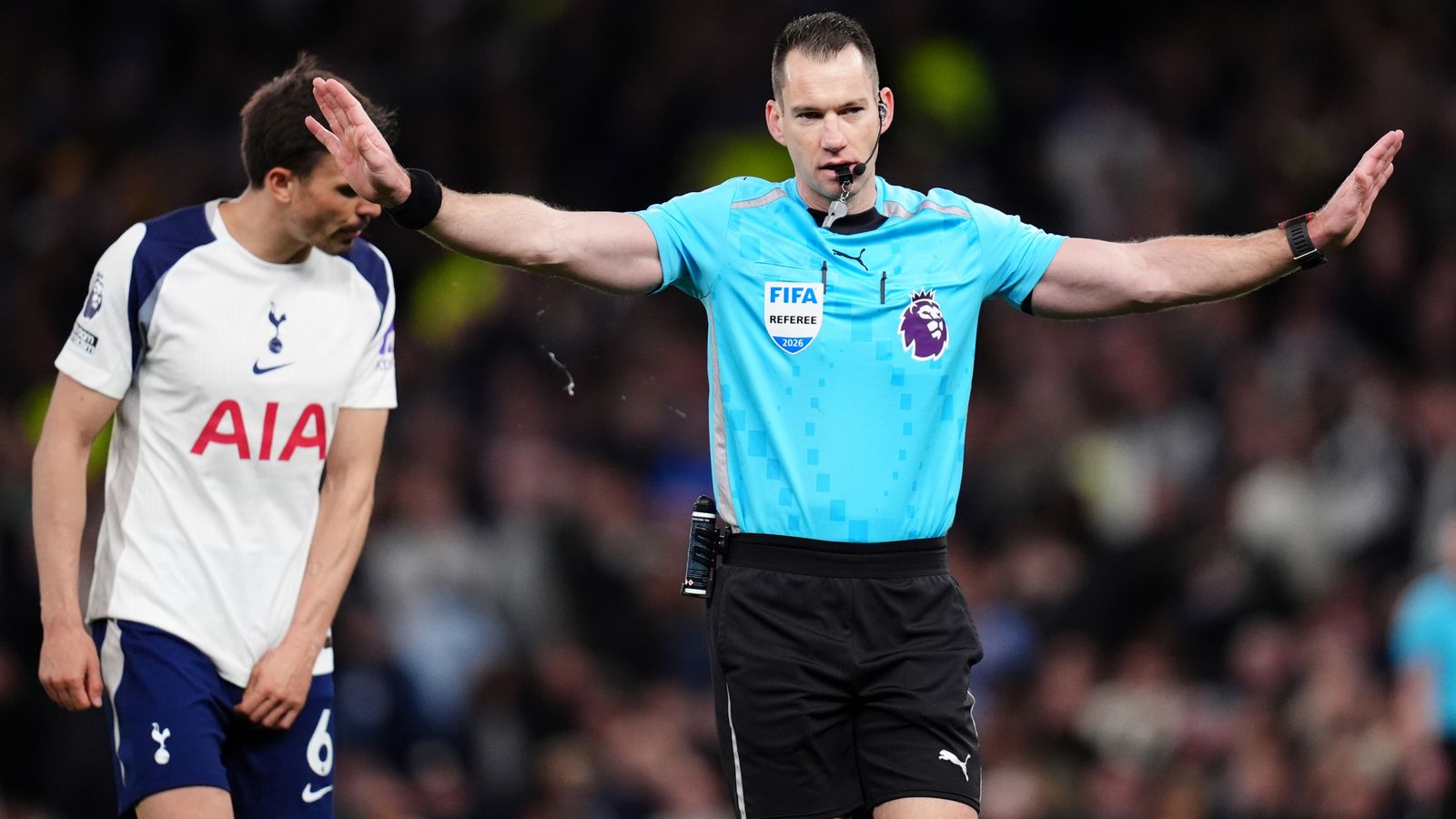
"Referee was not calm, he was feeling the pressure."
It is classic managerial deflection. When the system fails, blame the referee.
But the reality of that match had very little to do with the man in the middle. Tottenham were systematically stifled for large periods by a Leeds side that figured out the exact trigger points in De Zerbi's elaborate build-up phase.
Focusing on a 92nd-minute penalty shout ignores the preceding ninety minutes of tactical stagnation. And with Arsenal arriving at the Tottenham Hotspur Stadium this Sunday, complaining about officiating won't fix the glaring structural holes in this Spurs side.
Where the build-up broke down
De Zerbi’s philosophy relies heavily on baiting the press. He wants his center-backs to put their foot on the ball, stand completely still, and invite the opposition forwards to jump. Once the trap is sprung, quick vertical passes through the lines bypass the first wave of pressure.
It looks magnificent when it works. When it fails, it looks like an unmitigated disaster.
Leeds manager Daniel Farke didn't take the bait. Instead of having his front line jump aggressively, he deployed a highly passive 4-4-2 mid-block. The Leeds forwards stayed narrow, intentionally cutting off the passing lanes into Tottenham's double pivot. They only initiated a hard press when the ball was forced out wide to the full-backs.
This completely short-circuited Tottenham's offensive wiring.
Without central progression, Spurs were forced into endless, sterile U-shaped possession around the perimeter of the Leeds block. The center-backs ended up passing laterally between each other, racking up possession statistics that ultimately meant nothing. They registered barely any meaningful shots on target in the second half.
De Zerbi had no secondary plan. He simply asked his players to execute the primary plan faster. It did not work.
The Arteta problem
If Leeds could execute this blueprint with a newly promoted squad, Mikel Arteta's Arsenal will refine it into a devastating tactical blueprint.
Arsenal currently possess the best out-of-possession structure in the Premier League. Their 4-4-2 defensive shape is disciplined, aggressive, and highly coordinated. Martin Odegaard and Kai Havertz are experts at pressing center-backs while keeping the opposition pivot players locked in their cover shadow.
This creates an enormous problem for Tottenham's build-up structure.
If De Zerbi insists on his center-backs holding the ball to invite pressure, Arsenal will gladly accept the invitation. But unlike Leeds, Arsenal won't just sit off and wait. They will use an intense, man-to-man high press triggered by backwards passes or poor first touches.
Tottenham's midfield pivot has repeatedly struggled under intense, sustained pressure. We saw it against Newcastle a month ago, and we saw glimpses of it against Leeds when the game suddenly became transitional in the dying minutes.
The full-back dilemma
One of the defining features of De Zerbi's Tottenham has been the use of inverted full-backs to create overloads in the middle of the pitch. Both full-backs tuck in alongside the pivot, creating a tight square of four players in the center circle.
Against teams that drop deep, this allows Tottenham to dominate second balls and sustain attacks. But against a team like Arsenal, it is a massive risk.
Arsenal's wingers, Bukayo Saka and Gabriel Martinelli, are ruthless in transition. If Tottenham's full-backs are inverted and the ball is lost centrally, the flanks are completely unprotected. Arsenal will exploit those vacant wide areas with diagonal balls from deep before the Spurs full-backs can recover their defensive positions.
This leaves the center-backs horribly exposed to 1v1 situations in wide channels, dragging them out of the penalty area and opening up spaces for late midfield runners.
De Zerbi faces a harsh choice. Does he ask his full-backs to hold their traditional width to protect against the counter-attack, thereby sacrificing his central midfield dominance? Or does he roll the dice, invert them anyway, and pray his team doesn't lose the ball in the build-up phase?
The Maddison isolation
Consider the role of James Maddison in this tactical setup.
Under De Zerbi, Maddison is tasked with finding pockets of space between the opposition midfield and defensive lines. He is the vital link—the player who turns a sterile build-up into a dangerous attacking move.
But Arsenal neutralize this threat better than anyone. Thomas Partey and Declan Rice operate as a dual screen, maintaining incredibly tight distances to their center-backs.
When Maddison drops deep to receive the ball, he will immediately find Rice breathing down his neck. If he tries to drift wide into the half-spaces, Ben White or Jurrien Timber will step up aggressively to contest the pass.
In the Leeds match, Tottenham's advanced midfielders were essentially ghosting through the game. They couldn't get on the ball facing forward. They were constantly receiving passes with their backs to goal, forced into laying the ball off backwards rather than turning and driving at the defense.
Arsenal will replicate this exact dynamic, but with significantly better athletes.
If Maddison is cut out of the game, Tottenham's attack becomes entirely predictable. They will be forced to rely on individual brilliance out wide, which is exactly where Arsenal will set their pressing traps.
De Zerbi has to find a way to get Maddison on the ball facing the Arsenal goal. Whether that means dropping him even deeper to escape the cover shadow, or using a false nine to drag William Saliba out of position and create space for Maddison to exploit, something has to change.
A midfield battle of attrition
The middle of the park is where this North London Derby will be won or lost.
Declan Rice will be the enforcer for Arsenal, tasked with breaking up play and driving forward. His sheer physical presence could overwhelm Tottenham's lighter, more technical midfield profile. Rice has an uncanny ability to cover ground laterally, snuffing out the exact passing lanes De Zerbi’s system relies upon.
Spurs need to bypass the midfield scrap entirely or commit to winning the second balls. The latter seems highly unlikely given their current personnel.
De Zerbi might drop one of his forwards deeper to create a numerical overload in midfield, perhaps trying to pull an Arsenal center-back out of position. But Arsenal's defensive duo, Saliba and Gabriel, are incredibly comfortable tracking runners into the midfield third without compromising the offside trap.
There are very few obvious tactical levers for De Zerbi to pull here that Arteta hasn't already anticipated and prepared for.
The psychological toll
The frustration is clearly mounting in the white half of North London.
De Zerbi's outburst about the match officials against Leeds felt calculated, but perhaps for the wrong reasons. It smacked of a manager trying to divert attention from a team that is rapidly running out of steam at the business end of the season.
May is an unforgiving month in the Premier League. The margins are completely non-existent.
Arsenal are chasing a title. They are methodical, cold, and entirely focused on the objective. Tottenham, conversely, are fighting for pride, Champions League qualification, and the desperate need to disrupt their bitter rivals' title ambitions.
A manager losing his cool over a penalty claim is exactly what a team lacking in on-pitch leadership does not need. The players will take their emotional cues from the dugout. If De Zerbi is frantic, the team will play frantically.
Against a machine like Arsenal, frantic football guarantees a heavy defeat.
Exploiting the wide areas
If there is a glimmer of hope for Tottenham, it lies in extremely rapid switches of play.
To bypass the Arsenal block, Tottenham cannot rely solely on playing intricate passes through the center. Saka and Martinelli will be tasked with tracking back, but Arsenal's full-backs often tuck inside to create a compact defensive unit.
If Tottenham can switch the play rapidly from one touchline to the other, they can isolate Arsenal's wingers in 1v1 situations before the defensive shape shifts over.
This requires blunt directness. Instead of insisting on short passes through the middle, a sweeping diagonal ball out to the wingers could disrupt Arsenal's block.
It requires immense bravery on the ball. More importantly, it means abandoning the rigid, short-passing dogma that has heavily defined De Zerbi's tenure so far.
The fundamental problem is that De Zerbi is rarely one for compromise. His tactical stubbornness is his greatest strength when things are going well, but it is also his fatal flaw when opponents figure him out.
The cost of high stakes
The stakes for this weekend are massive. A victory provides immense validation.
If Arsenal come to Tottenham and win comfortably, it will validate Arteta’s long-term project while simultaneously exposing the limitations of De Zerbi's immediate tactical revolution.
De Zerbi needs a statement win. Drawing against Leeds and blaming the referee does not inspire confidence heading into a fixture of this magnitude. He needs his players to execute a flawless 90 minutes of high-risk football against the best pressing team in the division.
If they fail, the inquest will be brutal. The honeymoon period is definitively over.
Prediction
I don't see how Tottenham survive this without a massive deviation from their usual tactical script.
De Zerbi actively wants his teams to control the tempo, manipulate space, and dictate the absolute terms of engagement. Arsenal simply won't allow it.
The visitors are far too robust out of possession and completely lethal in transition. The trap is already set. Tottenham will likely try to play through it, turn the ball over in dangerous areas, and get heavily punished.
Expect Arsenal to sit back slightly during Tottenham's initial build-up, absorb the sterile possession, and then strike with brutal efficiency when the inevitable passing mistakes occur.
Arsenal win this 3-1. The post-match press conference might be more explosive than the game itself.