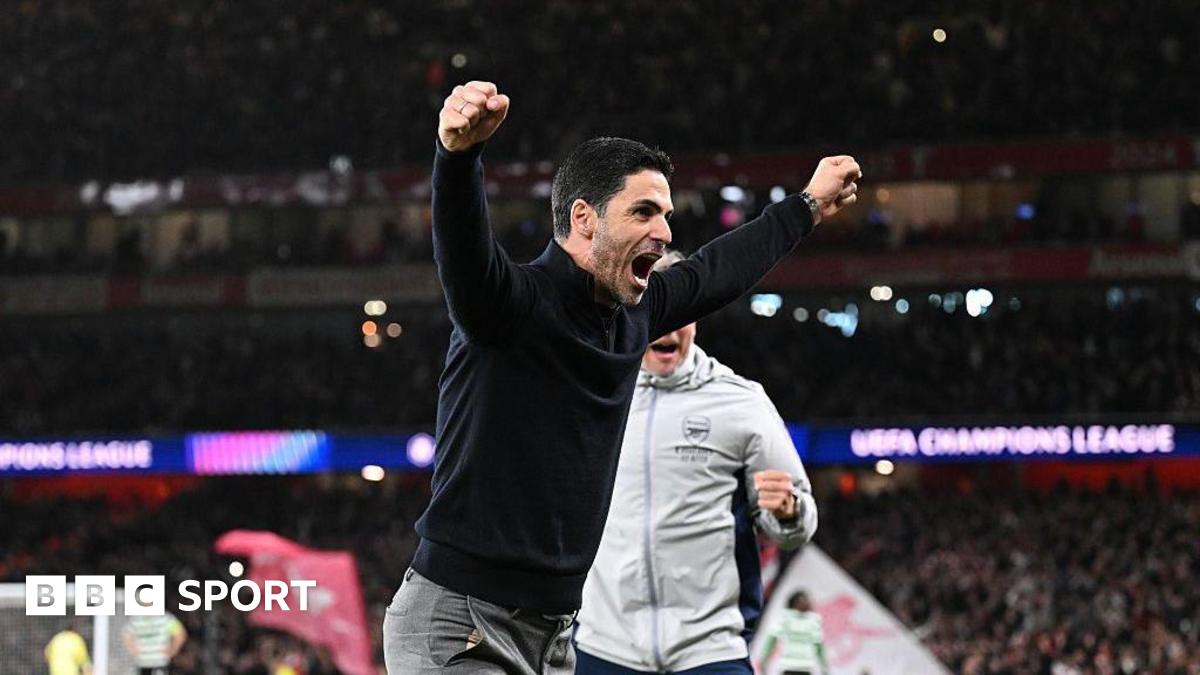
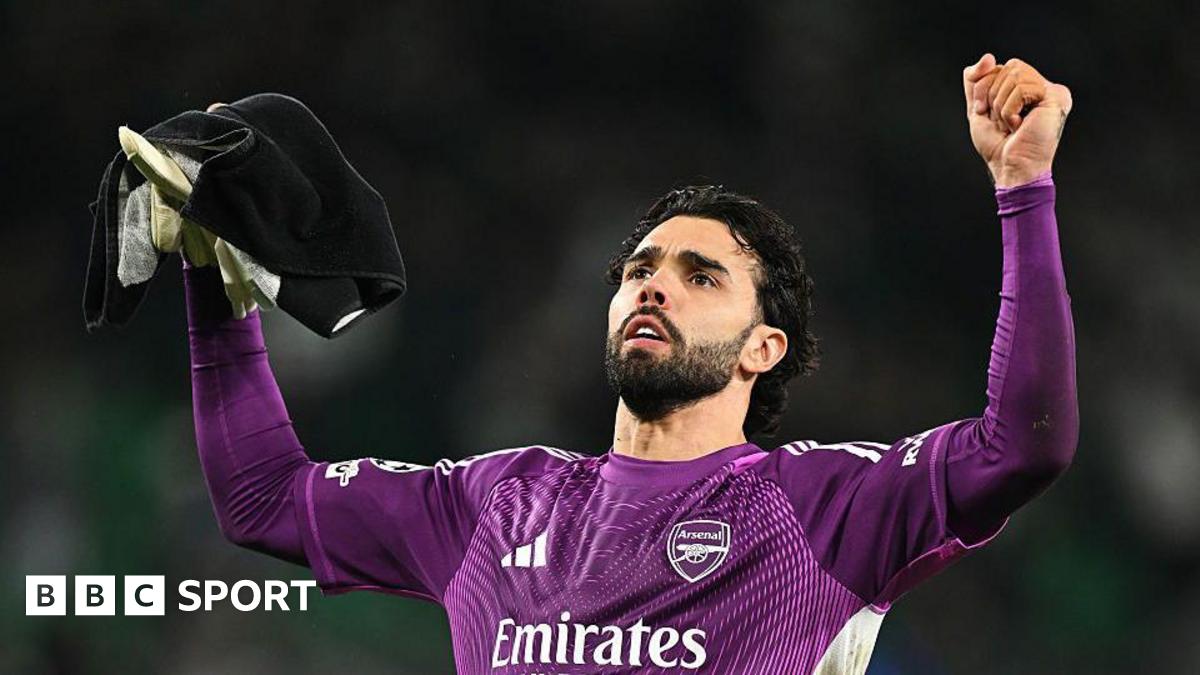
Arsenal are in the Champions League semi-finals. It is a sentence that carries immense weight in North London, a milestone that has eluded this club for a generation. For all the tedious, repetitive debates about their mentality, the reality is right there on the pitch. They survived the grueling quarter-final stage. Now, they are exactly two games away from a final on May 28.
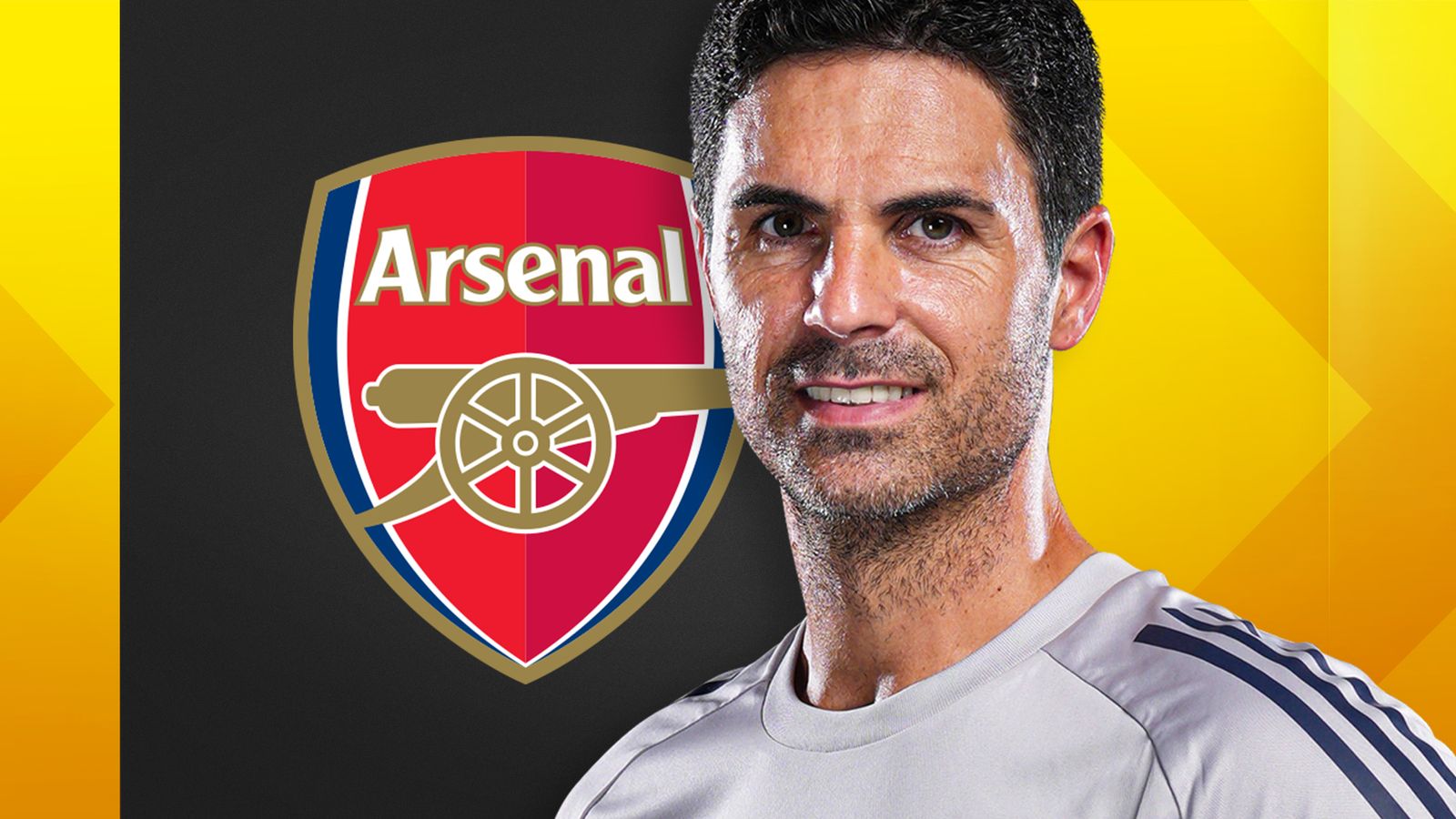
The external chatter, however, has been relentless. Pundits and rival fans alike have picked apart every dropped point in the domestic league, constantly questioning if Mikel Arteta's squad possesses the required ruthlessness for the biggest stage. Every slight stumble is treated as a terminal collapse. Every narrow victory is framed as a lucky escape.
Declan Rice has clearly heard enough. When asked by the Mirror about the constant scrutiny following their progression into the last four, his response was as uncompromising as his tackles.
"Who cares what people think."
It is the exact mindset this squad needs right now. The time for pleasing purists and winning style points is over. Tournament football in late April is about survival, grit, and executing a game plan under suffocating pressure. Rice understands this better than anyone.
The tactical evolution of control
To understand how Arsenal reached this point, you have to look at how Arteta has fundamentally altered the team's DNA over the past ten months. Last season, they were a chaotic, high-octane attacking machine that often left the back door wide open. This year, they are obsessed with control. They prioritize shape over spontaneity, structural integrity over individual brilliance. The transformation is stark.
The pressing triggers are more selective. They no longer sprint like madmen at every backward pass. Instead, they form a mid-block that is incredibly difficult to play through, waiting for specific cues—a poor touch from a center-back, a floated pass out wide—before snapping the trap shut. You can see the meticulous drilling in every shift of the defensive line. They move as a synchronized unit.
This shift toward a more pragmatic, control-oriented system was designed specifically for nights like April 28. In the Champions League knockouts, you cannot simply outscore elite opposition in basketball-style shootouts. You have to be able to dictate the tempo without the ball.
Arsenal have mastered the art of slowing the game down. They kill momentum. They force opponents into wide areas and back themselves to win the ensuing crosses. It is not always beautiful, but it is incredibly effective. It drains the life out of hostile crowds and frustrates attacking players who are accustomed to finding space between the lines.
You simply cannot overstate Rice's influence on this European run. He has single-handedly raised the floor of Arsenal's midfield, transforming a unit that used to look fragile in transition into a formidable wall. When teams attempt to bypass the initial Arsenal press, Rice is the safety net.
His ability to cover ground horizontally is astonishing. We saw it repeatedly in the quarter-finals. Opponents tried to exploit the space behind Ben White when he pushed up, but Rice was already there, sweeping up loose balls and instantly recycling possession. He is not just a destroyer, though. His passing range and ability to carry the ball out of tight areas relieve immense pressure on the backline. When the center-backs are trapped by a high press, Rice drops in, demands the ball, and physically drives the team ten yards up the pitch to break the lines.
Arteta has increasingly deployed him in a slightly deeper, more conservative role during these high-stakes knockout ties. It sacrifices some of his late runs into the box, but the defensive solidity it provides is non-negotiable. He is the glue holding the entire tactical structure together.
The glaring flaw on the left flank
But Arsenal are not a perfect machine, and pretending otherwise is foolish. If you want to find a reason why they might fall short in the semi-finals, look directly at their left side. The rotation between the left winger, the left-sided eight, and the fullback still looks incredibly clunky under aggressive pressure.
Whether Arteta uses Oleksandr Zinchenko, Jakub Kiwior, or Takehiro Tomiyasu, the buildup patterns on that flank often break down when rushed. In the previous round, they turned the ball over in their own defensive third far too often when trying to play out through the left channel.
The spacing was consistently wrong. The passing angles were blocked by smart opposition cover shadows. Against elite European opposition in a semi-final, those turnovers will be punished instantly. You cannot hand free, high-quality transitions to top-tier attackers and expect to survive the tie.
Furthermore, Gabriel Martinelli has frequently found himself isolated. Without a fullback consistently overlapping to draw away defenders, he is repeatedly forced into low-percentage one-versus-two situations. If Arsenal cannot fix the structural issues on the left, their attack becomes entirely dependent on Bukayo Saka producing magic on the right wing. That predictability is a fatal flaw at this stage of the competition.
Surviving the quarter-final gauntlet
Looking back at how they navigated the quarter-finals tells you everything about their current state. It was not a flowing, dominant display. It was an exercise in pure suffering. There were long stretches where Arsenal could not string three passes together.
They were pinned back, forced to defend their penalty area with desperate blocks and last-ditch clearances. Yet, they did not break. The center-back pairing of William Saliba and Gabriel Magalhães was colossal, heading away countless crosses and physically dominating the penalty box. They threw their bodies in front of shots. They cleared the ball into the stands when necessary. There was zero panic.
But the real victory was psychological. Previous iterations of this Arsenal team would have crumbled under that level of sustained pressure. This group dug their heels in and refused to yield. That shared experience of suffering and surviving is invaluable.
It builds a collective resilience that you cannot replicate on the training ground. They now know they can win games even when they are completely outplayed in midfield. They are colder now. They know how to suffer.
The road to April 28
The semi-final first leg looms large on the calendar. Arsenal will take the pitch on April 28 knowing they are in completely uncharted territory for this specific group of players. This is where tactics often take a backseat to raw nerve.
The tactical boards are drawn up, the scouting reports are memorized, but none of it matters if the players freeze under the lights. Can they manage the massive emotional swings of a European semi-final? Can they suffer for twenty-minute spells without the ball without completely losing their defensive shape? Can they silence the crowd and impose their own rhythm on the game when the momentum swings against them?
Rice will be central to answering all of those questions. If he dictates the tempo, wins his duels, and disrupts the opposition's rhythm, Arsenal can control the tie. If he gets dragged out of position and the midfield becomes stretched, the entire defensive structure will collapse.
People will continue to doubt them. The narrative that Arsenal will eventually stumble when the lights are brightest is too deeply entrenched for some critics to let go. They are waiting for the inevitable mistake.
But this version of Arsenal feels fundamentally different from the teams of the past decade. They are significantly more pragmatic. They are willing to win ugly and they have a midfield enforcer who simply does not care about the outside noise.
My prediction for the first leg? Arsenal will not blow the opposition away. They will approach the game with extreme caution, prioritizing defensive solidity over attacking fluidity. They will absorb pressure, frustrate the opposition, and strike efficiently on a counter-attack or a well-worked set-piece.
Expect them to grind out a suffocating, tense 1-0 victory at home, setting up an incredibly chaotic return fixture in May. The purists might hate the performance, and the doubters will say they got lucky again. But Arteta and Rice will not care in the slightest.
Read Next
- Arsenal are about to face their toughest test of the season
- Arsenal sweat on Rice and Saka injury status before Sporting clash
- Arsenal are painfully boring right now, but it might win them Europe
- Arsenal limped into the semi-finals but nobody is celebrating
- 🏴 England World Cup 2026 — Three Lions Hub
- ⚡ UCL Semi-Finals 2026 — Full Coverage Hub