Tottenham in Freefall as Tudor Exits and Vicario Goes Under the Knife
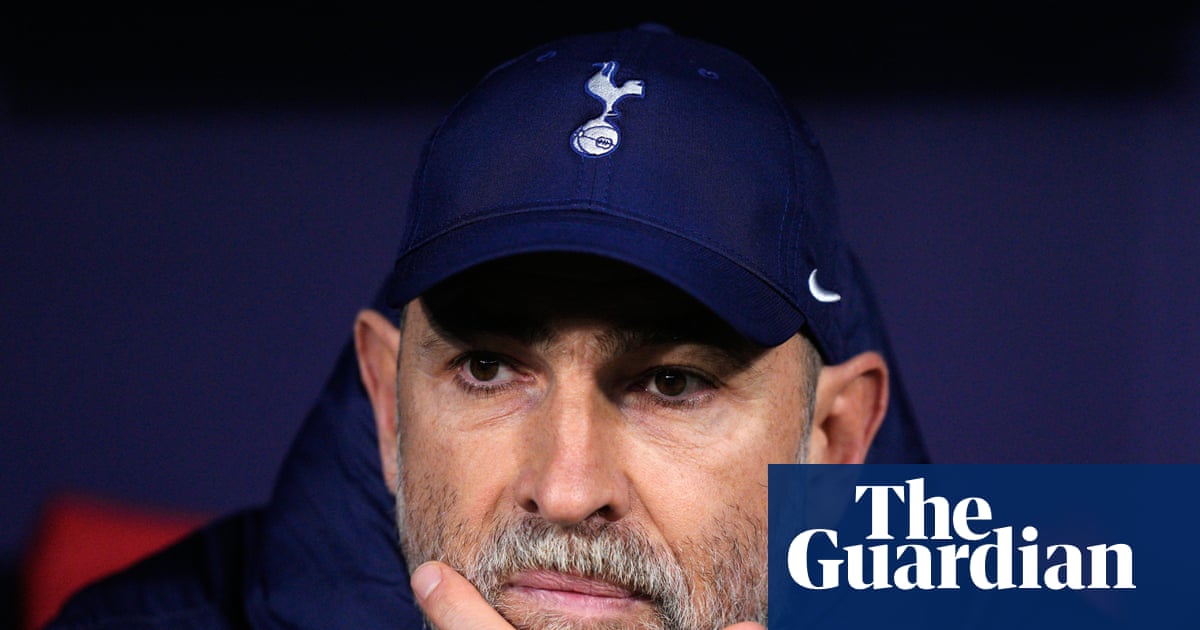
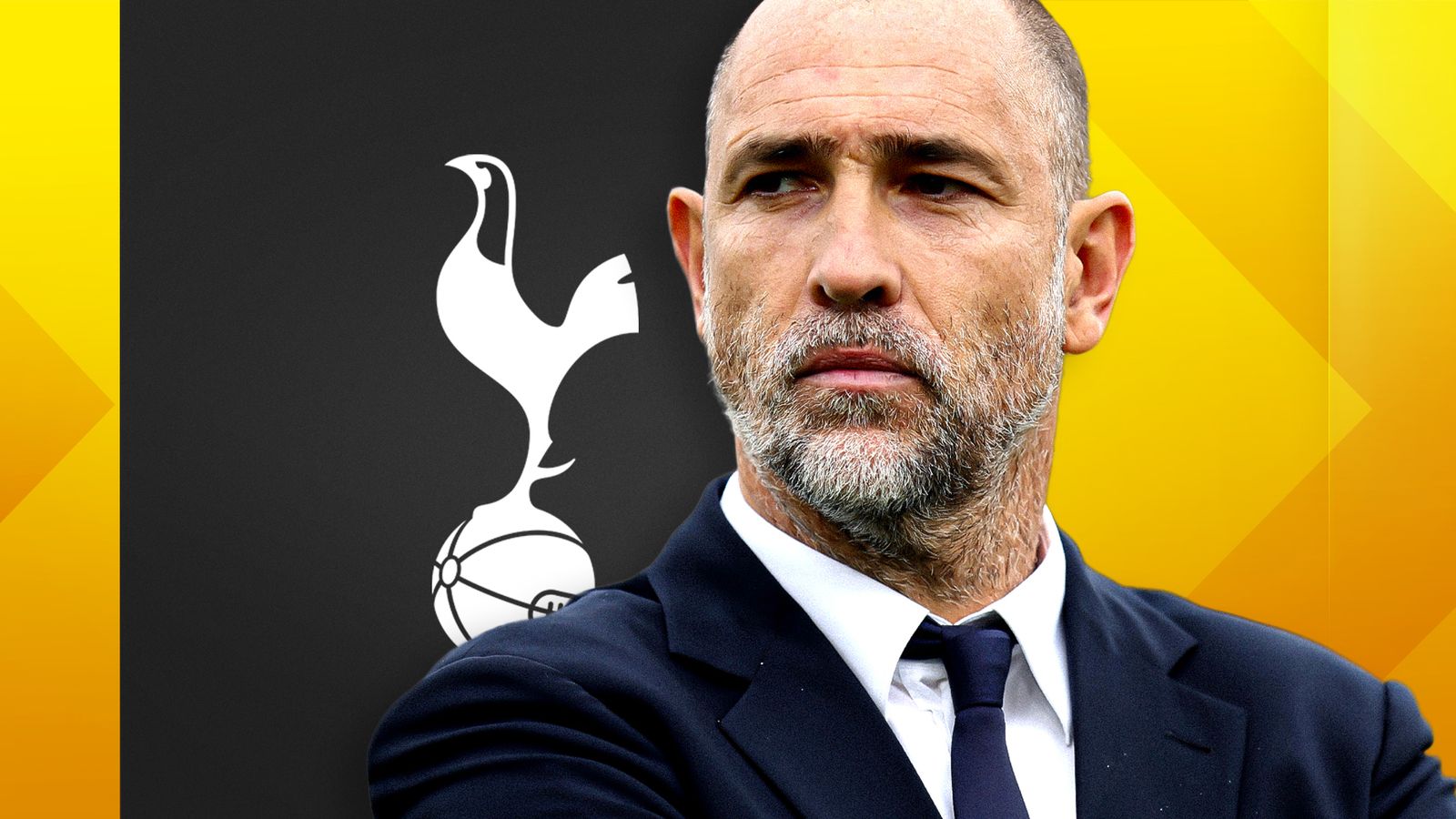
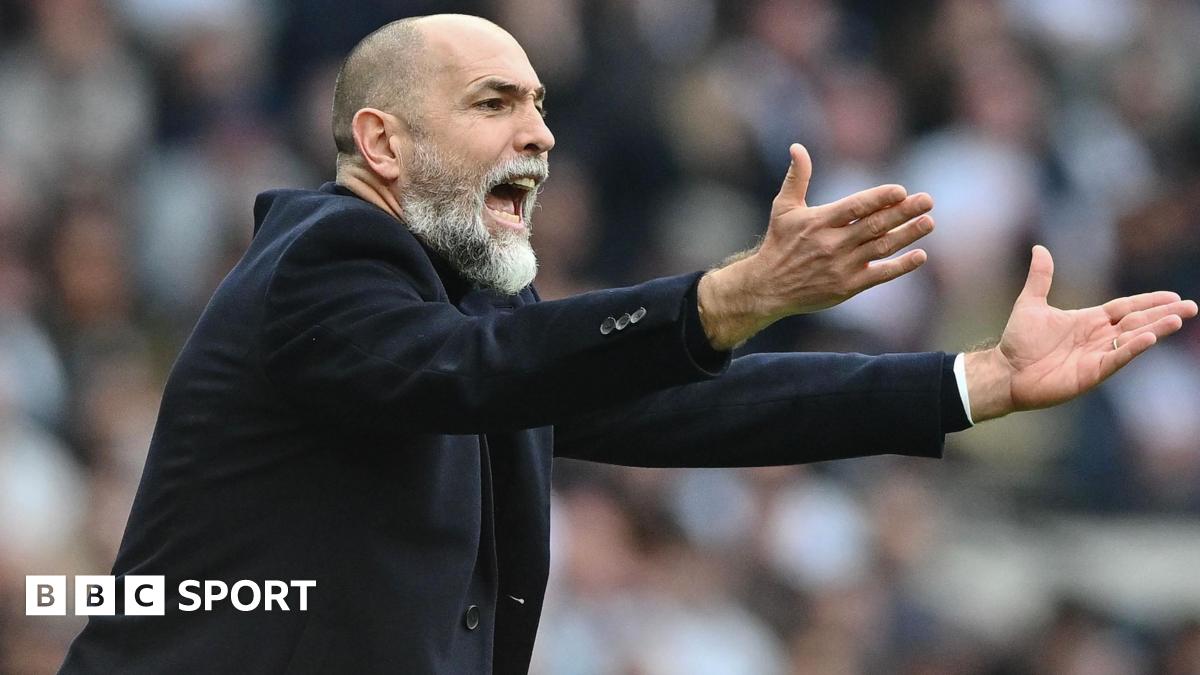
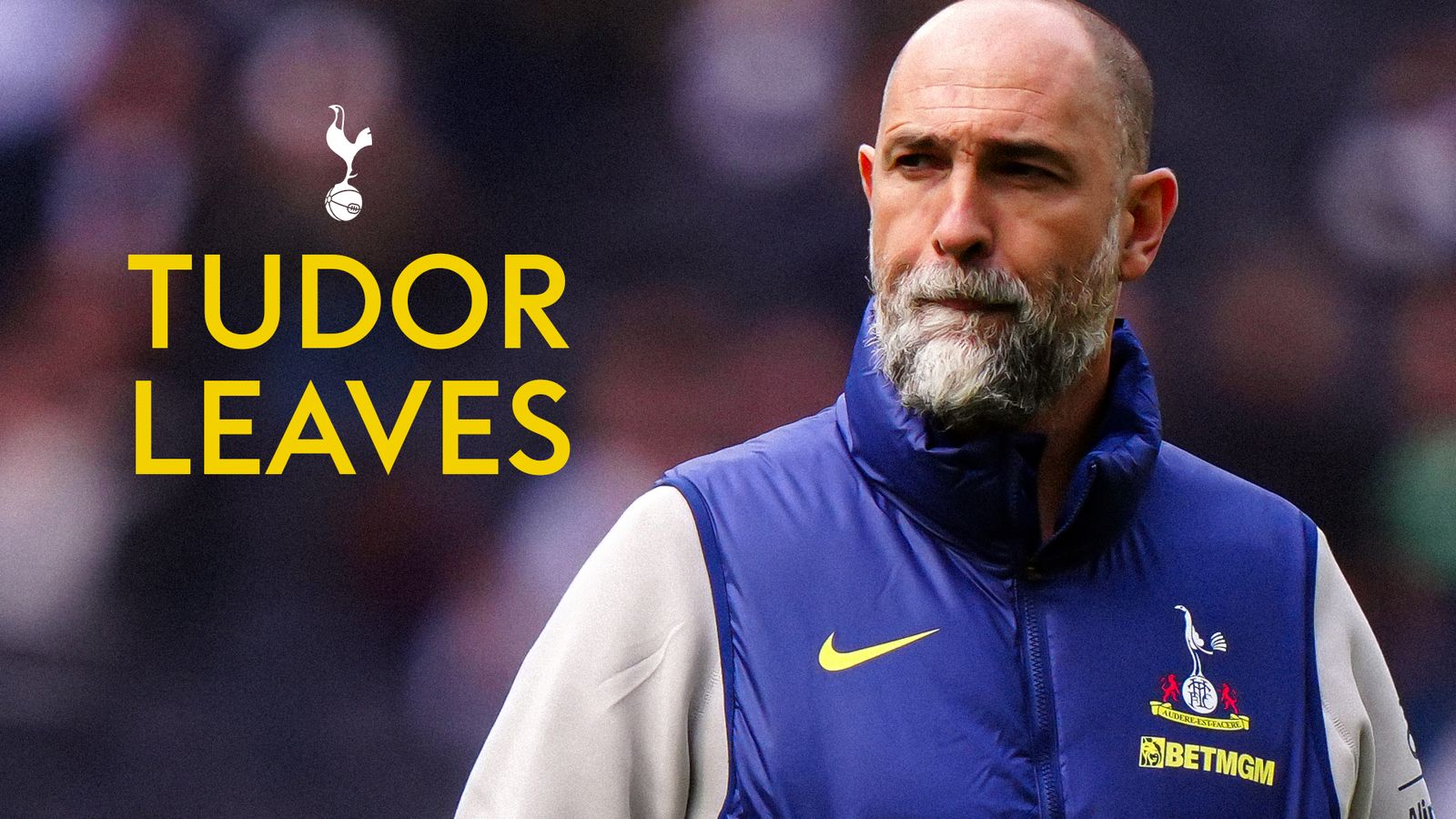
Spurs are a club in total structural collapse. Igor Tudor is gone after just 44 days and five winless matches, but the wreckage he leaves behind in the treatment room is the real story for whoever is brave enough to take the job next.
The club confirmed Sunday that goalkeeper Guglielmo Vicario will undergo surgery for a severe ankle ligament injury. The Italian international suffered the injury during Tudor's brief, chaotic reign, adding a massive medical crisis to the ongoing managerial circus.
He is expected to miss the remainder of the season, leaving a managerless team relying on a 38-year-old backup goalkeeper to salvage their European hopes. It is a disaster of the club's own making, highlighting years of poor squad planning.
The Medical Reality of the Ankle Reconstruction
Ankle ligament reconstructions for goalkeepers are nasty, complicated procedures. The position demands explosive lateral movement and immediate push-off power. Diving from a static position puts immense stress on the anterior talofibular ligament (ATFL) and the calcaneofibular ligament.
When those ligaments tear completely off the bone, rest does not fix the problem. The knife is the only option. Surgeons will likely use bone anchors and sutures to reattach the ligament to the fibula, often adding a synthetic internal brace for stability.
The timeline is brutal. Vicario faces a minimum of 12 weeks before he can safely jump or change direction on grass. He will spend a month in a rigid boot, followed by grueling weeks of restoring basic dorsiflexion in the pool.
For a player who relies entirely on agility, the mental hurdle of trusting the repaired joint is often harder than the physical rehabilitation. Look at Nick Pope's struggles returning from his shoulder surgery, or Manuel Neuer's long road back from a fractured leg. Goalkeepers take longer to trust their bodies again.
He will spend hours doing basic balance exercises before he is even allowed to catch a ball. The push-off power takes months to return fully. If the mechanics are compromised, the player is compromised.
A Complete Tactical Collapse
Vicario's absence completely destroys Tottenham's tactical identity. Over the past three seasons, their defensive structure has relied heavily on playing a dangerously high line. That line relies on recovery pace and aggressive goalkeeping.
That high line only functions when the goalkeeper acts as a sweeper. Vicario consistently averaged nearly two defensive actions outside his penalty area per 90 minutes. He reads through balls, rushes out, and kills counter-attacks before they even register as shots.
Fraser Forster cannot do that. He is a massive presence inside the six-yard box, but he turns like an ocean liner. Opposing analysts will already be highlighting this vulnerability. They will instruct their forwards to play early balls over the top, knowing the goalkeeper will not leave his area.
If the interim manager tries to hold a high line with Forster in goal, it will be a bloodbath. Center-backs Cristian Romero and Micky van de Ven will have to drop ten yards deeper to protect the space behind them. Dropping deeper means conceding midfield control.
When Forster steps in, the entire build-up phase has to change. Vicario is comfortable receiving the ball under pressure and clipping passes to the full-backs. Forster is traditional. When pressed, his instinct is to clear the ball long.
This means Tottenham will surrender possession far more frequently against high-pressing teams. Without that composed first pass from the back, midfielders Yves Bissouma and Pape Matar Sarr will be forced to drop deeper to collect the ball, completely neutralizing their ability to impact the final third.
The Roster Crisis and Recruitment Failure
The drop-off from Vicario to Forster is steep, but the situation behind Forster is downright terrifying. Brandon Austin is 27 years old and has barely played a competitive minute of senior football. Alfie Whiteman is in a similar position.
Tottenham's strategy of keeping academy graduates as homegrown quota fillers instead of developing genuine competition has completely backfired. Elite clubs carry elite depth. Manchester City have Stefan Ortega. Arsenal have a rotation of international-caliber keepers.
Spurs have a veteran nearing retirement and two unproven reserves. If Forster pulls a hamstring taking a goal kick, Austin has to start a Premier League match with European qualification on the line.
It is sheer negligence from the recruitment department. They spent heavily on forward players over the last few windows, completely ignoring the fact that their backup goalkeeper situation was a ticking time bomb. The bomb just went off.
The Tudor Wreckage
This injury crisis cannot be separated from the disastrous appointment of Igor Tudor. Tudor lasted exactly seven games. He leaves by mutual consent, which is a polite corporate term for a catastrophic marriage both sides recognized as a mistake almost immediately.
His high-intensity training sessions mid-season took a heavy toll on a squad already running on fumes. Asking players to completely alter their physical output in February and March is a guaranteed recipe for severe injuries. The muscle fatigue was visible on the pitch.
Tudor’s brief tenure featured some of the most disjointed football seen in North London in years. The Croatian manager tried to implement a rigid man-marking system across the pitch. It requires supreme cardiovascular fitness and months of tactical drilling.
Implementing it mid-season was tactical suicide. Players were caught out of position, chasing shadows, and over-extending themselves to cover gaps. The treatment room at Hotspur Way is now standing room only. Tudor walks away with a payoff, and the club is left paying the medical bills.
A Grim Run-In
Immediate impact: Tottenham face a brutal April schedule. They have to navigate the rest of the Premier League season without their most reliable defensive piece. Short-term, Forster will have to play every single minute of every remaining fixture.
Teams fighting for survival at the bottom of the table will look at Tottenham's lineup and smell blood. They will pump crosses into the box to test Forster's mobility, and they will hit balls into the channels to expose the deeper defensive line.
Long-term, this ruins Tottenham's summer transfer plans. They desperately needed to spend money on a central midfielder and another wide forward. Now, a significant chunk of their budget might have to go toward signing a reliable goalkeeper.
You cannot trust Vicario to be fully sharp by the start of pre-season in July. History proves that ankle reconstructions require careful load management. Rushing him back would only invite a secondary injury.
Spurs fans are looking at the table and doing the math. The Champions League spots are slipping away. The Thursday night slog of the Europa League looks more likely, and even that isn't guaranteed if their form doesn't improve drastically.
The financial blow of missing Europe would be severe. The wage bill requires European revenue. Falling out of the top six entirely would mean restricted spending in a summer window where a massive squad overhaul is desperately needed.
The decision-makers in the boardroom have to wear this failure. Appointing Tudor mid-season was a massive gamble that blew up in their faces in just 44 days. Now, they are managerless, missing their star goalkeeper, and staring down the barrel of a ruined season.