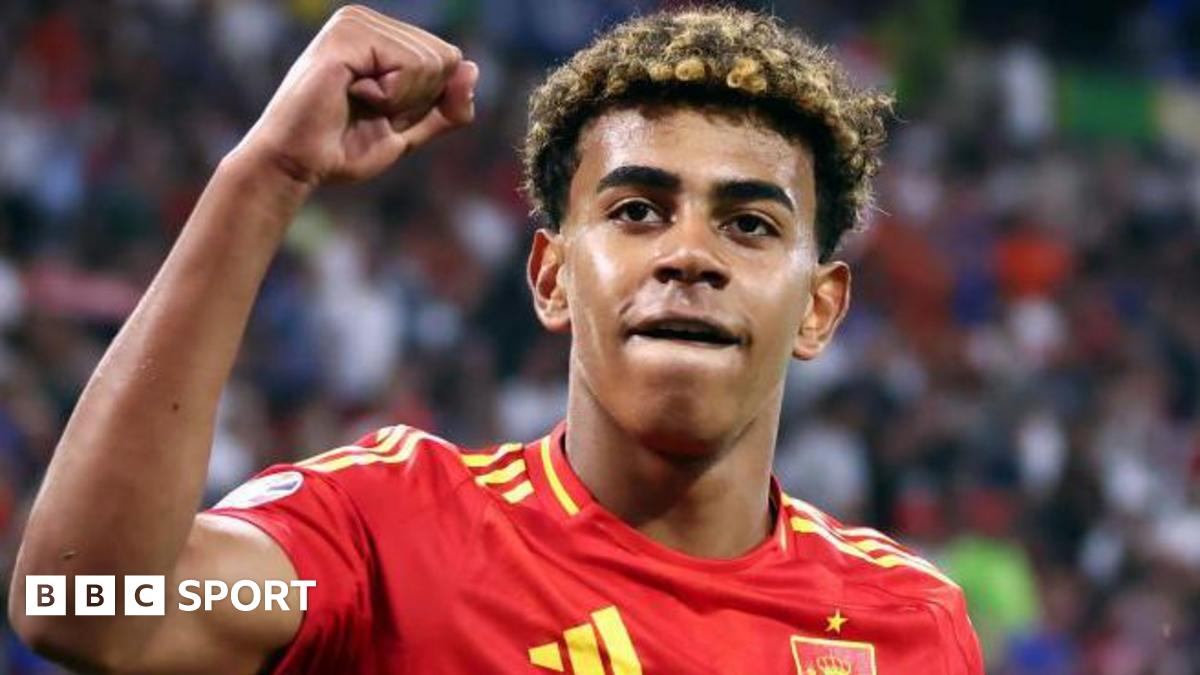
Spain’s Euro 2026 title defense hinges on tactical evolution, not repetition
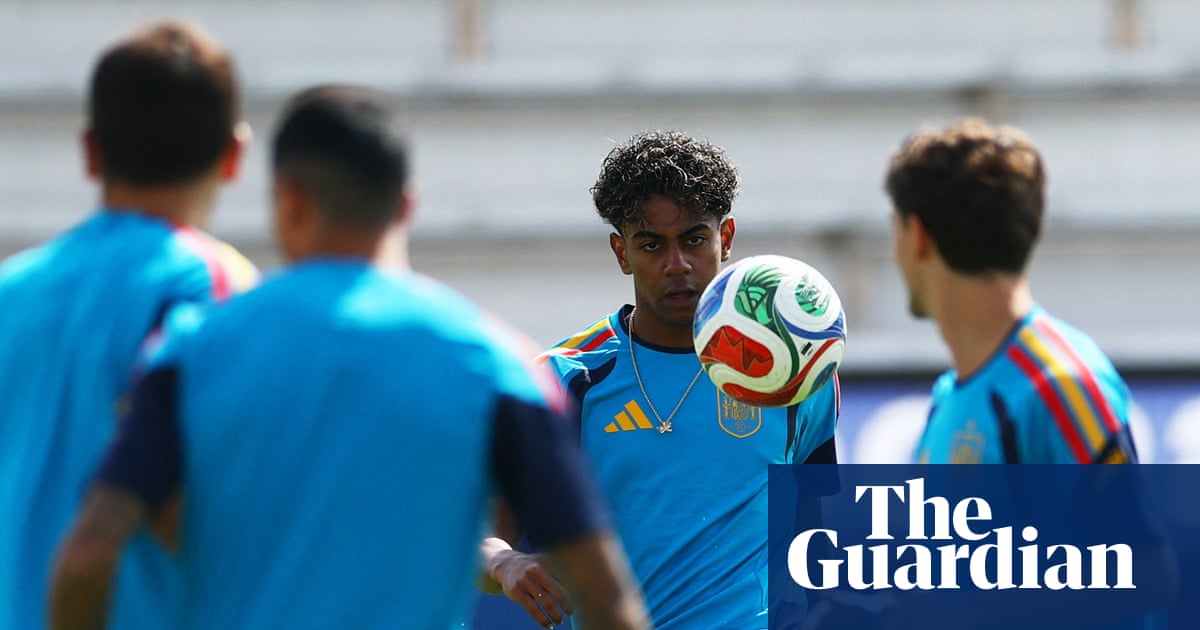
The trap of nostalgia in tournament cycles
As the European Championship cycle turns once more, the Spanish national team finds itself in the strange position of being the hunted rather than the hunter. Following their victory on 15 July 2024, the atmosphere within the camp is one of quiet, methodical confidence. When players suggest the squad is the same as it was during the last tournament, they are indulging in a psychological safety blanket. The reality on the pitch shows a different story of tactical refinement.
International football is rarely a static pursuit. To suggest that a team is identical two years later is to ignore the attrition of squad rotation and the natural decline of veteran profiles. While the core tactical identity remains, the implementation has had to shift to counter the inevitable adjustments made by opponents who have spent twenty months dissecting the 2024 final. Relying on the ghost of a previous success is a common pitfall that often leads to stagnation.
Tactical rigidity and the 2026 challenge
Watching film from the qualification matches, one sees a team trying to balance the possession-based framework established by Luis de la Fuente with the increasing speed requirements of the modern game. In the 2024 tournament, Spain thrived on quick transitions from wide areas. The wingers provided verticality that stretched high-pressing backlines to their breaking point. That success created a blueprint that every team in Europe now keeps in their locker room.
As The Guardian reported, the mood in the camp maintains an insistence on continuity. Yet, consistency in philosophy does not excuse a lack of tactical diversity. When teams know exactly where the pass is going, the pitch shrinks. If Spain expects to repeat their heroics, they must introduce variations in their buildup play that move away from the predictable wide play that defined their 2024 run. The 1.30am celebratory mood of 2024 is a distant memory now that the pressure of favorites rests heavily on their shoulders.
We’re the same as we were then.
The quote from camp captures the sentiment, but it also highlights the potential risk. If the coaching staff relies on the exact same pressing triggers and defensive lines as they did in Germany, they will find their opponents far better prepared. Effective tournament strategy requires a slight pivot in defensive depth; allowing opponents to dictate the space in the final third—even slightly—can be fatal against faster, younger teams entering their prime.
The cost of the favorite tag
Being the holder of the Henry Delaunay trophy comes with a quantifiable disadvantage: nobody underestimates you anymore. In 2024, Spain could catch teams off-guard with their pace and direct movement. Today, they are the standard-bearers. Every opponent will now look to exploit the space behind the fullbacks much more aggressively than they did previously.
There is a concern that this Spanish side is becoming too predictable under duress. During defensive transitions, the gap between the defensive line and the midfield pivot was occasionally exposed in recent friendlies. If they concede more than 1.5 xG against organized counter-attacking units, the tournament will end early. Confidence is essential, but the gap between repeating a success and falling into a trap of complacency is razor-thin.
- Lack of clear transition from the 2024 wing-heavy style.
- Over-reliance on established hierarchies rather than blooding new depth.
- Visible defensive gaps during full-back overlapping sequences.
The upcoming fixtures will show whether this group can balance their established identity with the necessary evolution of personnel. If they continue to insist on being the same team as 2024, they will be outmaneuvered. The history of European football is littered with champions who refused to change until it was far too late to compete for the trophy.
Read Next
- Germany show tactical fragility in underwhelming Curacao tie
- Scotland’s historic win exposes England's tactical fragility
- Brazil's World Cup opener against Morocco is a tactical minefield
- Switzerland’s clinical efficiency outweighs Qatar’s defensive structural gaps
- 🇪🇸 Spain World Cup 2026 — La Roja Hub
Adidas Unisex-Adult Tiro 23 League Training Jersey
Look sharp, stay cool, and own the pitch just like your favorite Premier League
Frequently Asked Questions
What is the primary risk Spain faces in the 2026 tournament?
How have opponents prepared for the Spanish national team?
Why must Spain change their 2024 tactical approach?
What tactical adjustment is required for success in 2026?
What makes being the title holder a disadvantage?
More Coverage

Germany’s 7-1 demolition of Curacao was a fever dream of defensive chaos
59 minutes ago
Eberechi Eze will be the heartbeat of England's World Cup quarter-final win
59 minutes ago
Top 10: Defining Moments in Spanish Football History
an hour agoGermany show tactical fragility in underwhelming Curacao tie
3 hours ago
Jurgen Klopp is already setting the football world on fire from the broadcast booth
6 hours ago
Why the math nerds are betting on the Dutch for 2026
6 hours agoMore Analysis
Spain’s final friendly was a tactical disaster masquerading as a test
1 week, 2 days ago
Spain's ugly reality goes beyond the 0-0 draw with Egypt
2 months, 1 week agoSpain’s youth movement is the scariest thing at the 2026 World Cup
2 weeks, 6 days agoSarina Wiegman faces a tactical crossroads against Spain
1 week, 2 days ago
England's tactical collapse against Spain reveals deeper systemic failures
1 week, 1 day ago