
Empty seats are better than empty apologies in modern football
The police chief vs the executive board
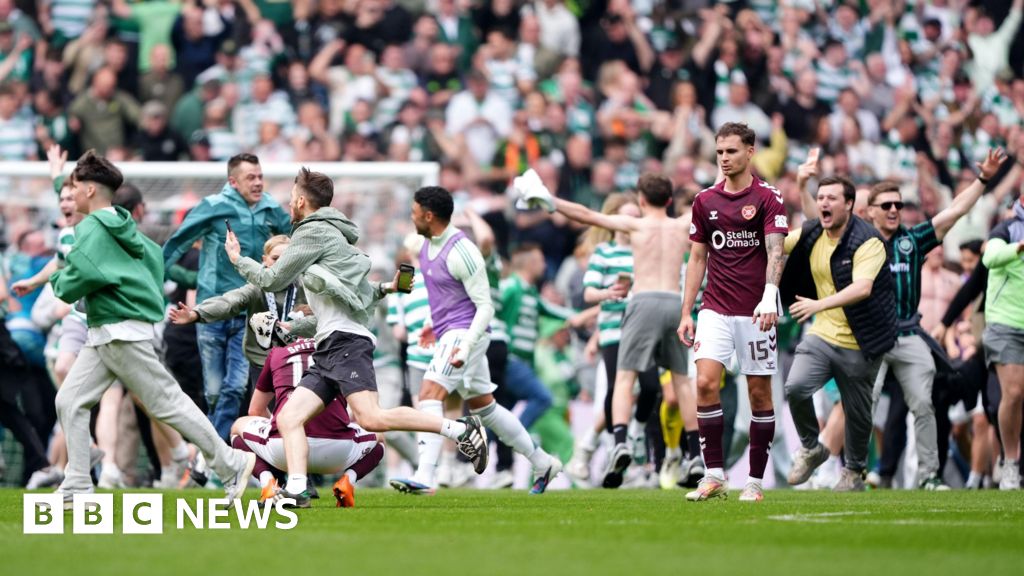
Chief Constable Jo Farrell recently articulated a reality that the governing bodies have spent years avoiding. Fan violence is currently being treated as an inevitable tax on the match-day experience rather than a systemic failure requiring real intervention. When a police leader explicitly highlights that clubs are shrugging off violent conduct, we have reached the point of institutional negligence.
The current approach relies on fines that barely register on a Premier League balance sheet. If a club is disciplined for supporter behavior, the fine is often a fraction of the wages paid to a backup goalkeeper. It creates a perverse reality where safety becomes a rounding error in the quarterly budget. We need to move toward tangible sporting consequences to force these boards to do their jobs.
The mechanism of accountability
If we are to curb the rising tide of stadium disorder, the disciplinary framework must shift from the wallet to the standings. Imagine points deductions applied for repeat offenses related to crowd safety or organized violence. You would see a rapid shift in the stance of fan engagement officers and security protocols within the hour.
Currently, the responsibility is diffused. Clubs hide behind the complexity of identification, yet they possess the biometric and surveillance technology to track high-value ticket holders with surgical precision. If it were a commercial rights infringement, the litigation would be processed by next week. Because it involves the safety of the match-going public, the urgency vanishes.
The distraction of the calendar
We see this disarray reflected in how the industry prioritizes its narrative. While policing bodies warn of widespread disorder, the media machine keeps grinding out irrelevant content. The BBC dropping their end-of-season awards on the morning of the 2026 Champions League final is a symptom of a detached executive culture.
They treat the sport as a product to be consumed in convenient, pre-packaged segments rather than as a volatile, lived experience. The timing of those awards, essentially ignoring the tension of the final, reinforces the notion that the authorities are not paying attention to what truly happens on the ground. A tournament final is not an awards ceremony; it is a pressurized environment that requires focus from providers and fans alike.
Tactical stagnation and security failures
This organizational blindness extends to what we see on the pitch. When tactical discipline collapses, managers usually take the fall. Why should the standard for club management be any different concerning the crowd? If the coaching staff is measured on xG performance and pass completion rates, the front office must be measured on the maintenance of the stadium as a safe space.
We are fourteen days away from the kickoff of the 2026 World Cup. The global spotlight is about to intensify, yet we are still debating whether clubs have the motivation to police their own stands. Any failure to address this before the international window opens in June will be an indictment of every governing organization involved.
The transition of key personnel, such as the recent departure of Anthony Gordon to Barcelona, shows how the industry manages moving parts with extreme efficiency when the objective is profit. They identify, negotiate, and execute a 45 million pound transfer with clinical speed. Yet, when asked to manage the volatile behavior inside their own stadiums, they claim the task is too complex or lacking in precedent. The inconsistency is galling. The game requires a firm hand, not a performance review from the league offices.
Ruffneck Scarves USA Soccer Scarf - National Team Scarf
The essential accessory for every fan heading to World Cup 2026.
Frequently Asked Questions
Why are current fines for football fan violence considered ineffective?
What measures could force clubs to improve stadium safety?
How are clubs currently avoiding responsibility for fan violence?
What is wrong with the way football authorities handle match-day security?
Why does the author criticize the timing of the BBC end-of-season awards?
More Coverage

Top 10: The Definitive Arsenal Moments of the 2025/26 Season
28 minutes ago
Newcastle are burning the furniture to keep the house warm
an hour ago
Manchester City's business model is frankly terrifying
an hour ago
Brentford midfield hit by late-season injury setback
an hour ago
Arsenal’s Champions League final run is pure Arteta obsession
2 hours ago
Arsenal’s title win has changed the math for London football
3 hours agoMore Analysis
Non-league chairmen need to stop acting like they are in a Guy Ritchie movie
1 month, 2 weeks ago
Leeds United's discipline crisis is becoming a recurring circus
2 months, 1 week ago
Scottish football is a powder keg and the authorities are finally waking up
1 day, 3 hours ago
Fenerbahçe's away day at Nottingham Forest sparked a toxic fan civil war
2 months ago
Football's boardroom incompetence exposed by the Farage stadium tours
2 months ago