The Diagnosis on Thomas Tuchel's England
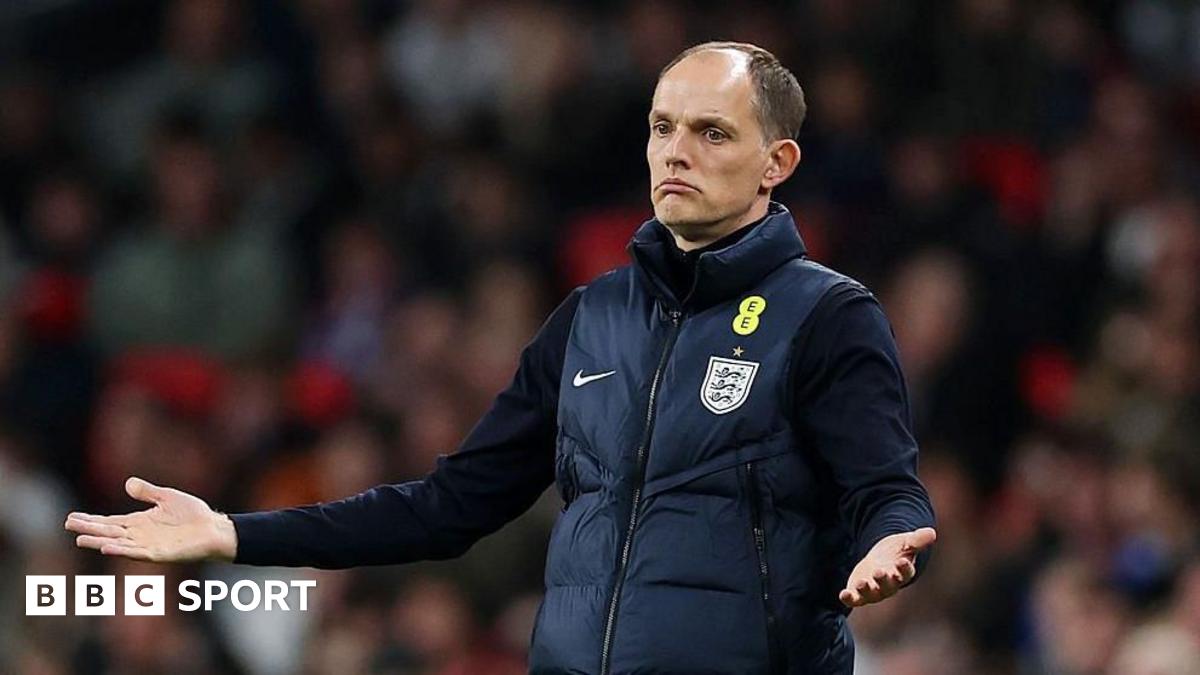
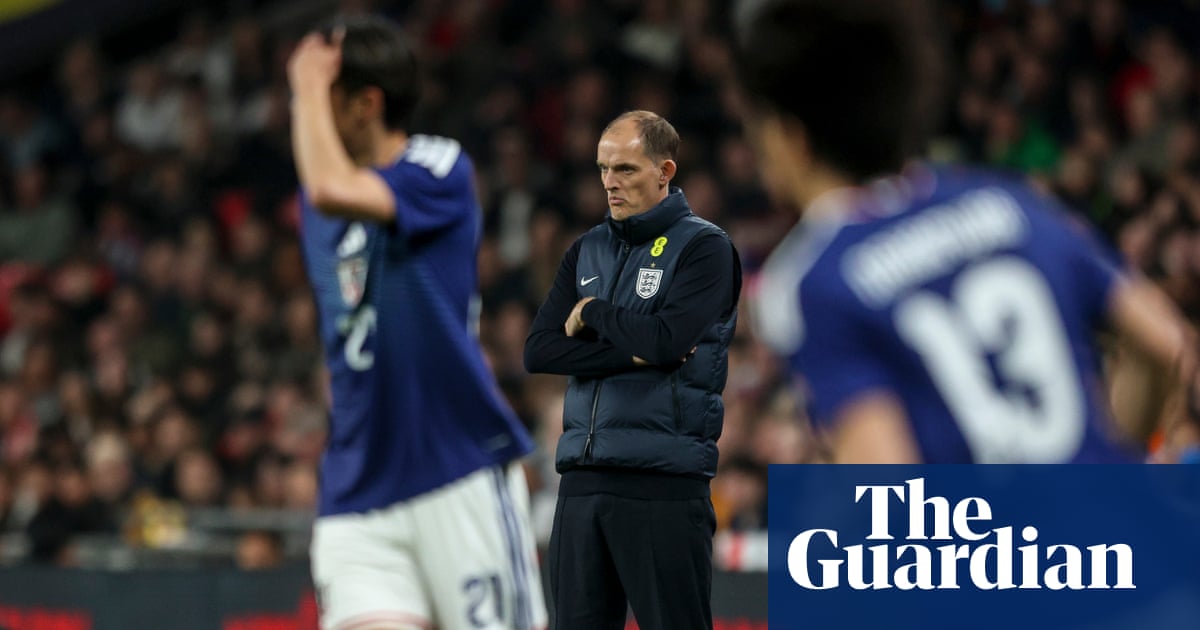
The honeymoon is over for Thomas Tuchel. With the FIFA World Cup kicking off in exactly 77 days, the reality of international management is setting in. You can design the best tactical system, but it means nothing if your key players are on the treatment table.
Roy Keane recently pointed out the glaring flaws in this current national setup. Speaking on his podcast appearances, the former Manchester United captain highlighted exactly where the squad is "not good" enough to compete with elite nations. He is entirely correct.
While Keane focuses on mentality and application, the medical reality is far more alarming. England is facing a structural crisis in defense. The fullback positions, essential to Tuchel's preferred tactical setup, are an absolute mess of scar tissue and recurring muscular strains.
We are no longer waiting for match fitness. We are entering the danger zone where rushed recoveries lead directly to secondary injuries.
The Chronic Case of Reece James
Reece James remains the most frustrating medical case in English football. When fit, he is arguably the most complete right-back on the planet. The problem is that "when fit" has become a mythical state.
James has been plagued by chronic hamstring issues for three consecutive seasons. The hamstring complex is highly sensitive to the explosive, repetitive sprinting required of a modern wing-back. Every time he accelerates down the right flank, the eccentric load on those muscle fibers is immense.
Conservative rehabilitation failed him in the past. Even after surgical intervention to repair torn fibers, the surrounding musculature often compensates. This leads to issues in the calves or the opposite leg. The biomechanical stress simply shifts to a new breaking point.
Tuchel knows this better than anyone. He managed James at Chelsea and built his Champions League-winning system around the defender. Now, he has to plan for a summer tournament without him.
The timeline for James is strictly short-term survival. Playing every four days in North America is a recipe for a Grade 3 tear.
Without James, England loses their primary ball-progressor on the right. Trent Alexander-Arnold offers elite distribution, but lacks the raw physical dominance to lock down elite wingers like Vinicius Junior in 1v1 defensive transitions.
The Left-Back Void
If the right side is a headache, the left side is a full-blown migraine. Luke Shaw has been dealing with severe muscular injuries that have repeatedly decimated his availability.
Shaw's medical chart reads like a textbook on soft tissue failure. Calf strains, hamstring tears, and general muscular fatigue have ruled him out of critical fixtures. The left-back position requires continuous high-intensity running. Shaw's body has repeatedly broken down under the load.
When you suffer a significant calf injury, the fascial tissue loses its elasticity. Rushing back before the tissue has fully remodeled leads to micro-tears. We have seen this with Shaw over the last 18 months. He returns, plays three matches, and limps off holding his leg in the 60th minute.
Tuchel relies heavily on asymmetrical build-up play, often using one attacking fullback and one inverted fullback. Shaw is the only natural, elite left-footed option capable of providing width.
Without a natural left-back, England is forced to play a right-footed player like Kieran Trippier out of position. This kills the attacking angles down the left flank. Wingers are forced to check back inside. This slows down the transition and allows the opposition defense to reset.
The Center-Back Conundrum
The injury crisis is not isolated to the flanks. The heart of the defense is equally problematic. John Stones is another player whose brilliance is constantly overshadowed by his fragility.
Stones operates as a hybrid defender and midfielder. The physical toll of covering the ground required in modern systems often leaves him sidelined with adductor or hip flexor issues.
The adductor muscles are put under extreme tension when a center-back rapidly changes direction. Stones has missed significant stretches of domestic football due to these strains. Without him, England loses their entire buildup structure.
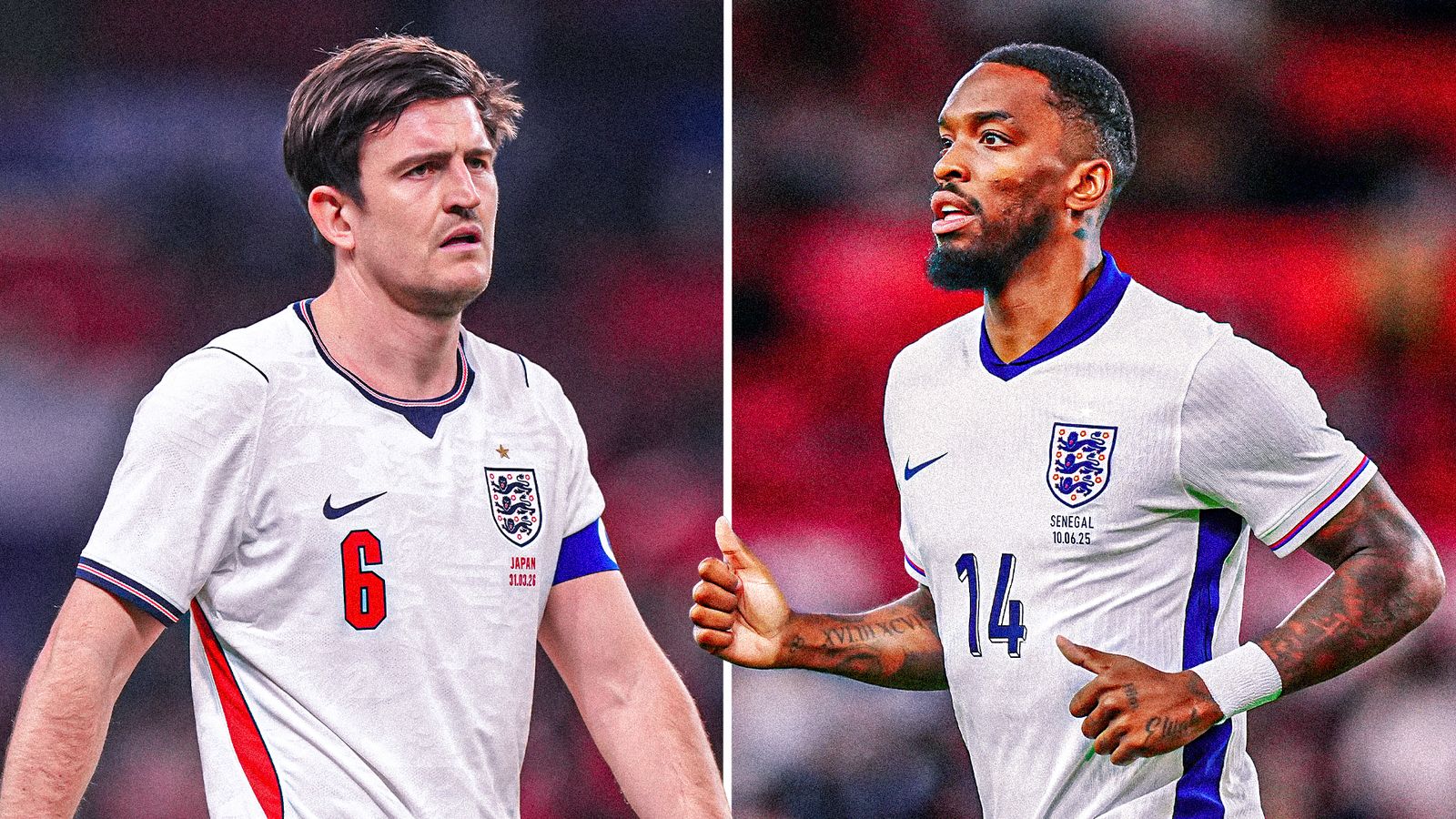
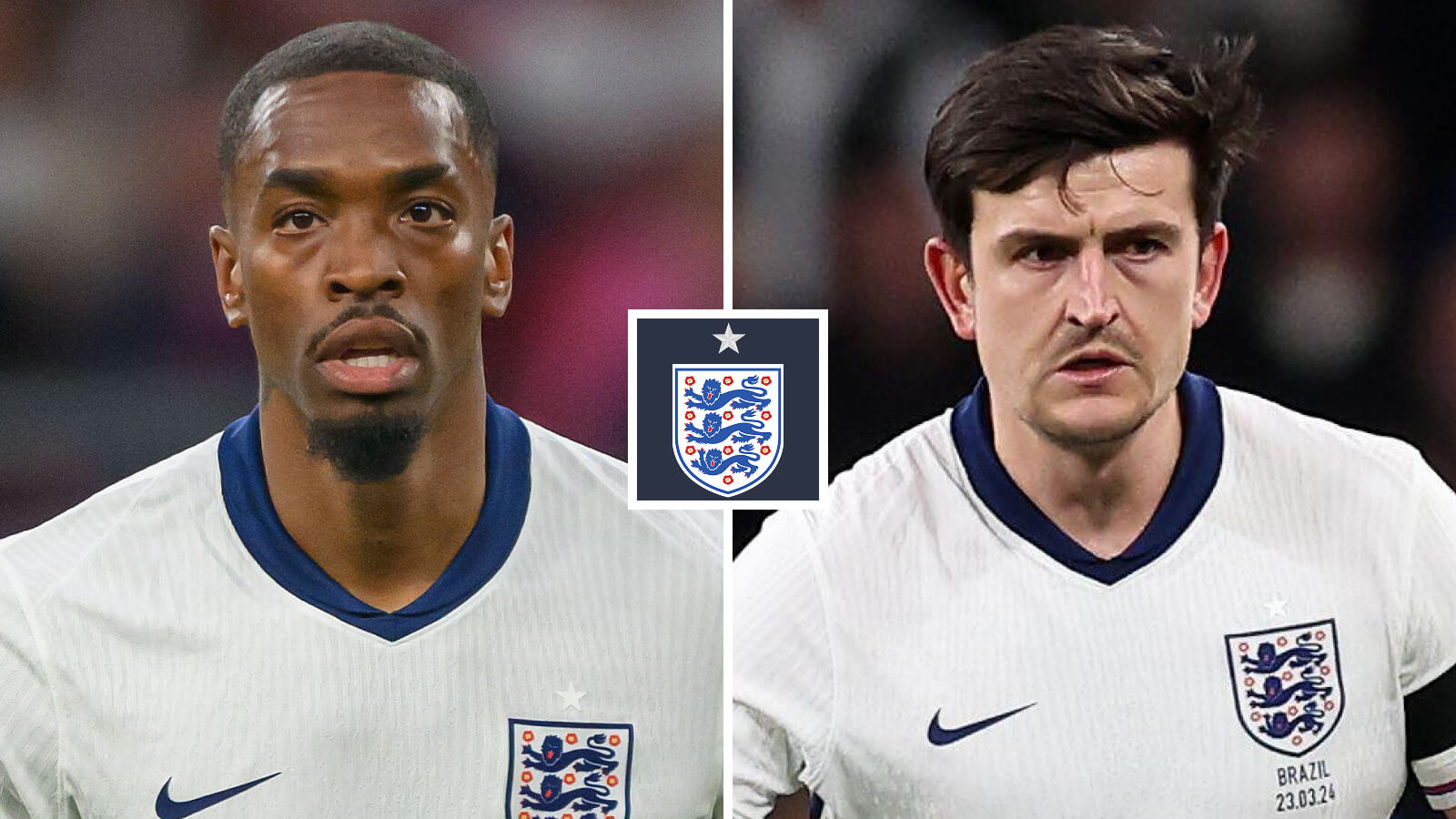
Then there is Harry Maguire. While historically durable, Maguire has recently begun suffering from muscle fatigue. Calf problems have become far more frequent.
When you pair a physically declining Maguire with a constantly injured Stones, the structural integrity of the team collapses. Tuchel is forced into playing Marc Guehi or Ezri Konsa. They are excellent defenders, but lack the massive international tournament experience of the established starters.
This feeds directly into Keane's criticism. The depth is not there. Opposing teams know this and will press England's backup center-backs relentlessly.
The Medical Marvel Contrast
The frustration surrounding England's fragile defenders is amplified when you look at the durability of other top-tier stars. Take Mohamed Salah, for example.
Salah is currently the center of a massive media storm regarding his impending exit from Liverpool. Jamie Carragher wants a massive Anfield send-off, but Roy Keane openly poured cold water on the idea.
As reported by the Mirror, Keane warned that the situation could sour quickly if the club and player mismanage the PR fallout.
"It can turn nasty."
From a purely medical perspective, Salah is a freak of nature. He rarely misses a game. His injury record over the last seven years is pristine. He logs over 3,500 minutes every single season without suffering the muscular breakdowns that plague James and Shaw.
This is due to strict biomechanical management, elite dietary discipline, and a playing style that minimizes explosive deceleration. Salah glides; he doesn't grind. Tuchel would give anything for a fraction of Salah's durability.
The Locker Room Fallout
Managing the psychology of an injured squad is incredibly difficult. Players talk, and a culture of anxiety can quickly set in when teammates constantly break down.
The media circus amplifies the pressure, with pundits dissecting every limp and grimace. Even lighthearted moments, like Rory McIlroy sending signed Masters flags to the Stick to Football crew, highlight the intense spotlight.
McIlroy recently sent the gifts to Gary Neville, Ian Wright, and Carragher after previously gifting one to Keane. It reminds us that these athletes and pundits operate in a highly visible bubble.
When a player like James or Shaw breaks down again, the entire nation analyzes the failure. The pressure on the medical staff at St. George's Park is immense. They are caught between demanding club managers and a desperate national boss.
Final Assessment and Timeline
As we approach the final two months before the tournament, the medical staff must draw a hard line. Any player not completing full-contact training by mid-May cannot be on the plane.
The short-term focus must be entirely on preservation. No more experimental treatments or rushing players back for meaningless pre-tournament friendlies. If muscle scans show fluid or inflammation, the player sits.
England's chances hinge directly on the fitness of their defense. The current outlook is grim. Tuchel has to prepare his tactical shape based on the assumption that neither James nor Shaw will be available for a full 90 minutes.
Keane is right to point out the flaws. The squad is fragile and vulnerable to high-intensity pressing. Unless the medical team pulls off a minor miracle, England will be exposed on the flanks.
Read Next
- England fans are already melting down over Tuchel's Uruguay friendly
- Why Thomas Tuchel's fitness demands will fix England's World Cup curse
- England's left-back crisis is Thomas Tuchel's biggest World Cup headache
- Thomas Tuchel is about to make Cole Palmer the center of England's universe
- 🏴 England World Cup 2026 — Three Lions Hub