The Great Fitness Gamble
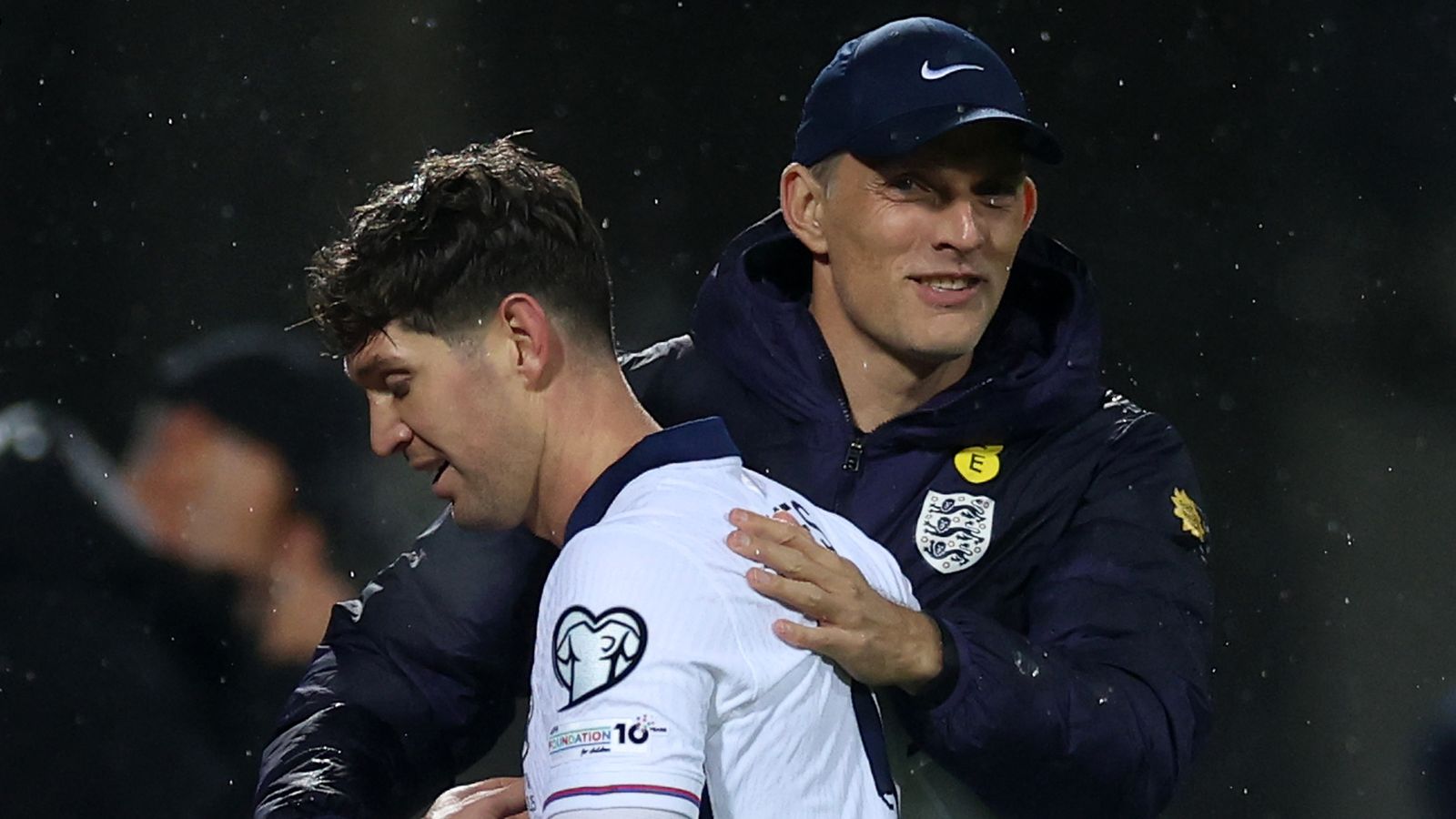
Thomas Tuchel has thrown the medical manual out the window. The England manager named his 26-player squad yesterday, and it represents a high-stakes fitness gamble that will define his entire international tenure. While fans expected a routine roll call of elite talent, Tuchel delivered a major shock by leaving out two of the country's most gifted attackers while loading his defensive ranks with players who have spent more time in the treatment room than on the pitch.
The announcement itself was a complete disaster. The FA’s technical stream crashed under the weight of anticipation, leaving fans staring at an error screen stating "Message timed out. Too many requests." It was a fitting start to a squad selection that has thrown the entire English football environment into absolute chaos just 19 days before the tournament kicks off in North America.
Wayne Rooney wasted zero time going public with his disagreement, claiming Tuchel made massive errors in his selections. But the real firestorm is centered around the medical staff's ability to keep this squad functional. Tuchel is betting the house on players with highly fragile hamstrings, calves, and knees while leaving fully fit superstars at home. As Sky Sports raised questions about the team's defensive durability, the pressure on the medical department has reached boiling point.
Stones and the Central Defensive Void
The headline of this medical gamble is John Stones. The Manchester City defender has endured a miserable, injury-plagued season that severely restricted his playing time. Stones has battled a succession of thigh, muscle, and calf problems that kept him sidelined for months. His club season was a disjointed mess, culminating in a calf injury during the March international break that forced him to withdraw from the England squad early.
Though Stones returned to training in mid-May, the 31-year-old has played almost no competitive football in the second half of the campaign. Carrying a defender with zero match sharpness and a history of soft-tissue breakdowns into a tournament where games come every four days is a major risk. If Stones' calf flares up again, England's central defense is instantly hollowed out, leaving them relying on emergency options.
Tuchel’s decision to carry Stones ignores basic sports science. Soft-tissue injuries have a recurrence rate of over twenty percent in elite football when players are rushed back without a competitive ramp-up. If Stones pulls up lame, the manager will face immediate backlash.
The Right-Back Tightrope
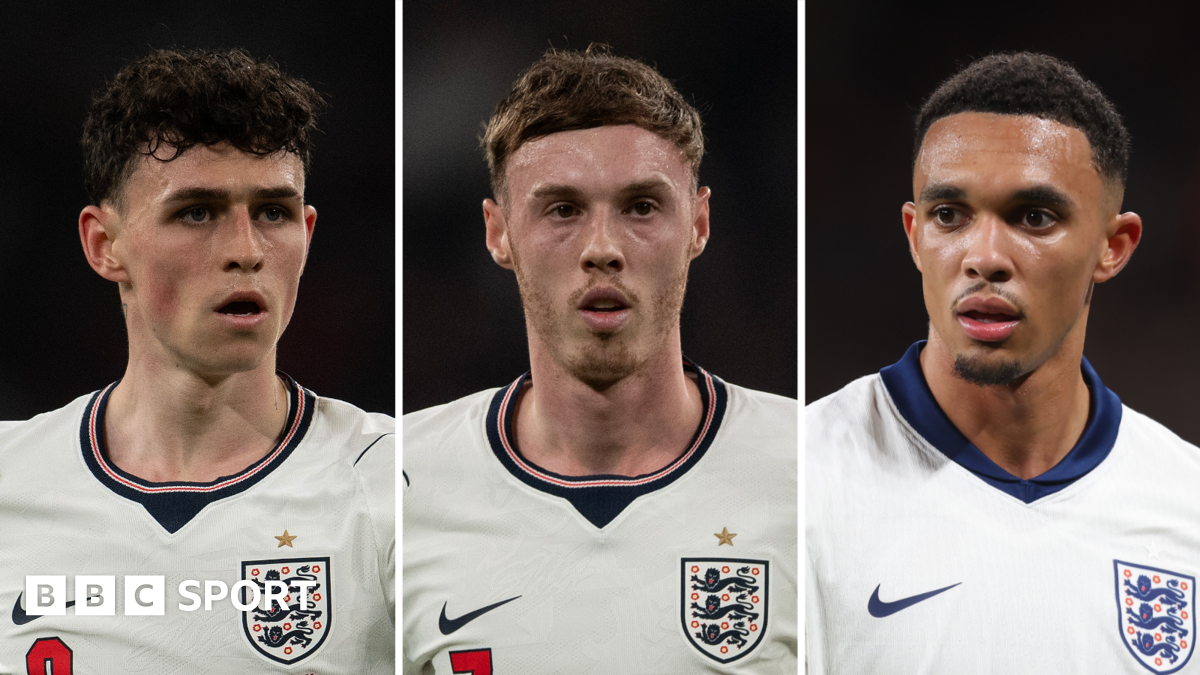
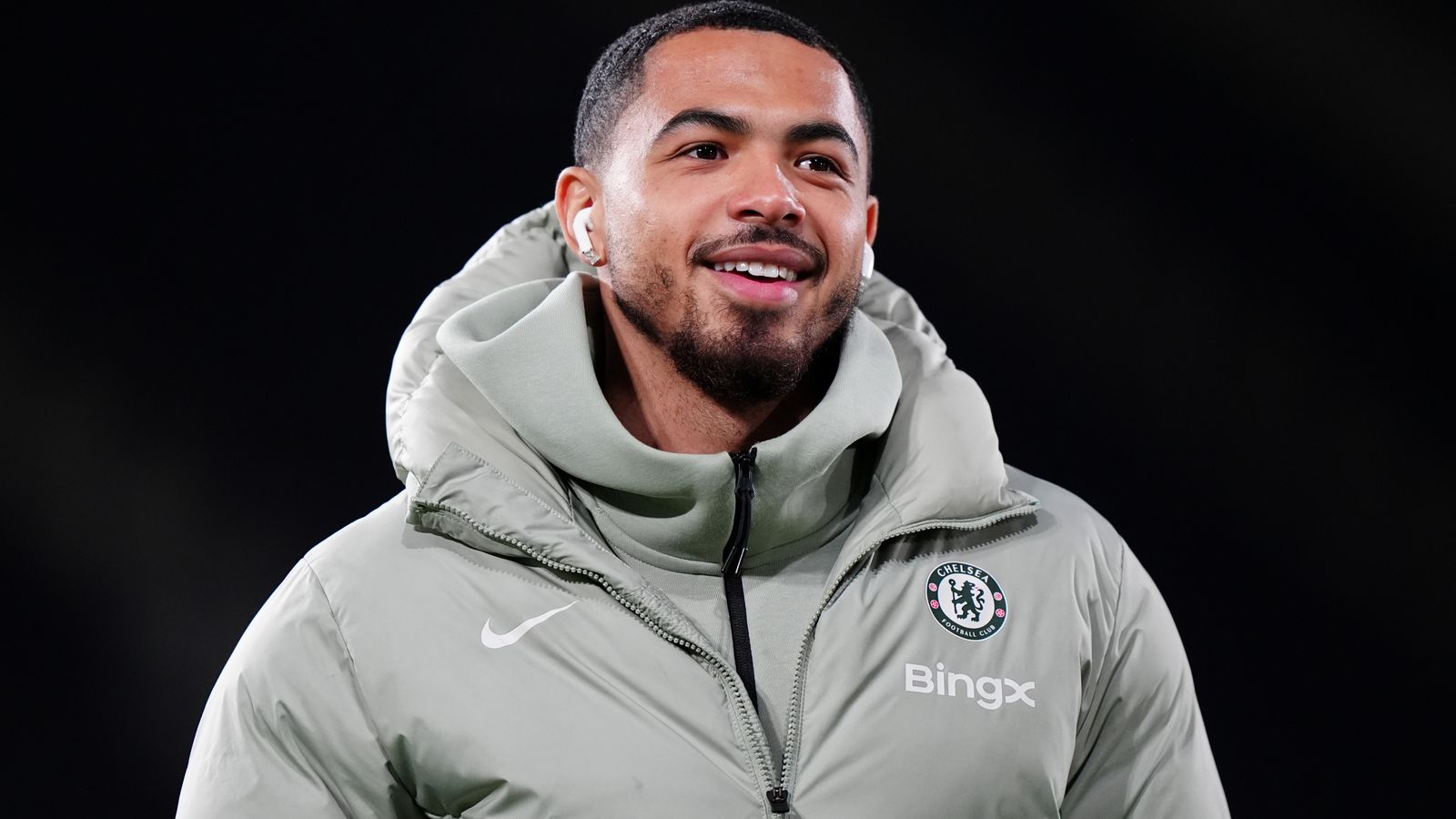
It gets even riskier at right-back. Tuchel has selected Reece James and Tino Livramento as his primary options on the right side of the defense, completely omitting a fully fit Trent Alexander-Arnold. This is a massive physical gamble. James suffered a major hamstring injury in mid-March 2026 against Newcastle, which initially looked to have ended his domestic campaign.
Though James managed to return in time to start the FA Cup final, Chelsea’s medical staff is still treating him like glass. The club deliberately rested him for their late-May clash against Tottenham to protect his hamstring from overload. Tuchel is now asking a player who cannot manage back-to-back domestic matches to endure the physical rigors of a World Cup campaign where travel and tight turnaround times are brutal.
Tino Livramento is also a gamble. The Newcastle full-back's season was highly disrupted by fitness setbacks, leaving both right-backs with massive question marks. If either breaks down, Tuchel is left with emergency cover like Dan Burn playing out of position.
Historical Tragedies and Rushed Metatarsals
England has a long, painful history of taking half-fit players to major tournaments, and it almost always ends in tears. In 2002, Sven-Goran Eriksson selected David Beckham while he was still recovering from a broken metatarsal. Beckham played but lacked match fitness, famously jumping out of a tackle against Brazil that led to England's elimination in the quarter-finals.
Eriksson repeated the error in 2006 with a sluggish, frustrated Wayne Rooney who was red-carded against Portugal. In 2010, Fabio Capello took Ledley King, whose chronic knee issues broke down forty-five minutes into the tournament.
These historical precedents show that tournament football does not accommodate players who are rehabbing on the fly. The physical load of training daily in high heat, combined with the psychological stress of representing the national team, accelerates physical breakdown. Tuchel is ignoring decades of English tournament trauma in the hope that his medical staff can perform miracles in the training camp.
The Creative Cleansing
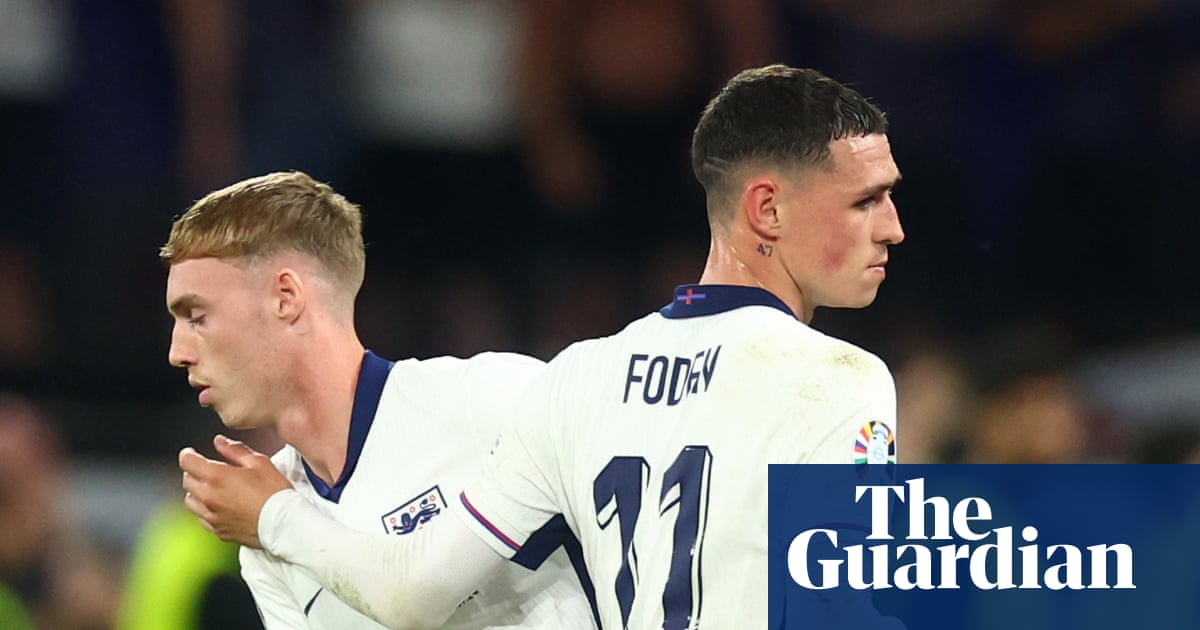
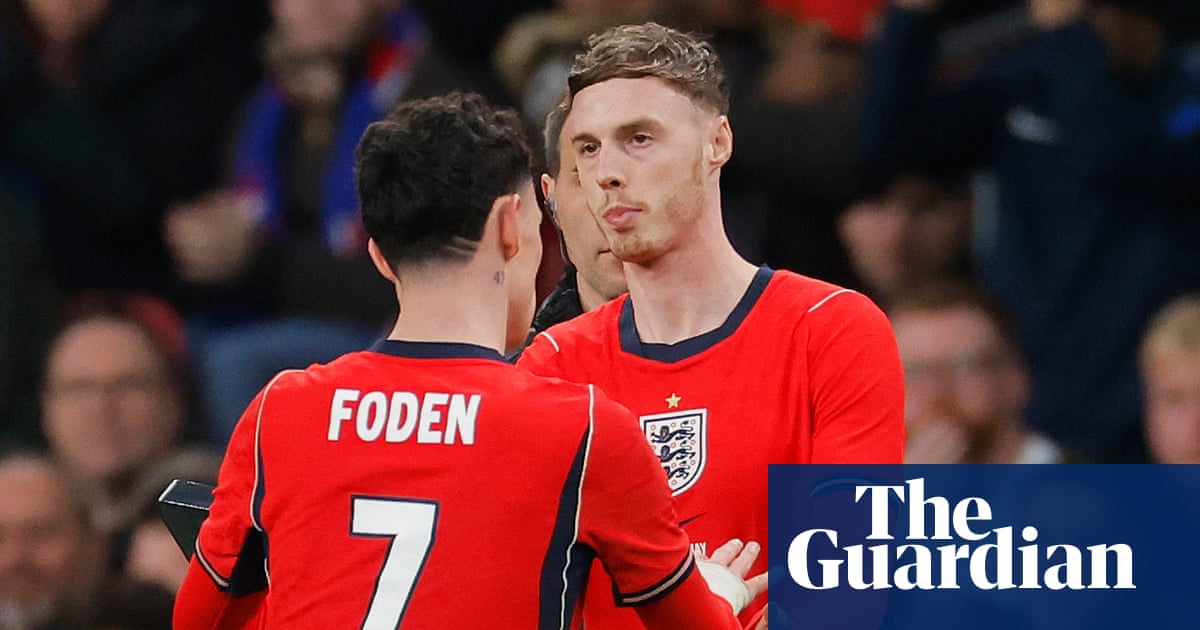
The manager's justification for these selections is tactical specificity and squad chemistry, but the exclusions have triggered massive outrage. As Tuchel explained Foden and Palmer's omission, he was not willing to take them just to play them out of position. He asked, "Who would that help?" during his press conference, arguing that overloading the squad with five number tens would ruin team balance.
I was not willing to take Phil Foden and Cole Palmer to play them out of position at the World Cup.
But leaving the reigning Premier League Player of the Season and Chelsea's talisman at home is a massive tactical risk. Both players had inconsistent club campaigns, but their raw ability to unlock defenses is unmatched in the English pool. If England struggles to create chances in their opening matches, the decision to leave both creative forces at home will look less like a tactical masterstroke and more like stubborn arrogance.
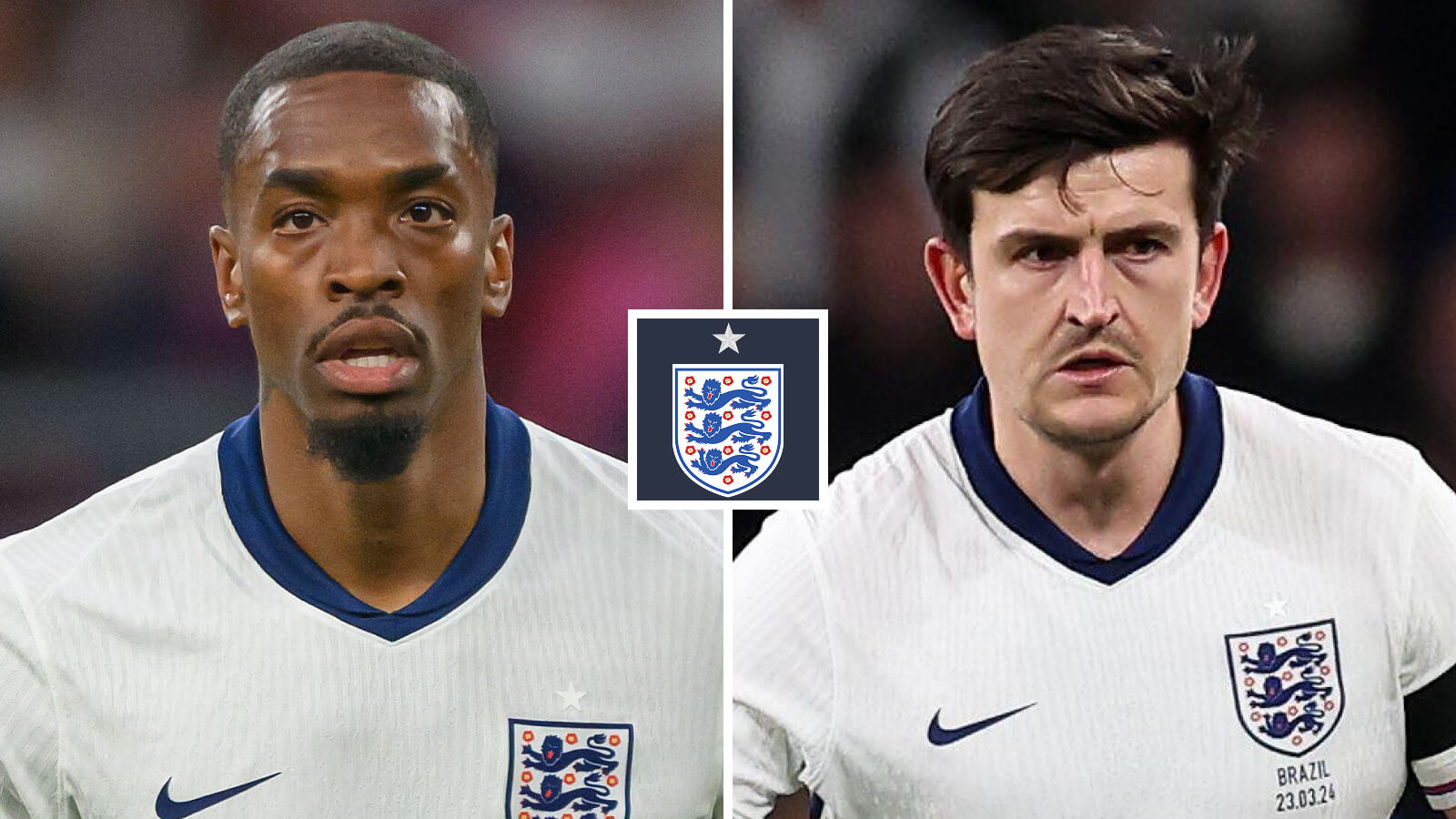
The Harry Maguire drama added more fuel. Omitted after a season plagued by calf and groin issues, the Manchester United defender publicly expressed his 'shock and disappointment' online, which Tuchel dismissed as 'not necessary' in his press conference.
Maguire's decision to go public on social media with his shock and disappointment on missing out on the World Cup squad was not necessary.
Maguire's mother also slammed the manager online, stating she was 'absolutely disgusted' by the omission. The public fallout has turned the announcement into a PR sideshow, forcing Tuchel to defend his selection principles against players' families before flying to North America.
Strategic Implications for the Tournament
The one surprise inclusion that Tuchel has backed is Ivan Toney. The striker has barely featured under Tuchel, but "clear the air" talks paved the way for his return. Tuchel admitted the inclusion surprised even himself, but he has designed a specific new role for the forward to give England a physical reference point late in games. It is a pragmatic addition, but one that raises questions about why other in-form forwards were ignored.
By leaving out fit players like Alexander-Arnold and relying on injured ones like Stones and James, Tuchel has created a fragile structure. If the medical department fails to keep these key defenders on the pitch, England's campaign will fall apart before the knockout rounds even begin. The margin for error is razor-thin, and the medical staff is now under more pressure than the players themselves.
Ultimately, this squad selection shows a manager who values rigid system fit over individual brilliance. If Tuchel wins the World Cup, his refusal to compromise will be lauded as genius. If Stones' calf or James' hamstring tears in the group stage, Tuchel's tactical rigidity will be remembered as the fatal flaw that doomed England's golden generation.
Read Next
- Top 10: Shock Decisions in Thomas Tuchel's England Overhaul
- Tuchel just dropped a nuke on England's World Cup hopes
- Thomas Tuchel's ruthless England squad cuts are exactly what we needed
- Tuchel's England overhaul: Why the biggest names are watching from home
- 🏆 World Cup 2026 — Full Coverage Hub
- 🏴 England World Cup 2026 — Three Lions Hub