The Brutal Reality of Tournament Fitness
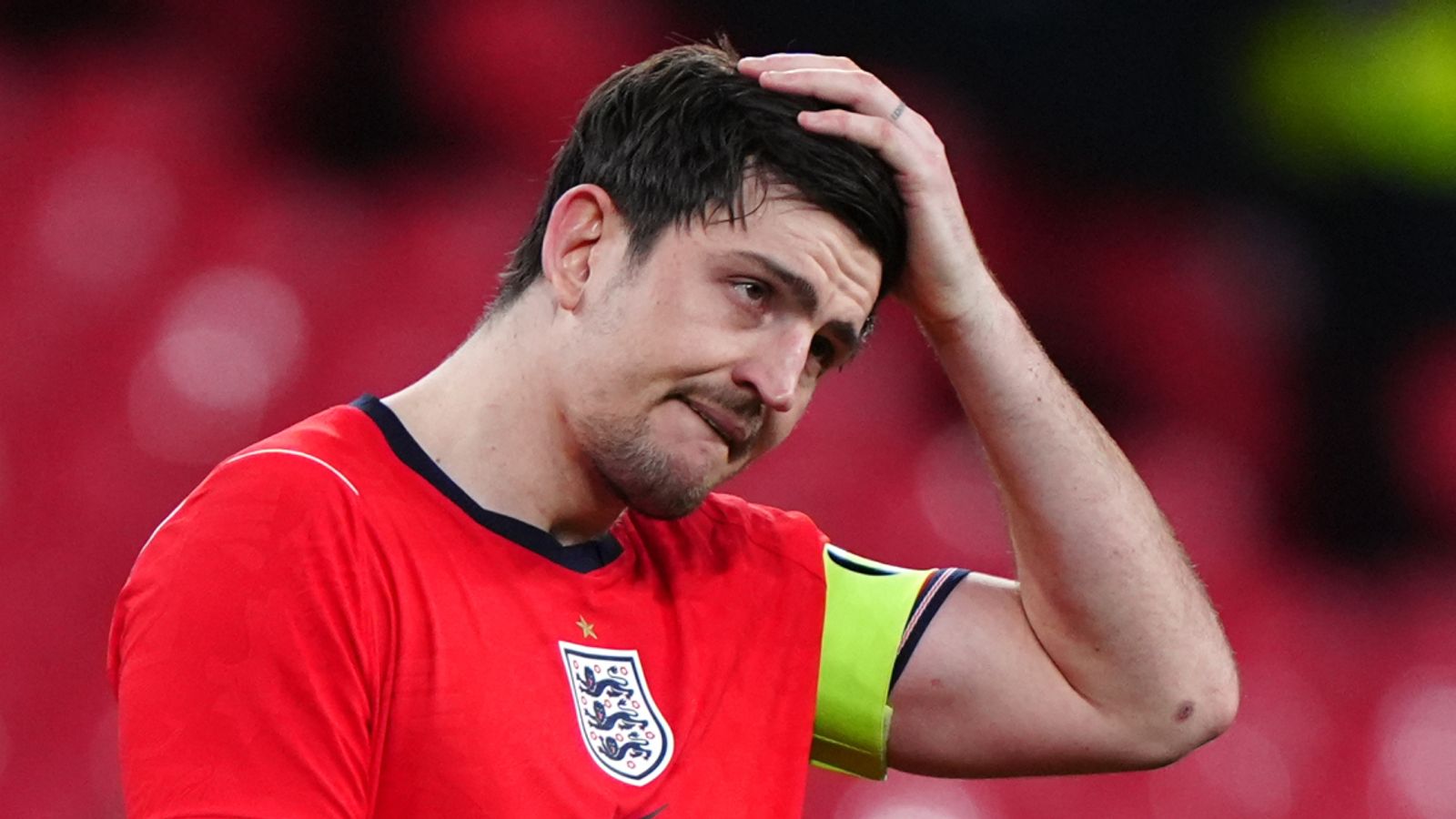
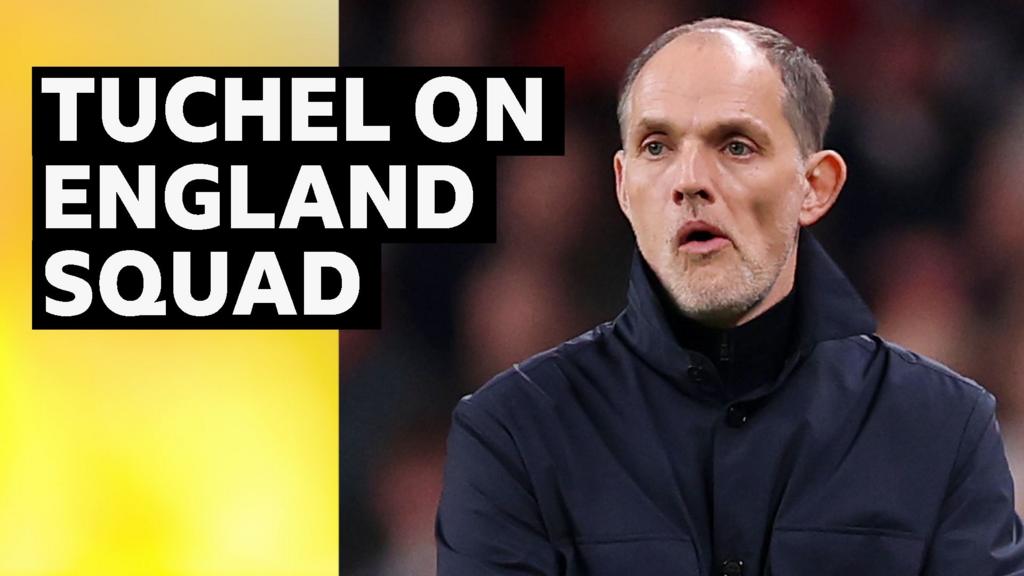
Thomas Tuchel has drawn his line in the sand. With the 2026 World Cup exactly three weeks away, England's manager has dropped Harry Maguire from the final squad. As reported by Sky Sports, the decision leaves the Manchester United defender admittedly gutted. It also signals a massive shift in how the national team manages fitness and tournament readiness.
For years, Maguire was the immovable object in Gareth Southgate's defensive setup. He played through knocks. He rushed back from ankle ligament damage. He regularly defied standard recovery timelines to anchor the backline at major tournaments. Tuchel is not playing that game. The German tactician has looked at the physical data, assessed the brutal summer schedule, and decided a less-than-optimal Maguire is a risk he simply will not take.
The Medical Demands of 2026
Let us look at the pure physical reality of this summer. The expanded 48-team World Cup across the United States, Canada, and Mexico is a logistical nightmare. Teams will face drastic climate shifts, high humidity, and long-haul flights between group stage fixtures.
Taking a center-back carrying a knock or lacking match sharpness into that environment is tactical suicide. Tournament football compresses recovery windows. Players are asked to perform at maximum intensity every four to five days. Soft tissue injuries thrive in these exact conditions.
Maguire is not 24 anymore. The wear and tear of continuous Premier League campaigns, coupled with high-stakes international duty, has visibly caught up with his biomechanics. Over the last two seasons, we have seen a steady increase in minor muscular complaints. Hamstring tweaks. Calf tightness. These are the classic warning signs of a player whose body is struggling to cope with the relentless load.
The Anatomy of a Center-Back's Decline
When a center-back crosses the threshold of thirty, the body begins to lie. The mind still reads the game two seconds ahead, anticipating the cutback or the overlapping run. But the nervous system takes a fraction of a second longer to fire the fast-twitch muscle fibers. That delay is where goals are conceded.
In Maguire's case, his game was never built on raw, explosive pace. It was built on anticipation, positioning, and sheer physical dominance in contact situations. However, when you lack baseline speed, you must constantly operate at maximum exertion just to stay attached to quicker forwards. That constant red-lining takes a toll on the hamstrings and the lower back.
We have seen him pull up grabbing his thigh repeatedly over the last few years. Every time it happens, scar tissue forms. Muscle elasticity decreases. The cycle of chronic injury begins. The Premier League is unforgiving in this regard, but international tournament football is worse.
In a league season, a minor strain means missing one or two games. The medical staff can manage the load. In a World Cup, a minor strain means missing half the group stage. If a player returns for the knockout rounds, they are undercooked. They step into a chaotic, high-pressure environment without having played a minute of competitive football in three weeks. Tuchel is simply refusing to write that script.
The Travel Burden
Consider the travel logistics again. The North American continent is massive. A team might play in New York, fly to Miami, and then cross the country to Los Angeles. Long flights cause fluid pooling in the lower extremities. Cabin pressure affects circulation.
Sitting in a cramped position for five hours stiffens the exact lumbar and hamstring regions that veteran players constantly struggle to keep loose. Younger players shake off travel fatigue with a light recovery session. Older players require intensive manual therapy, compression garments, and specifically tailored mobility work just to get back to baseline.
Taking a player who already requires maximum medical maintenance into a travel-heavy tournament is asking for a breakdown. The sports science department would spend half their time managing one player rather than optimizing the rest of the squad.
The Toney Contrast
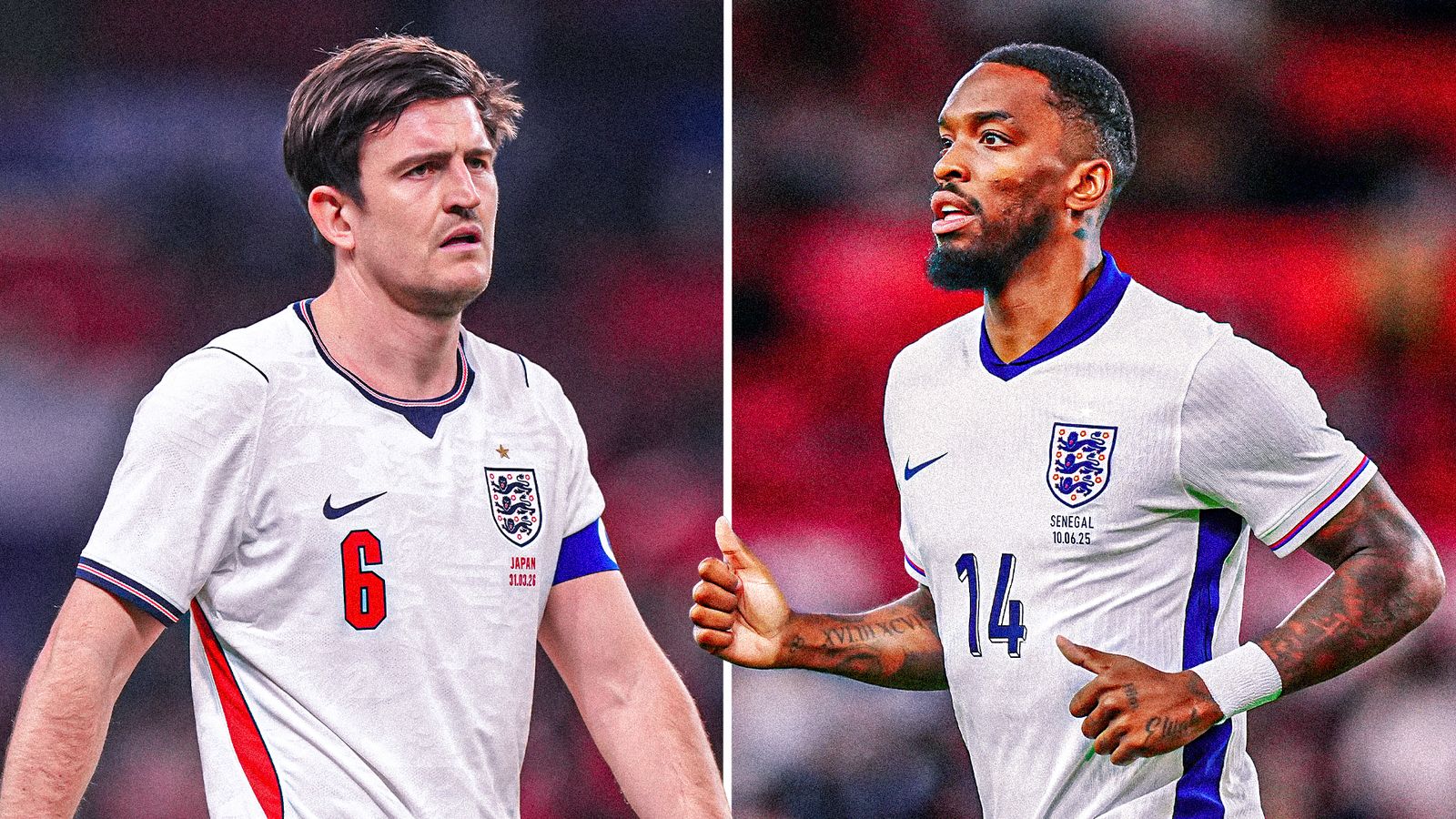
While Maguire watches from home, Ivan Toney steps onto the plane. The contrast in physical profiles and recent trajectories is sharp. Toney's inclusion is a surprise to some, but medically and tactically, it makes perfect sense.
Toney offers a robust, physically dominating presence at the top of the pitch. He wins his aerial duels. He holds off center-backs. More importantly, his underlying physical metrics suggest a player peaking at exactly the right moment. He has managed his load well in the second half of the season. He is arriving at the national camp fresh.
This is where Tuchel's sports science department has clearly intervened. You cannot carry passengers in a modern international tournament. Every spot on the 26-man roster must be dedicated to a player capable of surviving a high-intensity 90-minute slugfest in the Texas heat. Toney passes that test. Maguire, right now, does not.
Historical Context of Medical Omissions
We have been here before. The history of the England national team is littered with agonizing late medical cuts. The ghosts of tournaments past loom large over this decision.
Think back to Rio Ferdinand in 2010. A freak knee injury in training ruled him out just days before the opening fixture. Or look at Reece James missing out on Qatar in 2022 due to a knee issue that the medical staff refused to gamble on. Even further back, Glenn Hoddle cutting Paul Gascoigne before France 1998 was heavily influenced by Gazza's declining physical condition and inability to maintain elite fitness levels.
Managers eventually reach a breaking point where nostalgia and past service are outweighed by cold, hard sports science. Tuchel is operating with clinical detachment. He has no loyalty to the 2018 or 2021 campaigns. He only cares about the biomechanical data sitting on his desk this morning. If the numbers indicate an elevated injury risk, the player gets cut.
The Critical View
However, Tuchel's ruthless approach is not immune to criticism. Dropping Maguire removes a massive amount of tournament experience from the dressing room. England's defensive depth is suddenly looking remarkably thin.
Who steps up to organize the set-pieces? Who takes the aerial pressure when a team is pumping long balls into the box during the 88th minute of a knockout tie? The current crop of center-backs might be faster and fitter, but they lack the sheer physical mass and positional dominance Maguire provided.
There is a legitimate argument that taking a 70 percent fit Maguire just for his locker room presence and situational utility off the bench would have been worth the roster spot. Teams have carried designated penalty takers or situational specialists before. Tuchel has decided the medical risk outweighs the tactical reward. If England leak goals from set-pieces in the group stage, this decision will be heavily scrutinized.
The Fallout for Maguire
For Maguire, this feels like an endpoint. Recovering from a major tournament omission in your early thirties is notoriously difficult. The psychological blow is one thing. The physical reality of your body no longer matching the demands of top-level international football is another.
He will now have a full summer to rest. That is the silver lining. A completely clear off-season could allow his body to finally reset. No rushed rehabs. No playing through pain barriers. Just proper, structured recovery.
Manchester United will undoubtedly welcome this. Their medical staff has spent years patching him up after international breaks. Now, they get a player who can undergo a full pre-season conditioning program without the lingering fatigue of a deep tournament run.
Looking Ahead to North America
The squad Tuchel has selected is built for endurance. It has to be. The travel demands alone will test the sports science department to its absolute limits.
Flying across time zones, dealing with varying altitudes, and playing in stadiums with distinct micro-climates requires a squad of supreme athletes. The recovery protocols will be intense. Ice baths, hyperbaric chambers, and strict sleep hygiene will be just as important as tactical shape.
Tuchel has looked at the map, looked at the schedule, and realized he needs marathon runners who can sprint. Maguire, for all his undeniable service to the shirt, no longer fits that profile. The inclusion of Toney proves the manager is prioritizing explosive power and immediate physical readiness.
Sentimentality has been replaced by sports science. Past heroics mean nothing when the medical data flashes red. Maguire is gutted, and he has every right to be. But Tuchel's job is not to manage feelings. His job is to win a World Cup. We will see in three weeks if the medical gamble pays off.
Read Next
- Tuchel just ended the Harry Maguire era and the numbers explain why
- Why Tuchel dropping Maguire is a terrifying gamble for England
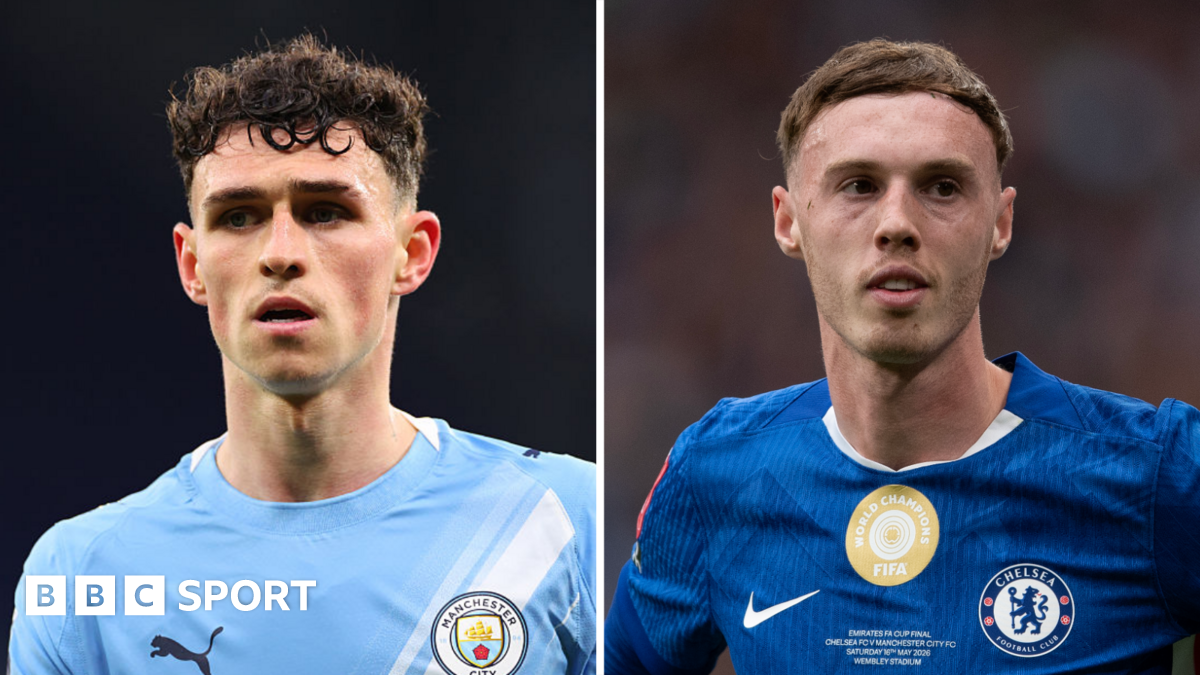
- Foden's World Cup axing proves Tuchel won't risk half-fit stars
- Tuchel’s plan to bring Levi Colwill to the World Cup is pure chaos
- 🏆 World Cup 2026 — Full Coverage Hub
- 🏴 England World Cup 2026 — Three Lions Hub