The Wembley personnel crisis
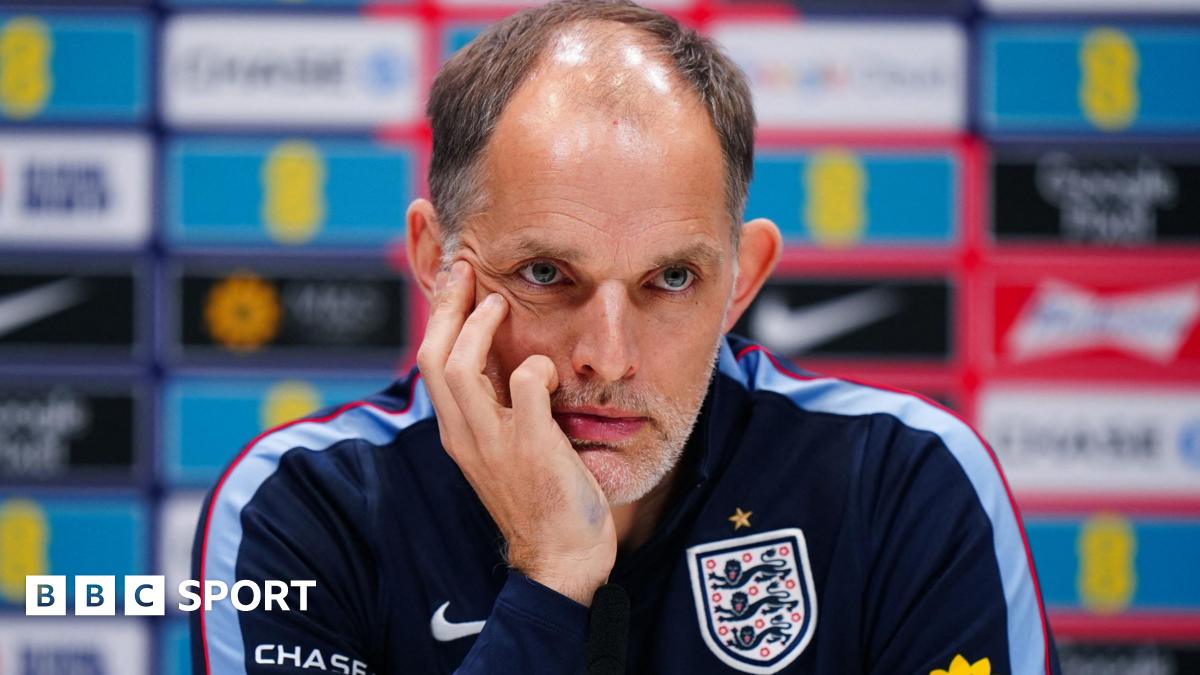
England head coach Thomas Tuchel is facing a personnel nightmare just weeks before the final selection cycle begins. The international window ended with significant absences that have stripped his tactical experiment of its core leadership group. Tuchel noted that trying to build a cohesive unit in three days against Uruguay was an exercise in futility, given the rotating door of fitness concerns.
Key starters missing from the squad included several high-profile members of the veteran core. Their absence meant the manager spent more time managing recovery protocols than refining his pressing shape. This lack of continuity during the only meaningful window before the 2026 World Cup leaves Tuchel with massive gaps in his starting XI.
The strategic fallout
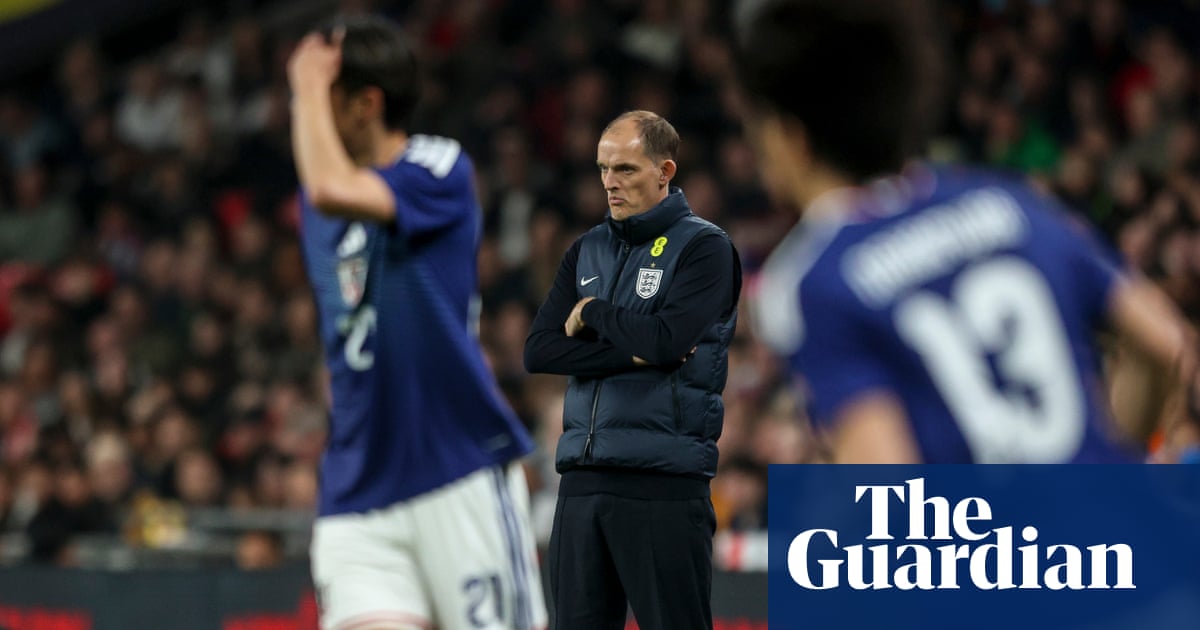
The manager’s intent was clear: test the squad’s tactical flexibility against high-caliber opponents like Uruguay and Japan to prepare for tournament demands. Instead, he was forced to field makeshift rotations. The result was a disjointed performance that offered few answers for his long-term tactical vision.
Tuchel is now operating with a limited data set. Without his primary leaders on the pitch, he cannot properly calibrate how the team responds under pressure in the final third. The lack of match minutes for the first-string defense is especially worrying, as they have not shared a competitive pitch together since the previous qualifying round.
The physical debt
The medical team is now tracking a handful of soft-tissue issues that emerged during the training camp. Managers usually protect assets during friendlies, but the club-country disconnect continues to create friction. Players returned to their clubs needing individual rehabilitation rather than match fitness.
This isn't an isolated incident. European nations often struggle with the transition from heavy Premier League schedules to condensed international breaks. The timing of these breaks is often criticized for increasing injury rates, yet the calendar remains inflexible. Tuchel is dealing with the reality that his best eleven rarely complete a full session together.
Tactical risks ahead
The upcoming quarter-final stages of the Champions League place further strain on these same players. With clubs fighting for continental glory, the England staff fears that intensity will lead to further burnout. If he loses a primary starter during the second leg of the UCL ties on the 14th, his backup plans remain thin.
His reliance on specific personnel to execute his high-intensity transition game is a gamble if those players cannot stay upright. History suggests that managers who lack a settled starting lineup by late April rarely find success in summer tournaments. Tuchel is essentially forced to wait for his senior players to regain health while his rivals are already polishing their tactical scripts.
The margin for error is shrinking rapidly. With competitive action resuming next week in the Champions League, the pressure on club medical staff to clear these players will trigger another round of tension between Tuchel and the clubs. The dream of a settled squad structure is currently a mirage given the current medical workload.
Ultimately, the England manager must now decide whether to stick to his preferred tactical identity or build a Plan B based on the bench players who actually stayed healthy this week. Both paths carry significant risks just two months before the tournament kickoff on the 11th of June. He has been dealt a poor hand, and the clock is not on his side.
Read Next
- Thomas Tuchel has a major England problem before the World Cup
- Thomas Tuchel's England tenure is already hitting turbulence
- Tuchel betting on himself by benching Foden
- Thomas Tuchel has a major England problem before the World Cup
- 🏴 England World Cup 2026 — Three Lions Hub
- 🏆 FA Cup Final 2026 — May 16, Wembley