Sullivan out: The end of a 16-year cycle
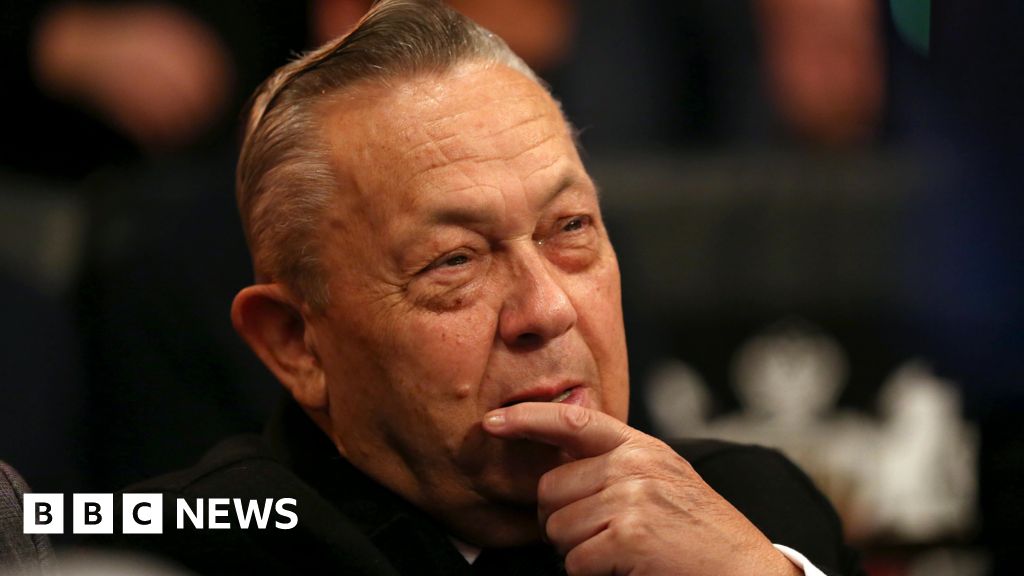
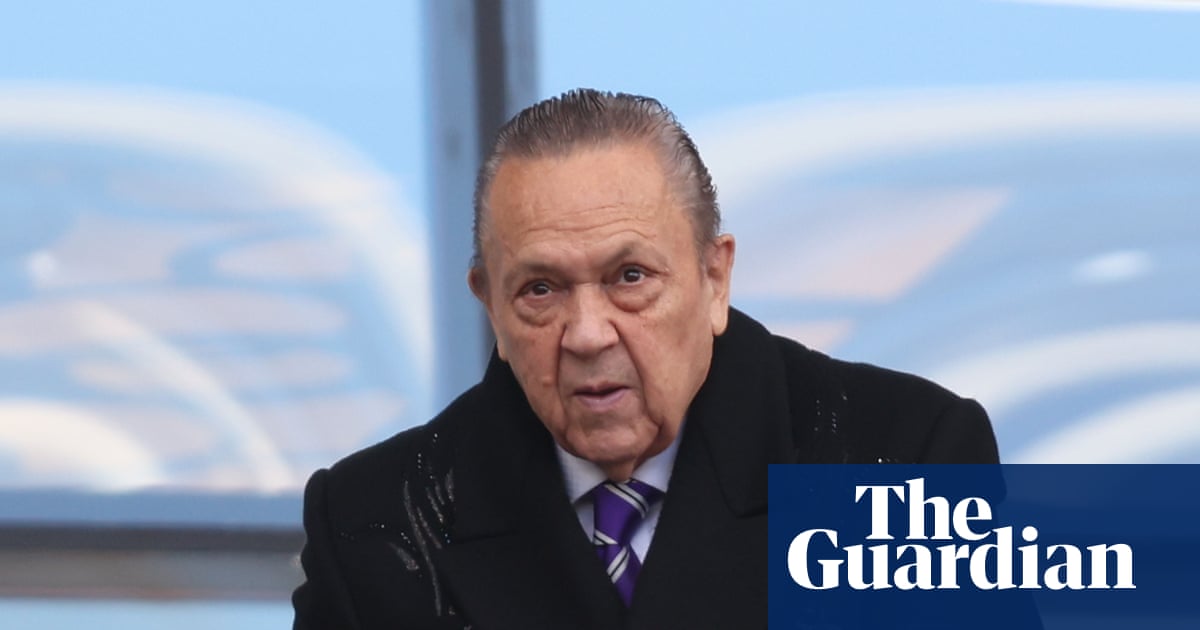
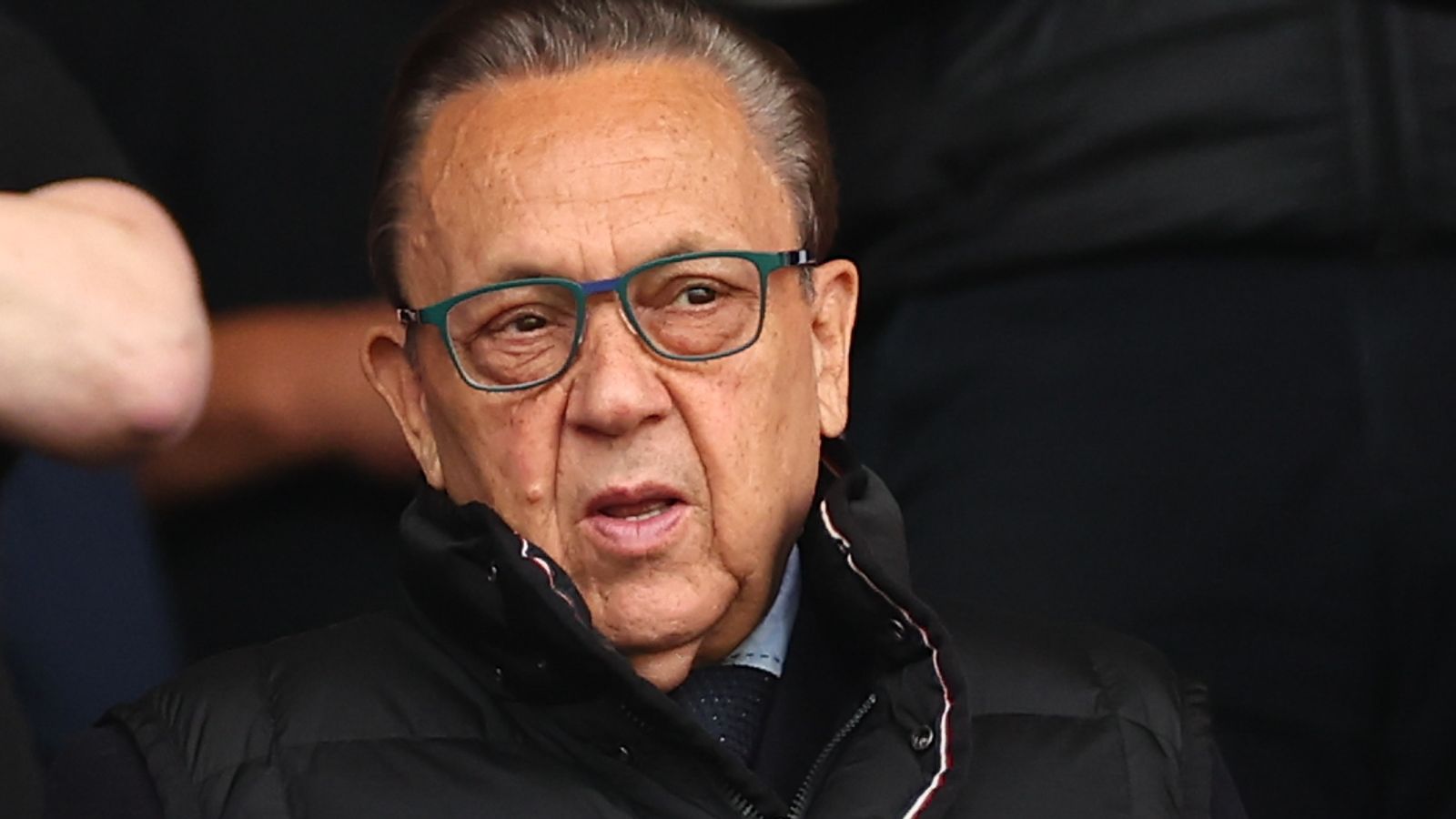
David Sullivan has officially resigned as joint-chair and director of West Ham United as of June 6, 2026. This departure marks the conclusion of a tenure defined by polarizing fiscal constraints and high-profile stadium relocations. Since acquiring the club in 2010, the board oversaw a 158% increase in annual revenue, yet fan sentiment often prioritized tactical consistency over balance sheet stability.
Data tracking the GSB era reveals a club consistently hovering between the upper-mid table and brief surges in European qualification. Under Sullivan, West Ham experienced seven managerial changes, creating a revolving door of tactical philosophies. This lack of continuity mirrors the struggle of other mid-table clubs facing the financial disparity of the modern Premier League.
Five days until the global stage
Attention now shifts to the FIFA World Cup, which kicks off in exactly 120 hours. With England and Scotland finalize their friendly preparations, the proximity to the tournament debut on June 11 is forcing squads into cautious rotations. Managers are clearly prioritizing fitness over aggressive pressing metrics. Injury risk management has supplanted tactical experimentation across the board.
Historical data from the 2022 tournament suggests that teams with fewer than 60% of their players holding consistent starting roles in league play during their club seasons see a performance dip in group stage matches. Current monitoring of the England camp indicates that three key starters have played less than 2,500 minutes of top-flight football this year. This is a concerning drop-off for a team expected to dominate possession.
Statistical variance in pre-tournament friendlies
Modern friendlies are no longer about winning; they are data-farming exercises. Analysis of recent international warm-up games shows a 22% decrease in tactical fouls compared to domestic matches during the regular season. Referees are keeping their cards in their pockets to ensure full squads remain available for the tournament opener.
We are seeing an alarming trend where defensive structure is sacrificed for offensive rotation. Without the incentive of league points, the defensive lines for nations like England hold 4 yards higher than usual. While this allows for more comfortable ball progression, it leaves catastrophic gaps for any counter-attacking team talented enough to exploit them. The tactical readiness for the tournament will likely not be proven until the second half of the opening match on June 11.
Read Next
- Thomas Tuchel's iron grip on England is a transfer window ticking time bomb
- Liverpool medical crisis hits as Arne Slot stays on the sidelines
- Desmond Armstrong proves that history is written by the long shots
- England chose Kansas City for the World Cup and it is a massive gamble
- 🏆 World Cup 2026 — Full Coverage Hub