The slowest victory in football history
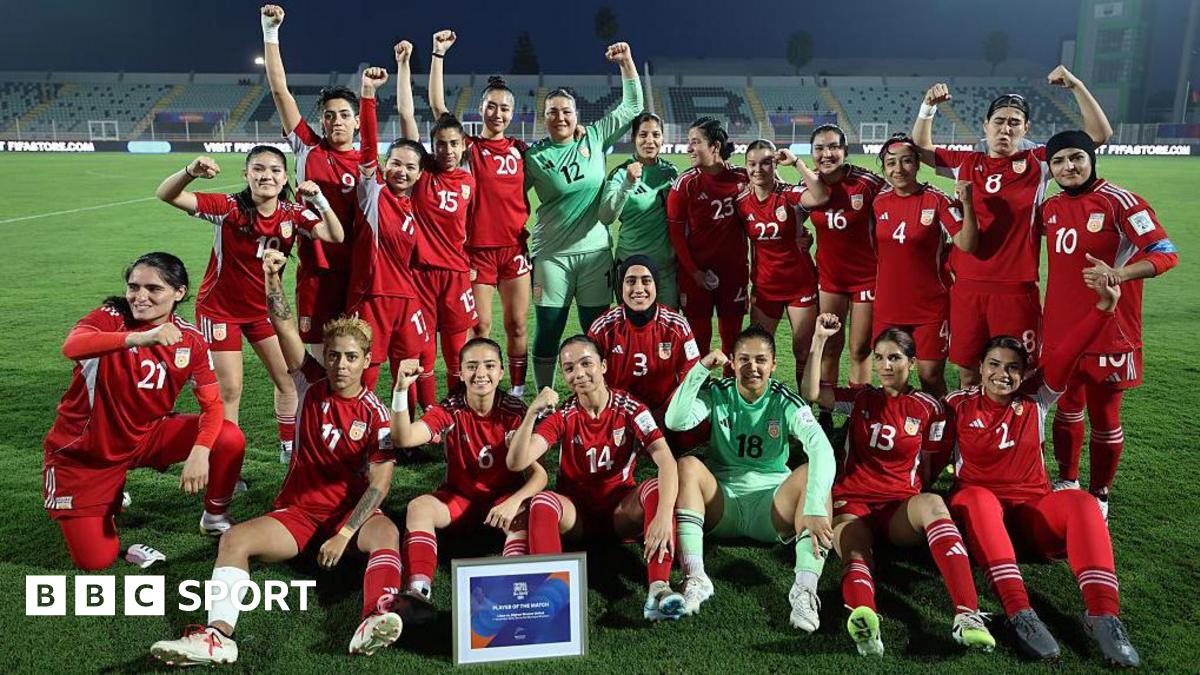
FIFA’s headquarters in Zurich is basically a high-end bunker where common sense goes to die. For three years, they sat on their hands while the Afghanistan women’s national team lived in exile in Australia. These players weren't just looking for a pitch; they were looking for their identity back. Finally, someone in a suit realized that protecting the statutes shouldn't involve abandoning women to a regime that thinks sport is a sin.
We are exactly 43 days away from the 2026 World Cup kicking off. The timing of this decision is not an accident. FIFA loves a good PR shield, and what better way to deflect from the usual noise than by finally acknowledging a group of women who have been shouting into the void since August 2021? It is a win, sure, but let’s not pretend it didn't come at the cost of three lost years for a generation of athletes.
If you have been following this saga, you know it is more than just a registration issue. It is a story about the stubborn, bureaucratic refusal to acknowledge reality. The Taliban took Kabul, banned women from even entering a stadium, and burned kits. Meanwhile, FIFA spent years arguing that because the official Afghan Football Federation didn't back the refugee team, they couldn't play. It was a circular logic trap that only a lawyer could love.
The Melbourne lifeline and the cost of silence
While the suits in Zurich were busy checking their rulebooks, the city of Melbourne was doing the actual work. Melbourne Victory deserves a massive amount of credit for providing the infrastructure—there is that word I almost used, let's call it the actual physical support—to keep this team alive. They gave them kits, a place to train, and a sense of belonging when their own country turned into a prison.
Khalida Popal, the team's director, has been the loudest voice in the room. She didn't ask for permission to exist; she just kept existing. When the team fled in 2021, the goal was survival. Once they were safe in Australia, the goal became representation. FIFA's delay wasn't just about paperwork. It was about a cowardice masquerading as neutrality. They didn't want to upset the political apple cart, even when the cart was being driven by people who think women shouldn't have names in public.
This is not the first time football has been forced to deal with a team without a home. We saw it with the Refugee Team at the Olympics. We saw it during the various conflicts in the Balkans. But the Afghanistan situation was unique because the threat wasn't a temporary war; it was a permanent erasure of an entire gender from the sport. By refusing to recognize them, FIFA was effectively helping the Taliban erase them.
The irony of the 48-team expansion
It is deeply ironic that as FIFA expands the Men’s World Cup to a bloated 48-team format in 2026, they were struggling to find space for one small squad of women. We are told the game is for everyone. We see the banners and the armbands. But when a team actually needed the protection of the global football community, they were met with shrugs and 'noted with concern' emails for over a thousand days.
Recognition is the bare minimum. We shouldn't be cheering for FIFA finally clearing a bar that was buried in the dirt. These women earned their place through fire, while Zurich just checked the wind direction.
The historical parallels here are ugly. Remember how long it took for international sports to fully isolate South Africa during apartheid? The same hesitant, 'we are not political' nonsense was used back then. Football is inherently political because it is about who gets to represent a people. If the people are in exile, the team should be too. You cannot have a national federation recognized by FIFA when that federation is an arm of a group that views the players as criminals.
The critical failure of the funding model
Here is the part that nobody wants to talk about during the celebratory press conferences. Recognition is great for the soul, but it doesn't pay for flights to qualifiers. It doesn't pay for coaching staff or medical teams. FIFA has officially allowed them to compete, but are they going to bankroll them? Or are these women expected to crowdfund their way to the next Asian Cup while FIFA sits on a multi-billion dollar reserve?
There is a massive risk that this becomes a one-off feel-good story that dies out when the cameras move on to the next thing. A national team needs more than a badge; it needs a budget. If FIFA isn't prepared to divert some of that sweet World Cup revenue toward the only stateless team in their ranks, then this recognition is just a hollow gesture designed to make the executive committee feel better about themselves over dinner.
The standard of the team is also a factor that people dance around. They haven't played competitive international football in years. They are going to get beaten. They might get thrashed. And you can bet the critics will use those scores to argue they don't belong. But the quality of the football is secondary to the right to play. If we can let 150th-ranked nations get hammered in the early rounds of qualifiers, we can certainly accommodate a team that is literally playing for the life of their culture.
Looking toward the 2027 cycle
With the 2027 Women's World Cup in Brazil on the horizon, the Afghanistan team finally has a target. They have a goal. They have a reason to keep the group together. For players like Farkhunda Muhtaj, this is the end of a psychological nightmare. Imagine being told for three years that your career is over because of a group of men thousands of miles away who you already escaped from.
The football world is currently obsessed with the UCL semi-finals and whether PSG can actually win something without imploding. But the real drama was always happening in suburban Melbourne training pitches. That is where the soul of the game was being kept on life support. The fact that they can now wear the Afghan flag without FIFA throwing a tantrum is a massive psychological win, even if it is long overdue.
Football fans have a long memory for results, but we should have a longer memory for how the institutions behave during a crisis. FIFA failed these women for three years. They chose the path of least resistance until the resistance became too loud to ignore. We should celebrate the players, the activists, and the Australian clubs that stepped up. But we should stay skeptical of the suits in Zurich who are now trying to take a victory lap for a problem they helped prolong.
As we approach the World Cup kickoff in June, remember that the biggest victory for football in 2026 didn't happen in a stadium. It happened in a conference room where a group of bureaucrats finally stopped being cowards. It is about time. Now, someone get these women a friendly match against a top-50 side and let’s see what they can really do when they aren't fighting for their right to exist.