The Geopolitical Standoff in Zurich
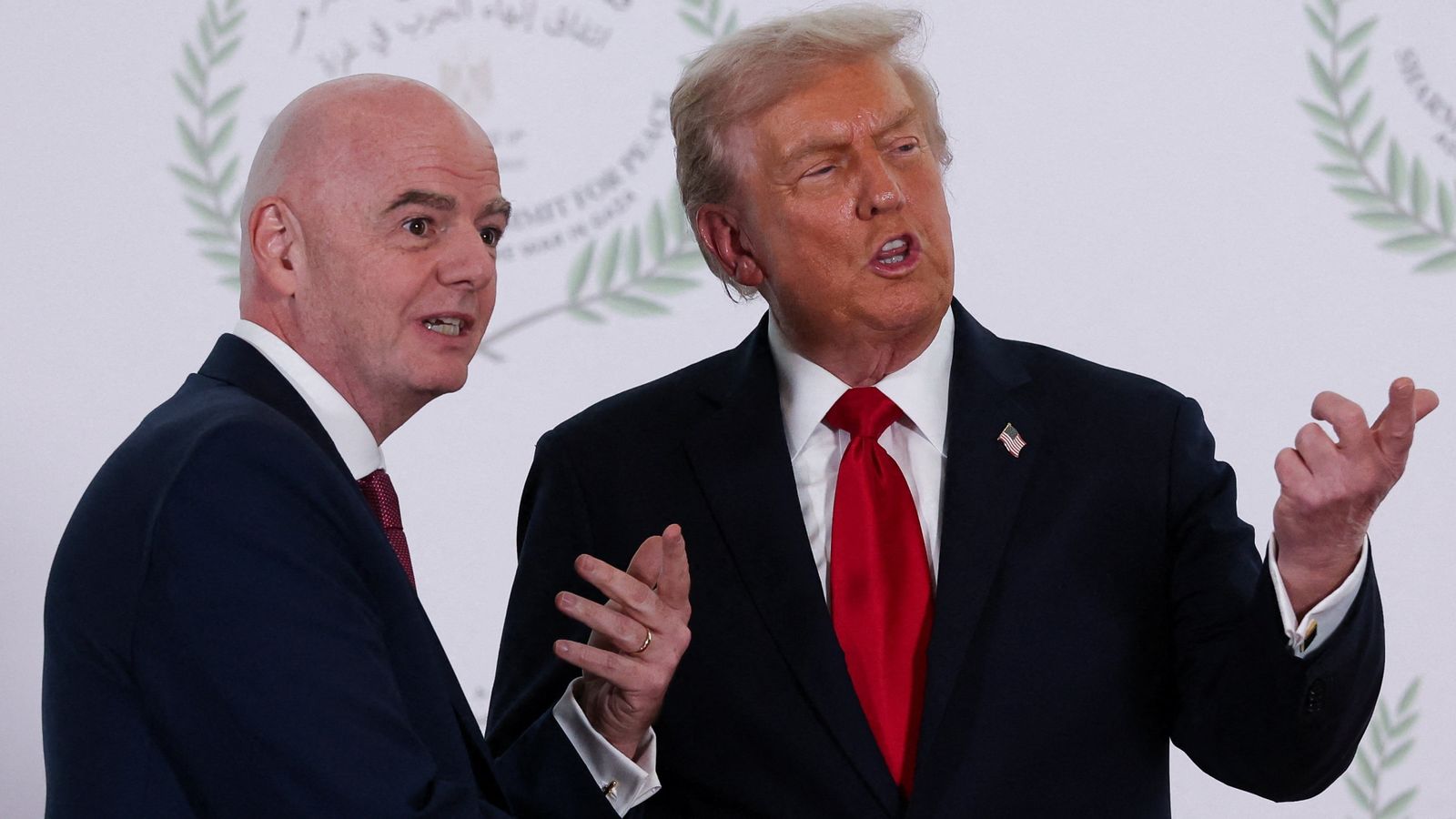
Gianni Infantino is not backing down. The FIFA President has spent the last 48 hours doubling down on his insistence that Iran will take their place at the 2026 World Cup, despite a mounting wall of political pressure from the United States. This is a Tier 1 confirmation of FIFA’s current internal policy, regardless of the rhetoric coming out of the White House. The governing body is prioritising its 'peace' mandate over the complicated reality of a co-host in open conflict with a participant.
We have seen these power struggles before, but the stakes here feel uniquely high given the proximity to the tournament. A White House official recently moved to clarify Donald Trump’s stance on the matter, attempting to find a middle ground between national security concerns and the logistical nightmare of banning a qualified nation. As FourFourTwo reported, Infantino’s demand for 'peace' is less about abstract philosophy and more about protecting the integrity of a 48-team bracket that is already straining at the seams.
The reality on the ground is that FIFA holds the cards when it comes to tournament eligibility. If the US government attempts to deny visas to the Iranian squad, they risk violating the host agreement that is signed years in advance. Infantino knows this. The White House knows this. What we are seeing now is a high-stakes game of chicken where the 'rumour' isn't about a player moving clubs, but about an entire nation being moved out of a tournament. For now, the status remains 'confirmed' from Zurich's perspective, but the political climate in Washington remains the ultimate variable.
The $100 Ticket to New Jersey
While the suits in Zurich argue over international diplomacy, the fans are getting hit with a different kind of reality check. FIFA has released a surprisingly blunt statement hitting out at the decision to charge $100 for train tickets from New York to the stadiums. It is a rare moment of FIFA playing the 'fan advocate,' but the cynicism is hard to ignore. They sold the 2026 World Cup as the most accessible tournament in history, yet the basic infrastructure is already pricing out the average supporter before a ball has even been kicked.
The transport situation in New York and New Jersey is becoming a significant PR headache. As The Mirror detailed, the discrepancy between the promised 'seamless' travel and the reality of a three-figure train fare is massive. It is the kind of logistical oversight that defines the 'American' World Cup experience so far—grand ambitions met with predatory local pricing. Fans are already counting the cost of moving between the 16 host cities, and the New York rail decision has set a dangerous precedent that other cities might be tempted to follow.
Public transport was supposed to be the backbone of this tournament. Instead, it’s looking like a luxury service. FIFA’s 'strong statement' is a tactical move to distance themselves from a local failure, but they are the ones who awarded the tournament to cities where car-centric infrastructure is the default. If you are planning to follow your team through the knockout stages, you need to be looking at your transport budget now. The $100 fee is just the starting point for a summer that will likely be the most expensive in football history.
Referees, Injuries, and the Pub Economy
The technical side of the tournament is finally taking shape. FIFA has finalized the list of every referee for the 2026 matches, a group that will be under more scrutiny than ever before. With the expanded format and more games to manage, the margin for error has vanished. These officials aren't just managing games; they are managing a 48-team experiment that many purists still think is too bloated to succeed. The pressure to maintain a consistent standard across three different countries is immense, and the vetting process has been reportedly more rigorous than any previous cycle.
On the pitch, the news is darker for several key stars. We are seeing a wave of 'worst possible time' injuries that will keep a handful of elite players out of the tournament. While the full list of medical casualties is still being updated, the physical toll of a congested European season is clear. Teams are losing starters in mid-April, leaving managers scrambling to find replacements from the fringes of their squads. It is a brutal reminder that a player's World Cup dream can end on a training pitch in a matter of seconds, months before the opening ceremony.
Back in Britain, the mood is more pragmatic. Joe Cole has joined a campaign to help struggling pubs prepare for the World Cup rush. The former England star is pushing for TV upgrades for landlords, recognizing that the 2026 tournament is a vital lifeline for the UK pub industry. With matches kicking off in various time zones across North America, the 'local' experience will depend entirely on how well these venues can adapt to the schedule. It is a grounded, human side to a tournament that often feels like a corporate monolith, reminding us that for most fans, the World Cup happens in a crowded room with a pint, not in a $100 train seat in New Jersey.
Probability Assessment
Despite the noise, Iran's participation probability remains high. Infantino's track record shows he will protect the FIFA brand and the tournament structure at almost any cost. The likelihood of a formal expulsion is low, but the likelihood of a diplomatic 'incident' during the group stages is nearly 100%. This isn't about footballing merit—it's about the collision of sport and state. The 'here we go' on Iran's participation is currently at a 90% chance, barring a complete collapse of diplomatic relations.
The expected timeline for a final resolution on the 'transport tax' in New York is much shorter. Expect local authorities to pivot within the next month as FIFA increases the public pressure. They cannot afford for the 'New York Final' to be remembered for a train ticket price rather than the football. We are entering the final straight of the buildup, where every logistical failure is magnified and every political tweet is treated like a tactical shift. The 2026 World Cup is coming, but it is arriving with a heavy dose of controversy that no amount of 'peace' rhetoric can fully mask.