The greatest geopolitical headache of 2026
Grab a drink, because we need to talk about the absolute madness brewing just 42 days out from the 2026 FIFA World Cup. If you thought the expanded 48-team format was going to be the biggest logistical hurdle this summer, you haven't been paying attention to the diplomatic tightrope FIFA is currently trying to walk blindfolded.
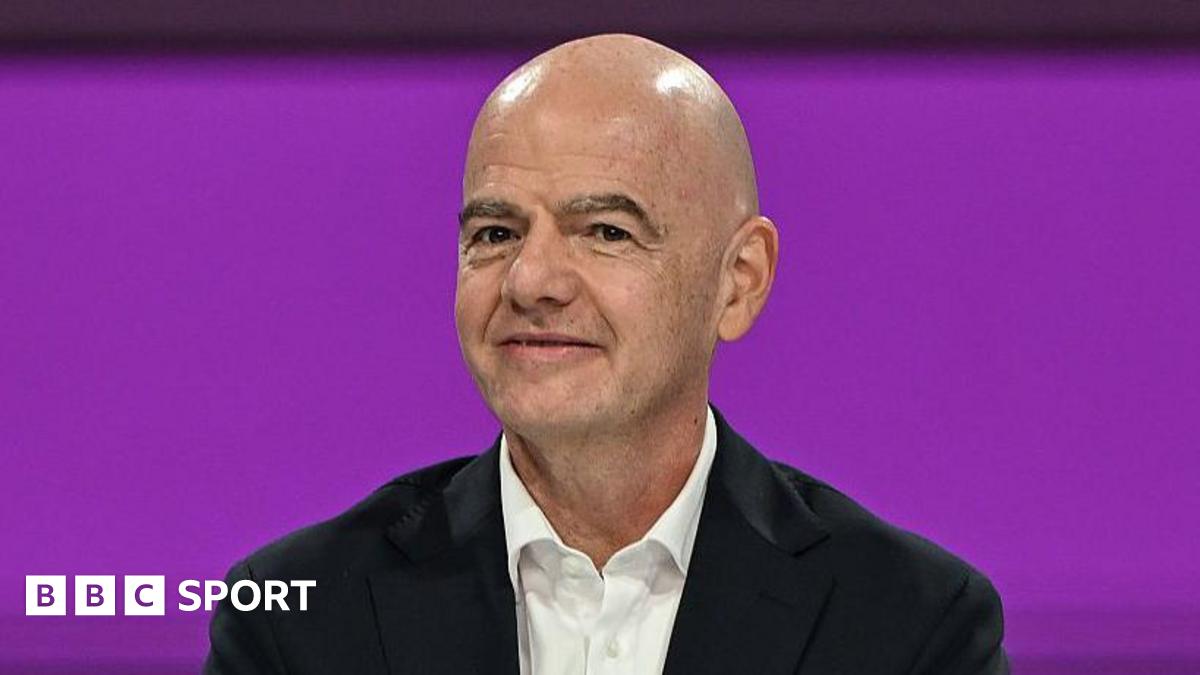
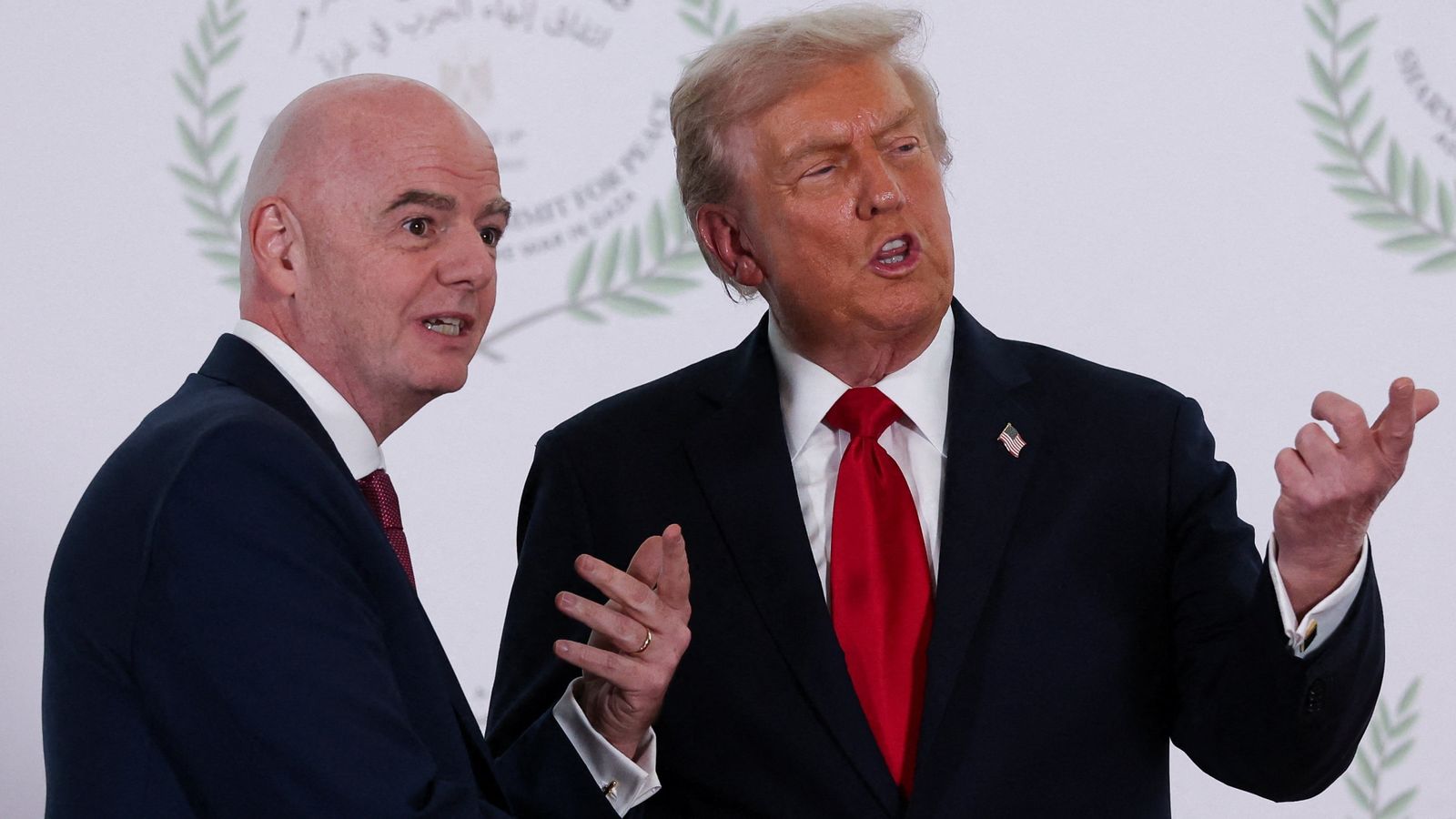
Gianni Infantino, a man whose ability to look straight past glaring global controversies is frankly unmatched, has doubled down. Iran is coming to the United States. And they are playing their group stage matches exactly where they were drawn.
You can practically hear the collective groan from the State Department from here. It is one thing to draw these two nations together on a neutral pitch. We've seen that movie before. The 1998 clash in Lyon gave us the iconic pre-match photo of players exchanging white roses. The 2022 meeting in Qatar was incredibly tense but ultimately contained within a tightly controlled, neutral environment.
This is completely different. This isn't a neutral venue. This is the US hosting the Iranian national team on American soil amid some of the frostiest diplomatic relations we've seen in decades.
Infantino's stubborn optimism
According to the recent reports from Sky Sports, the FIFA president is sticking firmly to the script. The games will go ahead as planned. No venue changes. No shifting Iran's matches exclusively to Mexico or Canada to save everyone the headache.
Infantino's stance is classic FIFA. Football unites the world. The pitch is a sanctuary from politics. It sounds absolutely great in a press release. It sounds incredibly naive when you start factoring in visa issuances, security protocols, and the very real possibility of massive protests outside the stadiums.
Let's be real for a second. The logistics of simply getting the Iranian delegation into the country is a nightmare. We are not just talking about twenty-six players. We are talking about coaches, medical staff, kit men, and federation officials.
Every single one of those individuals requires an extensive background check, travel waivers, and a level of bureaucratic red tape that usually takes months to clear. We are exactly 42 days from the June 11 kickoff. The clock isn't just ticking; it is screaming.
The visa bloodbath
Have we forgotten how hard it is to get athletic visas approved under normal circumstances? Track and field athletes miss meets in the US all the time because their paperwork gets stalled in some administrative purgatory.
Now, imagine trying to fast-track visas for a state-sponsored delegation from a nation with heavy US sanctions. The State Department does not care about Infantino's grand vision for global unity. They care about strict adherence to federal law.
If even one backup goalkeeper or assistant physio gets flagged, it becomes an international incident. The Iranian federation will cry foul. FIFA will issue a strongly worded memo. And the US government will simply point to the rulebook. It is a massive, unnecessary risk.
Why didn't they just move them?
This is the part that genuinely baffles me. The 2026 tournament is co-hosted by three massive countries. The US, Canada, and Mexico. They have literally built a tri-nation safety net for situations exactly like this.
When the draw was finalized and the group stage locations were mapped out, someone in Zurich had to look at Iran playing their group games in the US and think, "Maybe we just quietly slide them over to Monterrey or Toronto?"
It would have been so easy. Canada has a massive Iranian diaspora. Mexico has incredible facilities. Moving the games north or south of the border would have defused the tension immediately.
But no. FIFA loves to lean into the drama. Or perhaps they genuinely believe their own rhetoric that the World Cup bubble is impervious to real-world issues. Either way, they have boxed themselves into a corner. Moving the games now would look like a concession to political pressure, which FIFA absolutely hates doing.
So, we are stuck with the plan. Iran will land in the US. They will train in US facilities. They will play in massive American stadiums.
The security nightmare
Then there is the actual matchday experience. American stadiums are massive. Managing crowd control for a standard NFL Sunday is tough enough. Now add the intense geopolitical baggage of Iran playing in a major American city.
You are dealing with potential protests from various groups. You are dealing with heightened security threat levels. You are asking local law enforcement agencies to essentially run mini-summits of international security protocols for a 90-minute football match.
Think about the sheer cost. Local police departments are going to burn through millions in overtime pay just to secure the perimeters. Snipers on the roof. Bomb-sniffing dogs at every gate. It is going to look less like a festival of football and more like a NATO summit.
Ghosts of World Cups Past
We have seen politics bleed into the World Cup before. It is naive to pretend otherwise. The 1978 tournament in Argentina was played under the shadow of a military junta. The 2018 edition in Russia was basically a massive PR exercise for Vladimir Putin. Qatar 2022 was dominated by debates over human rights and beer bans.
But those were host nation issues. The entire tournament was colored by the politics of the country throwing the party. This situation with Iran is different because it is a highly localized, hyper-specific point of friction dropped right into the middle of an otherwise massive, continent-spanning event.
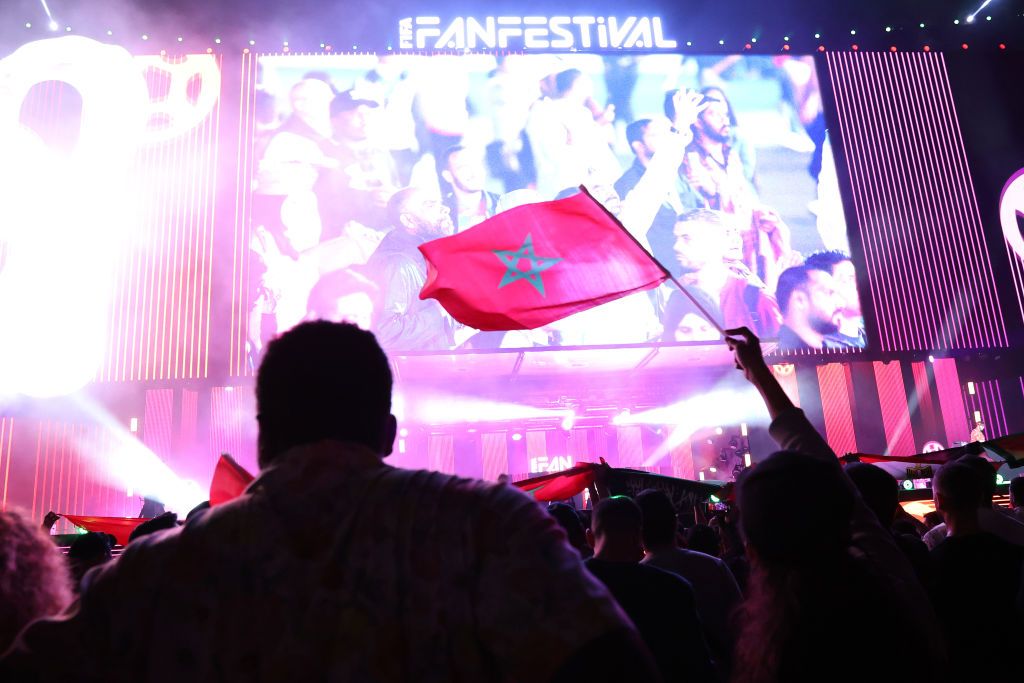
If you are a fan traveling to see Spain play Morocco in Miami, you are probably going to have a fantastic time. If you are trying to attend an Iran match in whichever US city gets tasked with hosting them, you are walking into a fortress.
It creates a two-tiered tournament experience. One half of the World Cup is a massive corporate tailgate party. The other half feels like a UN security council meeting where everyone is wearing cleats.
The players caught in the crossfire
Look, I love the World Cup. I love the unpredictable nature of it. But pretending this is just another fixture is ridiculous. And it is incredibly unfair to the guys who just want to play.
The players themselves are always the ones caught in the middle of this garbage. Remember the Iranian squad during the Qatar tournament? They faced immense, crushing pressure. State media back home scrutinized their every move. International observers demanded they make political statements during the national anthem.
Now, they have to navigate all of that exact same pressure while playing in the backyard of their country's biggest geopolitical rival.
These are athletes, not diplomats. Mehdi Taremi is a fantastic striker. He shouldn't have to answer questions about nuclear proliferation or foreign policy in the mixed zone. He should be answering questions about his conversion rate in the box.
But that is the reality Infantino has forced upon them. The focus will entirely shift away from the pitch. Every press conference will be loaded with political tripwires.
The countdown to kickoff
We are just under six weeks away from the opening match. The focus should be on the expanded format. We should be debating whether a 48-team tournament dilutes the quality of the group stage. We should be arguing over who the real favorites are, or if the USMNT can actually make a deep run on home soil.
Instead, we are looking at visa applications and State Department briefings.
Will the games go off without a hitch? Probably. The US knows how to host massive events. The security blanket will be suffocating. Fans will get to their seats, the whistle will blow, and for 90 minutes, it will just be twenty-two guys kicking a ball around.
But the build-up is going to be exhausting. Every crowd shot will be scrutinized. Every refereeing decision will be framed as a massive conspiracy.
If an American ref gives a soft penalty against Iran in the 89th minute, the internet will literally melt down. It won't just be a bad call; it will be framed as an international incident.
Infantino got what he wanted. The matches stay in the US. Let's just hope FIFA knows exactly what kind of fire they are playing with. Because right now, it looks like they are strolling into a fireworks factory with a lit match.
The 2026 World Cup hasn't even started, and the drama is already off the charts. We are staring down the barrel of a logistical and political catastrophe, all because FIFA refuses to acknowledge the real world exists outside their VIP suites.
Read Next
- The World Cup hype train is off the rails and I am here for it
- The World Cup is 42 days away and the chaos is already starting
- Vinicius Jr is now the most powerful man in world football
- FIFA is hurtling toward a disciplinary and financial meltdown this summer
- 🏆 World Cup 2026 — Full Coverage Hub
- 🇮🇷 Iran World Cup 2026 — Team Melli Hub