It is April 29, 2026. We are exactly 43 days away from the biggest, most bloated sporting event in human history kicking off across North America. The expanded 48-team FIFA World Cup starts on June 11, and you would naturally assume the timeline is flooded with actual football discussion. You would think we are debating whether England's midfield is too fragile, or if Argentina can defend their crown, or which obscure nation is going to get absolutely battered in the new group stages.
Nope. Instead, the hottest topic on football social media right now is federal tax law. Because in the modern game, the most intense battles happen in backrooms between lawyers, not on the pitch.
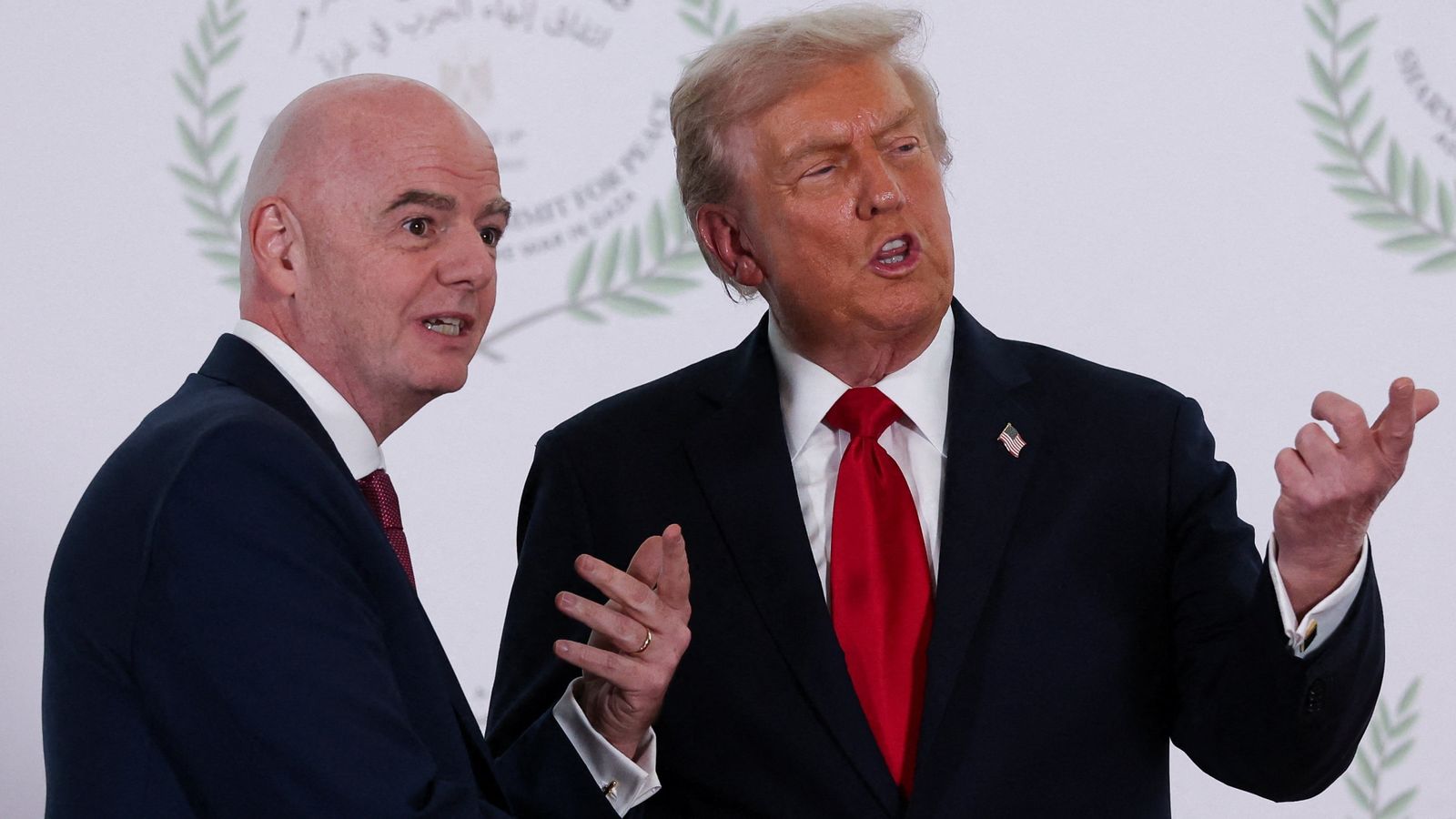
The Guardian dropped a massive report today confirming what many cynical fans already suspected. FIFA is poised to secure a last-minute federal tax exemption for all competing teams. They have been locked in intensive negotiations with the US Treasury, and it looks like the governing body is going to get its way. This means the participating federations and the players themselves will likely avoid paying federal income tax on the prize money and earnings generated during the month-long circus.
Predictably, the internet has completely fractured over this news. The reaction ranges from weary acceptance to absolute nuclear meltdowns. Let's break down the chaos.
The corporate apologists arrive
If you venture into the more corporate-leaning football forums or the business-of-sports subreddits, you will find a surprisingly vocal contingent defending this move. These are the guys who genuinely enjoy reading financial reports more than watching a match.
Their argument boils down to one depressing reality. This is just how mega-events work. When the United States bid for this tournament years ago, they knew exactly what they were getting into. FIFA operates like a sovereign nation. They do not ask for concessions; they demand them. The IOC pulls the exact same stunt for the Olympics.
If you want the prestige of hosting the world, you have to let the organizers operate outside your normal legal frameworks. One prominent poster argued that the administrative burden of forcing dozens of different national setups to comply with the IRS would be catastrophic.
Imagine the logistics of a smaller federation, already stretched thin just paying for flights and hotels. Suddenly they need a dedicated American tax attorney to handle appearance fees for their squad. The argument is that the economic stimulus of hosting these games more than offsets the lost federal tax revenue from the players' earnings.
These defenders treat the exemption as a massive win for bureaucratic common sense. They view the anger from regular fans as economically illiterate. To them, the US Treasury caving is just the cost of doing business at the highest level of global sports.
The absolute outrage from the terraces
Step outside those sterile financial debates, and the mood is utterly venomous. The vast majority of fans are furious. Honestly, their anger is completely justified.
We are staring down the barrel of a tournament where the average supporter is going to get squeezed for every last dime. Ticket prices on the secondary market are already completely detached from reality. If you want to take your family to a group stage match in Miami or New York, you are looking at a small fortune.
Add in the gouging from local hotels, the exorbitant cost of flights, and the criminal prices for concessions inside the stadiums. This World Cup is shaping up to be an elitist luxury product. So, when the average fan reads that FIFA managed to strong-arm the US Treasury into giving a tax break to the wealthiest athletes and organizations on earth? It is incredibly offensive.
The hypocrisy is the main talking point. Fans are pointing out that if a local vendor sells scarves outside the stadium, the IRS expects their cut. If a fan buys a $200 replica jersey, they are paying sales tax. But the multi-millionaire striker wearing that same jersey on the pitch gets a federal pass.
It reinforces the prevailing narrative that football has completely abandoned its working-class roots. The game is now structured to protect the wealth of those at the top while extracting maximum value from the legacy fans at the bottom. There is zero sympathy for the administrative burden argument here.
Enter the local tax auditors
There is one brilliant, hilarious detail buried in The Guardian's report that has spawned an entirely different genre of reaction. While FIFA might have successfully bullied the federal government, the article notes that many teams will still have to pay US state and city tax.
This has absolutely delighted the chaos agents online. Anyone who lives in the US knows that while the federal government can be negotiated with, state tax boards are utterly relentless. They do not care about FIFA's prestige. They care about their revenue.
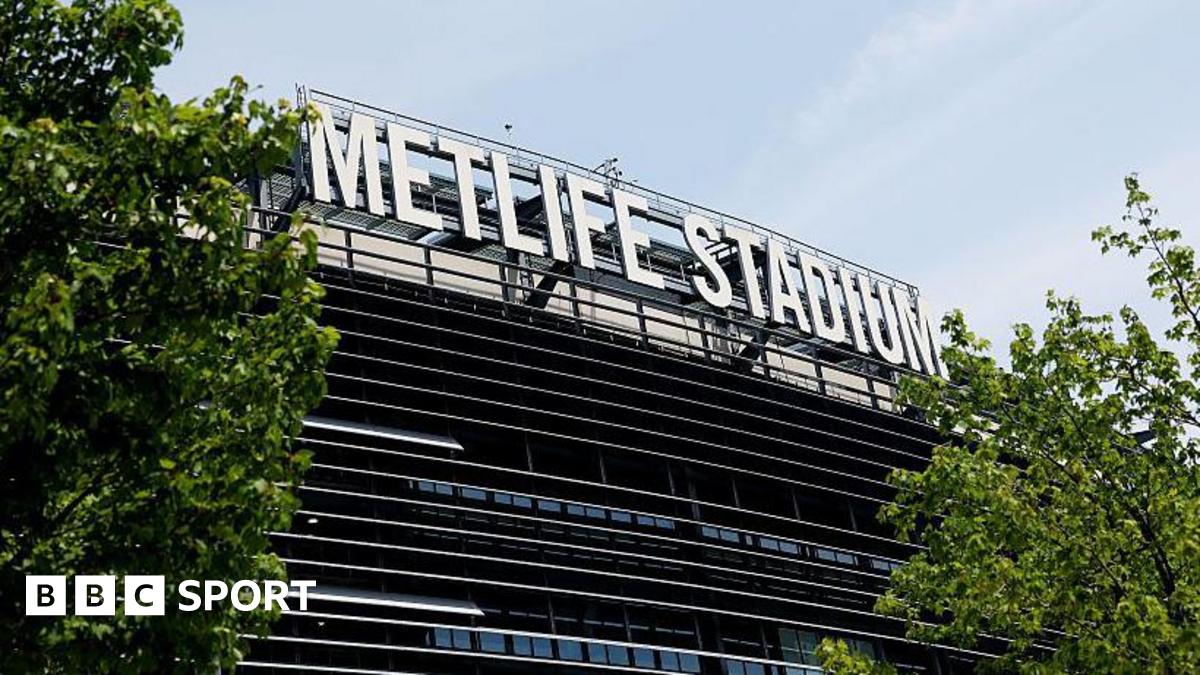
The memes right now are incredible. People are actively cheering for the California Franchise Tax Board to launch a full-scale audit of the Brazilian national team. There are massive threads debating how aggressive the state of New York will be if a major European nation wins a semi-final at MetLife.
Will they intercept the team bus before it gets to Newark airport? This loophole exposes the limits of FIFA's power. They can lobby Washington D.C. all they want, but dealing with local municipalities who are currently struggling to fund public schools and fix potholes is a different beast entirely.
Fans are taking perverse pleasure in the idea of these mega-wealthy federations getting nickel-and-dimed by aggressive city tax collectors. It is the only form of justice left in modern football.
Who actually wins this miserable fight?
Let's cut through the noise and look at the grim reality of the situation. I have watched FIFA maneuver for years, and this outcome was entirely predictable. They intentionally leave these final legal demands until the final hour.
With the tournament just weeks away, they created a high-pressure scenario where the host nation simply had to blink first. Canceling or disrupting the event over a tax dispute was never a viable option for the US government.
The fans are completely right to be disgusted. The optics of this deal are horrific. It is fundamentally gross that a massive, profit-generating sporting body can just opt out of the societal contract that everyone else has to follow.
However, the cynical business crowd is also technically correct. Dragging 48 national teams through IRS audits would have been a diplomatic disaster and an administrative nightmare. The system is rigged, but forcing the World Cup into standard tax compliance would have probably broken the tournament logistics entirely.
Ultimately, FIFA got exactly what they wanted, which is the only constant in global football. But the collateral damage is real. Instead of building hype for the actual matches, they have reminded everyone just how deeply unfair the financial structure of the sport has become.
As we count down the final weeks to June 11, we should be arguing about tactics and dark horses. Instead, we are arguing about fiscal policy and municipal tax codes. The real winners are the lawyers, and the losers, as always, are the fans who just wanted to watch some football.
Read Next
- Gianni Infantino's mouth-covering red card is a catastrophic idea
- The Afghan women's team is back, but the real fight with FIFA starts now
- FIFA finally recognizes the Afghanistan women and it only took three years of cowardice
- IFAB's new mouth-covering red card rule will ruin the World Cup
- 🏆 World Cup 2026 — Full Coverage Hub