The Death of the Private Dispute
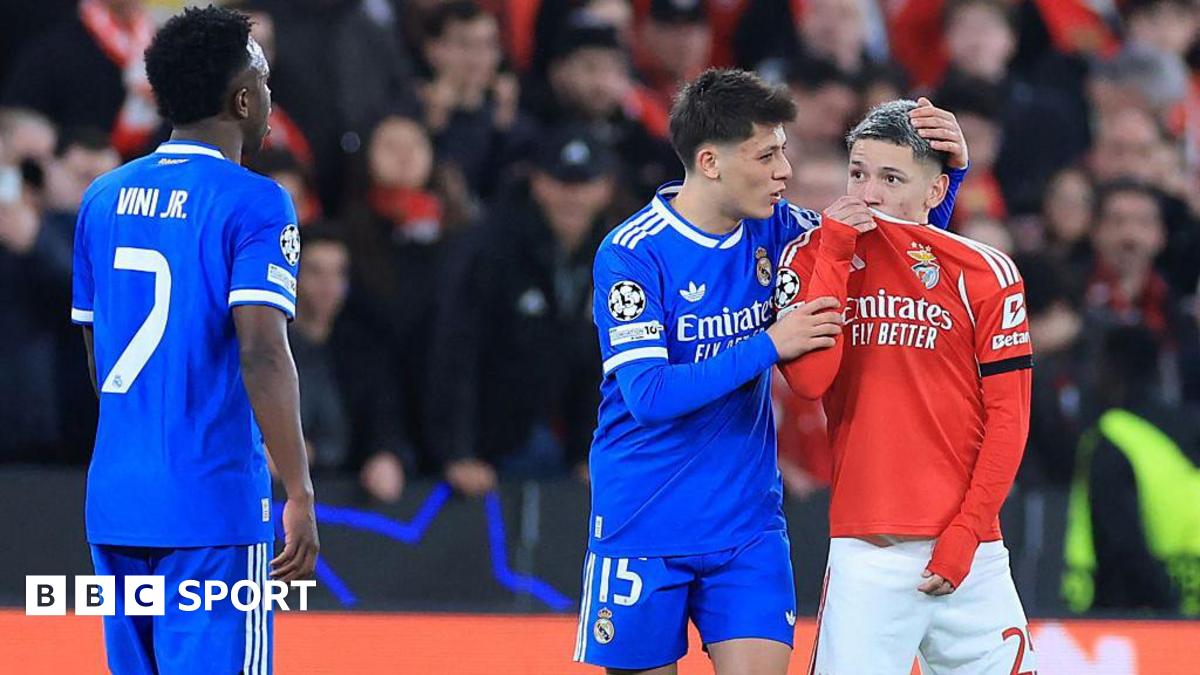
It starts with a simple, almost unconscious gesture. A hand raised, fingers curled over the lips. For the better part of a decade, this has been the default posture of the modern footballer holding a conversation on the pitch.
You see it in the defensive wall before a free-kick. You see it when a manager pulls a midfielder to the touchline. You see it, most notably, when two players are squaring up after a nasty challenge. The paranoia is completely justified.
Broadcasters have spent years employing amateur lip-readers on social media to decode every tactical whisper and frustrated insult. The hand over the mouth became a necessary shield against the forensic gaze of high-definition cameras.
But ahead of the 2026 World Cup, the lawmakers have decided they have seen enough. IFAB, football’s eternally tinkering rule-making body, has dropped a tactical bomb on the tournament.
According to a report from The Guardian, any player who covers their mouth when confronting an opponent at this summer's World Cup will be shown an automatic red card.
Let that sink in. An automatic red. Not a yellow. Not a quiet word from the referee. A straight dismissal on the biggest stage in sport.
The Prestianni Precedent
The rule also extends to players who leave the pitch in protest at a refereeing decision. Walk off, and you are officially sent off. There is no grey area.
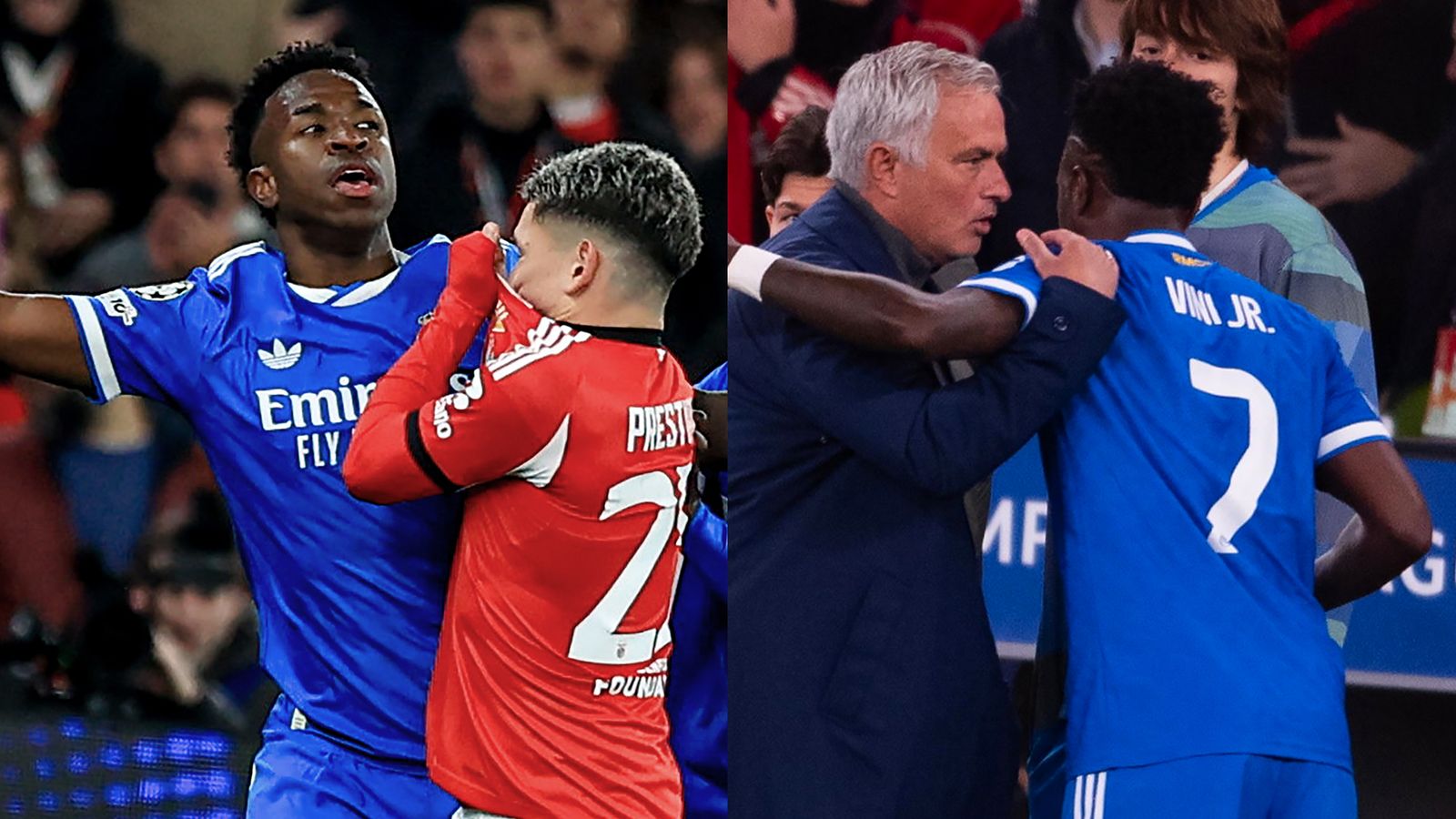
These changes are reportedly a direct response to recent high-profile incidents. The lawmakers specifically looked at the fallout surrounding Gianluca Prestianni and the chaos of the recent AFCON final. The governing bodies are terrified of losing control of the broadcast narrative.
They want the dissent visible, or rather, they want the players completely silenced. This is an astonishing overreach by officials who watch the game on iPads rather than feeling the heat of the pitch.
Think about the sheer mechanics of a high-stakes football match. The pulse is at 180 beats per minute. Adrenaline is flooding the nervous system. A cynical foul is committed. Players rush in.
In that chaotic scrum, hands go everywhere. Players push, they point, they grab shirts. Often, a player will instinctively put a hand near their face, or pull their shirt collar up, simply out of nervous habit or to wipe away sweat.
An Impossible Task for Referees
Now, a referee has an impossible job. Already burdened with managing the physical confrontation, checking VAR protocols in their earpiece, and separating angry athletes, they must now accurately determine intent.
They have to judge if a hand was intentionally covering a mouth to mask an insult. It introduces a catastrophic level of subjectivity into a punishment that dictates the outcome of a match.
Let us look at the tactical implications. Teams already employ dark arts to provoke opponents. Imagine the scene in the knockout stages.
You are facing a combustible center-back. Your instructions are no longer just to tackle him hard or nip at his heels. Your job is to get in his face, say something vile, and wait for him to instinctively cover his mouth to respond.
The moment his hand goes up, you appeal to the referee. It is weaponized provocation. We have spent years trying to eliminate diving and feigning injury. IFAB has just invented a brand new way for players to cheat.
Rewiring Player Instincts
National team managers are now facing an absurd coaching dilemma. You have four weeks of training camp before the tournament begins.
Normally, you spend that time drilling defensive shapes, set-piece routines, and offensive transitions. Now, managers have to hold seminars on hand placement.
Imagine the coaching staff at the English FA or the Brazilian CBF setting up training drills where players are actively penalized for touching their faces. It sounds like a comedy sketch, but it is the new reality.
Players have spent their entire careers developing these tics. A holding midfielder pointing to his mouth while giving instructions is as natural as breathing.
To ask them to completely rewire their physical instincts in the middle of a high-pressure, exhaustion-inducing summer tournament is managerial malpractice by IFAB.
We will undoubtedly see players wearing snoods pulled up over their mouths, even in the sweltering North American summer, just to avoid the risk entirely.
Alternatively, players might start carrying towels or water bottles everywhere they go during a stoppage in play, using props to obscure their faces legally.
It turns the pitch into a theater of the absurd, where avoiding a red card becomes a performance art separate from the actual playing of the sport.
The Historical Trap of Tournament Directives
Every major international tournament arrives with a shiny new refereeing directive. FIFA and IFAB love to use the World Cup as a laboratory for their latest obsessions.
Think back to the 1998 World Cup in France. The directive then was a strict crackdown on the tackle from behind. It was a noble pursuit in theory, designed to protect flair players. In practice, it led to a spike in early, soft red cards that ruined group stage games.
Or cast your mind to 2006 in Germany. The mandate was to eradicate violent conduct and cynical fouls. What we got was the Battle of Nuremberg between Portugal and the Netherlands.
That specific match yielded four red cards and 16 yellows. The referee, Valentin Ivanov, lost total control precisely because he was rigidly applying a pre-tournament edict rather than managing the temperature of the specific game.
This mouth-covering rule is destined to follow the exact same trajectory, but with even less justification. At least tackles from behind physically endanger opponents.
The Protest Walk-Off Danger
The second part of the rule—the red card for leaving the pitch in protest—is equally fraught with danger.
Walk-offs have historically been used as a desperate, powerful tool against racist abuse from the stands. If a team feels the referee is ignoring monkey chants, leaving the pitch is their ultimate weapon.
Does this new rule punish that action? The wording specifies protesting a refereeing decision. But what if the referee's decision is to ignore the abuse?
Does a captain leading his team down the tunnel now automatically forfeit the game and earn a suspension? The lack of nuance in the drafting of this law is staggering.
The Inevitable VAR Circus
The introduction of VAR was supposed to eliminate clear and obvious errors. Instead, it has become an instrument for forensic pedantry. Now, we are feeding this beast a completely subjective new metric.
When the tournament kicks off on June 11, the VAR rooms in the broadcast centers will be hyper-focused on player interactions.
Imagine a scenario in a tight group stage match. A foul is committed on the edge of the box. The defending team surrounds the referee. The attacking players run in to demand a card.
In the middle of it, a defender turns to an attacker. He brings his hand up. Maybe he is shouting an insult. Maybe he is coughing. Maybe he is adjusting his gum shield.
Play resumes. Two minutes later, the referee pauses the game. The VAR has spotted the hand movement. The referee jogs to the monitor.
He watches the interaction in super-slow motion. Stripped of real-time context, every movement looks malicious. He returns to the pitch and pulls out a red card.
A team is reduced to ten men. The tactical shape is destroyed. The manager has to burn a substitution to bring on a defender, sacrificing an attacker. The entire complexion of the match is permanently altered.
Sanitizing the Friction
There is a fundamental misunderstanding of why players cover their mouths during confrontations. Yes, sometimes it is to hide a slur.
But just as often, it is a de-escalation tactic. It is a way of venting frustration, of calling an opponent a disgrace, without letting the amateur lip-readers turn it into a back-page scandal.
It keeps the aggression localized. It keeps the dispute on the grass.
By forcing players to keep their mouths visible, IFAB is demanding that all trash talk be public. They are guaranteeing more post-match FA charges, more media outrage, and ultimately, more actual physical altercations.
If you cannot insult a man privately in the heat of battle, you might just shove him instead.
The 2026 World Cup is going to be the biggest in history. 48 teams. Sprawling across North America. The logistical hurdles are already immense.
The football itself should be the focus. The tactical battles between South American pragmatism and European control. Instead, we are going to be talking about hands.
I will make a prediction right now, and I will own it. This rule will ruin a massive game.
We are going to see a major contender have their tournament ended because a key midfielder gets sent off in the 75th minute of a tight quarter-final for putting his hand over his mouth.
The outrage will be deafening. The manager will tear into the officials in the press conference. And IFAB will sit in their headquarters, wondering why nobody appreciates their efforts to clean up the game.
Football does not need to be sanitized to this degree. It is a sport of friction. You cannot legislate the anger out of a knockout match.
Read Next
- Gianni Infantino's mouth-covering red card is a catastrophic idea
- Gianni Infantino thinks he’s the Pope and Canada isn’t having it
- Lamine Yamal is officially in a race against the World Cup clock
- Scotland's World Cup shutdown masks Steve Clarke's attacking problem
- 🏆 World Cup 2026 — Full Coverage Hub