The News: FIFA Draws a New Line
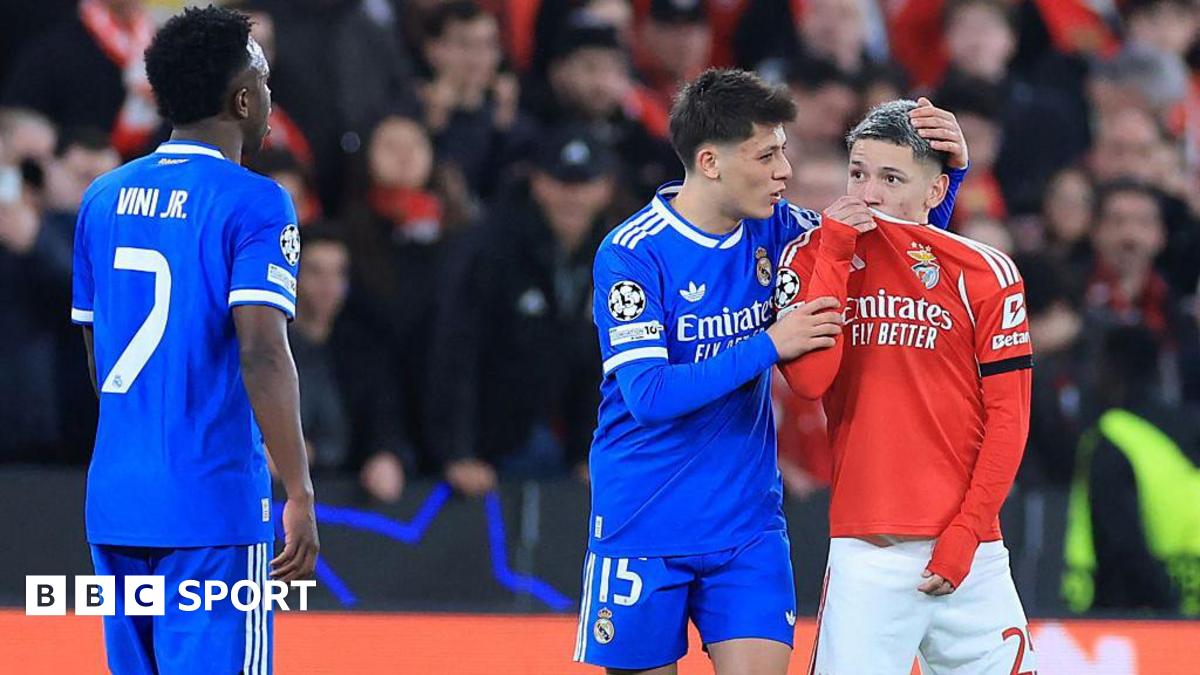
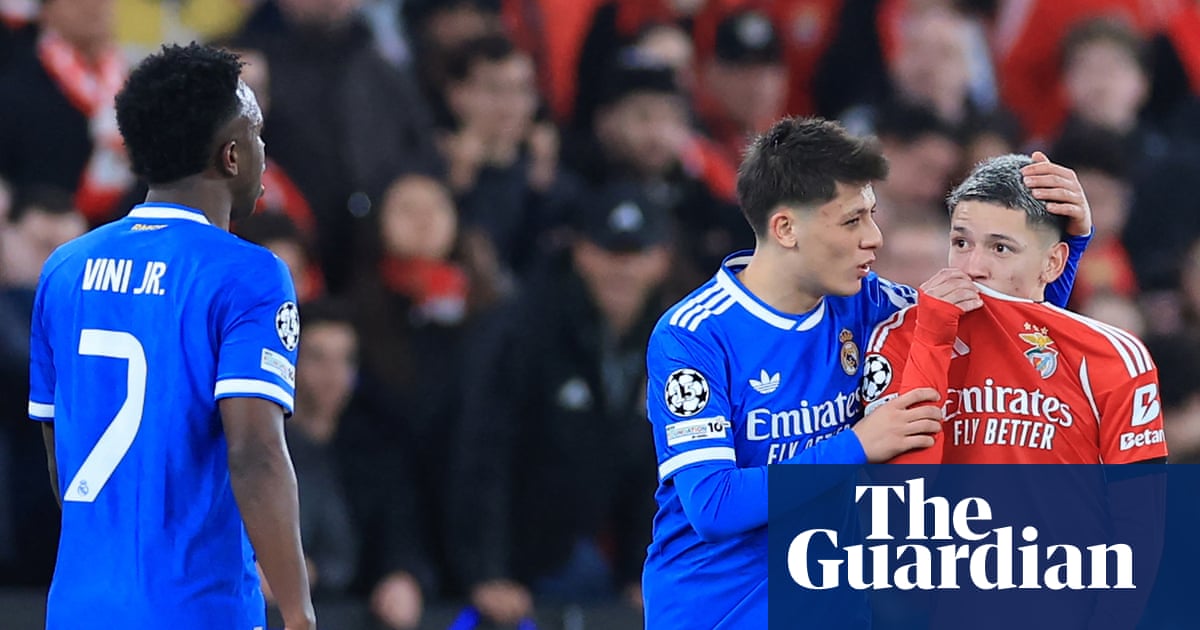
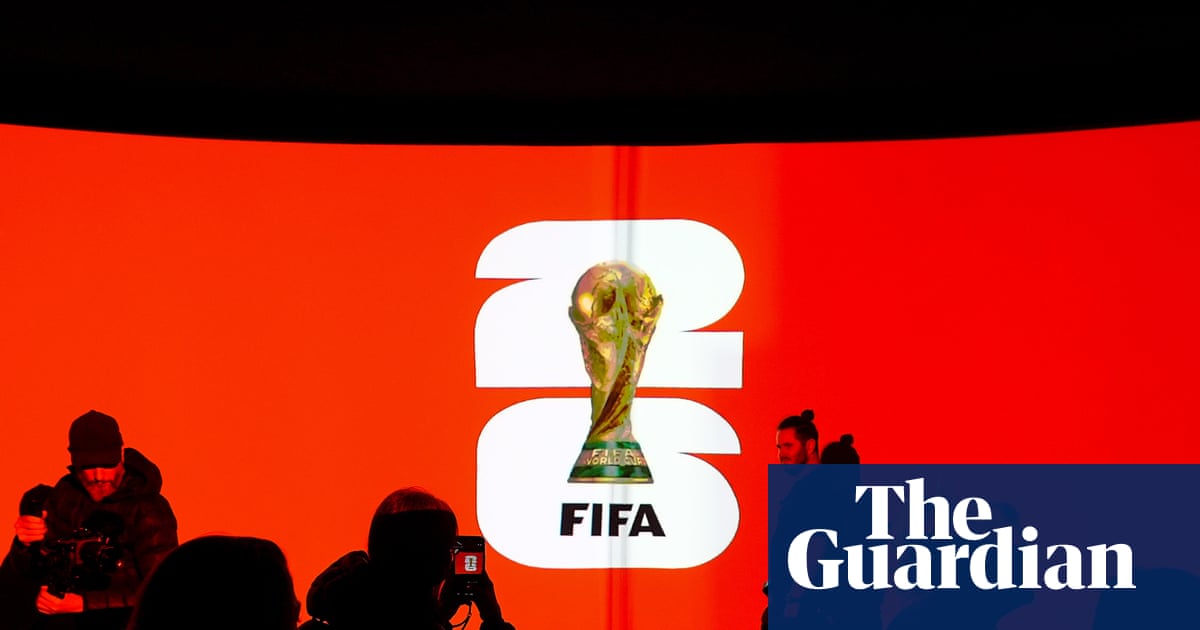
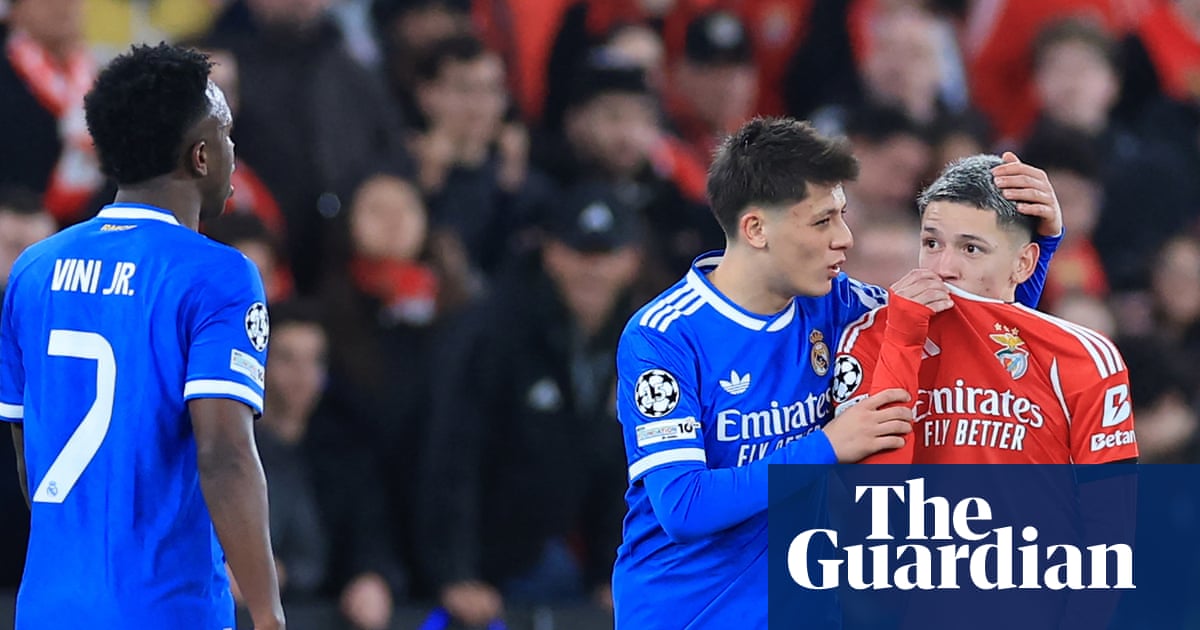
With the 2026 World Cup now just weeks away, FIFA has decided to introduce one of the most radical on-field disciplinary changes in recent memory. In a move driven directly by president Gianni Infantino, any player who covers their mouth during a confrontation with an opponent will receive an automatic red card. The rule change, first reported by The Guardian, will be enforced at this summer's tournament in the USA, Canada, and Mexico.
The directive is not yet a permanent change to the laws of the game from the International Football Association Board (Ifab), but rather a FIFA-specific mandate for its flagship competition. A second, equally firm, instruction was also approved: any player who leaves the pitch in protest at a refereeing decision will also be shown a straight red card.
Behind the Mandate: A Push for Transparency
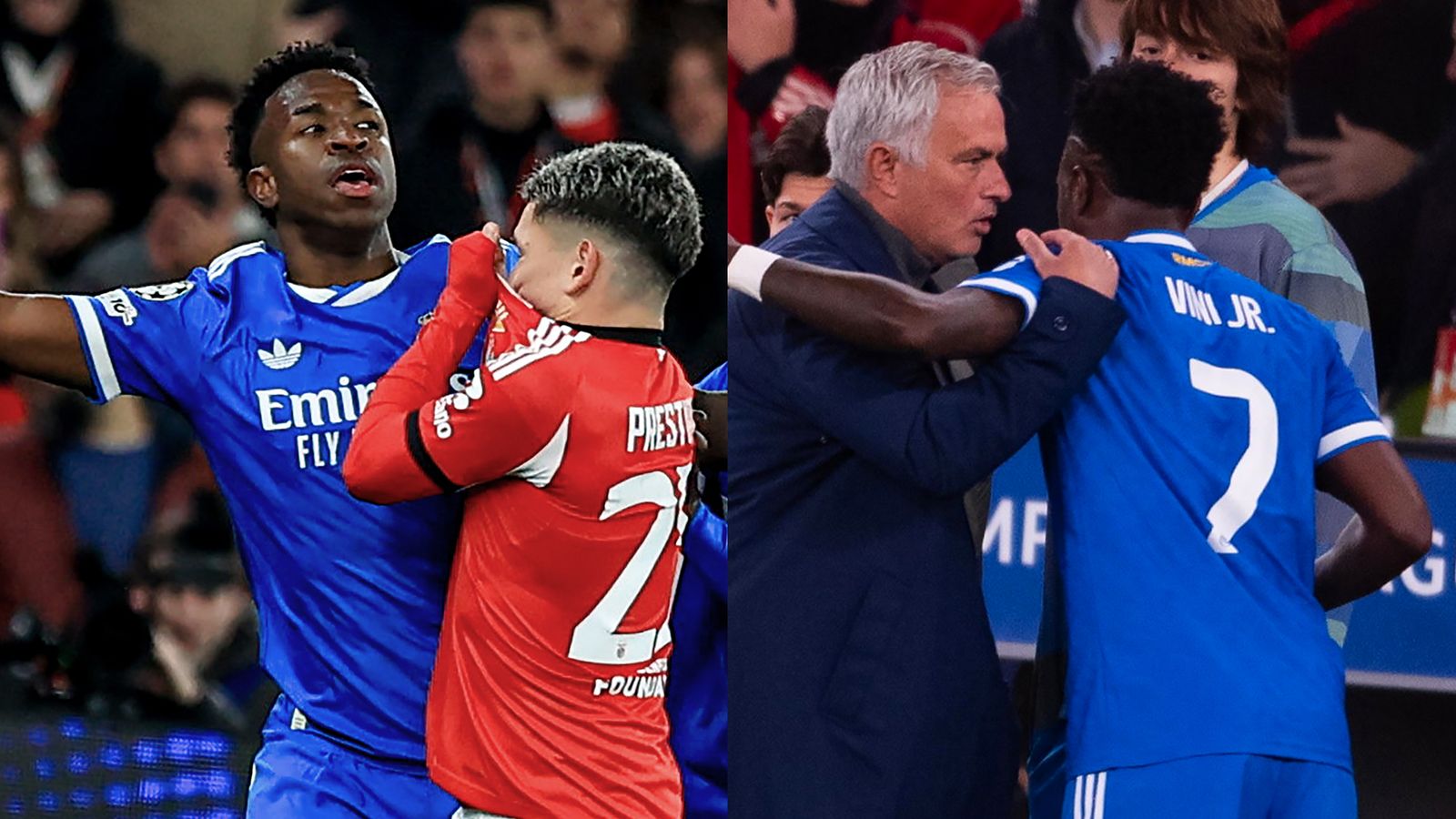
This is a direct and aggressive move to legislate player behavior that has become commonplace. For years, players have shielded their mouths in heated moments, making it impossible for officials, cameras, and lip-readers to discern what was said. FIFA's stance is a clear attempt to enforce total transparency and accountability.
The context is impossible to ignore. As reported by the Daily Mail, the rule is seen as a response to several high-profile incidents of alleged racism where investigations were hampered by the practice. The 'Vinicius law', as some have dubbed it, aims to prevent players from hiding verbal abuse during on-field spats. Infantino's message is clear: if you have something to say, say it in the open.
The recent Africa Cup of Nations final, which was marred by controversy, likely served as another catalyst. FIFA is clearly determined to prevent its showpiece tournament from being overshadowed by unmanageable player dissent or, worse, incidents of abuse that cannot be proven or punished.
On-Pitch Impact: A Refereeing Nightmare?
While the intent is noble, the practical application could be chaotic. Players cover their mouths out of deeply ingrained habit — sometimes to obscure tactical instructions, sometimes just instinctively during an argument. Forcing a behavioral change just weeks before the highest-pressure tournament of their careers is a massive ask. We could be heading for a group stage littered with red cards as players adjust in real-time.
This new rule could become a refereeing minefield. The definition of a "confrontation" is subjective. What if a player is simply speaking animatedly to a teammate or even to themselves in frustration? A referee, from a distance and in a split second, must judge the player's intent. A wrong call, a red card for a player who instinctively raised his hand to his face, could decide a knockout match and create a firestorm of controversy far greater than the problem it aims to solve. The punishment feels disproportionate to the act, a well-intentioned policy with a high potential for disastrous execution.
The directive to send off players who leave the field is more straightforward. It’s a binary action and gives officials a clear, unambiguous tool to combat a form of protest that directly challenges the referee's authority. This part of the new policy is less likely to cause controversy.
A Tournament Already Under Pressure
The Broader Context
This disciplinary crackdown doesn't exist in a vacuum. The 2026 World Cup is shaping up to be one of the most grueling tournaments ever. It's the first with the expanded 48-team format, adding more matches to an already saturated global calendar. As Thomas Tuchel and other top managers have noted, players are arriving at the tournament on fumes, with injury lists growing by the day.
Key figures are already in a race against time. As the BBC's injury watch notes, stars like Spain's Lamine Yamal are already ruled out of their club season finales. Croatia remains confident that Luka Modric will recover from a broken cheekbone in time, but the physical toll is immense. Adding this new, strict layer of mental and disciplinary pressure on players could be the straw that breaks the camel's back.
A High-Stakes Gamble
Ultimately, FIFA is making a high-stakes bet. It is gambling that the risk of a few controversial, game-changing red cards is worth the long-term benefit of creating a culture of greater on-field transparency and respect. They are choosing to enforce this just before a tournament where the stakes have never been higher and the players have never been more physically taxed.
The goal is a cleaner game, free of hidden slurs and abuse. But the path there might be paved with some of the most contentious moments in World Cup history. Every fan, player, and official will be hoping the implementation is fair and consistent, but the potential for chaos is enormous. The world will be watching to see if FIFA's bold new era of discipline elevates the game or simply creates a new kind of controversy.
Read Next
- The Championship's final-day drama was born in St Mary's chaos
- Top 10 Moments That Defined the 2025-26 Football Season
- This Year's Champions League Winner Will Be Forged in Midfield
- The USMNT is heading for a World Cup disaster if they don't fix these five things
- 🏆 World Cup 2026 — Full Coverage Hub