A Split in Football's Lawmaking
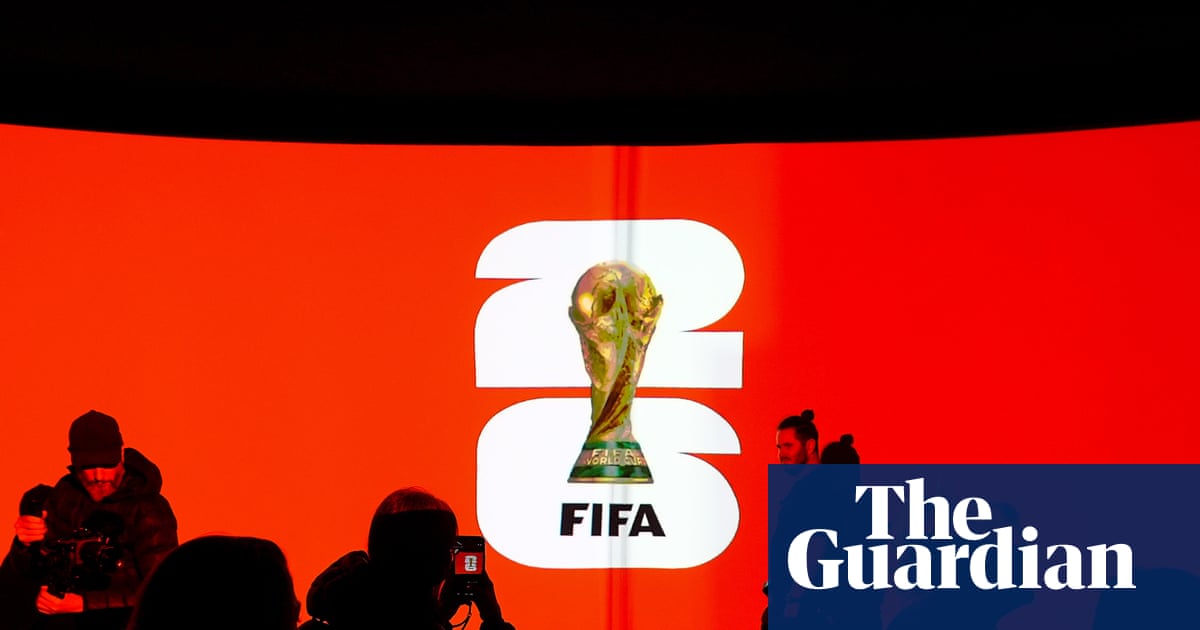
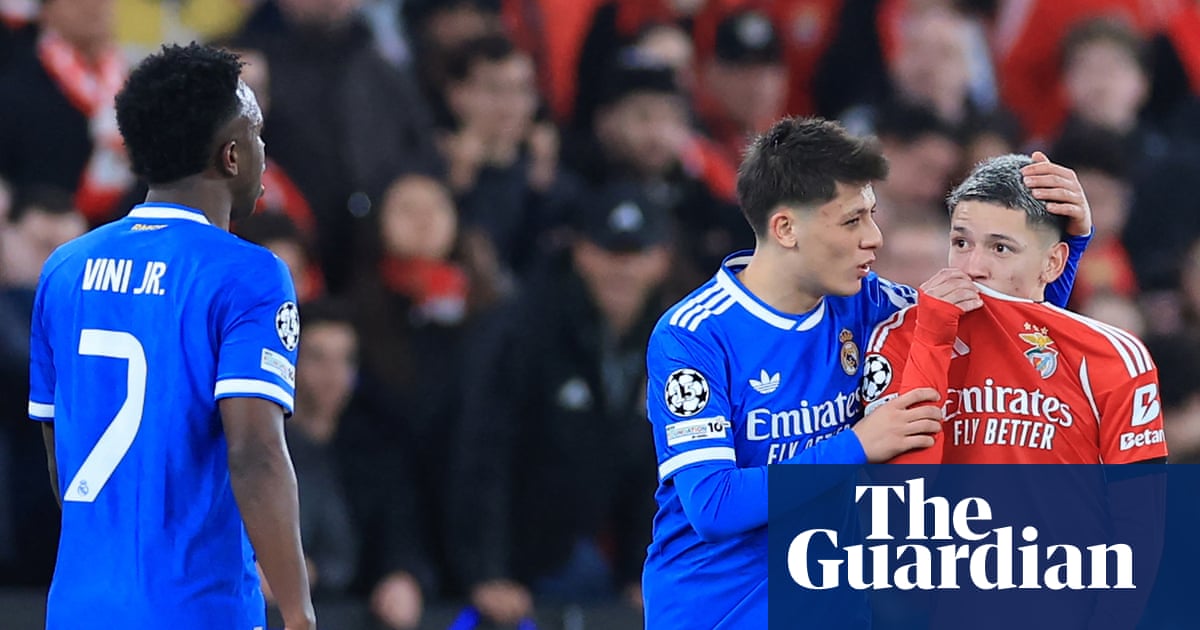
European football will look fundamentally different from the international game this summer. UEFA has officially decided not to follow FIFA’s strict new disciplinary guidelines regarding player dissent, as The Guardian confirmed today. While the upcoming 2026 World Cup will feature automatic red cards for players who cover their mouths when confronting opponents or leave the pitch to protest refereeing decisions, European club competitions will maintain their current standards.
The divide creates a massive headache for players, managers, and fans. When the World Cup kicks off in North America in just over three weeks, the officiating standard will be aggressively zero-tolerance. Yet, when those same players return to their clubs in August for the Champions League, they will operate under a looser, more traditional set of interpretations.
FIFA’s directive was designed to clean up the optics of the game. For years, the sight of players holding a hand over their mouth while muttering insults or tactical instructions has annoyed broadcasters and disciplinarians alike. By making it an automatic red card, FIFA wants to eradicate the behavior entirely. UEFA, however, is taking a wait-and-see approach. They will monitor the World Cup experiment before deciding whether to bring the rule to the Champions League.
The Hand Over the Mouth
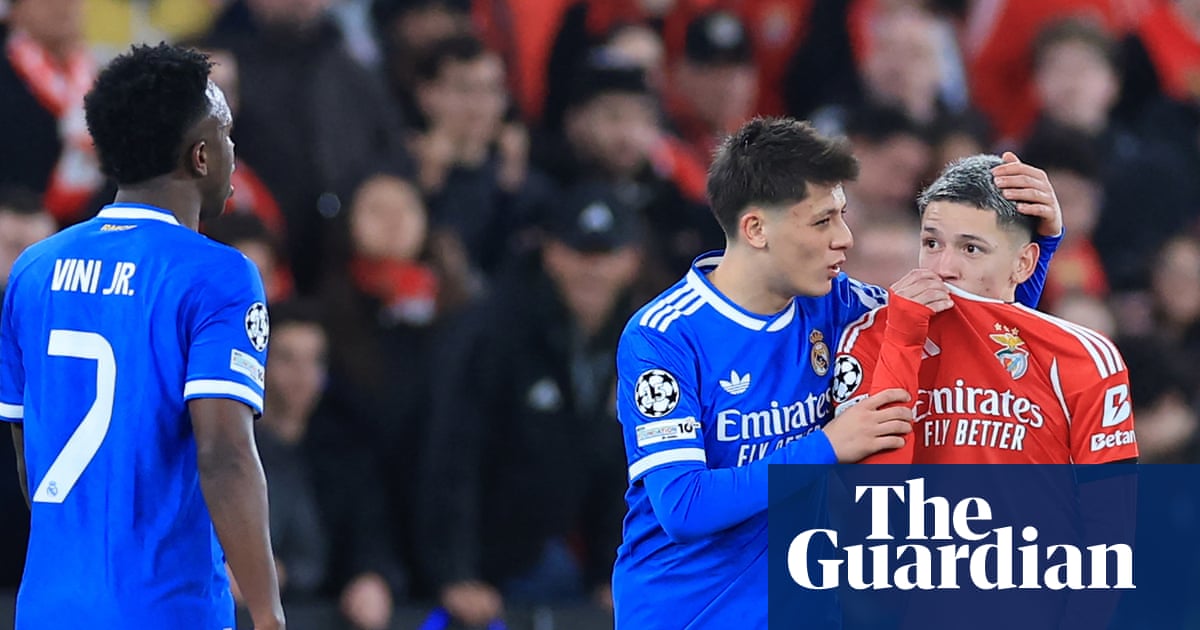
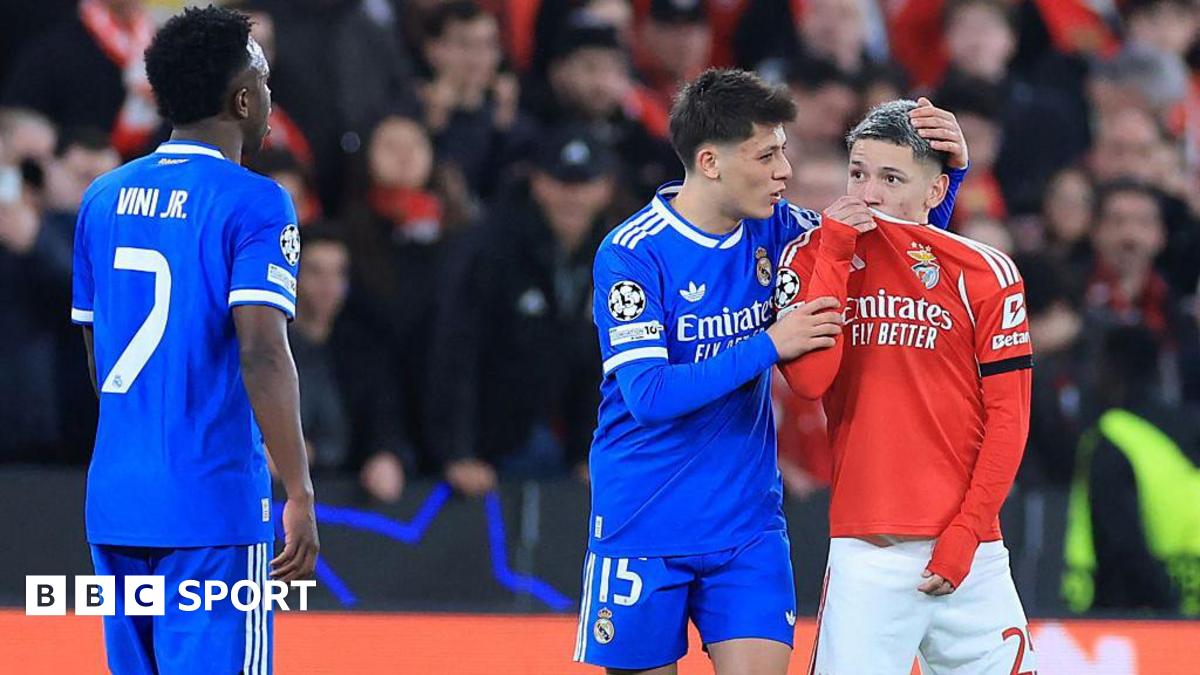
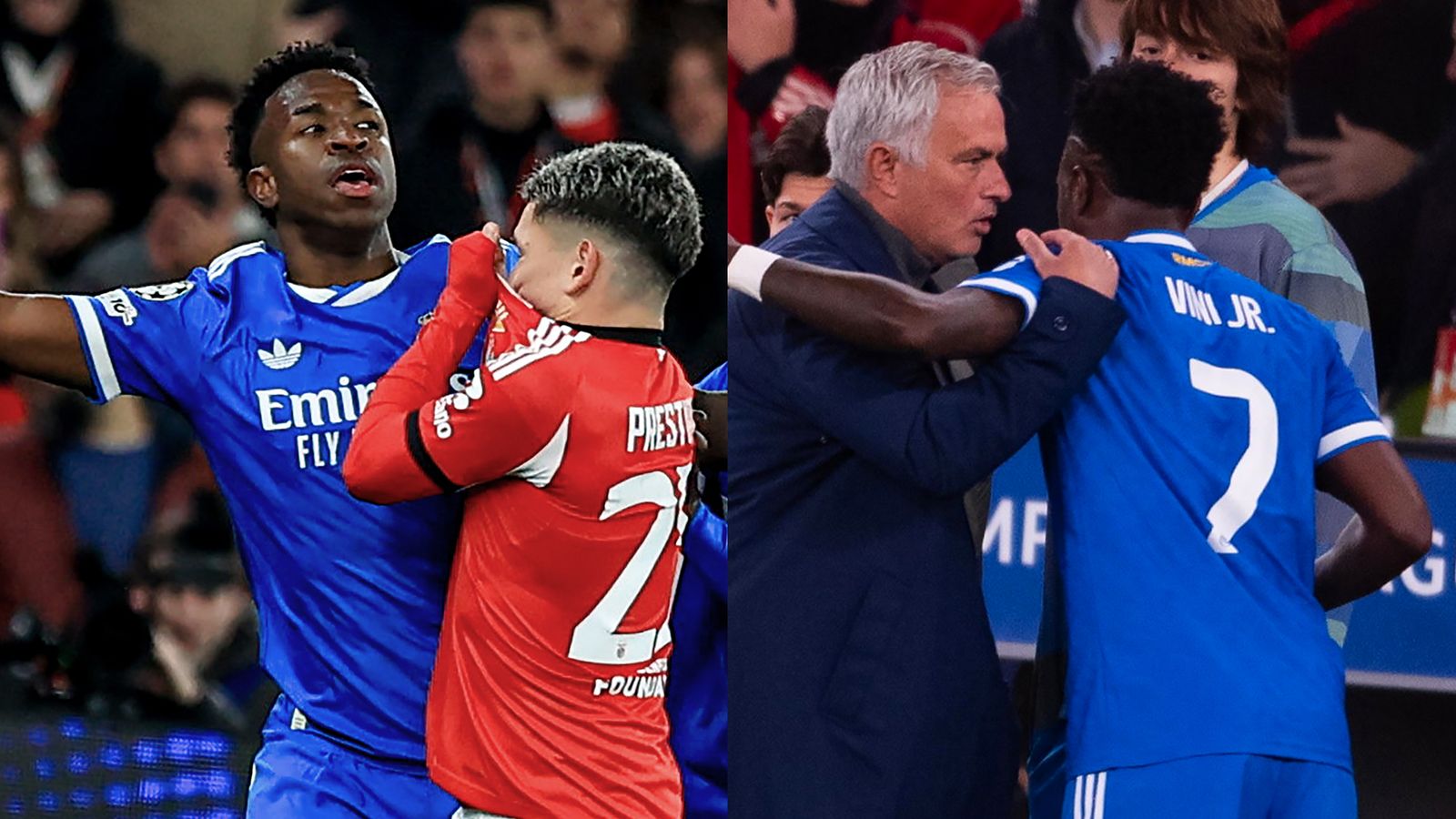
The modern footballer is acutely aware of the camera. Broadcasters dedicate dozens of lenses to capture every bead of sweat and every spoken syllable. In response, players adopted the mouth-cover. It started as a way to hide tactical adjustments from lip-reading opponents. It quickly morphed into a shield for trash talk and referee abuse.
FIFA views the gesture as inherently suspicious. If a player is covering their mouth while confronting an official, the assumption is that the language crosses a line. An automatic red card eliminates the need for the referee to hear the insult clearly. The gesture itself becomes the offense.
UEFA clearly feels this is a step too far. European referees are already under immense pressure. Forcing them to issue a straight red card for a hand gesture adds another layer of controversy to high-stakes Champions League ties. Imagine a massive knockout match decided in the 89th minute not by a foul, but because a frustrated defender covered his mouth while questioning a throw-in. UEFA wants no part of that particular PR disaster.
The Walk-Off Threat
The second part of FIFA’s rule change is even more contentious. Walking off the pitch in protest of a refereeing decision will now result in an immediate dismissal. This is a direct response to a growing trend where teams use the threat of abandonment as a weapon against officials.
It is important to separate this from walking off due to racial abuse. The protocols for discriminatory behavior remain entirely separate. FIFA’s new rule targets performative outrage. When a manager pulls his team to the touchline because a penalty wasn't given, the referee now has the authority to send off the instigators automatically.
Again, UEFA has balked. European football handles dissent primarily through yellow cards for the captain or the loudest offender. The jump from a booking to a mandatory red card for walking off is massive. UEFA is effectively letting FIFA be the bad guy, testing the waters in a tournament setting before committing to such a drastic escalation in punishment.
A Fractured Rulebook
This is not the first time the two governing bodies have disagreed. We saw similar friction over the implementation of VAR, automated offsides, and the expansion of stoppage time. FIFA loves a mandate. UEFA prefers a gradual rollout.
The problem is the lack of consistency. Elite players are expected to transition between these drastically different officiating styles within weeks. A player could be sent off in the World Cup quarter-finals for an action that wouldn't even draw a warning in a Champions League group stage match.
This creates an impossible situation for referees. Officials working both UEFA and FIFA tournaments have to switch their mental rulebooks depending on the patch on their shirt. It breeds confusion. When the rules change based on the competition, fans lose faith in the basic fairness of the sport.
The IFAB Influence
At the center of this disjointed approach is the International Football Association Board. IFAB writes the Laws of the Game, but individual competition organizers have a worrying amount of leeway in how strictly they enforce specific directives. IFAB provided the framework for cracking down on dissent, but FIFA and UEFA are choosing completely different interpretations of that framework.
This selective enforcement undermines the authority of the rulebook. If a law is only applied strictly during a World Cup, it ceases to be a universal law. It becomes a tournament gimmick. Fans tuning in for international football will see a completely different brand of discipline compared to what they watch every weekend in the Premier League, Serie A, or La Liga.
We saw this exact scenario play out with added time at the recent World Cup in Qatar. FIFA mandated accurate calculation of time-wasting, leading to regular 12-minute stoppage times. UEFA ignored the directive entirely for the remainder of that club season, before quietly and partially adopting a watered-down version a year later. The mouth-covering rule is following the exact same frustrating script.
The Player Perspective
From the dressing room, the new FIFA rules feel like an overreach. Many players argue that the mouth-covering gesture isn't always about insulting the referee. Often, it is a way to speak privately with an opponent or a teammate in close proximity to the official without the conversation being broadcast globally.
By criminalizing the gesture itself, FIFA is effectively policing body language rather than actual words. This shifts the referee's job from managing the game to mind-reading. An official might miss a cynical foul but catch a player covering their mouth in frustration, leading to a game-ruining dismissal.
The walk-off rule is equally fraught. In the heat of a chaotic match, a captain gesturing for his team to retreat to the bench in protest is often a bluff designed to force the referee into a VAR review. Under FIFA's new mandate, that bluff results in a straight red card. The margin for error is gone. Emotion is being legislated out of the immediate aftermath of controversial decisions.
UEFA's Lack of Action
This is where UEFA deserves heavy criticism. By rejecting FIFA's hardline stance, European football's governing body is tacitly accepting the current level of referee abuse. They are opting for the status quo in a system that is clearly broken.
Every weekend in Europe's top leagues, referees are swarmed by furious players. The mouth-covering is just a symptom of a wider disease of disrespect. UEFA had a chance to present a united front with FIFA and stamp out the behavior globally. Instead, they took the easy way out.
Monitoring the World Cup is a cowardly stance. It allows UEFA to avoid the backlash of implementing harsh rules while retaining the option to adopt them later if FIFA's experiment succeeds. They are leading from behind. Referees in the Champions League and Europa League will continue to face intimidation, and UEFA will continue to issue minor fines that wealthy clubs treat as basic operating expenses.
The Summer Ahead
All eyes are now on the World Cup. The tournament kicks off on June 11, and the early matches will be a bloodbath of discipline. We will inevitably see high-profile red cards as players test the boundaries of FIFA's new rules.
Managers will have to coach the habit out of their squads. National team camps are already focusing on body language. The simple act of complaining has become a high-risk gamble. The teams that adapt quickest will have a massive advantage.
Once the dust settles in July, the pressure will shift back to UEFA. If FIFA's strict approach actually cleans up the game and reduces referee abuse, UEFA's current stance will look ridiculously outdated. For now, European football remains the wild west for dissent, and the governing body seems perfectly fine with that reality.