The scrutiny on Shaun Evans
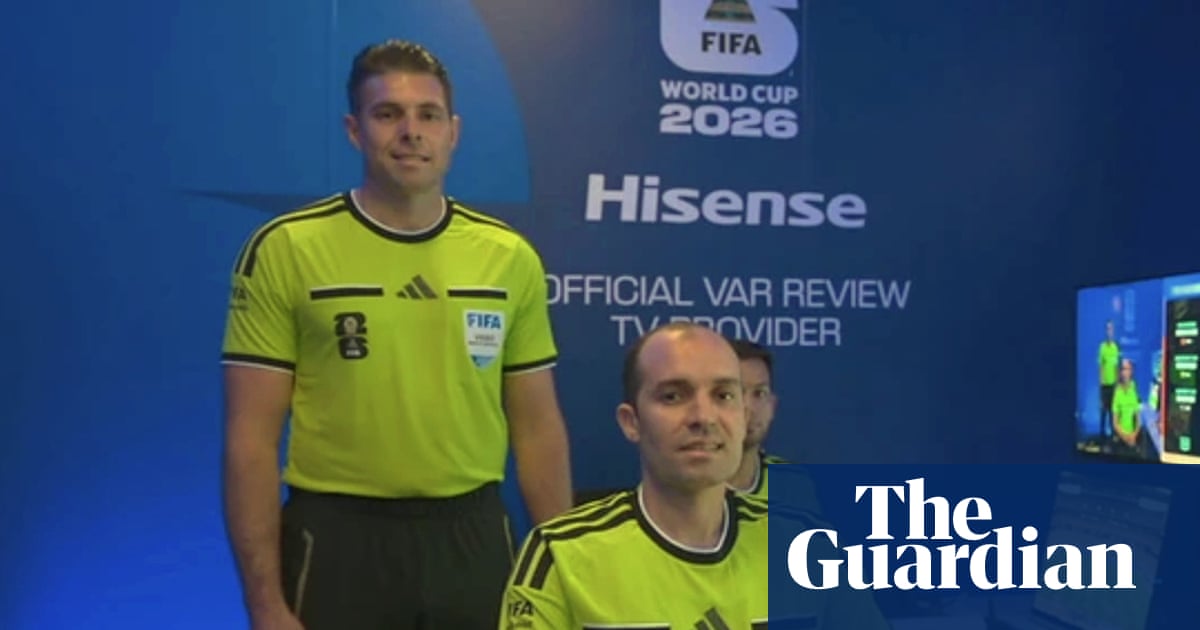
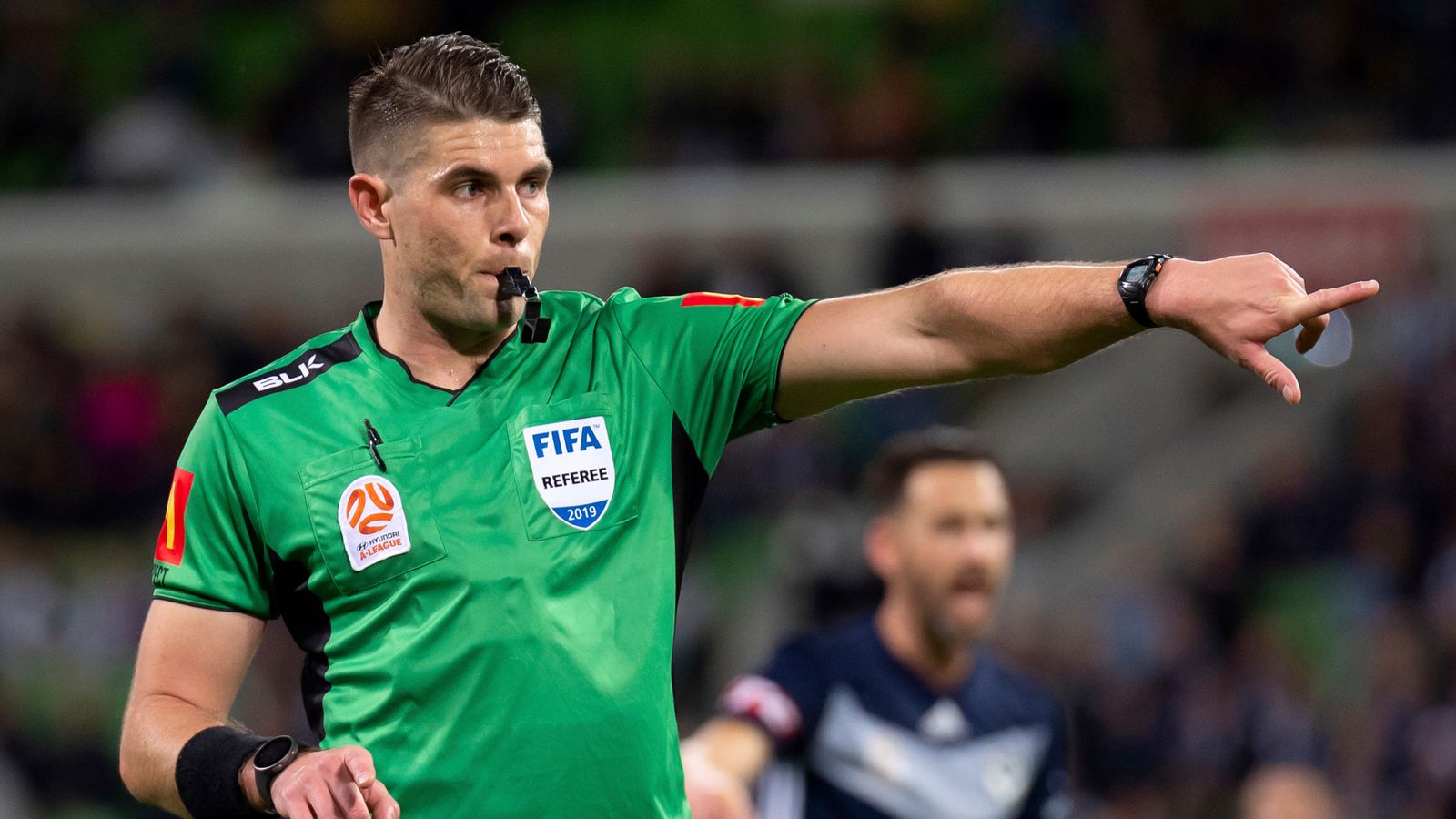
FIFA recently cleared VAR official Shaun Evans of any wrongdoing regarding accusations of a white supremacist gesture during World Cup 2026 proceedings. While the governing body claims their internal review found no evidence of intent, the timing could not be worse for a tournament already struggling with officiating credibility. If FIFA thinks this internal findings report ends the conversation, they are reading the room completely wrong.
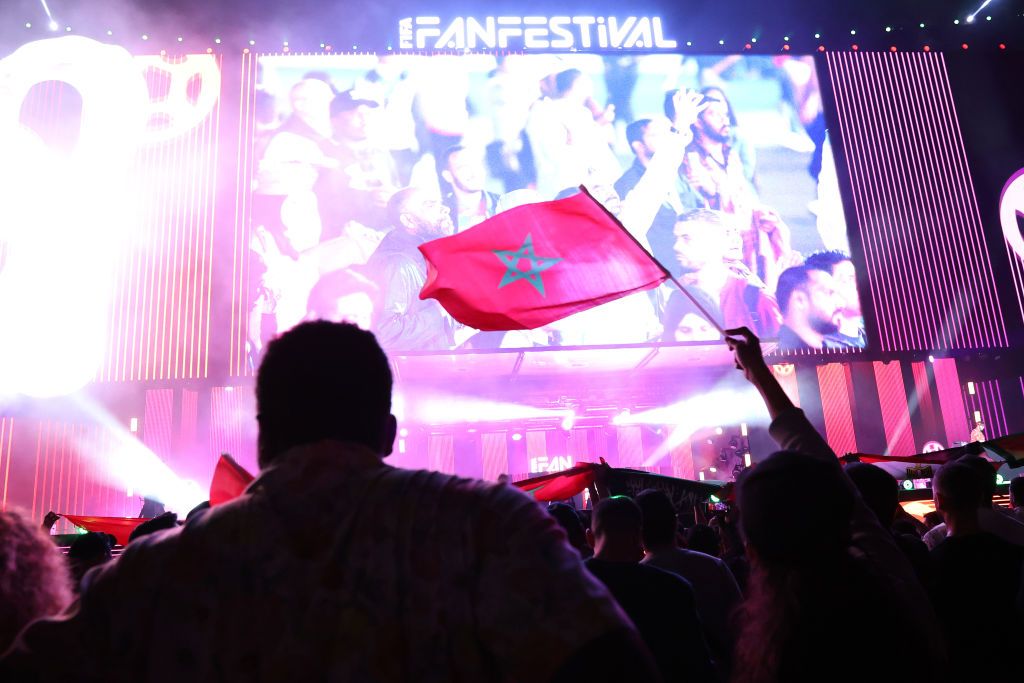
We are watching a tournament where officiating pressure is at an all-time high. When fans see a gesture—even one misinterpreted—the benefit of the doubt evaporated years ago. FIFA pushing out a statement claiming everything is fine, as Sky Sports noted, won't stop the social media pile-on or the stadium jeers.
The human element remains the weak link
VAR was sold to us as the technology that would remove subjectivity. Instead, we have spent the last three weeks watching officials trip over their own feet while the VAR booth remains a black box for spectators. Clearing Evans might be statistically correct if there was no malicious intent, but it ignores the fundamental failure of transparency.
The lack of in-stadium communication for supporters is the real scandal here. We have 80,000 people sitting in the dark while an official in a room looks at a screen for three minutes. Whether the gesture was malicious or just an unfortunate habit is almost beside the point when the public has zero trust in the process itself.
The inevitable fallout
Expect FIFA to face a internal crisis if another controversy hits this officiating crew. By officially clearing Evans without a deeper public-facing review, they have effectively paralyzed their own ability to act if something similar occurs in the knockout stages. You cannot have a zero-tolerance policy for fan behavior while shielding the officiating staff behind opaque investigations.
My prediction is that this isn't going away. By the quarterfinals, this narrative will resurface the moment a tight offside call goes against a high-profile team. The officiating department is currently operating on 0 percent goodwill from the fanbase. This creates a high-stakes environment where any mistake now carries the weight of a protest match. FIFA had a chance to show daylight between them and the old guard of opaque decision-making. Instead, they took the path of least resistance.
The tournament is at risk of being defined by these peripheral circus acts rather than the actual football. Whoever lands in the matches assigned to this specific crew is going to be playing with a massive psychological disadvantage. Expect the intensity on the pitch to ramp up, but the quality of decision-making to continue to drag along the floor. It is a messy situation that reflects a broader failure to standardize behavioral expectations across the international game.