The Two-Front War
It is May 1, 2026. We are at the part of the football calendar where the air itself feels dense with pressure. Every point, every goal, every misplaced pass carries the weight of a nine-month campaign. And in the span of a few hours, two press conferences from two different ends of the Premier League table have perfectly captured the brutal, diverging realities of this final stretch.
At the top, there is the weary king. Pep Guardiola, whose Manchester City side is fighting for multiple trophies, is once again lamenting the fixture pile-up. It is a familiar complaint, the problem of a manager burdened by his own success. Then there is the desperate survivor. Roberto De Zerbi, staring into the abyss of relegation with Tottenham Hotspur, is talking about soul and spirit. He is not talking about tired legs, but a tired-out mentality.
One manager is navigating a war of attrition, a battle of physical endurance. The other is fighting a war of psychology, a battle against internal demons. This weekend, both go into the fire again, and their fates will tell us everything about what it takes to either survive or conquer in this league.
De Zerbi's Last Stand
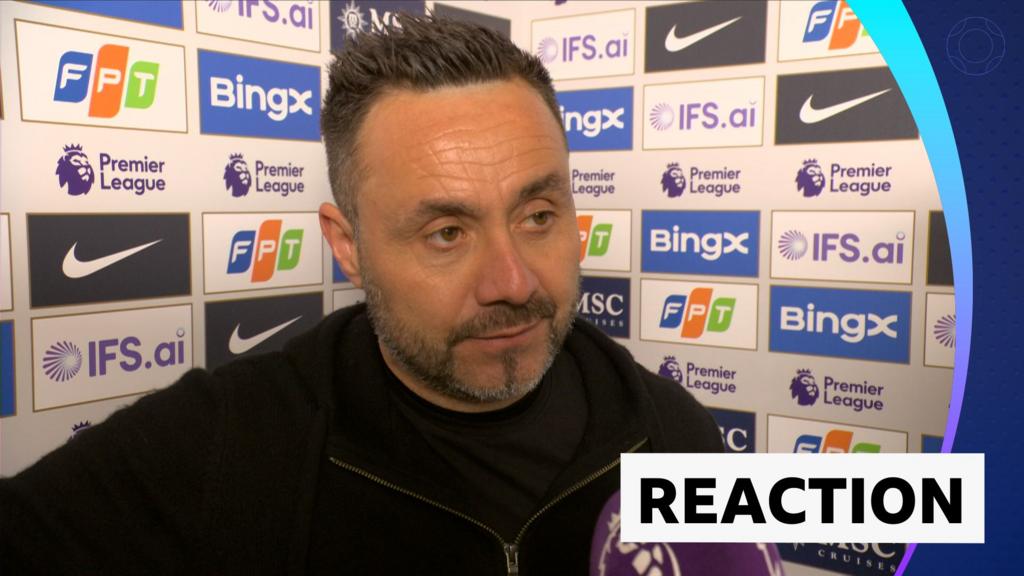
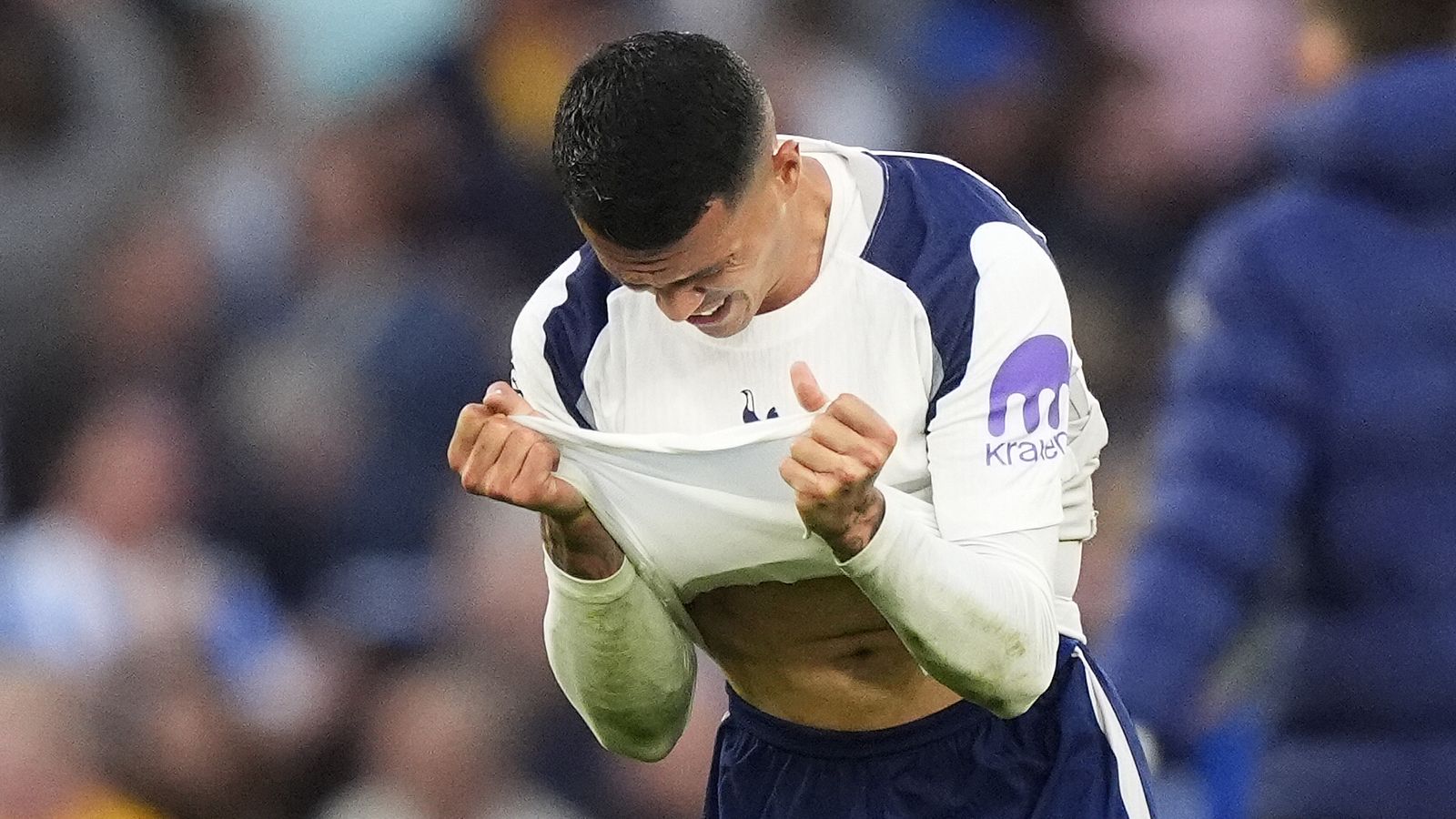
Roberto De Zerbi’s press conference felt less like a media obligation and more like a public exorcism. His words were a direct challenge to the corrosive negativity that can doom a club long before the final whistle of the season. “We're not relegated yet,” he declared, a statement that is both factually true and emotionally fraught. It is the kind of thing you only have to say when people are already writing your obituary.
As reported by the BBC, he urged his players to “silence the voice inside of us.” It is a strikingly poetic and honest admission. He knows his players are hearing that voice—the one that whispers about the consequences of failure, the one that makes the legs feel heavy and the goal seem to shrink. His job, as he sees it, is no longer just about tactics. It is about convincing his squad that they can defy the narrative that has already been written for them.
The Italian manager is trying to build a fortress of belief. He wants “no crying,” a demand for defiance in the face of what looks like an impossible situation. He is attempting to weaponize passion, to turn the fear of the drop into the fuel for a great escape. It is a noble, romantic idea of management.
“We have to silence the voice inside of us. That is the big, big, big problem and the big, big enemy. We have to fight against that voice.” - Roberto De Zerbi
But here lies the critical question: is it enough? De Zerbi was brought in to implement a sophisticated, possession-based style of football. It is beautiful to watch when it works, a fluid system of moving parts. But a relegation dogfight is rarely a place for beautiful football. It is an ugly, brutal scrap for survival. There's a real danger that De Zerbi's impassioned pleas are the last resort of a manager whose complex methods have not been a match for the simple, ugly reality of a relegation battle. His passion is undeniable, but it might just be masking a tactical impasse.
The Tired King
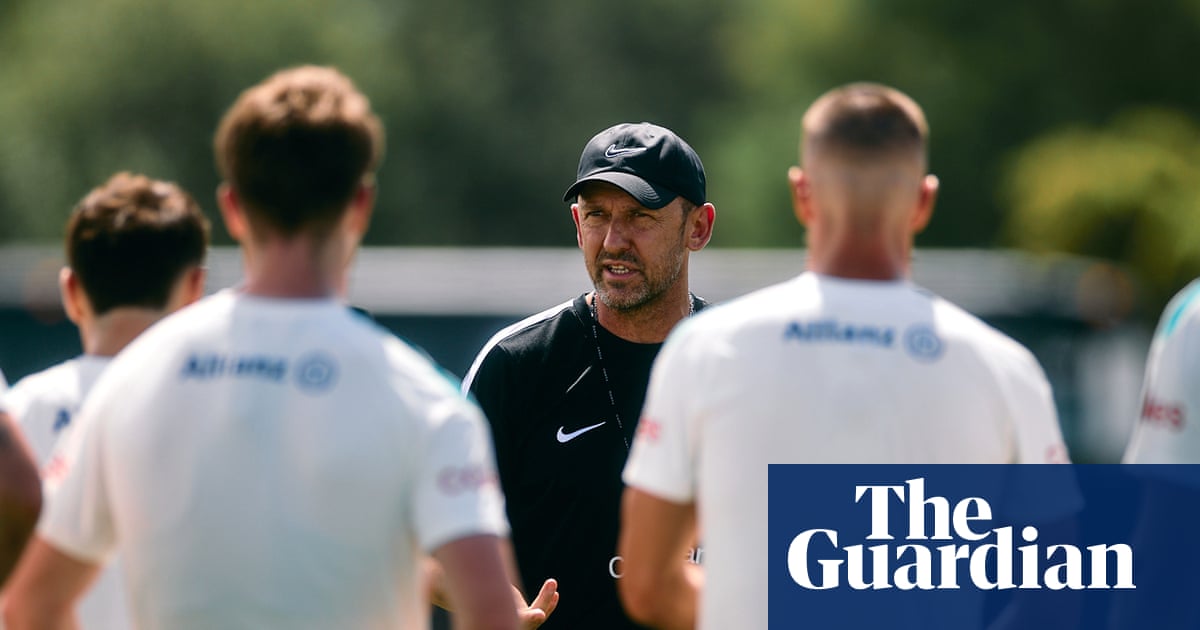
Miles away, in the rarified air at the top of the table, Pep Guardiola is facing a different kind of crisis. As The Guardian’s live blog noted, he is again casting a critical eye over the sheer volume of games his team is forced to play. His complaints about the May crunch are an annual tradition, a sign that his team is, as usual, deep into the final stages of every competition that matters.
It is, of course, impossible to have much sympathy. This is the price of greatness. Yet, Guardiola’s complaints are not just empty noise. They are a form of public man-management. He is setting a narrative, reminding the world—and perhaps his own players—that what they are doing is extraordinarily difficult. If they show signs of fatigue this weekend, he has already provided the reason. If they win regardless, it makes their achievement seem even greater.
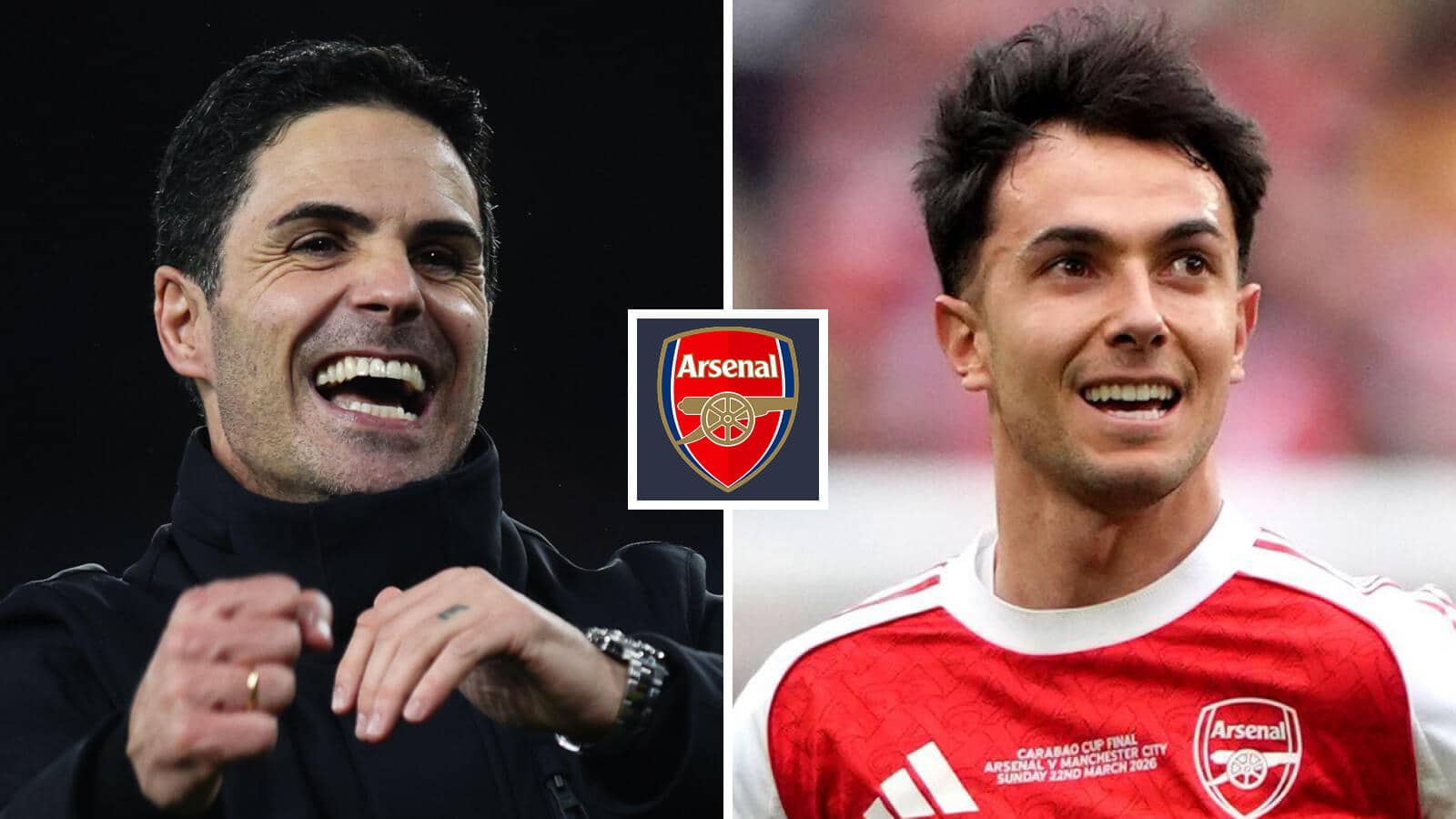
The contrast with De Zerbi could not be more stark. Spurs are battling a crisis of confidence. City are managing a crisis of exhaustion. One team fears it is not good enough; the other fears it simply cannot recover in time to prove, yet again, that it is the best. With Mikel Arteta’s Arsenal also pushing hard in the title race, there is absolutely no room for a slip-up. Every single match for City is a final.
The Weekend's Real Test
So as you watch the games this weekend, look beyond the scoreline. Watch the managers and their teams for clues. When Tottenham play, look for the 'voice' De Zerbi spoke of. Does it manifest in a snatched shot, a misplaced pass, or a moment of hesitation? Or do they play with the fire he is so desperately trying to ignite? Watch their courage on the ball. Do they try to play the De Zerbi way, or do they revert to panicked, percentage football?
When you watch Manchester City, look for the fatigue Guardiola spoke of. Is that extra half-second of thought there before a pass? Is a lung-busting recovery run a little bit slower than it was in October? Watch Guardiola on the sideline. Every gesture will be a measure of his team’s energy levels. He will live and breathe their physical state for 90 minutes.
This weekend isn't just about three points. It is a test of two competing philosophies forged under extreme pressure. It's about whether the heart can overcome the head, and whether a machine-like winning mentality can overcome the body’s physical limits.
My prediction? The pressure tells. De Zerbi’s impassioned cry from the heart will not be enough to paper over the cracks in a terrified squad. I expect Tottenham to stumble, to play with the very fear their manager is trying to banish. Conversely, I expect Guardiola’s side to find a way. The fatigue he speaks of is real, but the muscle memory of winning is stronger. They will grind out a result, not because they are fresh, but because it is all they know how to do. The exhausted king will stand, while the desperate survivor will find that passion alone is not enough to silence the voice of doubt.