Another reset button smashed in North London
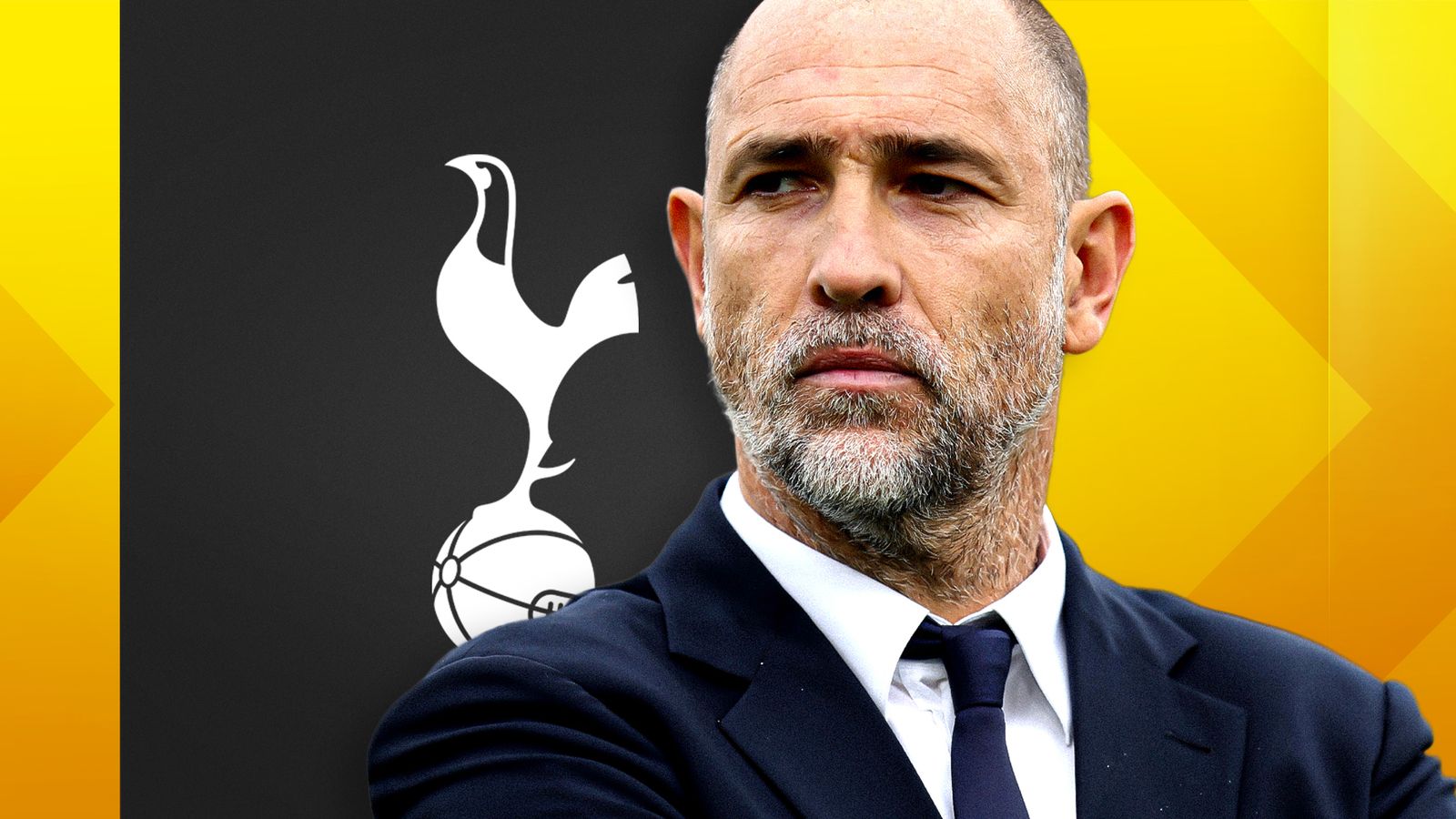
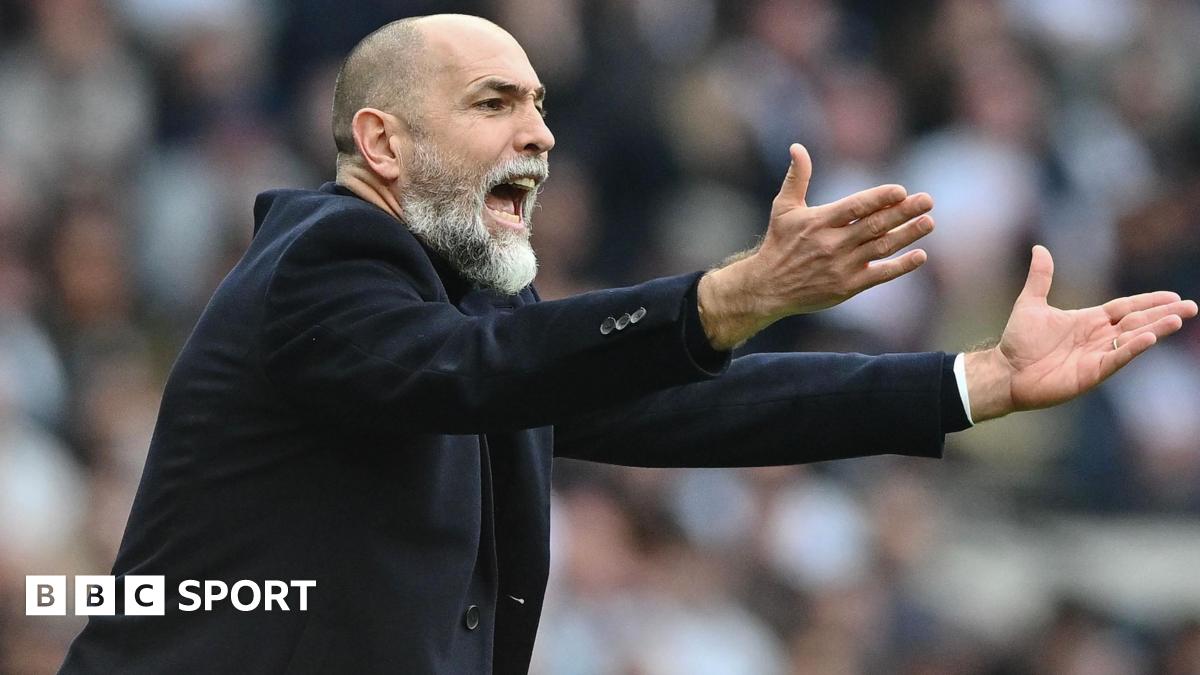
It is March 29, 2026, and the Tottenham Hotspur managerial turnstile has violently spun once more. Igor Tudor is officially gone. If you had him lasting until the spring on your bingo card, congratulations. But let's be brutally honest—nobody actually thought this was going to end well.
The writing wasn't just on the wall. It was spray-painted in neon letters across the side of the stadium. Spurs fans are waking up to the news with a mixture of exhaustion and that familiar, numb acceptance.
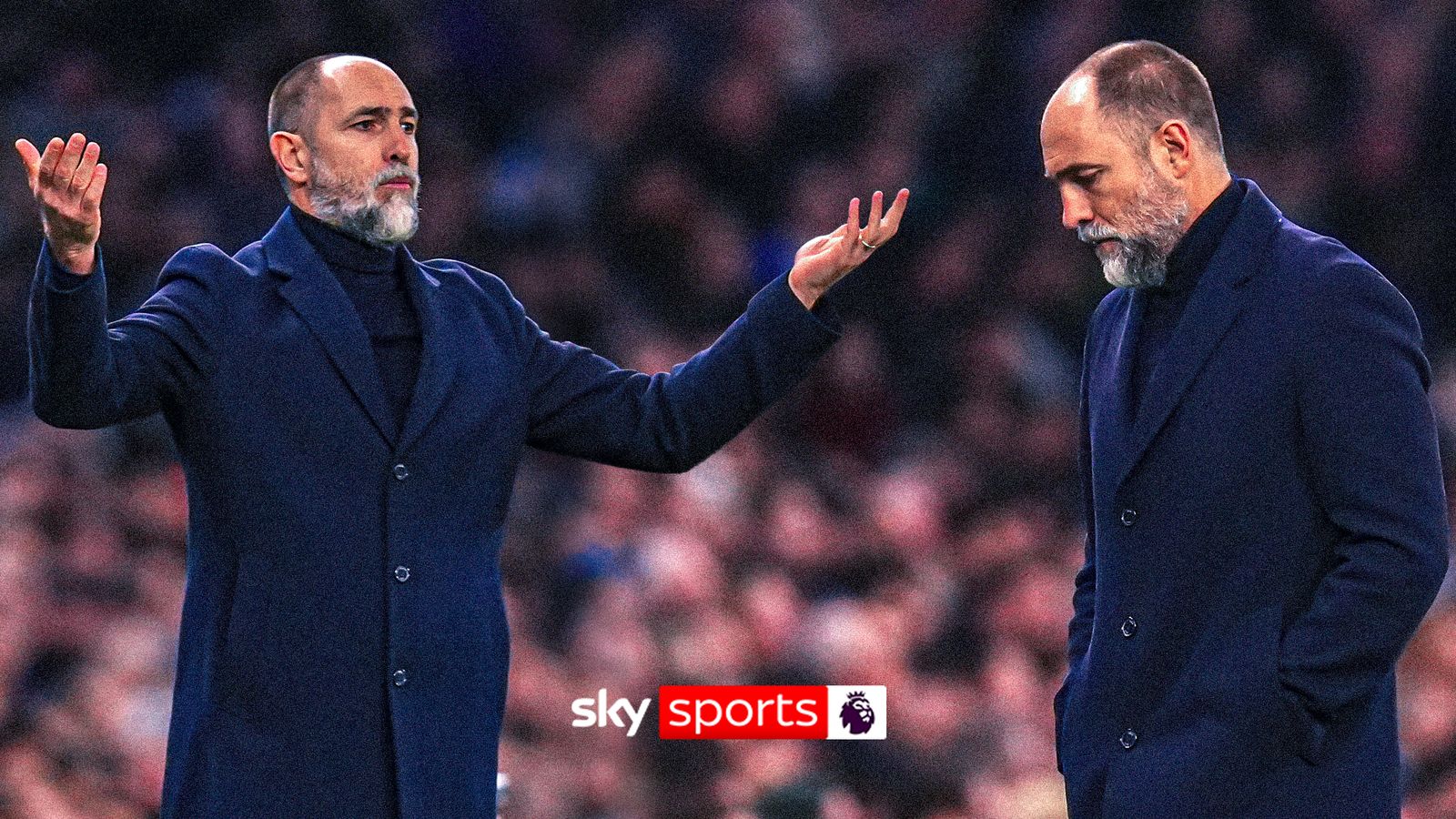
As Sky Sports noted while breaking down the stats of his disastrous reign, the numbers are grim. But you don't need a heat map or an expected goals chart to understand why this imploded.
You just had to watch them play. The tactical rigidity was staggering. Tudor brought his trademark heavy metal, man-to-man marking system to a squad that looked like they were running in wet cement by the 60th minute of every match.
The tactical mismatch of the decade
Let's talk about the system. Igor Tudor is not a flexible manager. He has a way of playing, and he will force it upon his squad whether they have the lungs for it or not. We saw it at Verona, we saw it at Marseille, and we saw it at Lazio.
He demands a high-intensity, physical brand of football. It requires absolute buy-in and elite conditioning. When he arrived in North London, the immediate question was whether this group of players could actually execute it. The answer, as we've painfully witnessed over the last few months, was a resounding no.
Spurs repeatedly looked disjointed. The gaps between the midfield and the defense were massive. Opposing teams figured out that if you just bypassed the initial chaotic press, there were acres of space to run into.
It was tactical suicide on a weekly basis. You can't play an aggressive man-marking system if your defenders are constantly getting turned and your midfield is gasping for air.
The stubbornness was the worst part. Even when it was clearly not working, there was no Plan B. There was barely a Plan A that functioned properly. It was just head-down, smash-into-the-wall football, hoping the wall would break before their skulls did.
Watching Tottenham try to implement Tudor's system was like watching a group of classical musicians being forced to play thrash metal. The instruments were right, the talent was there, but the sheet music made absolutely no sense to anyone involved.
Every time a team beat the initial press, the panic was visible. Defenders were isolated one-on-one with quick attackers, a scenario that played out week after miserable week. The points dropped at home repeatedly felt less like bad luck and more like a systemic failure.
Player fallout was inevitable
When you manage the way Tudor manages, you need a dressing room full of soldiers. You need guys who will run through brick walls without asking why. Spurs, historically, do not have a dressing room full of soldiers.
They have talented footballers who prefer the ball at their feet, not chasing shadows for 90 minutes. The friction was baked into the appointment from day one. It doesn't take an insider to know that an uncompromising disciplinarian clashing with a modern Premier League squad usually ends with the manager packing his bags.
We've seen this movie at Tottenham before. We saw it with Jose Mourinho. We saw it with Antonio Conte. The board brings in a demanding, abrasive figure, expecting them to whip the squad into shape. Instead, the squad shrinks, the manager throws a fit in the media, and the whole thing burns to the ground.
Why did anyone think Igor Tudor was going to be the exception? He is known for his fiery temperament. He doesn't sugarcoat things. That's fine when you are winning. When you are dropping points at home and looking structurally incompetent, that abrasive nature just alienates everyone.
Players look checked out. The body language on the pitch has been appalling since Christmas. When a manager demands that level of physical exertion, the players have to believe in the end goal. Once that belief evaporates, the running stops. And when the running stopped for Tudor, the system completely collapsed.
Daniel Levy's endless cycle
So, the spotlight inevitably swings back to the boardroom. Daniel Levy has hit the reset button so many times the console is starting to smoke.
What is the identity of Tottenham Hotspur? Nobody knows. One minute they want expansive, attacking football. The next minute they hire a pragmatist. Then they pivot to a high-pressing ideologue. There is zero through-line in these decisions.
It feels like dartboard management. Throw a dart at an available manager and hope it hits a bullseye. Tudor was the wrong man, at the wrong time, for the wrong squad. And the people who hired him have to wear this completely.
You cannot build a project if you change the blueprints every nine months. The squad is a Frankenstein's monster of different managers' visions. You have players brought in for a back three, players brought in for a back four, possession-based midfielders, and transition-based forwards.
Trying to make sense of this roster is impossible. And expecting Igor Tudor to magically fuse it into a cohesive, man-marking machine was borderline delusional.
The recruitment strategy has lacked any sort of cohesion. You don't hand a manager known for a brutally specific tactical setup a squad full of players suited for something completely different. It is gross negligence at the executive level.
The damage left behind
The problem now is the wreckage left behind. Spurs are not just back to square one; they are in negative territory. The confidence is shot. The fan base is a toxic mix of angry and apathetic.
When the Sky Sports segment highlights a disastrous reign, they aren't just talking about the win percentage. They are talking about the complete erosion of on-pitch identity. Spurs didn't just lose games under Tudor; they looked miserable doing it.
There was no joy in watching them. Football is supposed to be entertainment. Even when things are going bad, you want to see a spark. You want to see some underlying logic to the struggle. Under Tudor, it just felt like a punishment for everyone involved.
Whoever comes in next isn't just taking over a football team. They are taking over a rehabilitation center. They have to rebuild shattered confidence, figure out what to do with a bloated, mismatched squad, and somehow win back a fan base that has had its heart broken too many times to care anymore.
The atmosphere at the stadium has been dreadful. Fans booing at half-time, empty seats by the 80th minute, and an obvious sense of dread hanging over the concourses. People are paying top dollar to watch a team that looks like it met in the parking lot five minutes before kickoff.
Looking ahead to a bleak spring
It's March 29. The season isn't over, but for Spurs, it basically is. The remaining fixtures are just an obligation. An interim manager will come in, say the right things about playing for the badge, and try to limp to the finish line.
But the real work has to happen upstairs. If the Tottenham hierarchy doesn't learn from this—if they just go out and hire another manager who doesn't fit the profile of the squad—we will be right back here next year.
Igor Tudor will go somewhere else. He'll probably go back to Italy, find a squad of hard-working, rugged players, and have them punching above their weight within a year. He is not a terrible manager. He was just a terrible fit for Tottenham.
The fact that nobody in the Spurs boardroom saw this coming is the biggest indictment of all. They watched the warning signs, ignored them, and drove the car straight off the cliff anyway.
So, we pour one out for the Igor Tudor era. It was short, it was loud, and it was entirely predictably awful. The only question left is how Tottenham manage to mess up the next appointment.
For now, the supporters will just have to endure the rest of this miserable campaign. The interim boss will try to salvage some pride, but the structural damage runs deep. It's going to take more than just a new voice on the touchline to fix the deep-rooted issues plaguing this club. Until the decision-makers at the top figure out what kind of football team they actually want to be, Tottenham Hotspur will remain the most expensive, glittering soap opera in the Premier League.
Read Next
- Spurs have sacked Igor Tudor, and the underlying numbers explain exactly why
- Spurs fans are finally at a breaking point after Igor Tudor's exit
- Why Igor Tudor’s man-to-man experiment at Spurs finally collapsed
- Tottenham are going down, and Igor Tudor's 44-day disaster proves it
- 🏆 Europa League Final 2026 — Full Coverage Hub