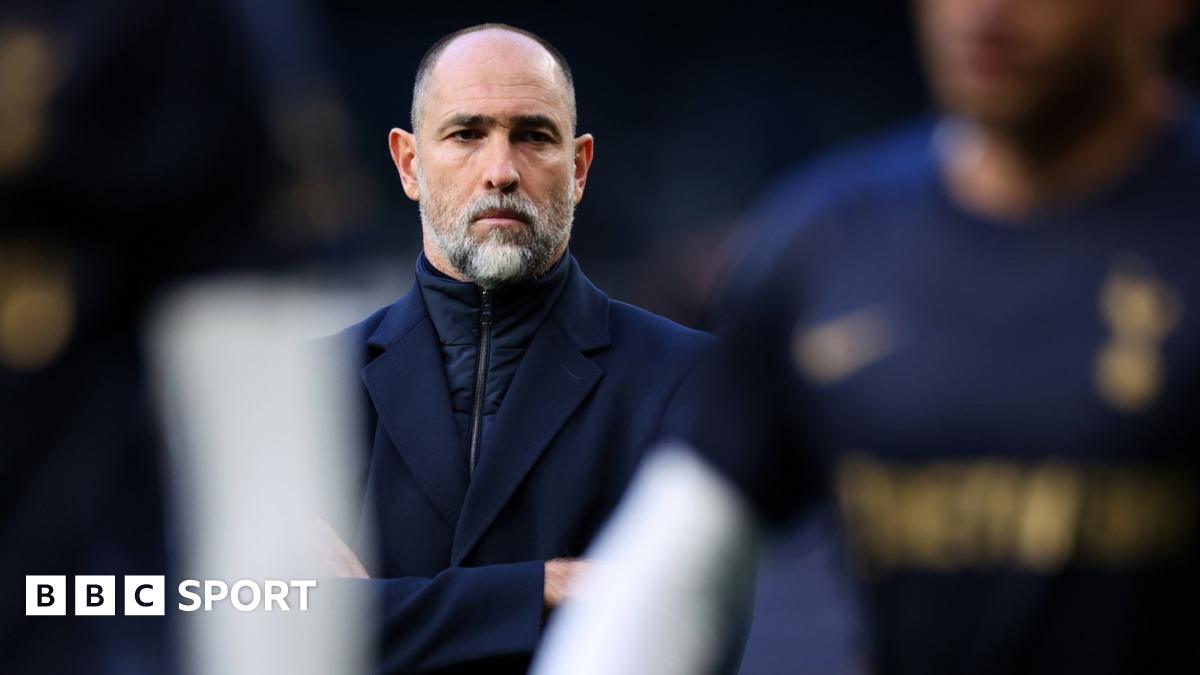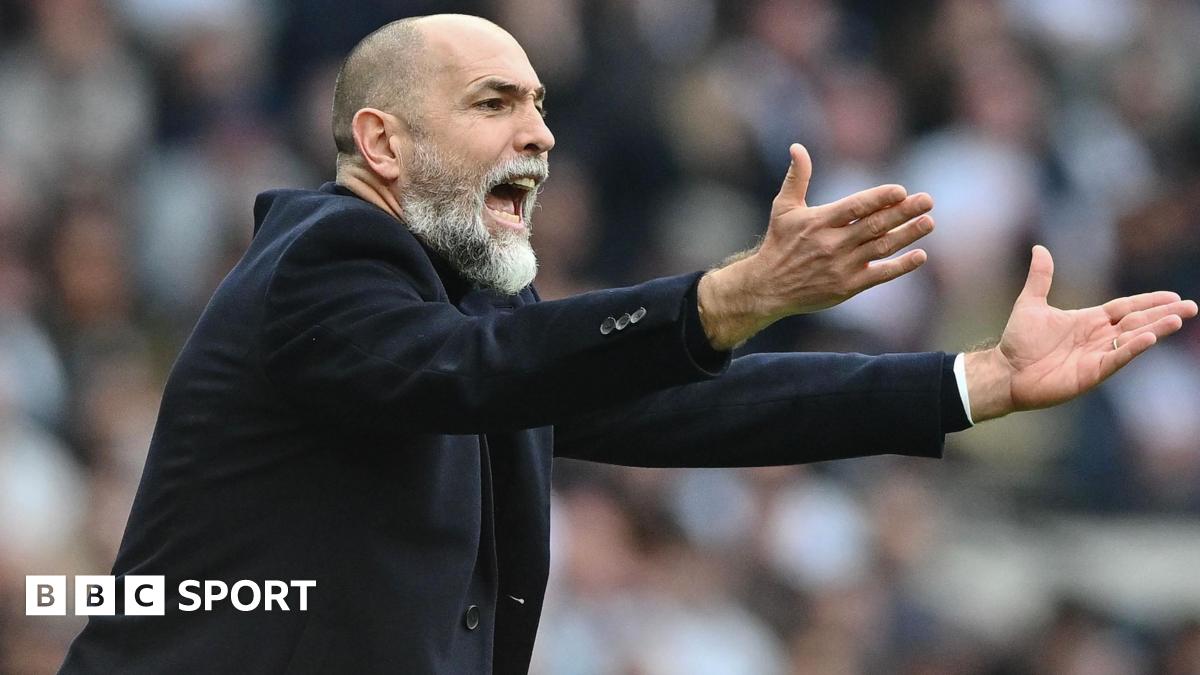
The structural collapse of the Tudor experiment
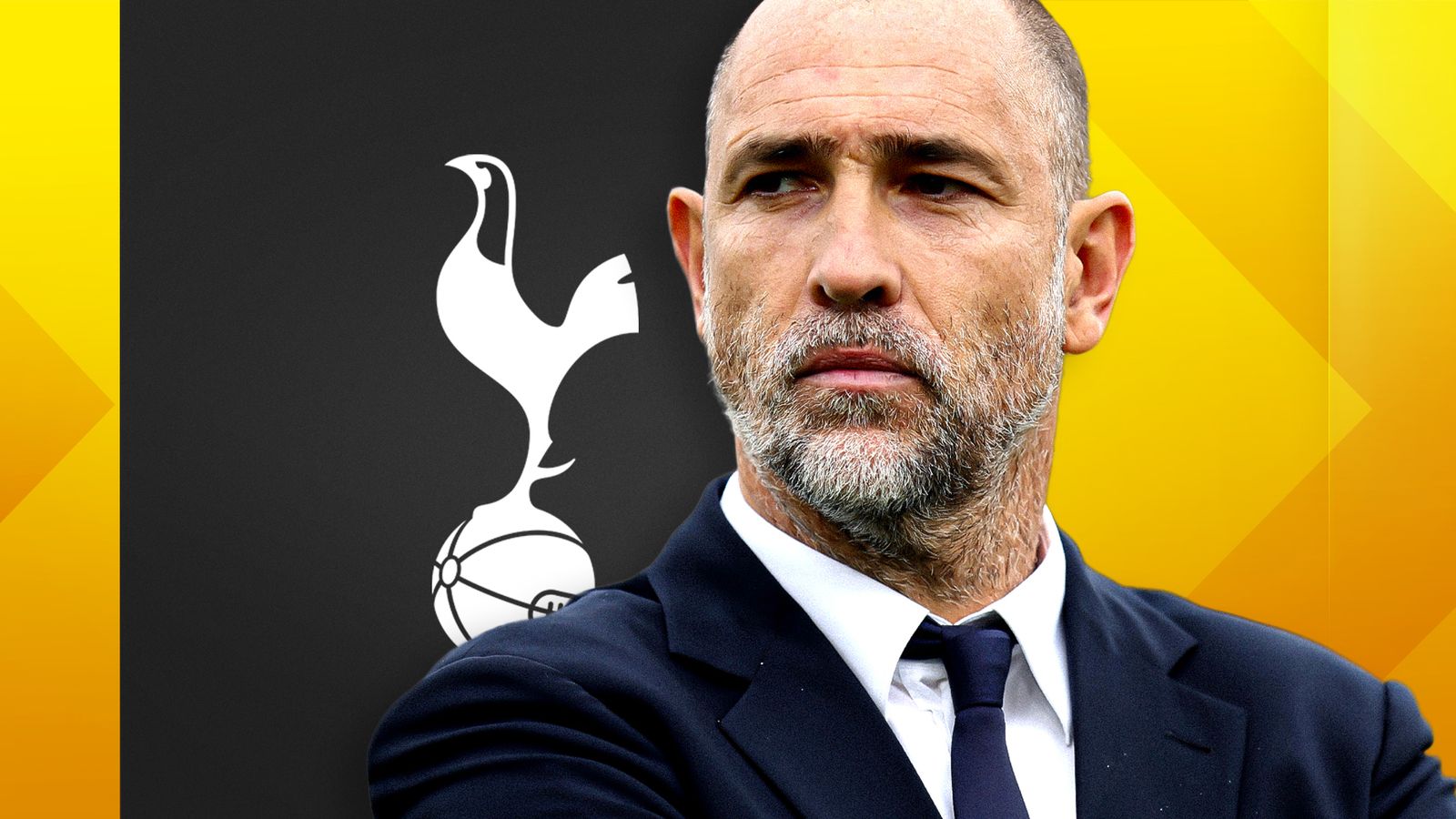
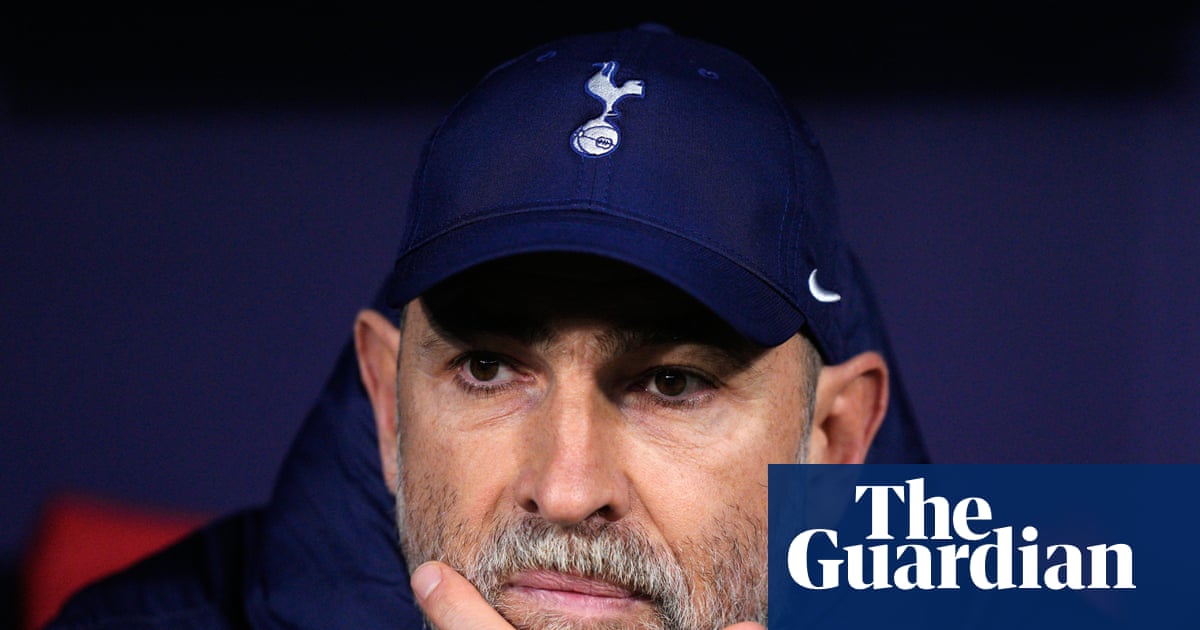
Forty-four days. In the long, often chaotic history of Tottenham Hotspur, few eras have been quite as concentrated in their dysfunction as the Igor Tudor period. The Croatian departs North London having overseen just seven games, a blink-and-you-miss-it tenure that has left the club's tactical identity in tatters. As BBC Sport reported this morning, the exit is immediate, leaving chief executive Vinai Venkatesham and sporting director Johan Lange to pick up the pieces of a season that is rapidly sliding toward irrelevance.
The statistics of the Tudor reign are a grim read for anyone who sat through them. Seven matches yielded a return so meager it felt like a deliberate stress test of the fanbase's patience. Tudor’s insistence on a rigid 3-4-2-1 system, characterized by aggressive man-marking triggers across the middle third, never sat right with a squad recruited for the high-octane, zonal fluidity of the previous regime. The disconnect was most obvious in the lateral movements of the wing-backs. Pedro Porro and Destiny Udogie, two of the most potent attacking threats in the league, found themselves pinned back into a defensive flat five for 65% of their minutes under Tudor.
Tactically, the breaking point came in the transition phases. In Tudor’s final three games, Spurs conceded an average of 4.2 high-turnover shots per 90 minutes. For context, that is the worst rate in the division over that specific period. By forcing Micky van de Ven and Cristian Romero into strictly defined man-marking roles, Tudor stripped away their greatest asset: the ability to read the game and intercept play before the danger enters the box. Instead, we saw Romero dragged into midfield vacuums, leaving Van de Ven to cover impossible amounts of ground when the initial press was bypassed. It wasn't just bad coaching; it was a fundamental misunderstanding of the personnel at hand.
The pressing triggers that never fired
Watch any tape from the last fortnight and the problem is clear. Tudor wanted a 'heavy' press, but the triggers were confused. James Maddison often looked like a man trying to solve a quadratic equation while sprinting. He would jump to the opposition's deepest midfielder, but the secondary support from the double pivot—usually some combination of Bissouma and Sarr—was consistently three seconds too slow. This created a 'corridor of uncertainty' in the half-spaces that every opponent from the last month has exploited with surgical ease.
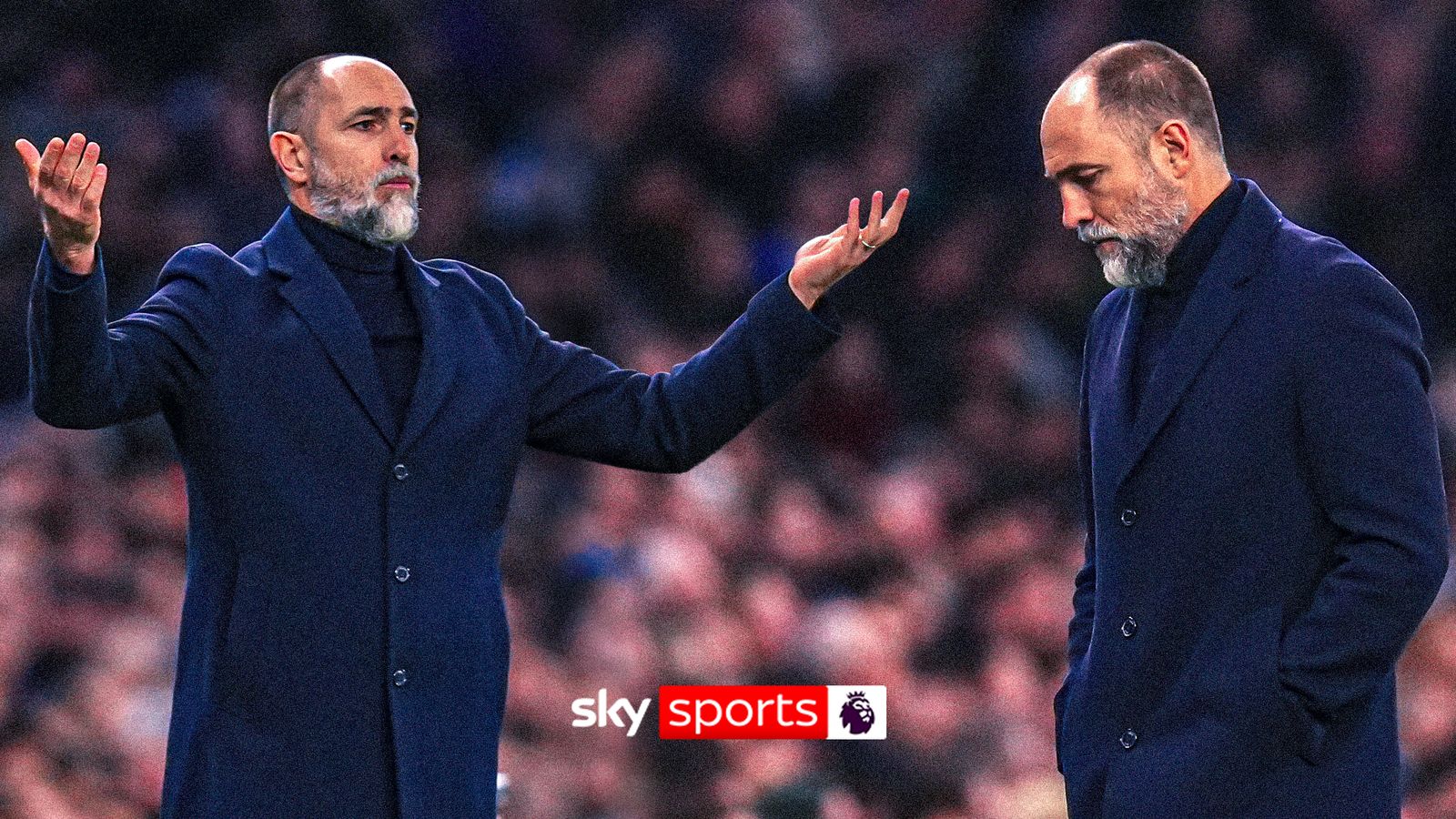
As Sky Sports highlighted in their post-mortem, the lack of offensive output was equally damning. Spurs averaged just 0.85 expected goals (xG) per game under Tudor. For a team with Son Heung-min and Dominic Solanke leading the line, that is a statistical crime. Son, in particular, looked a ghost of himself, forced to receive the ball with his back to goal 30 yards deeper than he does under a more progressive setup. The captain's touch map in his final game under Tudor showed more activity in his own half than in the opposition's penalty area.
Now, the attention turns to the next fixture and the inevitable 'interim' bounce. Whether it’s a coach from within the academy or a rapid external hire, the immediate priority is a return to a back four. The squad is crying out for the stability of a 4-3-3. Reinstating a proper midfield anchor would allow Maddison to operate in the 'number 10' pocket where he can actually influence the game. The upcoming match isn't just about three points; it is a vital reclamation of the club's footballing soul before the season is completely lost to the ether.
Reverting to the mean for the run-in
Spurs face a massive uphill battle to salvage European qualification. The gap to the top four has widened during this 44-day detour, and with the UCL Quarter-Finals kicking off in eight days for the continent's elite, the contrast in North London is stark. While the rest of Europe prepares for the business end of the season, Spurs are back at the drawing board. Phil McNulty correctly noted that Venkatesham and Lange cannot afford another error. This appointment was their project, and its failure is as much a reflection on their recruitment process as it is on Tudor's tactical stubbornness.
The search for a replacement must prioritize a coach who understands that you do not build a system and then force players into it like jagged puzzle pieces. You look at the pace of Van de Ven, the delivery of Porro, and the finishing of Son, and you build a framework that maximizes those traits. The next manager needs to be a pragmatist with a progressive lean, someone who can fix a defense that has forgotten how to hold a line. The 3-0 defeat that served as the final nail in Tudor's coffin was characterized by a defensive line so disjointed it looked like three separate teams playing different sports.
Looking ahead to the weekend, expect a significant shift in tempo. The players will likely play with a sense of liberation. When a manager as demanding and tactically rigid as Tudor leaves, there is often an immediate spike in creative output. We saw it after the Mourinho era, and we saw it after Conte. The 'shackles-off' effect is a real psychological phenomenon in elite football, especially when the previous regime felt like a 44-day boot camp. The players aren't blameless, but they were certainly victims of a system that actively fought against their natural instincts.
The tactical preview for the next match is simple: expect a 4-2-3-1, expect a high defensive line, and expect the full-backs to actually cross the halfway line. If Spurs can get Maddison on the ball in the final third more than ten times in the first half, they win the game. It is that straightforward. The complexity Tudor tried to inject was a poison; the cure is simplicity. The next manager just needs to put the best players in their best positions and stay out of the way for a few weeks.
A prediction for the post-Tudor dawn
Spurs will win their next game, and they will do it convincingly. Not because they have suddenly become a world-class defensive unit, but because the talent disparity between their squad and the rest of the league remains significant when that talent is allowed to breathe. I am backing a 3-1 victory. Son Heung-min will score, largely because he will be playing 20 yards further forward than he has since mid-February. The fans at the Tottenham Hotspur Stadium will be loud, more out of relief than expectation.
However, the long-term skepticism remains. The decision to hire Tudor in the first place suggests a lack of coherent strategy at the executive level. If you want to play a three-at-the-back, man-marking system, you don't do it with this group of players. The fact that it took the board 44 days to realize what every tactical analyst saw on day one is the most worrying part of this entire saga. Spurs have avoided total disaster by acting now, but the margin for error has evaporated.
The race for the European spots is still alive, but it requires a near-perfect run from here to May. With the 2026 World Cup on the horizon this summer, many of these players are also fighting for their international spots. That individual motivation, combined with the collective need to prove that Tudor was the problem, should be enough to see off the immediate opposition. The real test comes in two weeks when the pressure of the table starts to mount again. For now, Spurs fans should just enjoy the fact that the 44-day experiment is finally, mercifully, over.
Prediction: 3-1 to Tottenham. The tactical reset will provide an immediate boost, with Son and Maddison finally looking like the players they were six months ago. The defense will still look shaky on the break, but the sheer weight of attacking intent will be enough to carry them over the line.
Read Next
- Daniel Levy is about to gamble the house on Roberto De Zerbi
- Spurs have sacked Igor Tudor, and the underlying numbers explain exactly why
- Why Igor Tudor’s man-to-man experiment at Spurs finally collapsed
- Mikel Arteta is facing a tactical nightmare against Southampton
- 🏆 Europa League Final 2026 — Full Coverage Hub