The day the narrative slipped away
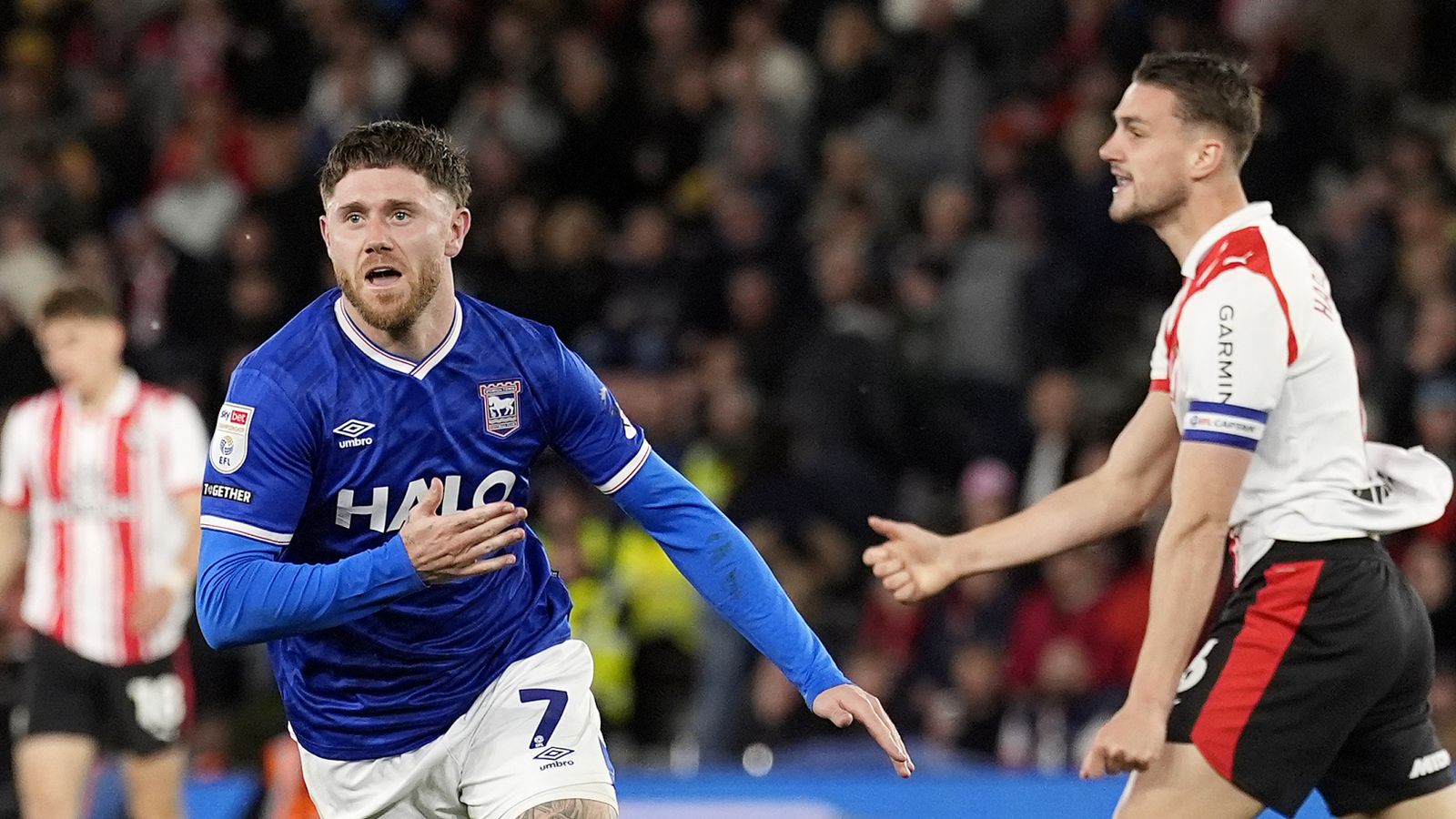
It is Friday, March 27, 2026. The weekend is right in front of us. Fans should be finalizing their travel plans, arguing about starting lineups, and mentally preparing for the emotional rollercoaster of a matchday. At Portman Road, the conversation should be strictly about football. Kieran McKenna has built a beautiful machine there over the last few years.
Instead, the club is currently trapped in a completely unnecessary public relations nightmare. It has nothing to do with tactics, transfers, or points deductions. It is entirely about who gets to sit in the fancy seats and eat the expensive sandwiches.
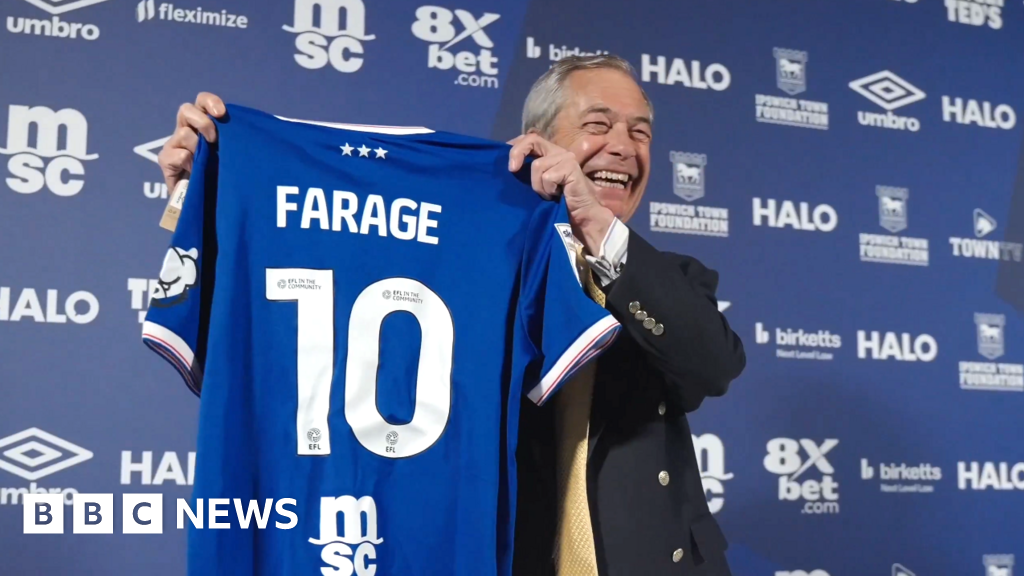
The timeline is painfully simple. Rumors circulated about Nigel Farage attending a game. The club, clearly sweating through their suits about the potential optics, put out a firm denial. They categorically stated the Reform UK leader was not invited. Case closed, right? We can all go back to arguing about expected goals.
Wrong. The BBC quietly published a report confirming that Farage was, in fact, invited. The national broadcaster essentially called the club's bluff in front of the entire country.
It is a disastrous miscalculation. You do not pick a fight with the BBC over facts unless your own house is entirely in order. The BBC does not publish gossip on a whim. If they say they understand an invitation was issued, you can bet your mortgage they have seen an email, a text message, or a guest list.
The desperate political scramble for football clout
To understand why this happened, you have to look at the deeply weird sickness politicians have when it comes to football. For decades, elected officials have viewed football stadiums as a cheap shortcut to working-class authenticity. They genuinely think holding a lukewarm pie for ninety minutes tricks the public into thinking they are normal.
It is almost always a disaster. We all remember David Cameron famously forgetting whether he was a lifelong fan of Aston Villa or West Ham. We have seen Boris Johnson violently tackling retired players in charity matches. We have watched prime ministers awkwardly try to explain the offside rule during breakfast television interviews.
Fans are not stupid. They spot a tourist immediately. They know the difference between someone who suffers through a freezing Tuesday night away fixture and someone who only shows up when the cameras are rolling.
Portman Road has a very specific VIP culture. They have Ed Sheeran. He is arguably the biggest pop star on the planet, but in Suffolk, he is just a fan. He sponsors the shirts. He celebrates like a maniac in the stands. He belongs there. Politicians simply do not fit that vibe.
So when the Farage rumors started, you can understand the initial hesitation from the club hierarchy. They did not want the circus. They did not want the inevitable social media arguments. They just wanted a quiet afternoon.
A masterclass in how to ruin your own weekend
Here is my biggest problem with this entire situation. The crisis management from Ipswich Town was genuinely pathetic. It is an absolute clown car of a PR strategy. It is an indictment of modern corporate football culture where clubs think they can just dictate reality by hitting send on a PDF.
Football clubs have grown obsessed with controlling their image. They hire massive media teams. They produce their own documentaries. They want to operate like isolated bubbles where only good news exists. But the real world does not work like that.
If a divisive political figure is on your guest list, you have a dozen easy outs. You can claim they were brought along by a corporate sponsor. You can say they purchased a premium hospitality package through a third-party vendor. You can issue a bland, non-committal statement about welcoming all paying customers.
What you cannot do is lie. Issuing a flat denial when a paper trail exists is just incredibly arrogant. It assumes your fanbase is stupid and the media is asleep at the wheel. The BBC proved them aggressively wrong on both counts.
Now, instead of answering questions about pressing triggers or defensive shapes, the manager is going to get ambushed in a press conference about the club's invitation policy. The board has essentially thrown their own football department under the bus to save face.
Trust is the only currency that matters
This might seem like a minor squabble over a ticket, but it speaks to a much larger issue. Football clubs rely entirely on the trust of their supporters. Fans pour their wages, their emotions, and their weekends into these institutions.
When a club lies about something this small and verifiable, it shatters that bond. The cynical fan will immediately start connecting dots. If you will lie about a guest list, will you lie about the transfer budget? Will you lie about the severity of a star player's injury? Will you lie about ticket price increases?
Once you establish a precedent of bending the truth to avoid temporary embarrassment, nobody believes your future statements. The executives at Portman Road have completely undermined their own credibility.
The contrast is completely ridiculous. On the pitch, this team operates with ruthless efficiency. The manager is beloved because he communicates clearly and delivers actual results. The boardroom just acted like a bunch of nervous teenagers trying to cover up a house party.
The club essentially threw away 100 percent of their goodwill over a single VIP pass. It is mind-boggling.
The toxic radioactivity of political guests
Let us be entirely honest about why this specific invitation caused such a meltdown. Nigel Farage is not a standard, boring politician. He is a walking lightning rod. Wherever he goes, a circus of cameras, protests, and intense debate immediately follows.
For a football club, that is the exact opposite of what you want in your hospitality suite. Directors' boxes are meant for quiet networking. They are places where wealthy executives eat prawn sandwiches, secure sponsorship deals, and occasionally glance at the pitch.
Bringing a highly polarizing figure into that environment is like dropping a live grenade into a petting zoo. It disrupts everything. The club executives knew this. That is exactly why they panicked when the news leaked.
But their reaction was entirely backwards. If you know a guest is controversial, you prepare a statement in advance. You brief your media team. You do not wait for the internet to catch fire and then frantically type out a denial while sweating through your expensive suit.
It shows a complete lack of foresight. Running a top-flight football club requires anticipating problems before they happen. If they cannot handle a simple guest list crisis, how are they going to handle a massive transfer saga or a sudden managerial departure?
This whole debacle is a massive red flag regarding how decisions are made behind the scenes. It reeks of a boardroom panicking so hard they forgot how Google works. And in the brutal environment of professional football, amateurism gets punished every single time.
The dangerous game of controlling the media
This entire mess highlights a growing trend in modern football. Clubs no longer want to be covered by journalists. They want to be covered by cheerleaders. They hire ex-players to do softball interviews on the official club channel. They restrict access to local reporters who ask difficult questions.
The goal is to create a sanitized, perfectly packaged product. But football is inherently messy. It is a sport built on tribalism, emotion, and raw human error. You cannot perfectly curate a football club like a lifestyle brand.
When you try to force that level of control, you end up making stupid mistakes. You end up denying a VIP invitation because it ruins your carefully constructed aesthetic. The Ipswich PR team probably thought they were protecting the brand. In reality, they just made the brand look incredibly shady.
It is a lesson every club needs to learn. You cannot outrun the truth. The internet is undefeated. If a politician walks into your stadium at 3:00 PM, someone has a smartphone. If you send an email invite, someone takes a screenshot. The era of the smoke-filled boardroom secret is completely dead.
If clubs want to avoid these ridiculous self-inflicted wounds, they need to stop acting like secretive intelligence agencies. Just be normal. If a guy asks for a ticket and you give him one, admit it. The backlash will last an hour. The backlash for lying lasts a week.
Fans just want to watch the actual game
At the end of the day, the people who actually suffer from this boardroom incompetence are the fans. Supporters pay an absolute premium to follow their teams across the country. They dedicate ridiculous hours of their lives to a sport that mostly hands out heartbreak.
When they finally get to the stadium, they do not want to be participating in a proxy war for Westminster politics. They want to sing their songs, drink terrible beer, and yell at the assistant referee. They want ninety minutes of escapism from the crushing reality of normal life.
Ipswich Town completely robbed their fans of that escapism this week. Instead of hyping up a massive fixture, the supporters are spending their Friday defending their club from weird political dunking on social media. It is completely unfair to the people who actually pay the bills.
The executives who signed off on that denial owe the fans an apology. Not for the political affiliations of their guests, but for treating the supporters like idiots. You can recover from a bad signing or a terrible tactical setup. Recovering from treating your own fans with contempt takes a lot longer.
Hopefully, by tomorrow afternoon, the whistle blows and we can get back to what actually matters. But the stain of this completely avoidable disaster is going to stick around long after the final whistle.