Tactical clarity meets institutional noise
Late March in a Premier League relegation scrap is a suffocating environment where the math becomes as brutal as the football. For Ipswich Town, the arrival of Leicester City on Saturday represents more than just a six-pointer; it is a fundamental test of Kieran McKenna's tactical rigidity against a club that has spent the last three years in a state of permanent identity crisis. Yet, instead of focusing on how to stop Abdul Fatawu's inside-cutting runs, the discourse around Portman Road has been hijacked by a bizarre administrative civil war.
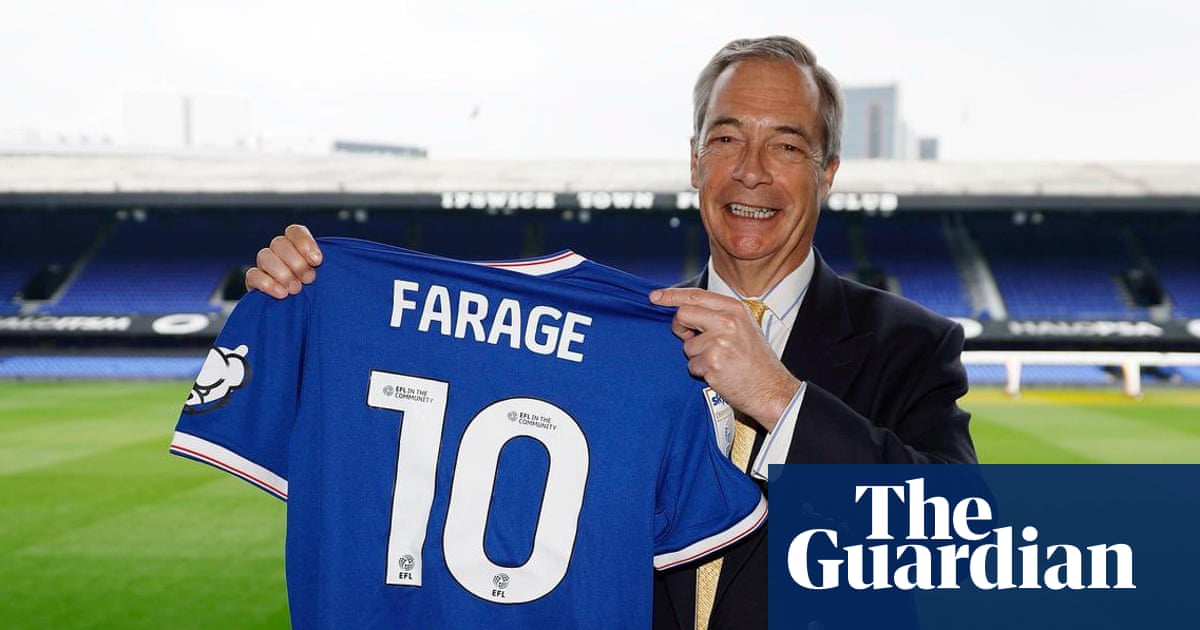
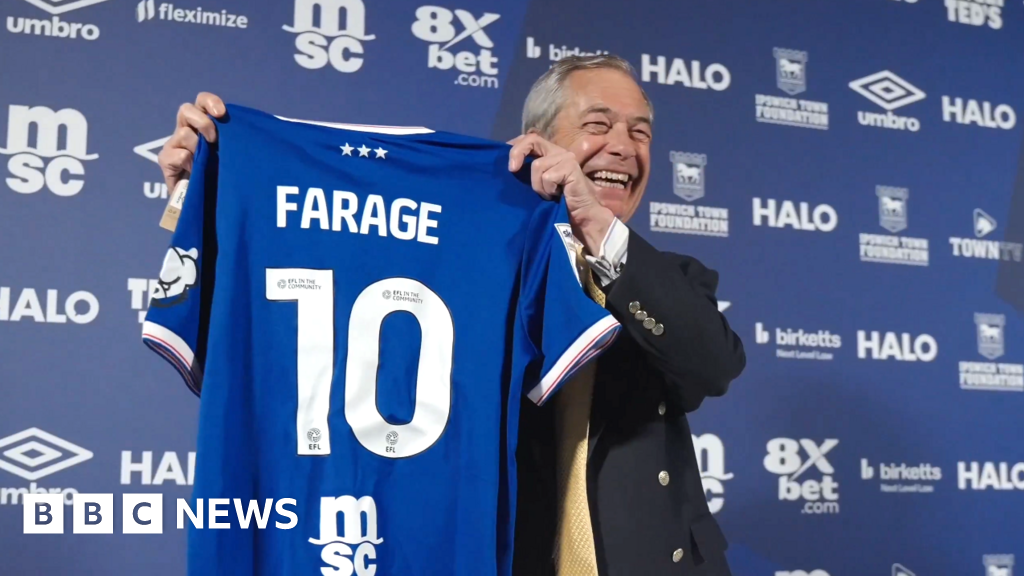
As the BBC reported this week, the club has been forced to deny that Reform leader Nigel Farage was officially invited to a match, despite a club associate insisting otherwise. It is exactly the kind of high-decibel distraction McKenna loathes. While the board navigates a PR minefield, the Northern Irishman has to solve a much more pressing problem: how a team that dominated the Championship with high-possession fluidity has become so structurally vulnerable in the top flight. The gap between McKenna's vision and the squad's execution is widening at the worst possible moment.
The math of the survival run-in
Entering the 31st minute of the season's final act, Ipswich sit 18th, two points behind a Leicester side that has been equally erratic under Ruud van Nistelrooy. The stakes are clear. A win for the Tractor Boys drags Leicester into the mire and potentially lifts Ipswich out of the bottom three for the first time since January. A loss, however, would leave them needing a miracle in an April schedule that includes trips to the Emirates and the Etihad. The pressure is no longer abstract; it is a physical presence felt in every misplaced pass at Portman Road.
McKenna's high-wire act vs. Van Nistelrooy's transition
Tactically, this is a fascinatng clash of philosophies that haven't quite clicked at this level. McKenna remains wedded to his 4-2-3-1 system, characterized by incredibly high starting positions for his full-backs. Leif Davis, who has contributed 8 assists this season, is essentially a left-winger in possession. This creates an overload that most bottom-half teams struggle to track, but it leaves a cavernous space behind him—a space that Leicester's Abdul Fatawu is specifically designed to exploit. If Sam Morsy and Kalvin Phillips cannot provide the lateral cover required, Ipswich will be carved open on the counter-attack before they even realize they've lost the ball.
Leicester, meanwhile, have become a strange hybrid under Van Nistelrooy. They aren't the possession-heavy side they were under Enzo Maresca, nor are they a pure low-block-and-counter outfit. Harry Winks still dictates the tempo, averaging 64.2 passes per game with a 91% completion rate, but there is a lack of verticality in the middle. They often look like a team waiting for a mistake rather than forcing one. The duel between Winks and Omari Hutchinson will be the game's decisive tactical battle; if Hutchinson can find the pockets between Leicester's defensive and midfield lines, the Foxes' back four—often led by an increasingly isolated Wout Faes—will be exposed.
The Davis-Fatawu axis
Watch the 15-minute mark of this match. By then, we will know if McKenna has adjusted his rest-defense. In the reverse fixture, Davis was caught 40 yards up-pitch when Leicester turned the ball over, leading directly to a goal. Fatawu's acceleration is elite, and his tendency to chop inside onto his left foot is the Premier League's worst-kept secret that teams still fail to defend. If Ipswich don't commit a defensive midfielder to double up on the Ghanaian, they are effectively asking for a relegation death warrant.
The critical flaw: Set-piece frailty
Here is the negative reality that both fanbases are trying to ignore: both these teams are shambolic at defending dead-ball situations. Ipswich have conceded 14 goals from set-pieces this season, the third-worst in the division. It is a symptom of a lack of height and a zonal marking system that seems to confuse the players more than the opposition. Leicester aren't much better, frequently losing their markers during second-phase deliveries. In a game this tight, a scruffy header from a corner at the 88th minute is more likely to decide the result than a 25-yard screamer.
There is also a growing concern regarding McKenna’s refusal to pivot. His commitment to 'the process' is admirable, but in a survival fight, sometimes you need to park the bus and play for a 0-0. Ipswich have yet to show they have that gear. They play every game like they are still the dominant force in the Championship, and against the clinical finishers in the Premier League, that is bordering on tactical arrogance. If they go down, the autopsy will point to a manager who refused to compromise his principles even as the ship was taking on water.
The Van Nistelrooy factor
On the opposite bench, Ruud van Nistelrooy is fighting for his own reputation. He arrived with the promise of a more direct, aggressive Leicester, but the results have been tepid. There is a sense that the players are caught between two eras—the patient build-up of the Maresca year and the more chaotic, individualistic approach of the current regime. Wout Faes has looked particularly uncomfortable, forced to defend larger spaces than he is used to. If Leicester are to survive, they need more than just Harry Winks recycling possession; they need Stephy Mavididi and Fatawu to be more than just outlets. They need them to be match-winners.
Prediction: A point that helps nobody
Everything points to a nervous, low-quality affair where the fear of losing outweighs the ambition to win. Portman Road will be rocking, but the atmosphere could turn toxic quickly if Ipswich concede early—the Farage news has already put some sections of the support on edge regarding the club's leadership. I expect McKenna to start aggressively, but Leicester's ability to kill the tempo through Winks will frustrate the home crowd.
"We know exactly what is at stake here. The noise outside the building doesn't matter; what matters is the 90 minutes on that pitch."
Ultimately, neither side has the defensive discipline to keep a clean sheet, but neither has the clinical edge to run away with it. I'm calling a 1-1 draw. It's a result that keeps both teams in the fight but provides neither with the momentum needed to escape the gravity of the bottom three. Ipswich will rue their missed chances, and Leicester will be relieved to escape with their two-point lead intact. The 'Farage circus' will move on, but the grim reality of the relegation math will remain.