Falkirk’s quiet masterclass in the Premiership
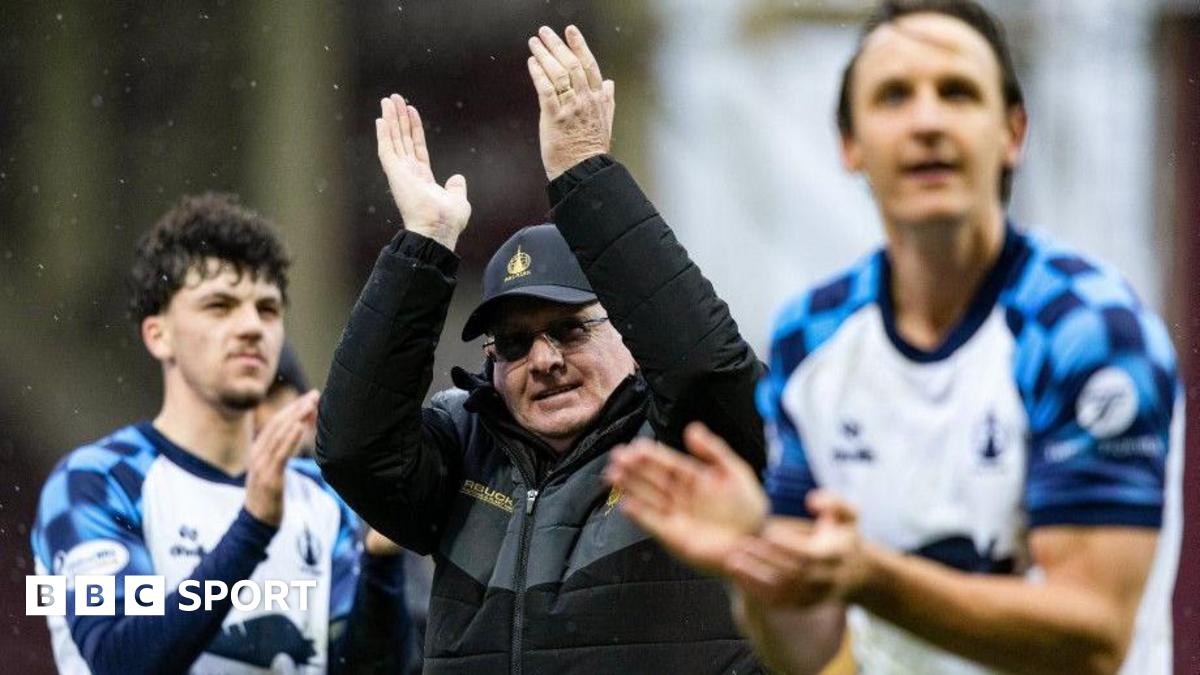
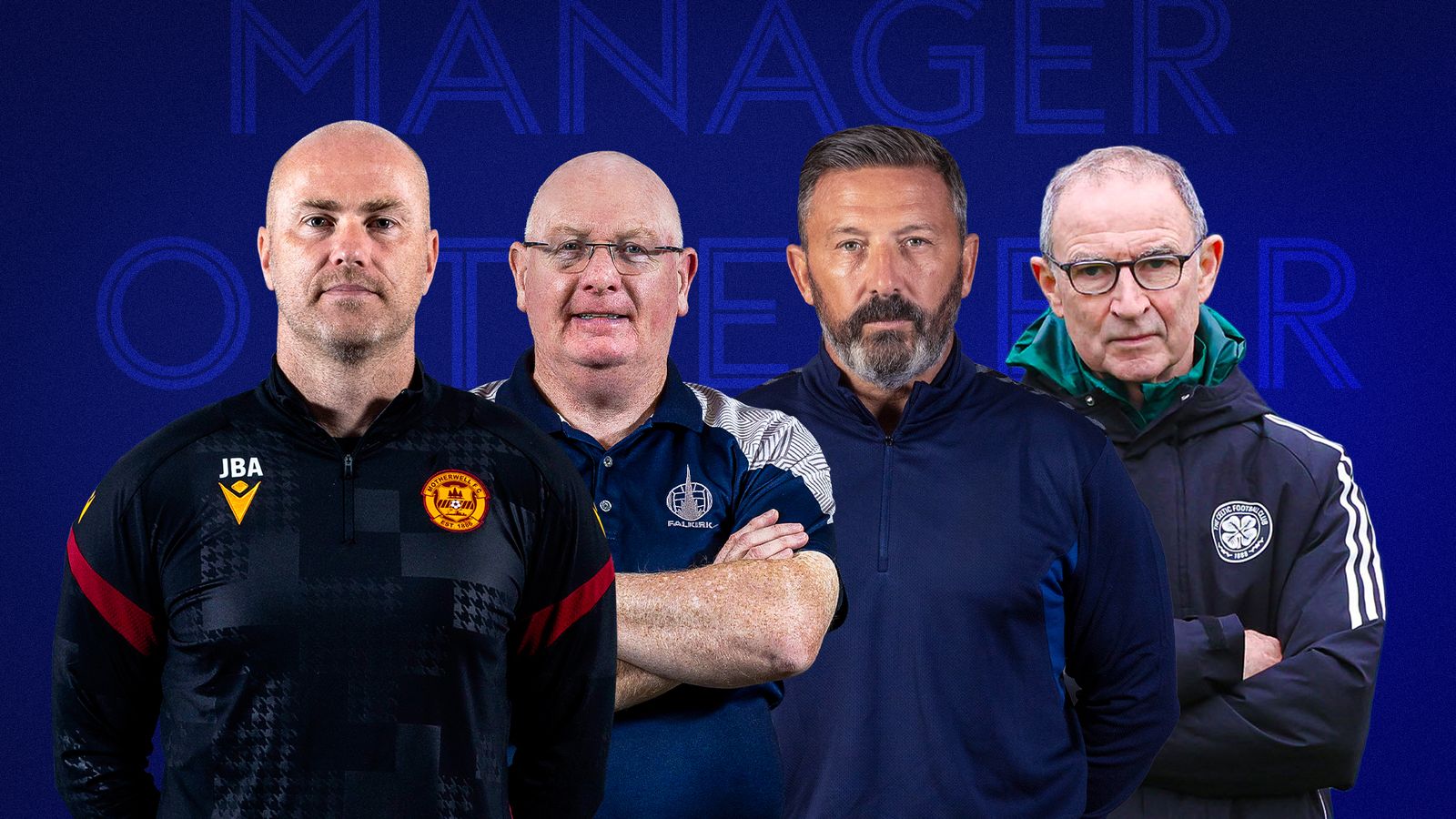
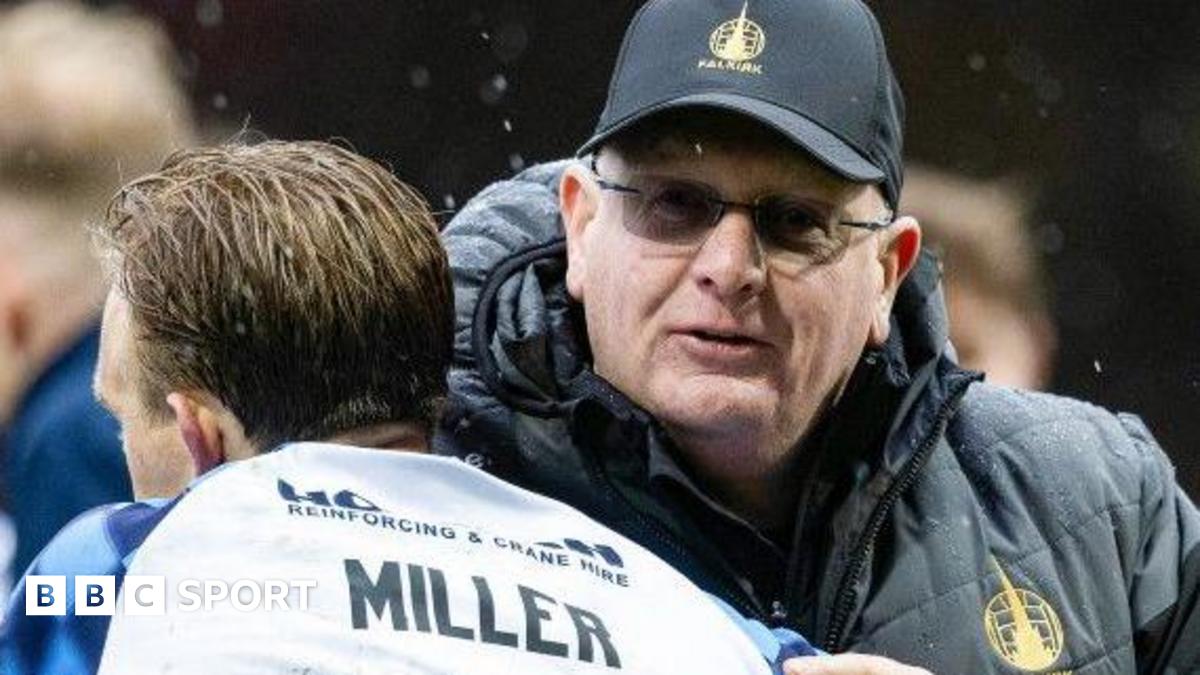
When Falkirk were promoted back to the top flight, the consensus was clear. They were expected to be a relegation fodder side, likely to suffer a quick return to the Championship while relying on a narrow defensive shell. Instead, John McGlynn has them sitting comfortably in the top six by April 2026.
It is not just that they are staying afloat. It is the specific manner of their survival. McGlynn has transformed an aging squad into an high-octane unit that treats every transition as a scoring opportunity. Watching them dismantle mid-table rivals has been the highlight of my Scottish football diet this winter.
The metrics don't lie
Look at the points-per-game stats. Falkirk are picking up results against clubs with wage bills triple their size. They are currently boasting a defensive structure that has kept clean sheets against two of the league's top three sides this calendar year. As the BBC recently highlighted, McGlynn has turned this group into a legitimate threat regardless of the opponent.
His tactical flexibility is the unsung element here. Most managers at this level play for a draw when they go to Ibrox or Parkhead. McGlynn forces his full-backs into aggressive overlaps, pinning the opposition back and forcing errors in their own half. It takes vision and a bit of nerve to do that with a newly promoted club.
The one flaw in the ointment
Despite the success, the squad depth remains a concern heading into the final stretch. I have watched them fade in the final 15 minutes of matches when the intensity catches up with their oldest midfielders. You can see the heavy legs after the 75th minute mark.
If they catch an injury bug in the back line, the drop-off to the bench options is drastic. Should they lose their primary playmaker for any length of time, the entire system might collapse under the weight of expectations. It is a fragile balance, but one McGlynn has managed perfectly so far.
The final verdict
We are just days away from the intense final run of league fixtures. Managers at larger clubs have the resources to mitigate failure, but McGlynn is operating with a budget that makes his current league position a statistical anomaly. He is not just coaching a team; he is performing a tactical robbery.
I am locking in my prediction right now. When the awards ceremony finishes in May, the trophy belongs in Falkirk. No other manager in Scotland has squeezed as much output from as little talent this season.
Read Next
- John McGlynn has turned Falkirk into Scottish football's main character
- Rangers defensive stability concerns linger as Rommens sidelined
- Aberdeen are sleepwalking into a relegation nightmare
- Aberdeen are staring down the barrel of an unthinkable relegation
- ⚽ Scottish Premiership 2025-26 — Celtic vs Rangers Hub