The Three-Peat Dream in Falkirk
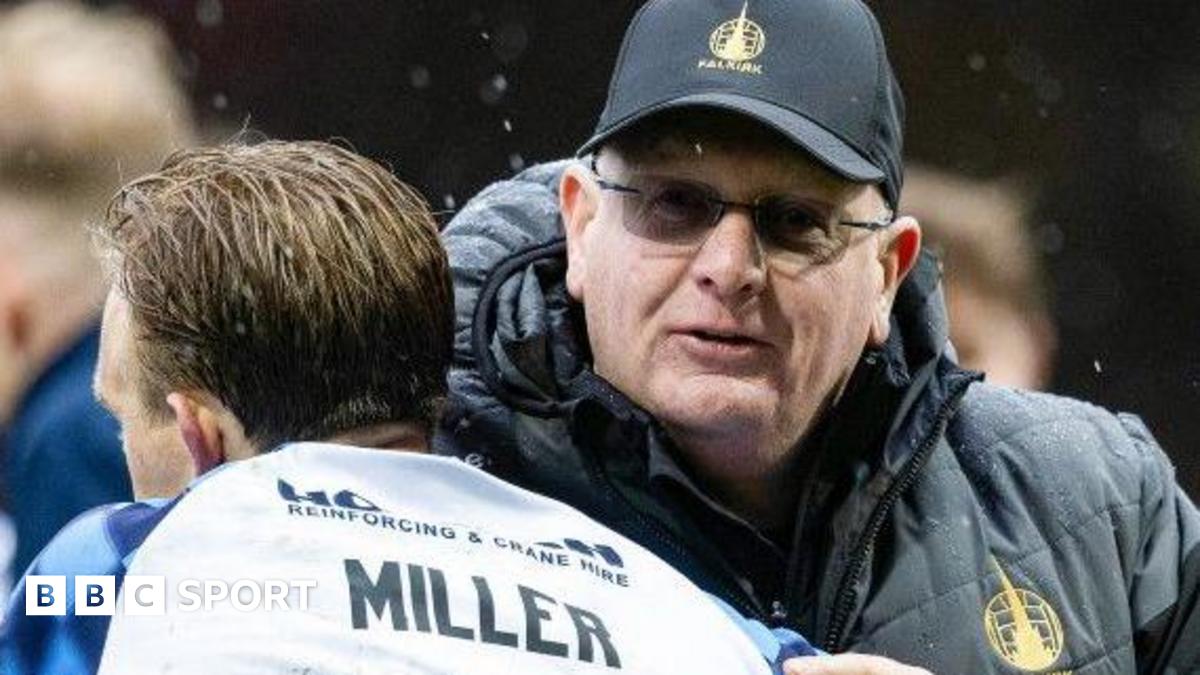
The PFA Scotland Manager of the Year shortlist just dropped and it is exactly the kind of beautiful, chaotic mess that makes our game the best soap opera on earth. If you are not paying attention to what John McGlynn is doing at Falkirk, you are probably one of those people who thinks football only exists within the M25. The man is out here trying to complete a hat-trick like he is Prime Messi in a Falkirk tracksuit, and honestly, who is brave enough to bet against him?
McGlynn is chasing his third successive award, a feat that would essentially turn the PFA trophy into his own personal property. We are talking about a guy who has turned the Bairns into a winning machine that eats pressure for breakfast and asks for seconds. It is not just about the results; it is about the sheer, unadulterated dominance they have shown under his watch. They do not just beat teams; they systematically dismantle them until the opposition starts wondering if they should have stayed on the bus.
But let’s get real for a second. The pressure on McGlynn is different this time around. When you have won it twice, you are no longer the plucky underdog doing a bit of magic in the lower leagues. You are the man with the target on your back. Every tactical tweak he makes is now analyzed like a NASA launch, and every rare dropped point is treated like a national crisis in Stirlingshire. He has built a culture of expectation that would crush a lesser manager, yet he seems to thrive in the heat of it.
The Derek McInnes Redemption Arc at Hearts
Then we have Derek McInnes. Seeing his name attached to Hearts in this shortlist feels like that guy who shows up to every party with a decent bottle of wine. He is reliable, he is predictable, and you cannot really complain about him being there even if you wanted to. McInnes has done what many thought was impossible: he has brought actual, tangible stability to a club that usually treats its managers like disposable coffee cups.
Hearts are the biggest basket case in Edinburgh, and that is saying something when you consider the competition. For McInnes to walk into that environment and hammer out a winning formula is nothing short of a miracle. He has taken a squad that was previously more interested in internal politics than external points and turned them into a cohesive unit. They are hard to beat, they are disciplined, and they actually look like they have a plan beyond 'give it to the winger and hope for the best.'
However, there is a catch. The football at Tynecastle under McInnes can sometimes feel like watching paint dry in a very expensive gallery. It is efficient, it gets the results, but it is not going to win any beauty contests. There is a specific kind of frustration that comes with watching a team win 1-0 every week when you know they have the talent to blow people away. It is the tactical equivalent of eating your vegetables before you are allowed any dessert.
The Lower League Hero: Gary Naysmith
If there is one name that should make every 'big club' fan sit up and take notice, it is Gary Naysmith. What he has done at Stenhousemuir is the kind of stuff they make movies about, or at least very long YouTube documentaries. Stenny isn't exactly a global powerhouse, but Naysmith has them punching so far above their weight they are basically in a different zip code. He is the ultimate grind manager, a man who knows how to extract every single drop of talent out of a squad built on a shoestring budget.
Naysmith represents the soul of the Scottish game. He is the guy working in the trenches while the big boys argue over VAR decisions and corporate hospitality. For him to be on this shortlist alongside the likes of McGlynn and McInnes is a massive nod to the work being done in the shadows of the professional pyramid. It is a reminder that you do not need a multi-million-pound training ground to build a winning culture; you just need a clear vision and a group of players willing to run through brick walls for you.
But let’s be brutally honest: Naysmith is the outsider here. In a world where voters are often swayed by the glitz and glamour of the higher divisions, a League Two miracle worker has to do twice as much to get half the credit. He is the dark horse in a race dominated by thoroughbreds, and while he deserves his spot, the uphill battle for the actual trophy is steeper than the road to the top of Arthur’s Seat. If he wins, it will be the biggest upset since... well, since the last time a lower-league manager actually got the respect they deserved.
The David Askou Snub
We cannot talk about this list without mentioning the elephant not in the room. David Askou missing out is the kind of oversight that makes you wonder if the voting committee actually watches the games or if they just check the league table once a month. Askou has been doing incredible work, yet he finds himself on the outside looking in while the usual suspects gather for the gala dinner. It is a snub that carries a lot of weight, especially given the impact he has had on his squad this season.
Missing out on a nomination is one thing, but being completely overlooked when you have demonstrably improved your team's standing is a bitter pill to swallow. It feels like the PFA has played it safe this year, sticking to the names that generate the most headlines rather than looking at the tactical innovation happening elsewhere. Askou’s omission is a classic case of 'out of sight, out of mind,' and it is a disservice to a manager who has arguably done more with less than some of the names on the final list.
The critical flaw in these awards is often their predictability. We see the same faces, hear the same justifications, and ignore the outliers who are actually breaking new ground. Askou deserved better, and his absence from this shortlist is a reminder that the Scottish football establishment is often slow to recognize change. It is easier to reward the status quo than it is to acknowledge the disruptors who are making everyone else look bad.
The Verdict on the Shortlist
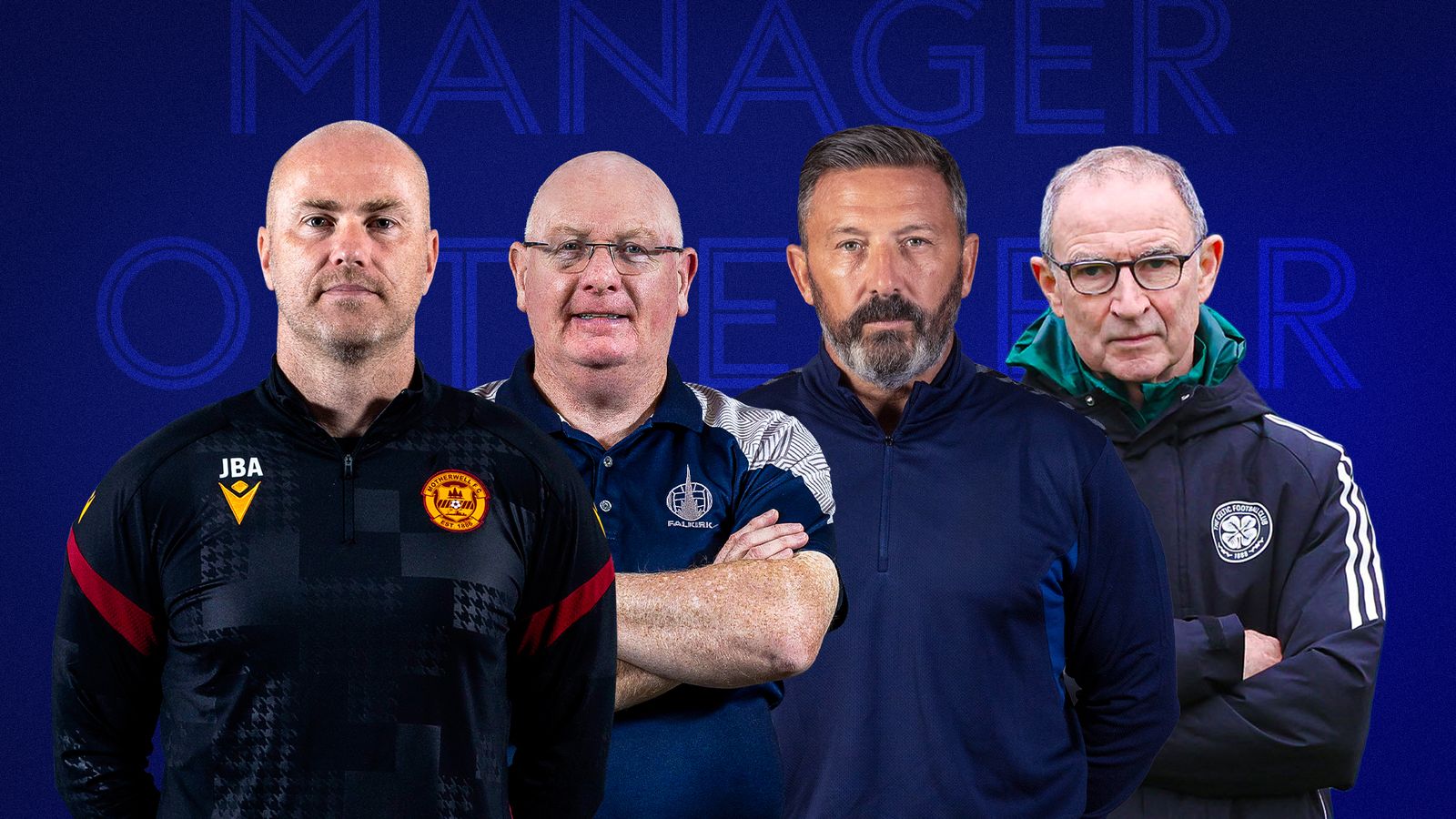
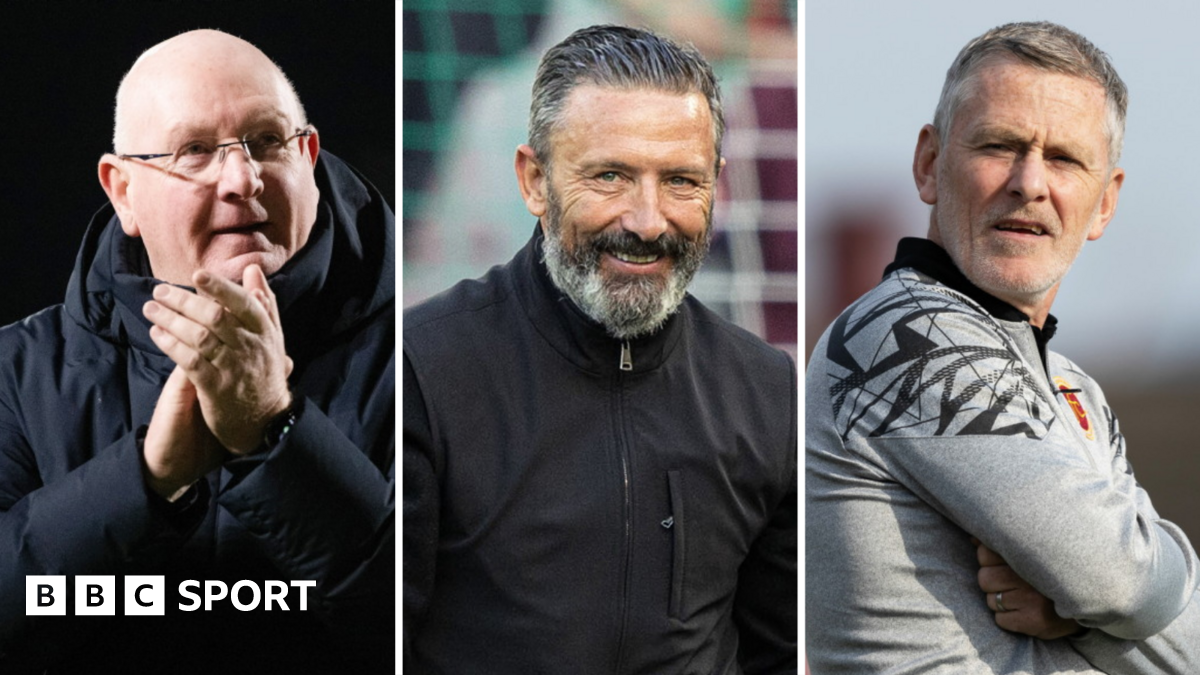
So, where does that leave us? We have a three-time hopeful, a stability specialist, and a lower-league underdog. It is a classic Scottish mixture of ambition and grit. John McGlynn is clearly the favorite, and for good reason. You do not win **two** of these in a row by accident, and a third would cement his legacy as one of the most effective managers in the modern era of our game. He has mastered the art of winning when it matters most.
But if McInnes takes it, it will be a victory for the 'safe pair of hands' philosophy. It would be a recognition that sometimes, just making a club not terrible is an achievement worth celebrating. Hearts are in a much better place than they were twelve months ago, and McInnes is the primary reason for that. Whether that is enough to beat a historic three-peat remains to be seen, but he has certainly made his case on the pitch.
Then there is Naysmith. A win for him would be a win for every manager working in the rain on a Tuesday night in front of three hundred people. It would be a signal that the PFA actually values the entire spectrum of the Scottish game, not just the top two or three tiers. It would be the feel-good story of the season, a genuine 'Roy of the Rovers' moment in a sport that is increasingly dominated by spreadsheets and data analytics.
Ultimately, this shortlist tells us a lot about what we value in a manager in 2026. We value consistency. We value the ability to stabilize a sinking ship. And occasionally, we value the romanticism of the underdog. It is a shame that Askou is not there to round out the conversation, but even without him, the debate is going to be fierce. Whoever wins, you can bet there will be plenty of shouting in the pubs from Aberdeen to Annan.
At the end of the day, these awards are about more than just a trophy on a mantlepiece. They are about the recognition of the long hours, the tactical headaches, and the sheer mental toll that management takes on these guys. To be nominated is an achievement in itself, but in a year where the competition is this tight, being the runner-up is going to sting. The gala dinner is going to be a tense affair, and I for one cannot wait to see who walks away with the gold and who walks away with a chip on their shoulder for next season.