The weight of the Scottish Cup outside Glasgow
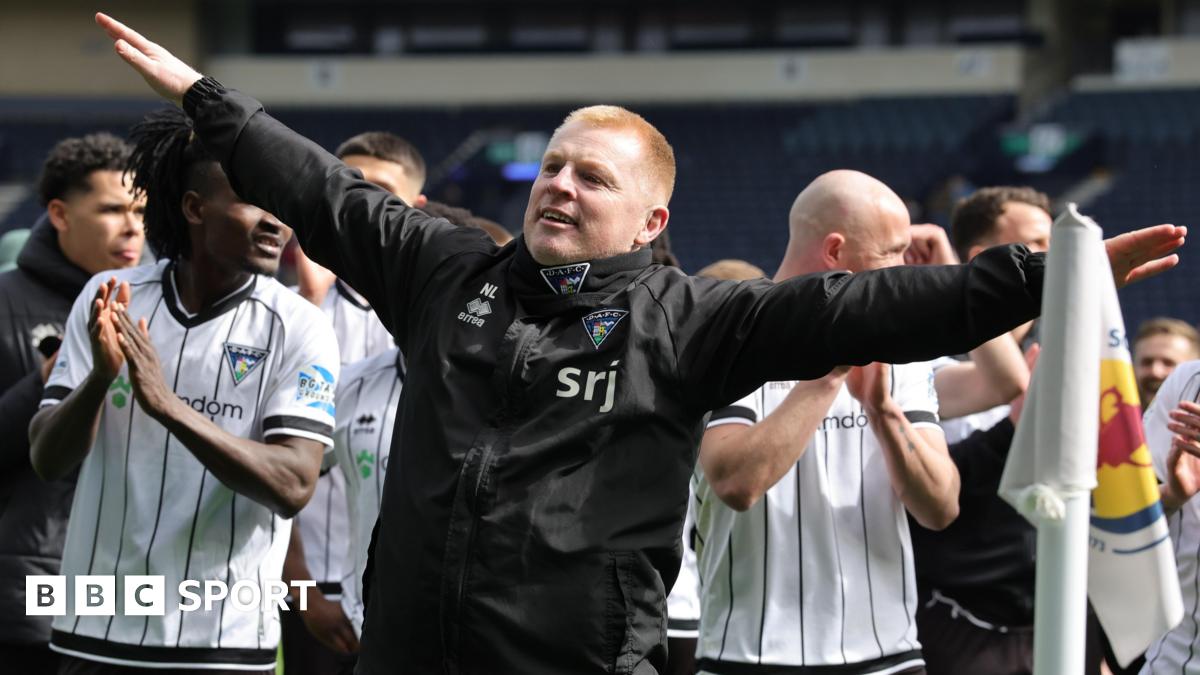
While the world watches the Champions League quarter-finals tonight, a different kind of intensity is simmering in the central belt of Scotland. The Scottish Cup semi-final between Falkirk and Dunfermline Athletic isn't just a game; it is a collision of two clubs who have spent years clawing back toward relevance. For the supporters, it is a rare moment in the sun, a chance to step away from the grind of league football and imagine a trophy presentation at Hampden.
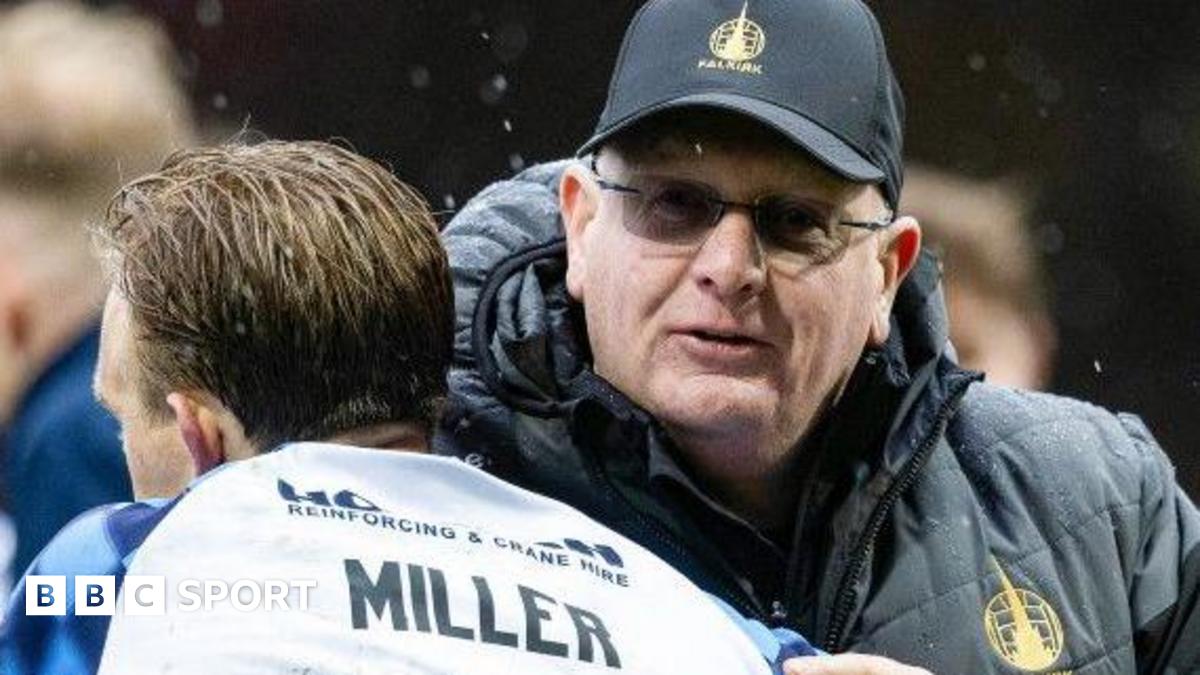
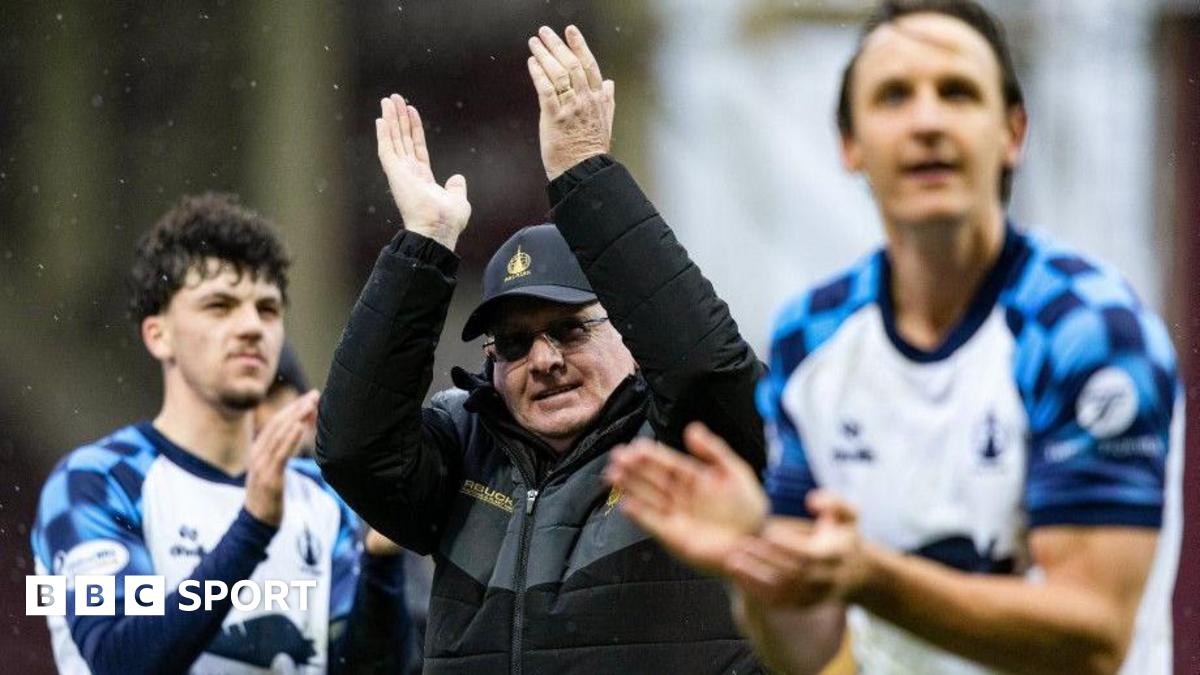
For Falkirk manager John McGlynn, the stakes could not be higher. As BBC Sport reported, the veteran coach views a potential cup final appearance as the absolute peak of his professional life. At 64 years old, McGlynn has seen every corner of the Scottish game, from the technical rooms at Tynecastle to the touchlines of the lower divisions. He knows that opportunities like this do not come around twice in a career already defined by longevity.
The rivalry between the Bairns and the Pars is often overlooked by those who only focus on the Glasgow giants, but it remains one of the most localized and bitter feuds in the country. This is the Derby of the Forth, a match that divides families across the Kincardine Bridge. To meet in a national semi-final adds a layer of pressure that can either freeze a player or turn them into a local legend within ninety minutes.
The McGlynn blueprint for control
McGlynn has built this Falkirk side in his own image: methodical, possession-oriented, and tactically disciplined. They do not look to win games through chaotic scrambles or lucky bounces. Instead, they attempt to starve the opposition of the ball, utilizing a deep-lying playmaker to dictate the tempo. This season, his side has maintained an average of 58 percent possession, a figure that would make most top-flight managers envious.
The tactical setup usually revolves around a fluid 4-2-3-1 that shifts into a 2-4-4 during the attacking phase. The full-backs push high and wide, stretching the opposition horizontally and creating pockets of space for the creative midfielders. It is a system that requires high levels of fitness and technical precision. When it works, it is the most attractive football outside of the Premiership. When it fails, it looks like over-complicated passing in non-dangerous areas.
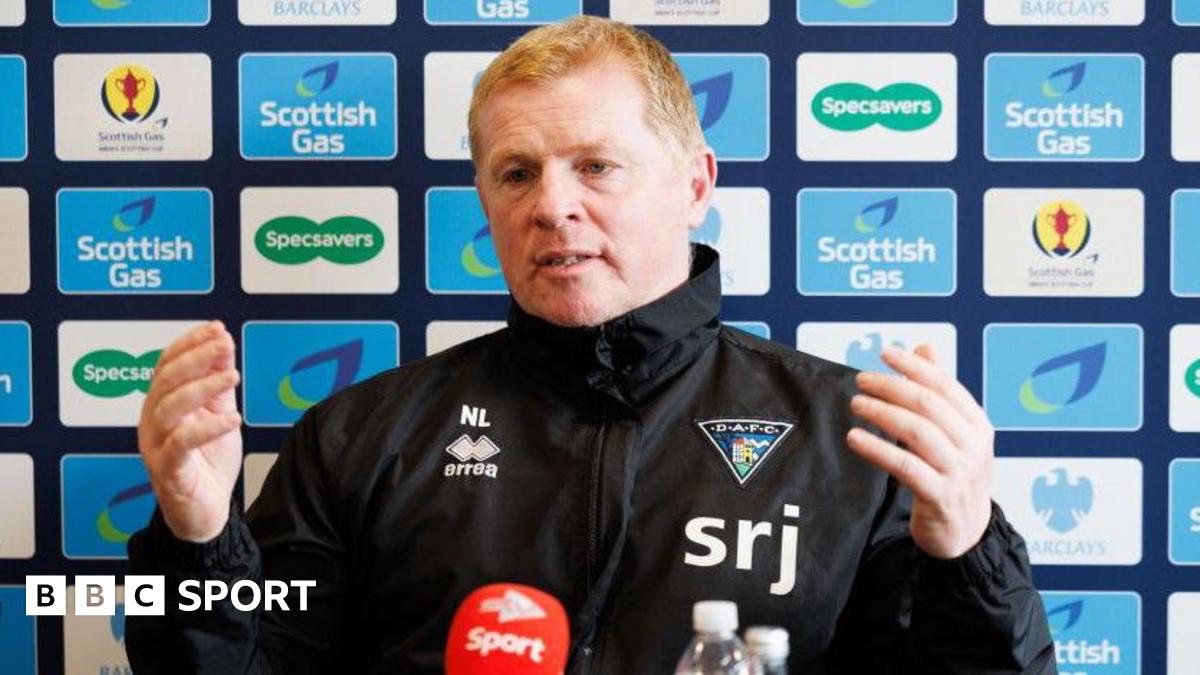
Dunfermline, under James McPake, will provide the perfect stylistic counter. While Falkirk want to play through you, the Pars are perfectly happy to go over you. They specialize in verticality, looking to hit the channels early and force defenders into making split-second decisions under physical pressure. It is the classic battle of the artist against the artisan, and in a cup semi-final, the artisan often has the sharper tools.
The fragility of the Bairns
However, there is a recurring flaw in the Falkirk system that McGlynn has yet to fully solve. Their commitment to a high defensive line is frequently their undoing against teams with genuine pace on the break. In their last three league outings, they have looked vulnerable whenever the ball is turned over in the middle third. There is a lack of recovery speed in the central defensive pairing that could be fatal at Hampden.
There is also a psychological question hanging over this squad. In recent seasons, Falkirk have developed a reputation for being 'nearly' men—a team that plays the best football but fails to deliver when the physical intensity ramps up. If Dunfermline turn this into a scrap in the first twenty minutes, I am not convinced this Falkirk side has the stomach for a war of attrition. They prefer the clean sheets of a tactical chalkboard to the mud and noise of a Fife derby.
McGlynn’s admission that this is his "pinnacle" is a double-edged sword. While it serves as a powerful motivator, it also broadcasts the immense pressure he is feeling. Players sense that kind of desperation. If things go wrong early, that weight could become a millstone around their necks. A cup final would be a just reward for his service to the game, but football rarely cares about sentimentality or career arcs.
The Hampden factor and the tactical trap
Playing at Hampden Park changes the geometry of the game. The pitch is significantly larger than what these players see on a weekly basis, and the atmosphere can be swallowing. For a possession-heavy team like Falkirk, the extra space should, in theory, be an advantage. More room to move the ball, more space to tire out the Dunfermline runners. But that space also means more ground to cover when they lose the ball.
The key battle will be in the wide areas. If Falkirk’s wingers can pin back the Dunfermline full-backs, they will essentially take the Pars' best attacking outlets out of the game. If they fail to do so, they risk being doubled up on the flanks. It is a high-stakes chess match where a single positional error can end a season’s worth of dreaming. We have seen this script before in Scottish football, where the underdog sits deep and waits for the favorite to over-extend themselves.
Dunfermline will likely concede the ball for long stretches, gambling on their ability to defend the box. They have one of the best aerial records in the Championship, and they will be begging Falkirk to cross the ball. McGlynn’s men must resist that urge. They need to find the disguised passes and the third-man runs that have characterized their best performances this year. Patience will be their greatest asset, but also their greatest enemy if the clock starts ticking toward ninety.
A prediction rooted in reality
This will not be a high-scoring affair. Cup semi-finals involving rivals rarely are. It will be a game of fine margins, tactical fouls, and perhaps a moment of individual brilliance or a catastrophic error. Falkirk have the better players and the more sophisticated system, but Dunfermline have the grit and the directness that usually wins these types of encounters. The weight of expectation on McGlynn is massive, and I suspect it might be just too much for his side to handle in the closing stages.
Expect Falkirk to dominate the ball for the first hour, creating chances but failing to put the game to bed. Dunfermline will stay in the contest through sheer stubbornness, waiting for that one set-piece or one long ball to catch the Bairns' high line sleeping. It feels like a day where the technical superiority of the Stirlingshire side will be undone by a lack of clinical edge in the final third.
I am backing the Pars to snatch this in the 84th minute, capitalizing on a defensive lapse as Falkirk push too many bodies forward in search of a winner. It will be a heartbreaking end for McGlynn, but a classic example of why the Scottish Cup remains the most unpredictable tournament in the country. The pinnacle will have to remain a dream for another year.
My final call is a 2-1 victory for Dunfermline Athletic, with the winner coming from a corner that Falkirk fail to clear. The Bairns will have the stats, but the Pars will have the place in the final. That is the brutal reality of knockout football at the national stadium.
Read Next
- Rangers are scoring for fun but the defensive rot is becoming impossible to ignore
- Lisandro Martinez just torched Manchester United’s season over a hair pull
- Andoni Iraola’s exit leaves Bournemouth facing a high-stakes identity crisis
- Andoni Iraola leaving Bournemouth is a total disaster for the Premier League