The 784-day expiration date
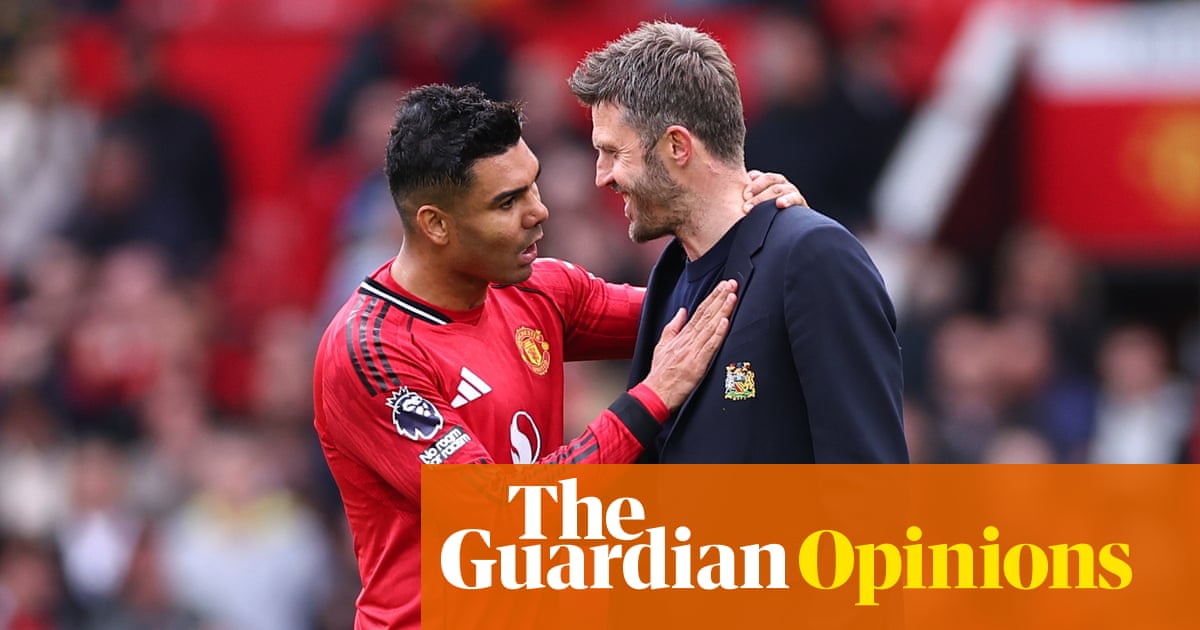
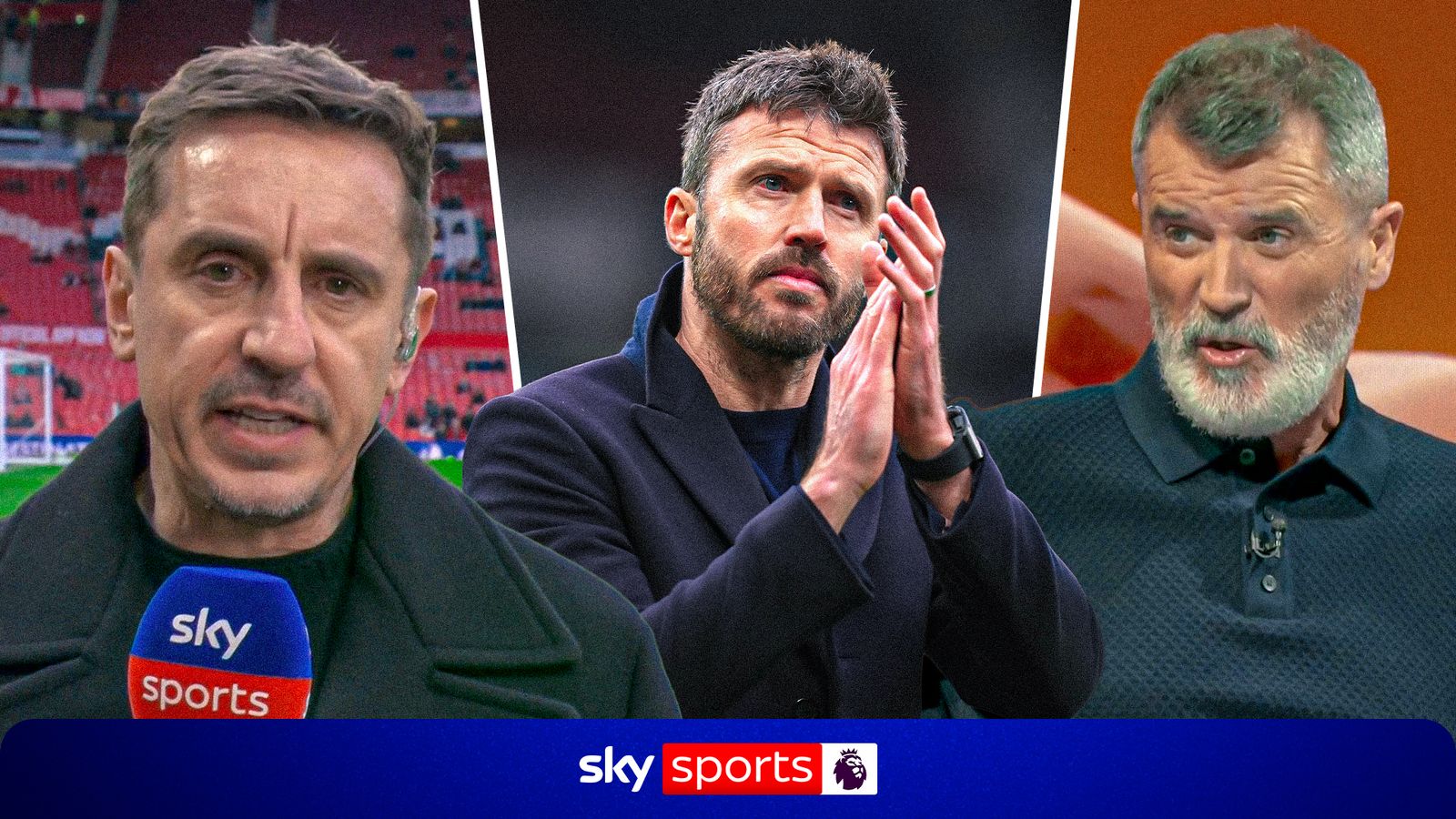
Manchester United have cycled through five permanent managers since 2013, and the average lifespan of a United boss has plateaued at just 784 days. That is the statistical reality facing Michael Carrick as Gary Neville and Roy Keane debate his suitability for the permanent role at Old Trafford. It is a cycle of boom and bust that has cost the club over £1.2 billion in transfer fees alone since Alex Ferguson stepped down. The question isn't whether Carrick 'knows the club'—a tired trope that should have been buried with the 2021 season—but whether his tactical profile fits a squad that currently ranks 14th in the Premier League for successful high presses.
United are currently averaging a dismal 1.42 points per game over their last 15 league outings. For context, that is a lower return than David Moyes managed during his ill-fated ten-month tenure in 2014. The data suggests a team caught between two worlds: unable to sit deep and counter-attack with the efficiency of the Solskjaer era, yet too fragile to sustain the high-possession demands of a modern elite system. This is where Carrick’s work at Middlesbrough becomes the primary evidence for his candidacy.
The tactical blueprint at Riverside
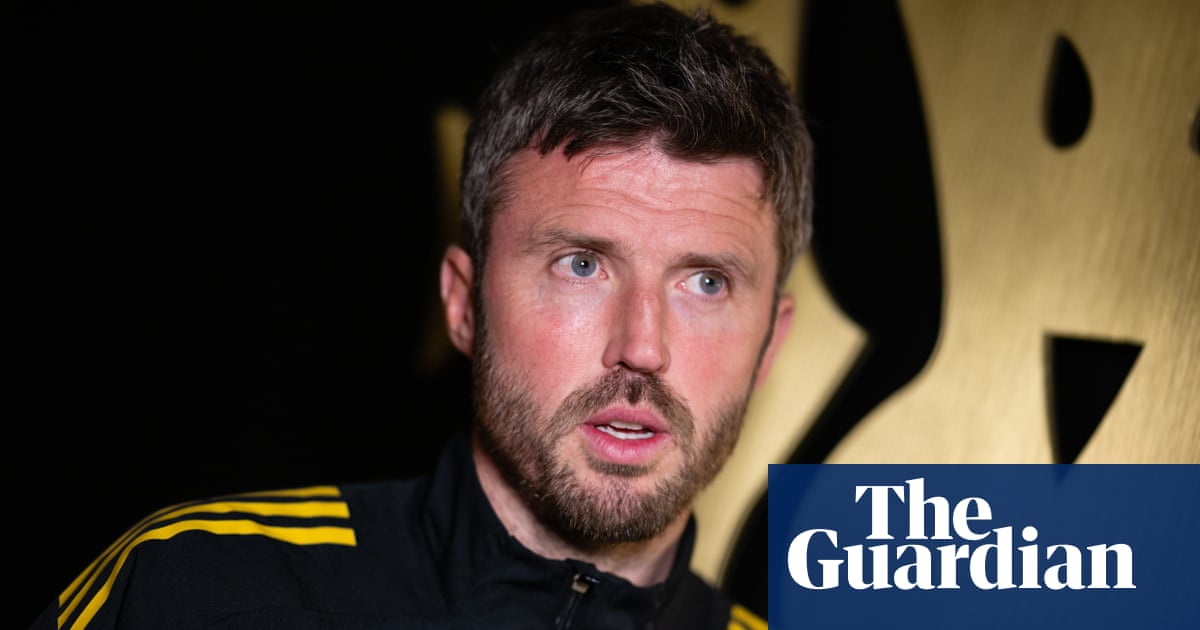
Carrick’s Middlesbrough side finished the 2024/25 season with a 62.4% possession average, the highest in the Championship. They weren't just keeping the ball for the sake of it; they led the league in progressive passes per 90 (44.8) and Expected Goals (xG) from open play. Carrick employs a fluid 4-2-3-1 that morphs into a 3-2-5 during the build-up phase, usually by dropping a holding midfielder between the center-backs or pushing a full-back into the interior channels. It is a system built on technical security and disciplined spacing—exactly what United’s chaotic midfield currently lacks.
The contrast in defensive transition metrics is even more stark. United currently allow an average of 14.8 shots per game, frequently leaving their center-backs exposed in 40-yard sprints against opposition attackers. In contrast, Carrick’s Boro conceded the fewest 'big chances' in the second tier last season. As Sky Sports reported, Neville and Keane are divided on whether this translates to the pressure cooker of Old Trafford, but the numbers suggest Carrick has developed a repeatable, modern tactical identity that doesn't rely on individual brilliance.
Breaking the DNA trap
United’s biggest mistake over the last decade has been hiring for 'feeling' rather than 'function.' Ole Gunnar Solskjaer was hired on a wave of nostalgia after a 3-1 win in Paris; Jose Mourinho was hired as a reactionary measure to Pep Guardiola’s arrival at Manchester City. Carrick, despite his 464 appearances for the club, is actually the most 'un-United' candidate they have considered in years because his football is based on cold, calculated control rather than the 'United Way' of frantic wing play and late-game desperation.
If we look at his brief interim stint in 2021, Carrick secured a 66.6% win rate across three games, including a crucial win in Villarreal and a 1-1 draw at Stamford Bridge. While the sample size is microscopic, the tactical shifts he made in those 270 minutes were telling. He dropped Cristiano Ronaldo for the Chelsea match, a move that prioritized the team’s defensive structure over star power. That 87th minute equalizer from Jorginho was the only thing that denied him a perfect record against the European champions of the time. It showed a willingness to make unpopular, data-driven decisions that his predecessors often avoided.
The structural rot at Old Trafford
However, no manager—not even one with Carrick’s tactical ceiling—can succeed if the underlying metrics of the club’s recruitment remain this broken. United’s 'hit rate' on transfers over £50 million is less than 30% over the last five years. The squad is a patchwork quilt of three different managerial philosophies. You have the high-line defenders bought for a pressing game, the deep-lying playmakers bought for a counter-attacking system, and the wingers who only want to cut inside and shoot.
Carrick’s success at Middlesbrough was aided by a clear alignment with their recruitment team, focusing on young, high-upside players like Hayden Hackney. At United, he would be inheriting a wage bill that is 22% higher than any other team in the league, excluding Manchester City. The danger is that Carrick becomes another human shield for a board that refuses to implement a modern sporting director model. Without that support, Carrick’s 3-2-5 build-up patterns will eventually be undone by a £70 million midfielder who refuses to track back.
The gamble of the unknown
There is a segment of the fan base that views Carrick as 'Solskjaer 2.0,' but the data doesn't support the comparison. Solskjaer’s United ranked in the bottom half of the league for passes per defensive action (PPDA) during his best seasons; they were a reactive team. Carrick’s Boro are the definition of proactive. They force the opposition into uncomfortable positions through ball retention, not just through sprinting. It is the difference between being a track team and being a chess player.
The surprising finding in the 2026 data is that United are actually worse off now in terms of 'Expected Points' than they were during the darkest days of the 2021 collapse. They are currently 9th in the xG table, suggesting their 6th place league position is actually a result of goalkeeping heroics rather than tactical stability. If United hire Carrick, they aren't hiring a 'legend'; they are hiring a coach who has spent four years in the tactical laboratory of the Championship, perfecting a system that mirrors what Arsenal and City are doing at the top of the table.
Final Verdict: Control over Chaos
Neville is right to be cautious, and Keane is right to be skeptical of the 'DNA' talk, but both are missing the point. Manchester United have forgotten how to control a football match. They haven't averaged more than 55% possession in back-to-back seasons since 2012. Carrick offers a path to that control. Whether the club’s hierarchy has the patience to let him implement it is a different matter. If the Glazers or the new minority shareholders expect an immediate title charge, they are delusional. Carrick needs a three-year window to purge the deadwood and install his passing circuits.
Ultimately, the risk isn't Carrick’s lack of experience at the top level. The risk is that United’s dysfunctional culture will consume him before his system can take root. The numbers say he is the right tactical fit. History says the club will probably find a way to mess it up anyway.