The End of the Iron Men: A Medical Transition
The medical department at Kirkby is preparing for the most significant physiological shift in a decade. As Liverpool approach the UCL semi-finals, the news of Alisson Becker and Mohamed Salah nearing the exit door marks more than just a personnel change. It represents a calculated decision to move away from a core that has reached its biological ceiling in the high-intensity environment of the Premier League.
Reports indicate that Alisson Becker has reached a verbal agreement to join Juventus. This move comes after a season where the Brazilian’s medical file has started to grow. While he remains the world's best shot-stopper, the recurring calf and hamstring strains have limited his availability during the violent compression of the winter schedule. Juventus are betting on a keeper who will find the slower pace of Serie A far more forgiving on his 33-year-old frame.
This isn't just about a drop in form; it is about the reality of recovery times. For a goalkeeper in a high-line system, the explosive movements required to sweep behind a defense put immense strain on the soleus and gastrocnemius muscles. Alisson has struggled to string together twenty consecutive starts without a niggle appearing. Moving to Turin allows him to extend his career in a league that prioritizes positioning over raw physical output.
The Salah Longevity Question
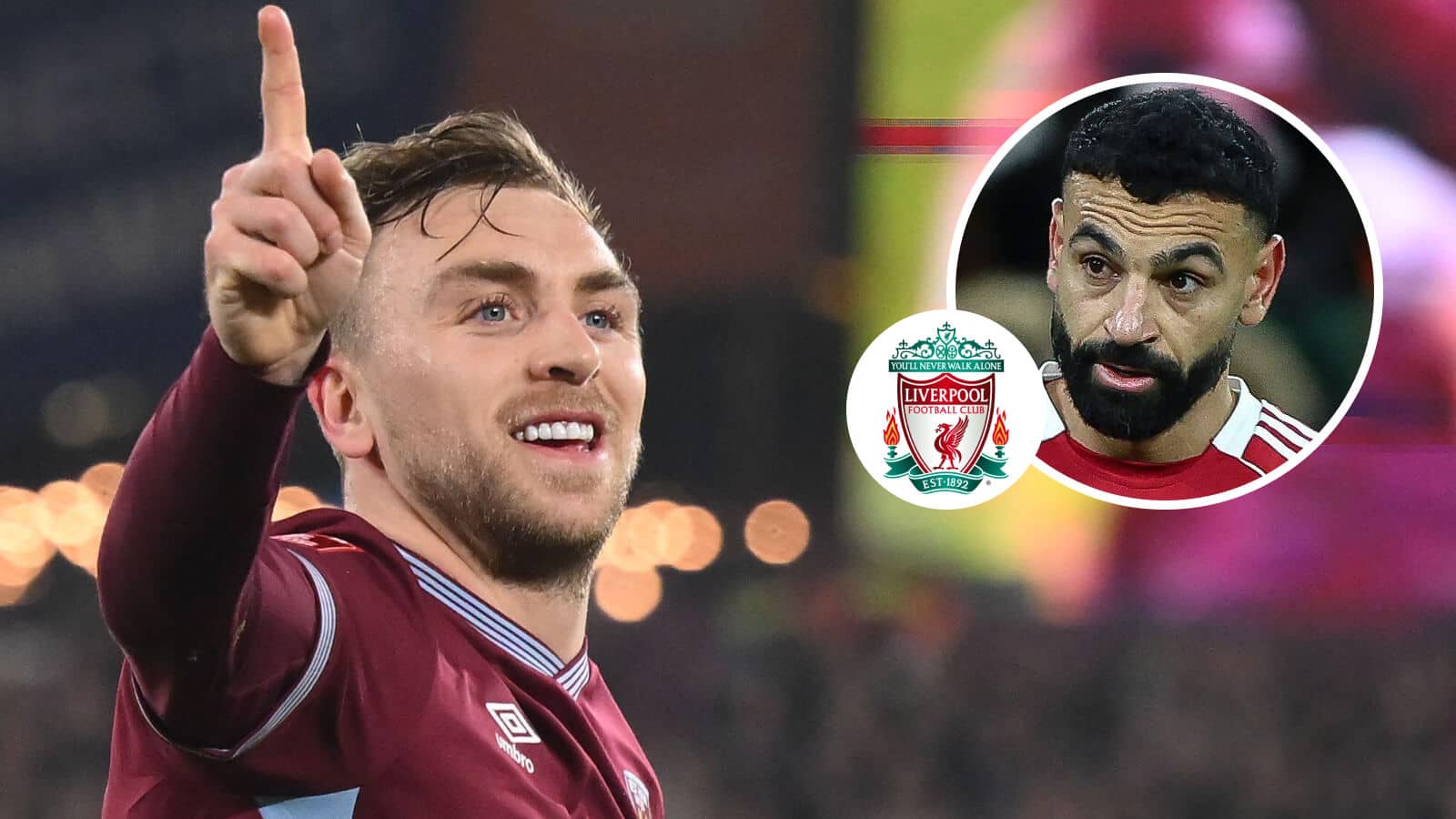
Mohamed Salah’s situation is equally tied to his physical data. Juventus have made their interest public as Salah’s potential move to Turin enters the final negotiation phase. Salah has been a medical miracle for Liverpool, rarely missing a day of training, let alone a match. However, the internal metrics suggest the drop-off is beginning.
Sports science staff have noted a slight decline in Salah’s recovery speed after midweek European fixtures. In 2022, his sprint volume remained consistent throughout a ninety-minute period. In 2026, those numbers dip significantly after the seventy-minute mark. For a player whose game relies on that sudden, twitchy acceleration to beat a fullback, the margins are razor-thin. If he loses five percent of that burst, he becomes a different, less dangerous player.
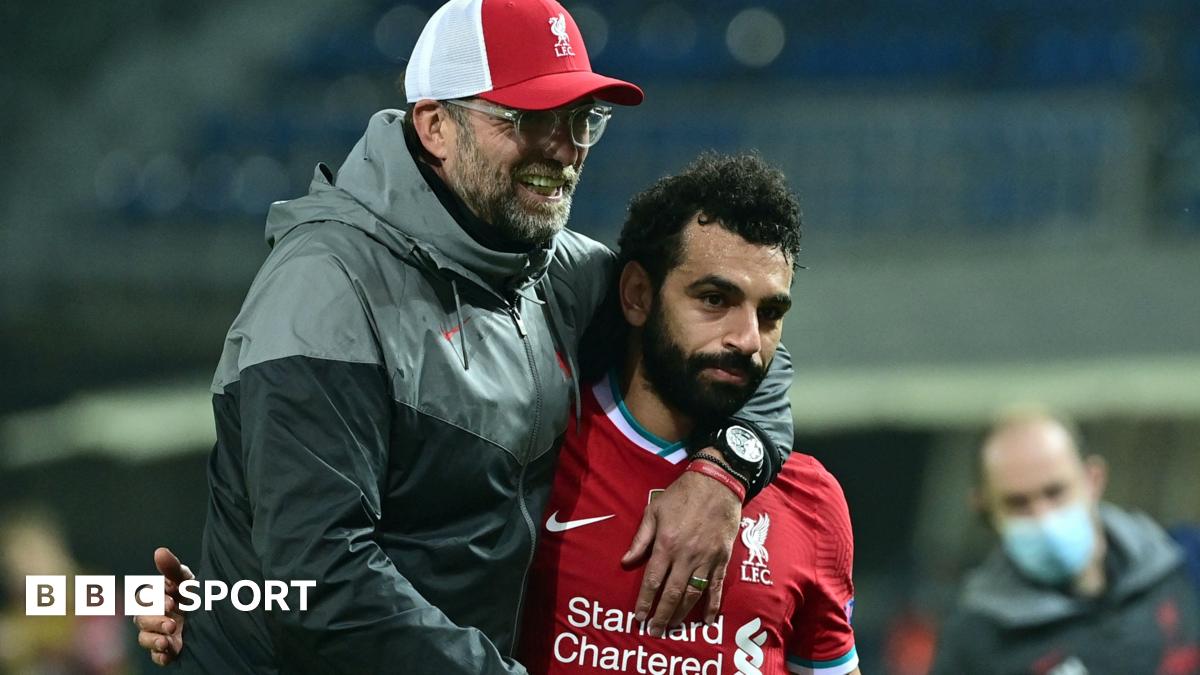
Juventus are looking for a commercial and sporting spearhead, but from a fitness perspective, they are getting a player who has already logged over 40,000 minutes of high-intensity football. The physical tax of the heavy metal era under Jurgen Klopp is finally being collected. Salah leaving now allows Liverpool to avoid the awkward period where a legend becomes a physical liability on the break.
The New Physical Profile: Yan Diomande
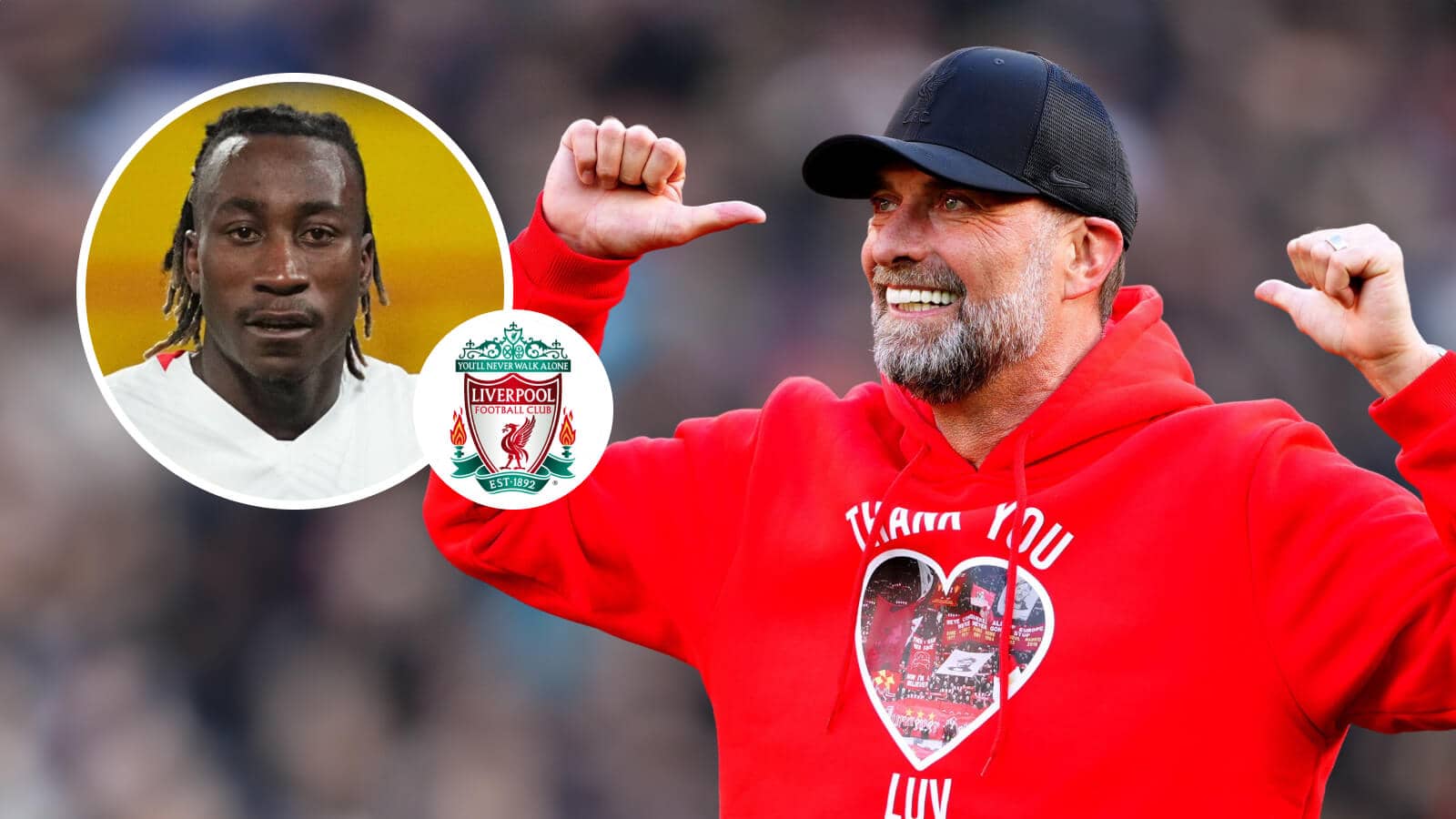
To replace the outgoing veterans, Liverpool are targeting a specific kind of athletic profile. As Yan Diomande is now the primary focus, the Anfield recruitment team is looking at a player who can handle the 30-plus sprints per game required in the modern Premier League. The RB Leipzig forward comes with a price tag of £87m, a figure that reflects his durability as much as his finishing.
Diomande is the product of the Red Bull conditioning system. This involves a rigorous focus on anaerobic capacity and recovery. His data from the Bundesliga shows he can maintain a top speed of 35.2 km/h even in the final minutes of a game. This is the exact physical replacement needed to fill the void left by a slowing Salah. Diomande doesn't just offer goals; he offers the ability to press from the front for ninety minutes without his heart rate red-lining.
The medical team at Leipzig has managed Diomande’s load with extreme precision. He has avoided the major knee and ankle injuries that often plague young, explosive forwards. Liverpool are essentially paying a premium for a clean bill of health and a body that has not yet been broken down by the relentless English calendar. It is a strategic move to lower the average age of the starting eleven while increasing the overall distance covered per match.
The Industry Impact: A Serie A Retirement Home?
The trend of Liverpool stars heading to Italy suggests a growing divide in physical requirements between the two leagues. Inter, Milan, and now Juventus are aggressively scouting Premier League players in their early thirties. They see value where English clubs see a looming medical bill. If Alisson and Salah both end up in Turin, Juventus will have a spine built on players who can no longer survive the three-game-week grind in England but can still dominate a technically-led Italian campaign.
This creates a ripple effect in the market. As Liverpool seek to offload high-wage earners before their knees give out, they are funding their youth revolution. The £87m required for Diomande is a direct result of these exits. Competitors like Arsenal and Manchester City are watching closely. If Liverpool successfully replace aging icons with younger, more durable athletes without a drop in results, it will force a league-wide rethink on player retention beyond the age of thirty-two.
"The decision is based on the data. If a player cannot hit his peak sprint volume twice in 72 hours, he cannot play for this club anymore. We have to be cold about it."
That quote, often whispered in the corridors of the AXA Training Centre, is the reality facing the current squad. There is no room for sentiment when the physical demands of the Champions League semi-finals are five days away. The current squad is being pushed to the limit, with several players reportedly requiring late fitness tests before the first leg on April 28.
Strategic Implications of the Summer Clear-out
The broader impact on the industry is clear: the Premier League is becoming a young man’s game. The physical toll of the expanded FIFA World Cup 2026, which is only 49 days away, is also weighing on these decisions. Players like Salah and Alisson want to ensure they are fit for their national teams. Moving to a less demanding league in the months before the tournament is a smart fitness move for the individuals, even if it feels like a step down in prestige.
Liverpool’s medical staff have been under pressure to keep this aging core on the pitch for one last trophy charge. The fact that verbal agreements are already being reached suggests the staff have signaled that they cannot guarantee these players will remain injury-free for another grueling season. It is a preemptive strike against the inevitable decline. By the time the UCL final rolls around on May 28, the club will likely have already finalized the paperwork for the next generation.
Historical context shows this is the right move. Manchester United held onto their veteran core for too long in the early 2010s and paid for it with years of soft-tissue issues and a lack of energy in midfield. Liverpool are choosing the path of painful, immediate surgery. They are cutting out the sentimental ties to Alisson and Salah to ensure the team doesn't suffer a collective physical collapse next season.
The arrival of Diomande will signal the start of a new era where the medical department has as much say in transfers as the scouting team. They are looking for high-wattage players who can sustain the pressure. The days of the thirty-something talisman at Anfield are numbered. It is a brutal, data-driven approach, but in a league where a 12.4 kilometers average distance covered is the new baseline, it is the only way to survive.
Read Next
- Top 10: The Brutal Reality of Liverpool’s Post-Klopp Identity Crisis
- Milan and Bayern Munich square off for Vlahovic as Juventus eye Lewandowski
- Top 10: The Most Form-Defining Football Moments of 2026
- Barcelona are about to find out how much they really need Lamine Yamal
- 🇮🇹 Italy at the 2026 World Cup — Full Coverage Hub