The Big Picture: Defining the Stretch
As of April 23, 2026, the football calendar is entering its final, violent compression period. The difference between a generational campaign and a complete collapse often breaks down to singular decisions made on the touchline or in the final third during the heat of April.
The Ranking
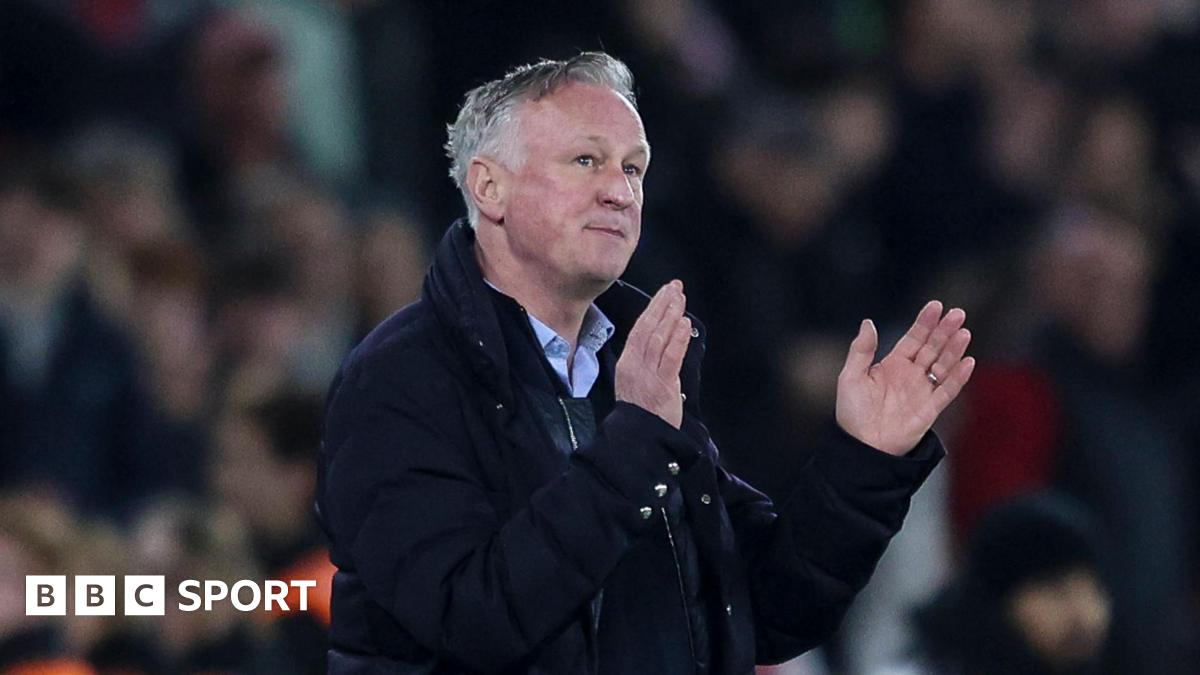
1. Michael O'Neill's Blackburn Salvation: Balancing the stress of international management with the Championship grinder was always a tactical liability, yet O'Neill dragged Blackburn to safety effectively. His recent admission to the media that he significantly underestimated the physical tax of this dual-role role underscores why Michael O'Neill rules out extending the job share. It ranks first because it highlights the fundamental incompatibility of modern managerial demands, serving as a cautionary tale for any future ambitious hire.
2. The Late-March Tactical Pivot at Arsenal: Moving the pivot point 10 yards deeper transformed the club's defensive transition. This wasn't a minor change; it stopped the hemorrhaging of goals against counter-attacking sides. It sits below O'Neill's saga only because the Blackburn situation is a human-interest story with direct consequences for international football development.
3. The February VAR Protocol Reset: The decision to limit referee-to-VAR communication windows saved roughly four minutes of dead time per match. It made the game watchable again, effectively solving the stagnation problem that plagued the first half of the season. It is remarkably efficient, if not entirely perfect.
4. The January Transfer Window Freeze: Many top-tier clubs failed to move significant capital, pointing toward tighter Profit and Sustainability Rule enforcement. This created a stagnant window that forced academies to promote talent earlier than expected. While necessary, it displayed a lack of ambition that hurt the quality of play in February.
5. The November International Break Conundrum: The decision to keep playing high-intensity league matches only days before the international window decimated squad fitness. Reports show a continued struggle for managers trying to navigate international requirements during intense league schedules. It ranks lower because it was a predictable failure of administration.
6. Stoppage Time Calibration: Referees finally began penalizing time-wasting consistently in the 90th minute instead of just the 70th. This change effectively ended the era of comfortable clock-running. It’s a small tweak that has changed match outcomes across every major European league.
7. The Mid-Season Managerial Burnout: We saw record turnover in the bottom half of the Premier League in January. It suggests that owners are panicked rather than surgical. The lack of patience shown to managers like O'Neill in similar situations is effectively destroying the long-term project viability of mid-table clubs.
8. Tactical Narrowing in the Champions League: Defenses are abandoning wide setups for a compressed central block, forcing wingers to become inverted playmakers. This is defensively sound but creates a visually boring product for neutral observers. It is effective, though it lacks the flair that used to define these elite encounters.
9. The Youth Movement Crisis: Academies are under enormous pressure to produce Premier League-ready starters because of transfer market restrictions. While it serves the bottom line, it has resulted in a dip in technical quality among starting elevens. We are trading long-term refinement for immediate regulatory compliance.
10. The Return to Physicality: Referees have loosened the whistle on minor contact in the box, returning to a style of play that emphasizes standing up to challenges. While some call it a return to form, it often leads to inconsistent refereeing across different crews. It ranks last because it relies on the subjective whim of whoever is standing on the pitch on a given Saturday.
Honorable Mentions
The rise of the inverted full-back is largely exhausted as a trend, yet managers continue to force it into their game plans despite declining returns. The lack of investment in referee development remains a glaring hole in the organization of the sport, creating chaos in critical matches where the stakes are highest.