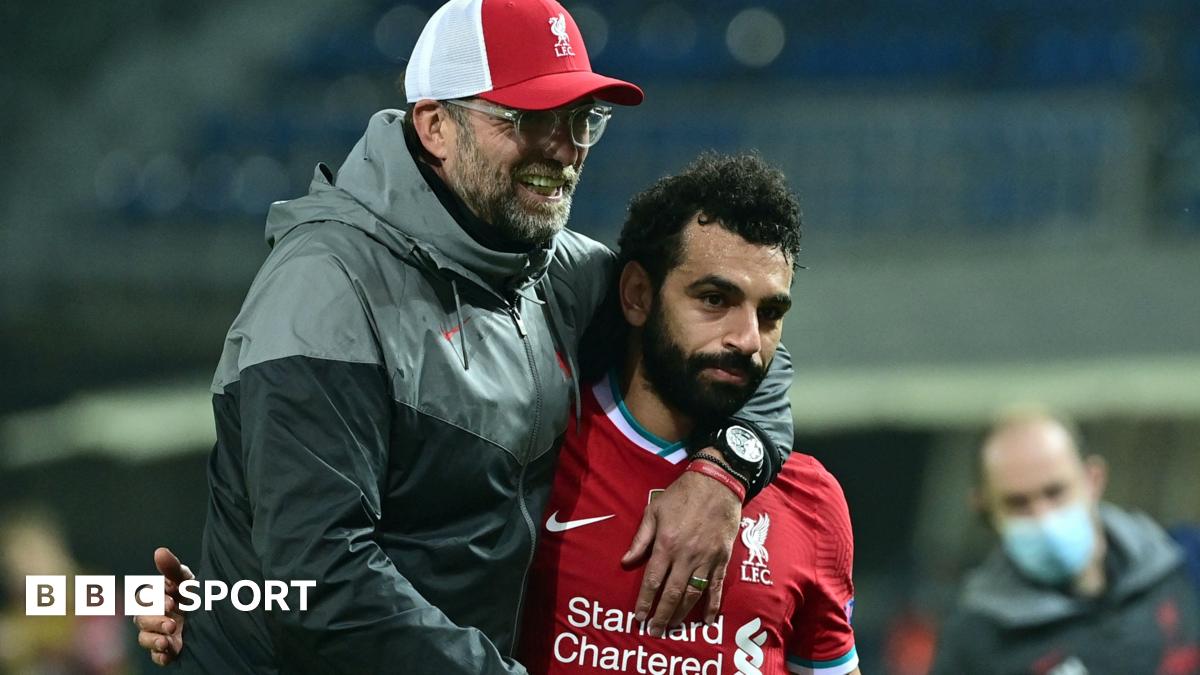
The Ultimate Medical Anomaly
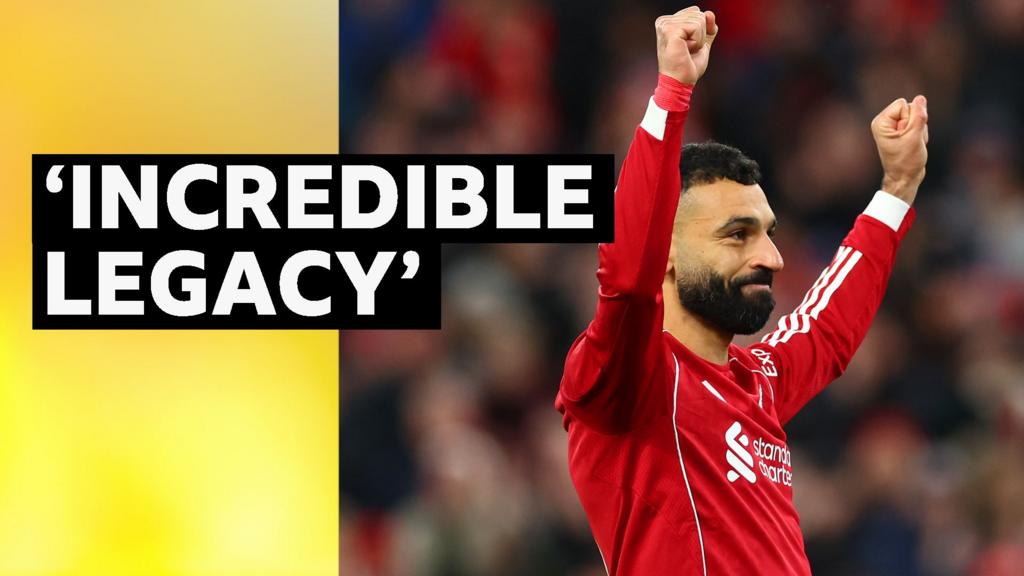
In a standard medical update, we outline the injured player, the exact muscular tear, and the expected weeks on the sideline. But this is not a standard update. Mohamed Salah's current injury status is completely clear. He is fit, carrying zero muscular damage, and is expected to be available for every single remaining fixture this season.
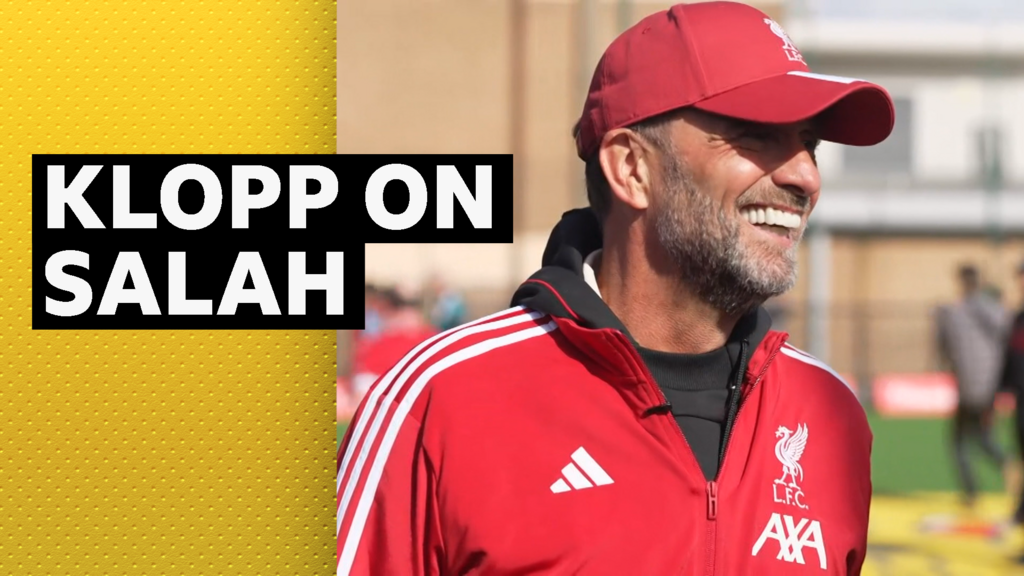
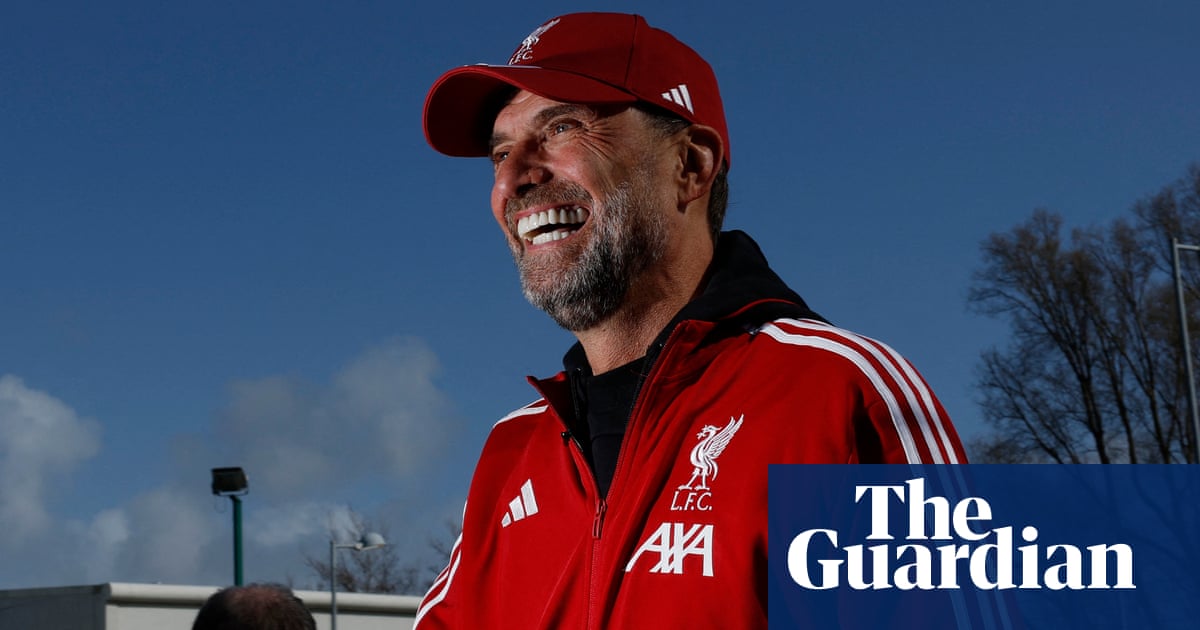
The real medical crisis facing Liverpool is not an injury, but a departure. Jurgen Klopp dropped a massive statement this week regarding the Egyptian's future. The forward is leaving Anfield at the end of the current campaign.
It was Klopp's assessment of Salah's physical condition that truly shocked the sports science community. According to the German manager, the winger has the physiological profile to continue playing until he is 40 years old. That is a terrifying reality for opposition defenders across Europe.
Defying the Modern Press
When analyzing the physical demands of elite football, the numbers are grim. Players in high-pressing systems routinely suffer from hamstring, groin, and calf issues. The human body is simply not designed to sprint 60 times a match, twice a week, for nine straight months.
Yet Salah defies every standard medical baseline. His availability metric is staggering. While rival clubs constantly rotate their star forwards to manage heavy physical loads, Salah demands to start every match. His muscle elasticity and post-game recovery protocols are industry benchmarks.
Liverpool's medical staff often have to hold him back in training sessions. They are constantly trying to protect him from his own work ethic. As the BBC reported this week, Klopp firmly believes his talisman can play for another seven years.
"Jurgen Klopp says Mohamed Salah could carry on playing until the age of 40 after the forward leaves Liverpool at the end of the season," the report confirmed. That quote carries immense weight coming from a manager known for demanding extreme physical output.
The Flaw in the Iron Man Machine
But let's be realistic about this unprecedented durability. It has not always been perfect for Liverpool's broader squad development. Salah's absolute obsession with playing every single minute has occasionally been detrimental to the team's overall rhythm.
There have been plenty of dead-rubber Champions League group stage matches where he stubbornly refused to rest. By hoarding all those minutes, he stunted the development of younger squad players. Wingers who desperately needed first-team repetitions found their path completely blocked.
His sheer dominance over the right flank meant players like Harvey Elliott were forced to adapt to central midfield roles. When a star player never gets injured, the backup players naturally rust on the bench. Furthermore, his refusal to sit occasionally led to visibly fatigued performances during the brutal winter months.
While his body hasn't broken down, his top-end sprint speed has naturally tapered off. He relies heavily on upper-body strength and elite spatial positioning now, rather than the pure explosive pace of his early Anfield years.
Tactical Fallout of a Pristine Medical Record
How do you scout for pure durability? That is the immediate question keeping Liverpool's recruitment team awake at night. When a club buys a new attacker, they usually factor in a standard 15 percent absence rate due to minor muscular injuries.
With Salah, Liverpool never needed a true backup right-winger. They could construct their entire 25-man squad knowing that entire flank was permanently locked down. Next season, that changes entirely. They will not just need one elite right-winger to replace his output.
They will need two players for that position. The wage bill will have to accommodate a high-level starter and a reliable rotational piece. No normal human can seamlessly replicate Salah's 3,000-plus minutes a season without snapping a hamstring.
This reality requires a massive structural shift. You cannot simply plug a 22-year-old prospect into that demanding role and expect 45 starts across all competitions. The incoming manager will have to return to standard squad rotation, altering the tactical system entirely.
The left side of the pitch might have to carry significantly more of the attacking burden. Trent Alexander-Arnold will lose the safety net of knowing exactly where his primary outlet is at all times. The entire offensive structure has been built around the absolute certainty of Salah's physical presence.
Historical Context in Sports Science
Sports medicine has evolved drastically over the last decade. We regularly see elite athletes extending their careers deep into their late thirties. Ryan Giggs transitioned from a flying winger to a sitting central midfielder just to survive until his 40th birthday.
Cristiano Ronaldo altered his entire game to become a pure penalty-box poacher. But Salah is distinctly different. He is not dropping deep into midfield to ping long passes. He is still operating in the most physically demanding zone on the pitch.
He stays high up the field, constantly pinned against aggressive fullbacks. His ability to absorb heavy contact and avoid joint injuries is historically rare. It rivals the physical prime of Javier Zanetti, but deployed in a much more explosive attacking position.
Medical directors at interested clubs will undoubtedly review his biomechanics. They will see a player who lands efficiently, absorbs harsh tackles without twisting joints, and accelerates with a smooth, low-impact stride. It is an active evolutionary advantage.
The Run-In and The Final Stretch
Looking ahead at the calendar, Liverpool are entering the defining stretch of their season. Today is March 27, 2026. The Champions League Quarter-Finals kick off on April 7, with the return leg scheduled for April 14.
If Liverpool advance past that stage, they face a grueling Semi-Final schedule on April 28 and May 5. Then there is the ultimate prize: the UCL Final on May 28. Through all of these massive fixtures, the medical staff will not be managing Salah's minutes.
They will simply be winding him up and letting him go. Wherever Salah lands next season, that club is inheriting a true physical anomaly. They are not signing a declining veteran looking for a quiet final payday.
They are acquiring an elite athlete whose biological age appears completely detached from his chronological age. He will not require a customized, reduced-load training regimen. He will likely walk into the building and demand to be the fittest player at his new club.
The medical examinations prior to his next transfer will be a mere formality. The real challenge for his next coaching staff will be keeping him off the training pitch on his scheduled rest days.
The Immediate Future
For now, the focus remains squarely on Anfield. The medical department has one final task regarding the Egyptian superstar. They must maintain his peak physical condition for the next two months. There are no complex long-term rehabilitation plans to draft.
There are no careful return-to-play protocols to monitor. There is only the daily routine. Endless ice baths, deep tissue massages, strict nutritional precision, and obsessive sleep management. It is the boring, repetitive discipline that turns a talented footballer into an iron man.
Liverpool will miss his relentless goalscoring, undoubtedly. But the medical staff will profoundly miss the peace of mind he provided every single weekend. Replacing his output is merely a football problem. Replacing his durability is a medical impossibility.