The Nostalgia Hack at Hampden
If you told me in January that Martin O'Neill would be standing in the Hampden dugout today, I would have assumed you were huffing industrial-grade thermal paste. Yet, here we are on May 23, 2026, and the legendary Northern Irishman is one game away from completing a double that belongs in a science fiction novel. After Wilfried Nancy was dismissed on January 5, the Celtic board pulled off the ultimate nostalgia hack, bringing O'Neill back on a short-term deal that felt like running legacy COBOL code on a quantum supercomputer.
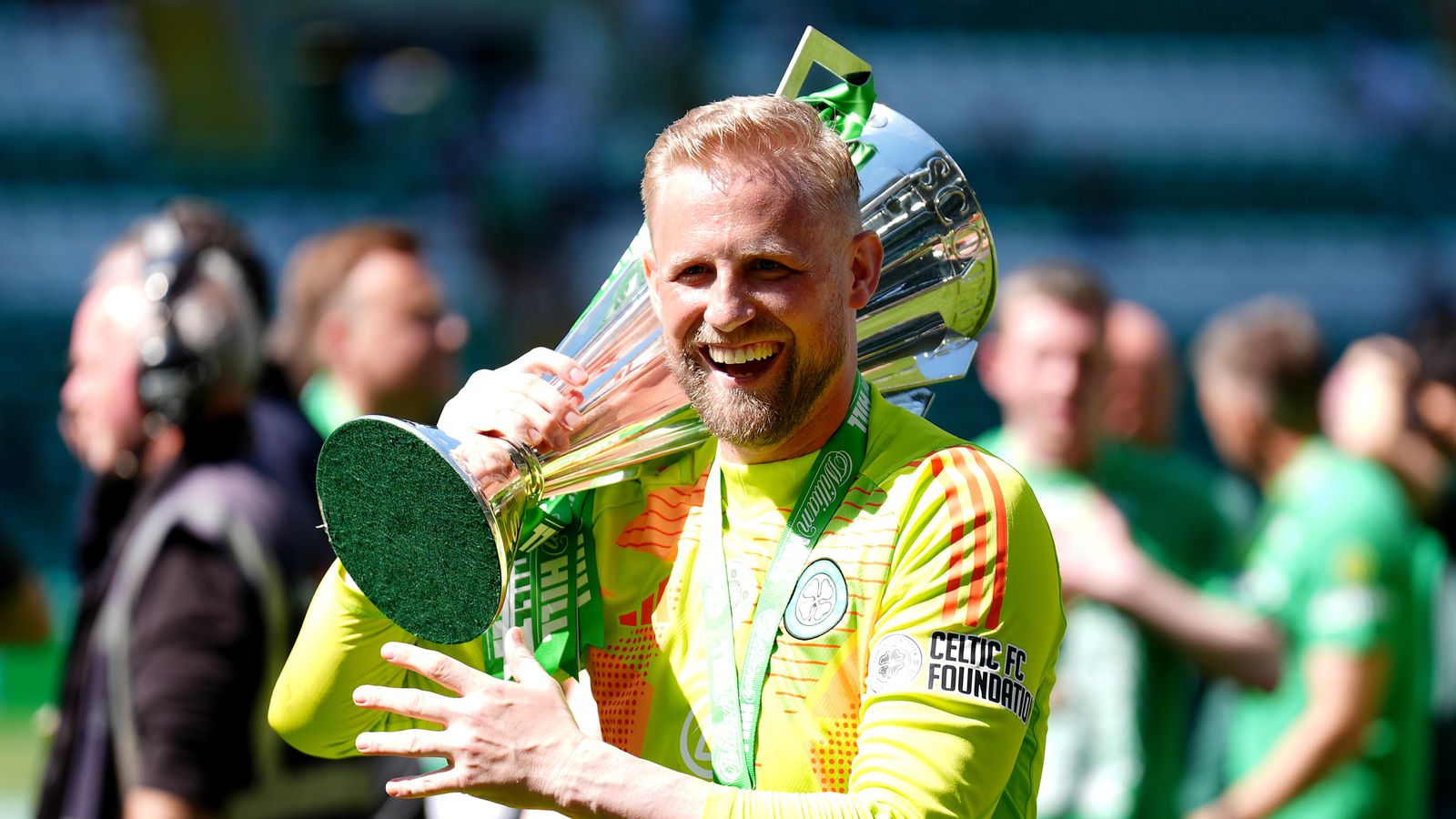
It actually worked. O'Neill somehow dragged this squad to Celtic's 56th league title, wrapping it up with a final-day victory over Hearts by a scoreline of 3–1. Now, he faces a Cup Final that feels less like a football match and more like a bizarre glitch in the matrix.
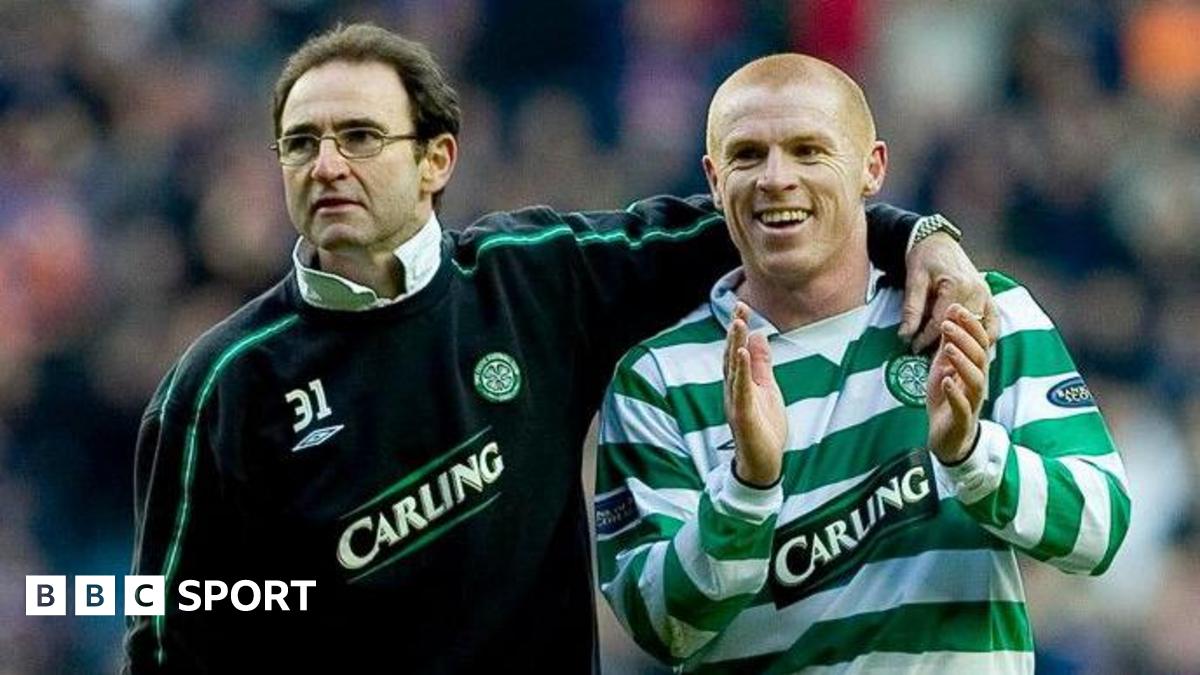
Opposing him in the Dunfermline Athletic technical area is none other than Neil Lennon, O'Neill's ultimate playing disciple and former Celtic boss. Lennon is currently managing a Championship side that essentially limped its way to Hampden through sheer defensive stubbornness. It is the student trying to out-prompt the creator of the original architecture.
Make no mistake, this is a massive clash of eras and systems. Celtic are the heavyweight champion of Scotland, but they have looked remarkably mortal in recent weeks under O'Neill's retrograde tactical style. On the other side, Lennon's Dunfermline have absolutely nothing to lose and are banking on Celtic's defensive complacency.
The media has spent all week hyping this up as a warm, fuzzy reunion, but don't buy the corporate spin. O'Neill and Lennon are ultra-competitive animals who would slide-tackle their own grandmothers for a throw-in. The moment the whistle blows, all that mentor-protege sentimentality is going straight into the trash.
The Student, the Master, and the Fallibility Thesis
Neil Lennon knows exactly what it takes to win at Hampden, but doing it with this Dunfermline squad is like trying to run an unquantized LLM on a graphing calculator. Dunfermline reached their first Scottish Cup final since 2007 by beating Falkirk on penalties after an utterly dismal 0–0 draw in the semi-finals. They do not score goals; they simply refuse to concede them, building a low block that would make vintage Italian defenders weep.
Despite the massive gulf in class, Neil Lennon insisted his Championship underdogs have absolutely zero fear ahead of this afternoon's kickoff. He pointed out that while Celtic are a very good team, they are not a super team and are highly fallible. It is a bold pitch from a man who spent his entire playing career under O'Neill's direct supervision at Leicester City and Celtic Park.
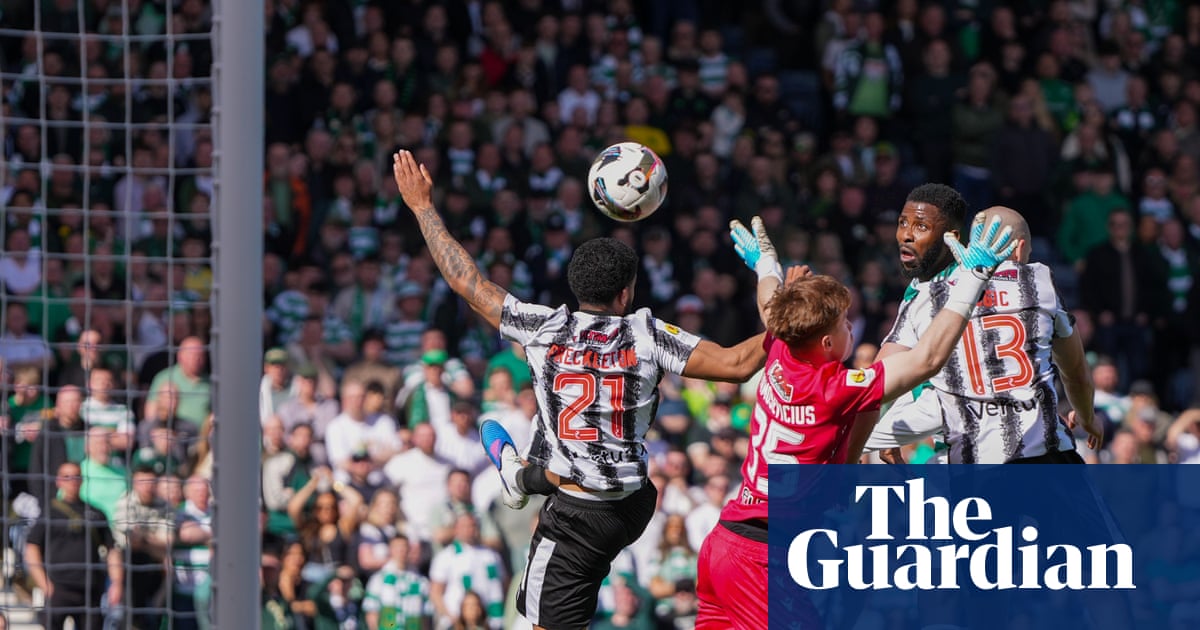
Lennon knows O'Neill's playbook better than anyone alive. He knows the veteran manager relies on individual brilliance, high-intensity man-marking, and raw psychological motivation rather than modern tactical patterns. Lennon believes he can exploit the defensive gaps that St Mirren exposed when Celtic leaked goals during their crazy 6–2 semi-final win in extra time.
Let's not forget how Lennon's teams actually play when they face superior opposition. They don't try to play beautiful, expansive football; they kick, they scratch, and they compress the pitch until it looks like a phone booth. O'Neill's midfield will be subjected to ninety minutes of high-intensity harassment, and we will find out quickly if they have the physical stamina to withstand it.
But knowing the plan and executing it against superior athletes are two entirely different things. Lennon himself acknowledged this reality by invoking a legendary combat sports line. He noted that everyone has a plan until they get punched in the face, warning his squad they must be prepared to suffer to stand any chance.
Let's be real about Dunfermline's offensive output. They are averaging less than a goal per game in the Championship, and their midfield transition is slower than a local server running on dial-up. If they get punched in the face early by a Celtic opener, there is no plan B; they will simply dissolve into a puddle of tactical desperation.
Furthermore, Lennon's bench is practically empty of game-changers. If his starting eleven runs out of gas by the 70th minute, he has no choice but to sub on academy prospects who have barely seen first-team action. It is a terrifying depth deficit that Celtic's world-class substitutes will ruthlessly exploit.
The Ghost in the Celtic Machine
Beyond the tactics and the student-teacher drama, there is an immense weight of grief hanging over the Hampden dugout. This is the first major cup final O'Neill has contested since the passing of John Robertson, his legendary Nottingham Forest teammate and lifelong assistant coach. Robertson passed away on Christmas Day 2025 at the age of 72, leaving a massive void in the heart of British football.
For decades, Robertson was the quiet genius behind O'Neill's success, the tactician who sat in the background smoking cigarettes while O'Neill did the theatrical touchline pacing. In Martin O'Neill's poignant tribute to his fallen friend, the manager painted a vivid picture of the man they called Robbo. He noted that Robbo would be looking down on them at Hampden today, having a fag and saying, 'Isn't this extraordinary?'
It is a heartbreaking reminder that football is built on human relationships, not just data points and heat maps. Robertson was the one who kept O'Neill grounded, offering sharp, cynical football wisdom that cut through the manager's high-strung energy. Without him, O'Neill's return to Celtic has felt slightly lonely, even amidst the championship celebrations.
O'Neill has admitted that the sheer pace of the modern game is exhausting, but Robertson's absence makes it doubly hard. When you lose the one person who can look you in the eye and tell you your brilliant tactical idea is actually garbage, you become vulnerable. Celtic's title win masked some of these internal struggles, but a cup final exposes every raw nerve.
Lennon, too, felt the impact of Robertson's passing. He was coached by the duo during Celtic's golden era in the early 2000s, learning the game from two of the most demanding minds in the sport. Today's match is a living tribute to that legacy, even if the two men in the dugouts are currently acting as direct rivals.
The Glaring Flaws in Both Formations
Let's cut through the romantic narratives and look at the actual football, because some of it is downright ugly. Celtic under O'Neill are a weird hybrid of championship pedigree and defensive structural collapse. That semi-final against St Mirren was a complete farce, where Celtic's center-backs looked like they were running on severe GPU throttling.
O'Neill has essentially abandoned the modern possession structures that Wilfried Nancy spent months installing. Instead, he has reverted to a direct, physical style that relies heavily on individual quality to bail them out. If Dunfermline can choke the space in the middle, Celtic might find themselves recycling the ball into dead ends all afternoon.
Specifically, O'Neill's reliance on aging legs in the midfield is a massive gamble. We saw against St Mirren how easily Celtic's transition defence can be bypassed by a simple direct ball. If Dunfermline can release their wingers early, they will find acres of unoccupied green grass behind Celtic's high defensive line.
But Dunfermline's own flaws are even more egregious. Their journey to Hampden was not a masterclass; it was a grueling, eye-bleeding exercise in defensive survival. Beating Falkirk on penalties after scoring zero goals in 120 minutes is the footballing equivalent of passing a benchmark test by simply refusing to answer any questions. They cannot transition the ball from midfield to attack without turning it over immediately.
If Neil Lennon thinks he can play for a 0–0 draw against Celtic's attacking line, he is playing a highly dangerous game of Russian roulette. Celtic have too many players who can produce a moment of magic from thirty yards out. Dunfermline will have to do more than just suffer; they must actually try to play football at some point.
The Hampden Digital Nightmare
For the fans heading to Hampden today, the drama started long before they reached the turnstiles. The Scottish FA decided to implement digital-only ticketing via the Barclays Hampden App, which has gone down about as well as a mandatory Windows update. Social media is currently flooded with furious supporters whose apps are freezing, locking them out of their tickets just hours before the 3:00 PM kickoff.
It is classic football bureaucracy: fixing a system that was never broken to show off a corporate partnership. According to the BBC's matchday guide, the stadium is fully sold out, meaning we could see massive queues and empty seats at kickoff if the servers decide to take a nap. Hopefully, the football on the pitch will be more reliable than the software at the gates.
The Final Verdict
This Scottish Cup Final is a brilliant, messy, highly emotional collision of past and present. O'Neill is fighting for a fairytale double to cap off a career that already belongs in the hall of fame. Lennon is fighting to prove that he is still a relevant managerial force, capable of pulling off a historic shock with a massive underdog.
The ghost of John Robertson will loom large over every blade of grass, a silent partner in O'Neill's final Celtic crusade. Dunfermline will put up a brutal, physical fight, turning Hampden into a mud-fight for as long as they can hold out. But Celtic's raw attacking power should eventually breach the wall, leaving O'Neill to celebrate one last extraordinary triumph.
Read Next
- Martin O'Neill's Hampden farewell is drowning in off-pitch toxicity
- Why the SPFL's latest penalty probe changes how we view Celtic's attack
- The SPFL is investigating half the league and it is beautiful chaos
- Ten wild realities that defined the chaotic Premier League run in
- ⚽ Scottish Premiership 2025-26 — Celtic vs Rangers Hub