The Master Against the Apprentice
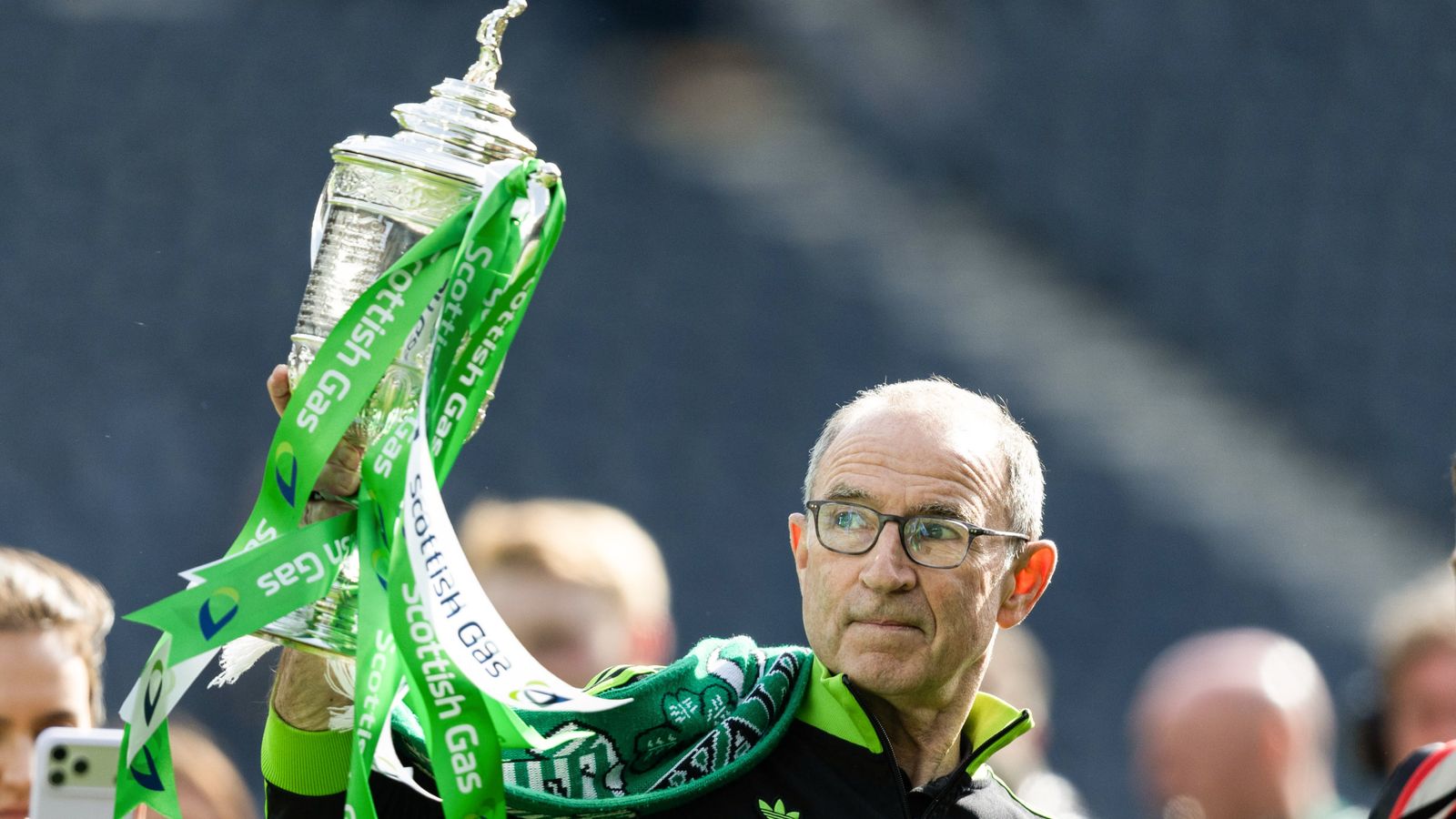
Hampden Park is ready. This afternoon, the final domestic honor of the Scottish season is decided as Martin O'Neill's Celtic pursue a double. Standing in their way is Dunfermline Athletic, a side built on youth and guided by the fiery pragmatism of Neil Lennon. Fans can follow all the action on the Sky Sports live match updates as kickoff approaches.
Five days before the Champions League final in Paris, and nineteen days before the World Cup kickoff in North America, Scottish football holds its breath. Celtic enter as heavy favorites, fresh off securing their 56th league championship. Yet, the narrative here is not about the gap in resources, but the tactical duel between the master and his apprentice.
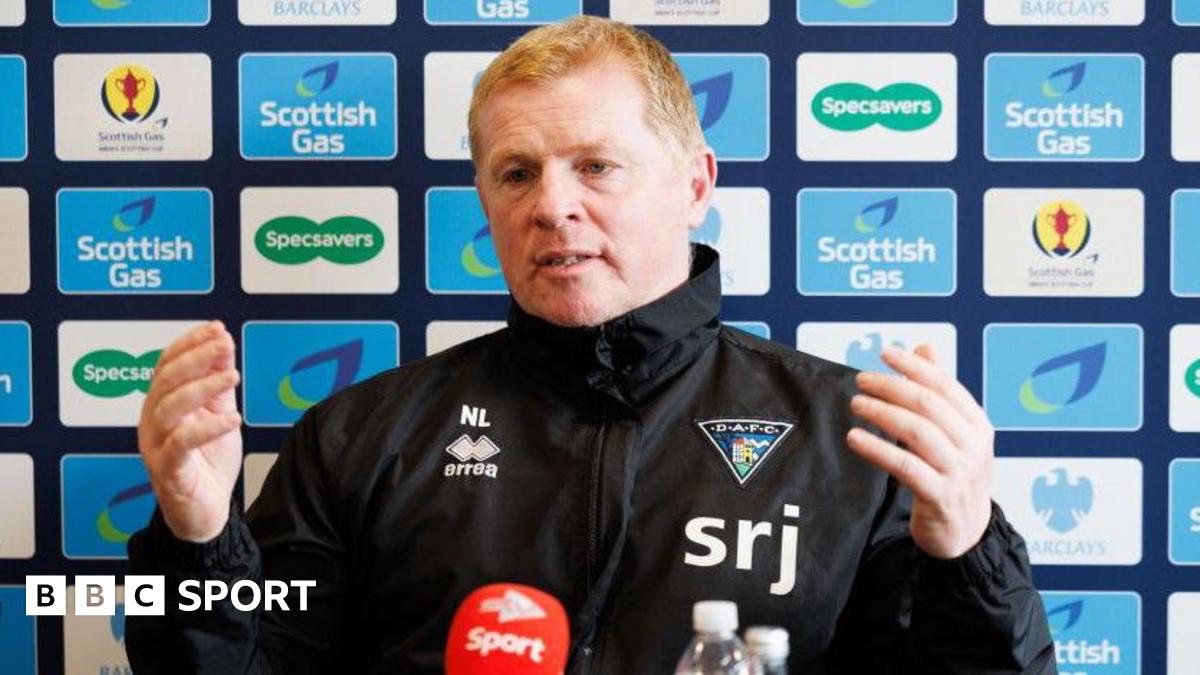
Lennon spent years under O'Neill as a trusted midfielder and captain, learning the art of Cup football at Hampden. Now, he stands in the opposite dugout, plotting the downfall of his former mentor. To do so, his Championship underdogs must execute a flawless defensive game plan.
The tactical battle lines are clearly drawn. O'Neill's Celtic will dominate the ball and push Dunfermline deep into their own half. Lennon's men will welcome the pressure, waiting for the transition triggers they have spent the entire week rehearsing on the training ground.
Celtic's Build-Up Spacing and the Scales-Trusty Conundrum
Celtic's possession structure under O'Neill relies on a fluid 4-2-3-1 that easily morphs into a 3-2-4-1 during build-up phases. Alistair Johnston plays a hybrid role, tucking inside to form a back three alongside Auston Trusty and Liam Scales. This allows Kieran Tierney to storm up the left wing, overlapping Daizen Maeda who drifts inside.
Callum McGregor acts as the single pivot, completing 94.2% of his passes this season, while Arne Engels pushes higher to occupy the right half-space. However, this structure is fragile against quick vertical transitions. Without the physical presence and recovery speed of the injured Cameron Carter-Vickers, Scales and Trusty have struggled to secure the central space.
During the semi-final against St. Mirren on April 19, the defensive line collapsed under direct pressure. Scales repeatedly failed to adjust his body shape when defending long diagonals, which allowed Mikaël Mandron to score in the 53rd minute and again in the 91st minute. Trusty was caught ten yards out of position on both occasions, leaving Celtic's center completely exposed.
Dunfermline will seek to exploit this exact weakness. Lennon's side does not press high; instead, they set a mid-block trigger at the halfway line. When Scales receives the ball and looks to pass horizontally to Trusty, Callum Morrison will jump the lane, aiming to trap the American defender on his weaker right foot.
This pressing trigger is designed to force a panicked long ball. With Johnston high up the pitch and Tierney wide, a turnover here leaves Scales and Trusty in a two-on-two footrace. Dunfermline have the speed in wide areas to exploit these gaping transitional spaces on the official match hub.
The Rigidity of Lennon's 4-4-2 Block
Dunfermline's run to Hampden is a masterclass in defensive resilience and structural discipline. Under Lennon, the Pars have discarded any attacking vanity, focusing instead on a rigid, low-block 4-4-2. During their 1-0 win over Hibernian in the fourth round and the stunning 3-0 quarter-final demolition of Aberdeen on March 7, they perfected this approach.
Against Aberdeen, Dunfermline recorded just 34% possession but generated 1.84 expected goals (xG). Their defense is anchored by the physically imposing Jeremiah Chilokoa-Mullen and John Tod. They restrict space between the lines, keeping the distance between their defensive and midfield lines to a compact ten yards.
This congestion denies creative players the space to turn. Benjamin Nygren, Celtic's primary playmaker with 20 goals this season, will find himself closely marked by Charlie Gilmour and Nurudeen Abdulai. Gilmour and Abdulai won 72% of their defensive duels in the semi-final against Falkirk on April 18, showing a tireless work ethic.
If Dunfermline can choke the space in the central pocket, Celtic will be forced to play wide. This plays directly into Lennon's hands. Dunfermline full-backs Robbie Fraser and Kieran Ngwenya are excellent in aerial duels and will relish defending crosses directed toward a central striker who lacks aerial dominance.
The key for Dunfermline is maintaining this concentration for ninety minutes. A single moment of slacking will allow Nygren to slip between the lines and feed Maeda. Lennon's game plan requires absolute, exhausting perfection from his midfield double-pivot.
The Maeda Threat and the Final Verdict
With Kelechi Iheanacho expected to start on the bench due to a lingering hamstring issue, O'Neill is likely to deploy Daizen Maeda as a central striker. Maeda's primary weapon is his relentless running and explosive pace. He scored Celtic's opener in the first minute of the semi-final against St. Mirren by chasing down a long pass behind the defense.
Maeda's movement is highly predictable but incredibly difficult to stop. He constantly makes curved runs from the left half-space into the center, looking to catch the opposition center-backs flat-footed. If John Tod drops too deep to cover Maeda's run, he will open up space for Nygren to drive forward from midfield.
Lennon must instruct his defenders to maintain a staggered line. Chilokoa-Mullen must act as the stopper, engaging Maeda early, while John Tod drops ten yards deeper to sweep up any loose balls. If they get dragged into a footrace with Maeda, Dunfermline will be punished.
Furthermore, Dunfermline goalkeeper Aston Oxborough will need to repeat his semi-final heroics. Oxborough made seven saves against Falkirk, including a vital diving stop in the 78th minute. His distribution must also be precise, avoiding cheap turnovers that allow Celtic to launch immediate counter-attacks.
Maeda's potential summer departure adds another layer of drama to this final. If this is indeed his final appearance in a green and white shirt, he will be desperate to leave a lasting impression. Dunfermline's backline must be prepared for a ninety-minute hurricane of movement.
A significant negative factor for Celtic is O'Neill's tactical stubbornness regarding player rotation. He has stuck to the same starting eleven despite clear signs of physical fatigue in the final three league matches. Key players like McGregor and Johnston are entering this final with over 3,000 minutes in their legs.
If Dunfermline can drag this match into extra time, Celtic could suffer a physical collapse similar to the one that allowed St. Mirren to fight back in the semi-final. In that match, Celtic looked completely spent before scoring four quick goals in a freak six-minute spell in extra time to win 6-2. They cannot rely on such anomalous bursts of luck today.
This is Dunfermline's first appearance in the Scottish Cup final in 19 years, and the expectation among the traveling support is immense. They will look to turn this match into an ugly, physical battle, disrupting Celtic's rhythm with tactical fouls. Expect Tashan Oakley-Boothe to set the tone early in midfield with aggressive tackles.
Ultimately, the match will be decided in the final thirty minutes. As Dunfermline's players tire from chasing the ball, Celtic's bench will prove decisive. The introduction of Iheanacho or Luke McCowan against tired legs will tip the balance in the favor of the Premiership champions.
Prediction: Celtic will lift the cup, but it will not be the comfortable afternoon many expect. Dunfermline will frustrate them for over an hour before Celtic's superior depth shines through. A tight 2-1 victory for Celtic, with Nygren scoring the winner in the 78th minute.
Read Next
- Neil Lennon rejects 'apprentice' label as Celtic strike early in cup final
- Why Martin O'Neill will teach Neil Lennon a lesson at Hampden
- Neil Lennon knows Celtic are fallible, but O'Neill has the Hampden pedigree
- Hearts are calling the cops while Celtic chases another double
- ⚽ Scottish Premiership 2025-26 — Celtic vs Rangers Hub