The cold reality of the 33-year-old striker market
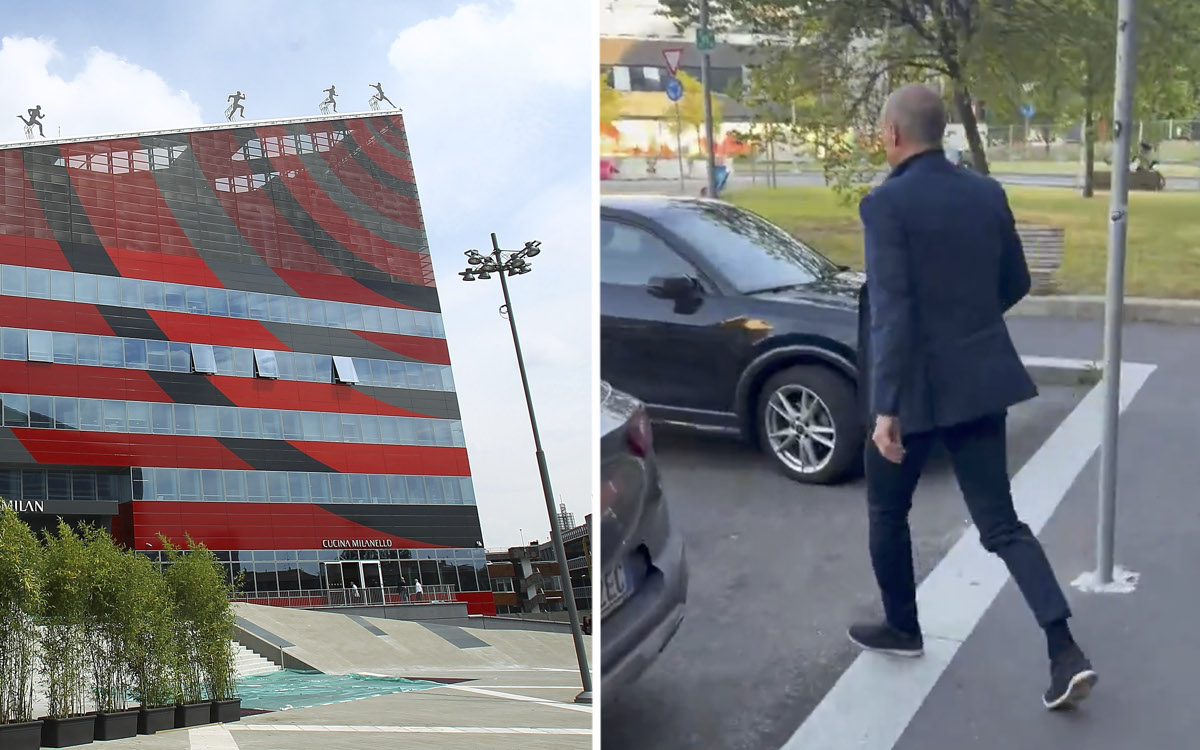
In the data-driven world of 2026, the 'perfect destination' tag is often a euphemism for a player’s final massive payday. Romelu Lukaku, who turns 33 later this month, is currently finding that his reputation no longer matches his output on the spreadsheet. While the Belgian international reportedly views AC Milan as the ideal landing spot for his next chapter, the hierarchy at the San Paolo are looking at two very specific numbers that make the deal a non-starter.
First, there is the wage-to-age ratio. Lukaku’s current demands, even with potential tax benefits in Italy, represent a financial commitment that Milan's current ownership model simply won't tolerate for a player entering his mid-30s. When you look at his declining sprint speed—dropping from a peak of 36.2 km/h during his first Inter stint to a consistent 31.4 km/h this season—the decline is no longer a projection; it is a reality. Milan have prioritized a youth-centric recruitment policy, and as Sempre Milan reported, the club is prioritizing longevity over short-term name recognition.
The second factor is tactical mobility. In a league that has become increasingly defined by high-intensity pressing and quick transitions, Lukaku’s 6.4 pressures per 90 minutes put him in the bottom 12th percentile of strikers across Europe’s top five leagues. For a Milan side that wants to defend from the front, spending a significant portion of the transfer budget on a static target man is a regression they cannot afford. The era of the 'heavy' striker is being replaced by the versatile '9' who can drift into half-spaces, a profile Lukaku has struggled to maintain as his physical peak recedes.
Allegri and the search for the physical engine
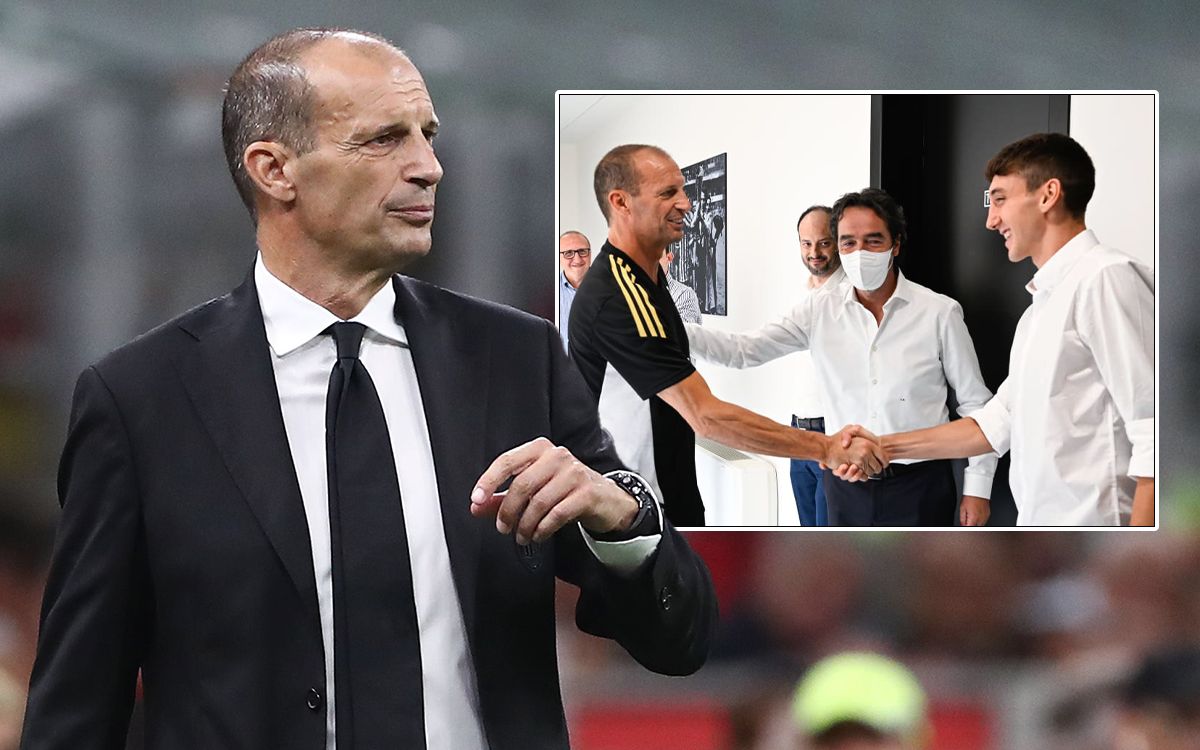
While Milan look toward the future, Massimiliano Allegri continues his career-long obsession with the 'perfect' physical profile in midfield. His latest target is Napoli’s André-Frank Zambo Anguissa. Allegri, ever the pragmatist, sees in Anguissa the kind of box-to-box specimen that has been missing from his tactical setup. The appeal is grounded in pure physicality: Anguissa currently ranks in the 89th percentile for successful take-ons and the 92nd percentile for progressive carries among Serie A midfielders.
However, even Allegri has his reservations. As recent reports suggest, there are two primary concerns holding up the pursuit. The first is Anguissa’s upcoming international commitments and his history of minor muscular injuries that tend to flare up during congested schedules. For a manager who values availability above all else, a midfielder who misses 15% of total minutes per season is a risky investment.
Allegri’s tactical rigidity is also under the microscope as he prepares for the upcoming clash against Sassuolo. In a move that surprised many at the training ground, he reportedly canceled a planned session to focus on video analysis and tactical walkthroughs. He is mulling two major changes to his starting XI to counter Sassuolo’s 4-2-3-1 system, likely shifting to a more compact mid-block that prioritizes central solidity over wing play. This is classic Allegri: when the pressure mounts, he retreats into the laboratory to find a way to win 1-0 by neutralizing the opponent’s primary playmaker.
The Manuel Ugarte paradox at Manchester United
Meanwhile, in the Premier League, Manchester United are facing a statistical crisis of their own with Manuel Ugarte. When United signed the Uruguayan, the numbers suggested they were getting the ultimate defensive shield. His 4.8 tackles per game during his final season in France were elite. Yet, in the more chaotic environment of the English top flight, his lack of ball progression has become a liability. He currently averages just 3.2 progressive passes per 90, which is nearly half of what elite peers like Rodri or Declan Rice produce.
This statistical stagnation is likely why Jorge Mendes is already working the phones. According to The Mirror, Mendes has offered Ugarte to two major European clubs as part of a potential swap deal. United find themselves in a position where they have a world-class destroyer who cannot function as a modern deep-lying playmaker. The 'Ugarte Paradox' is that he makes the team better defensively but significantly worse at building attacks from the back.
The numbers behind his tenure at Old Trafford tell the story: United’s xG against drops by 0.4 when he is on the pitch, but their own xG drops by 0.55 because the transition from defense to midfield becomes too predictable. For a club that needs to dominate possession to climb back into the top four, those figures are damning. Mendes knows that his client's value is currently at a plateau, and a move to a more defensive-oriented league like Serie A might be the only way to preserve his market price.
The evolution of the swap deal in 2026
We are seeing a shift in how these high-value transfers are structured. The 'pure cash' deal is becoming rarer as clubs struggle to balance the books under stricter financial sustainability rules. United’s willingness to entertain a swap for Ugarte suggests they are looking for a more versatile profile—perhaps a midfielder who can bridge the gap between defense and the final third. If Mendes can facilitate a deal that brings in a more technical operator while offloading Ugarte’s £120,000-a-week salary, it would be seen as a masterstroke of roster management.
Compare Ugarte’s limited range to Anguissa’s ball-carrying ability, and you see exactly what Allegri is dreaming of. Anguissa isn't just a tackler; he is a transition-breaker who can carry the ball 30 yards upfield under pressure. In the current Serie A season, he has successfully escaped a high press 74% of the time, one of the highest marks in the league. This is the 'perfect fit' Allegri refers to—a player who provides the defensive cover of a specialist but the verticality of a winger.
Ultimately, Milan’s rejection of Lukaku and United’s potential sale of Ugarte point to the same trend: the 'specialist' is a dying breed in the elite game. Whether it is a striker who only scores or a midfielder who only tackles, the data is increasingly showing that these players are luxuries that modern tactical systems cannot afford. Milan would rather gamble on a 22-year-old with raw numbers than a 33-year-old with a highlight reel. In the final analysis, that isn't just a football decision—it's a mathematical necessity.
Read Next
- Why Iraola's intense pressing makes him Carrick's biggest rival for United
- Derek McInnes issues a massive war cry for Monday night at Tynecastle
- Charlton and Birmingham face a brutal winner-takes-all WSL promotion clash
- Brighton hire MMA fighter to fix set-piece soft spots
- 🇧🇪 Belgium World Cup 2026 — Red Devils Hub