The Managerial Race Heats Up
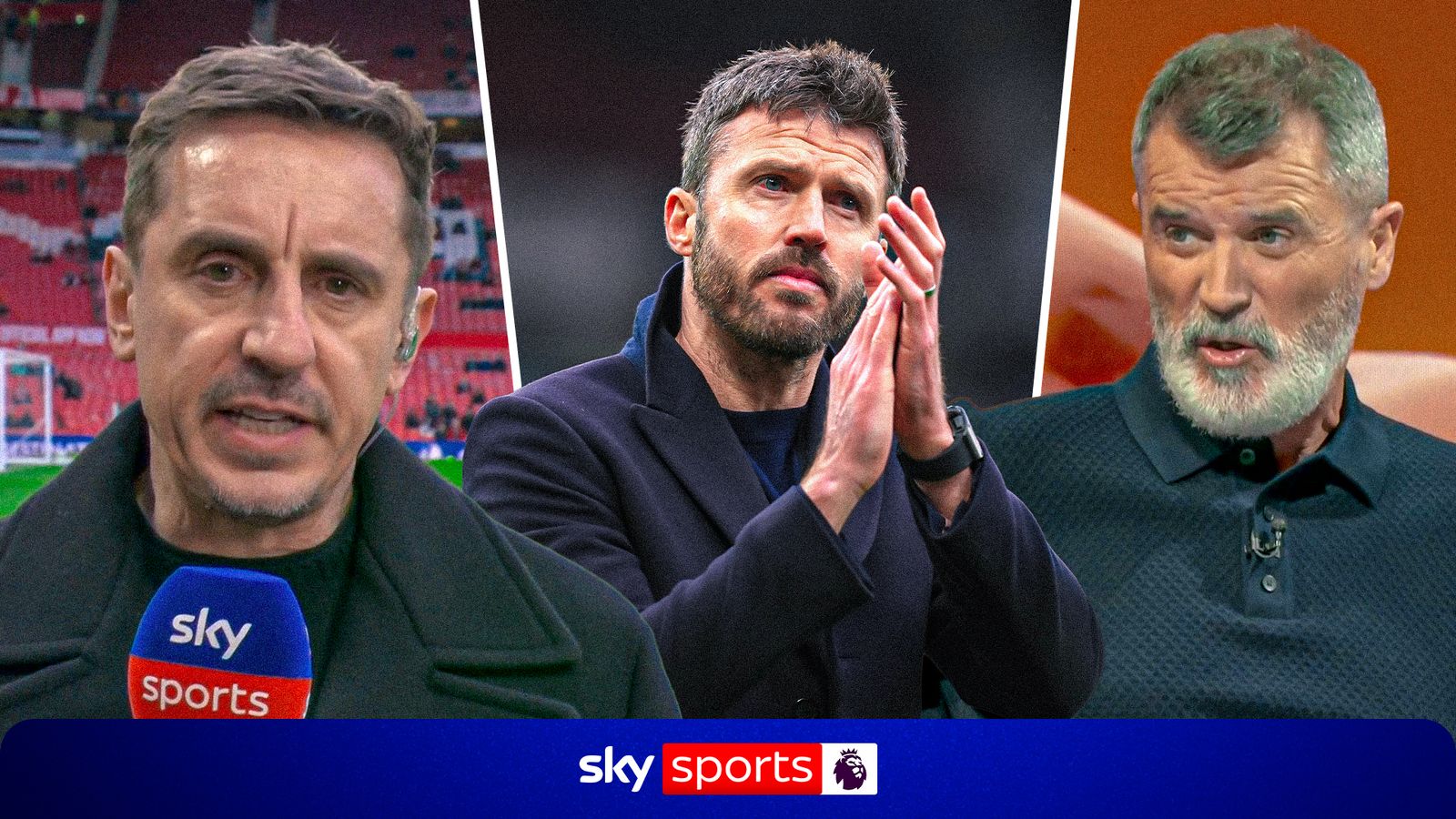
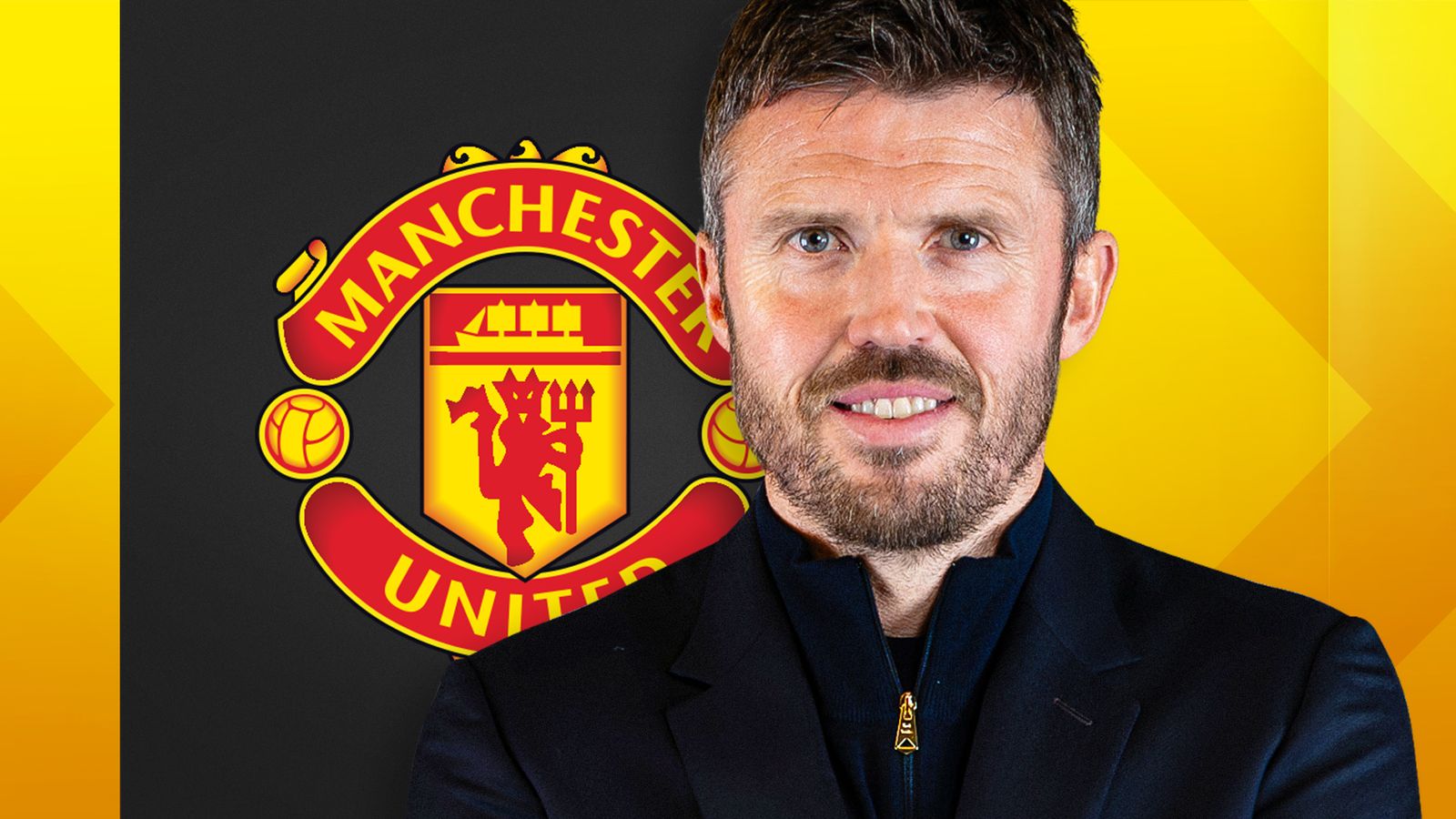
The race for the Manchester United hot seat has suddenly narrowed. Sky Sports reports that Andoni Iraola has emerged as the most credible threat to Michael Carrick’s seemingly inevitable return. It sets up a fascinating ideological clash.
On one side is the club legend who knows Old Trafford inside and out. Carrick understands the peculiar pressure cooker of Manchester. On the other side is the Basque tactician who has overachieved wherever he has managed. Iraola represents a hyper-aggressive approach to the game.
But the true battleground here is not just tactical. As anyone who has tracked United’s recent history knows, the real challenge will be physical. The medical and sports science departments at Carrington are about to face a massive test depending on who gets the nod.
The Physical Toll of Iraola-Ball
If INEOS decides to hand the keys to Iraola, the squad is in for a shock. His philosophy is built on relentless, high-octane pressing. It requires players to cover ground at speeds that have historically broken this current crop of United players. You only have to look back at the injury crises under previous regimes to see the warning signs.
Iraola’s teams hunt in packs. They operate with a terrifying verticality. When they lose the ball, the counter-press is immediate and violent. This is not a system you can ease into. It demands a baseline level of aerobic capacity and repeated sprint ability that frankly, half the current United roster does not possess.
A move to Iraola means a complete overhaul of the training methodology. The fitness coaches will have to drastically increase the training load to prepare the players for matchday. Historically, when a new manager spikes the training intensity this abruptly, soft tissue injuries skyrocket. Hamstrings pop. Groins strain. The medical room fills up before the season even begins.
There is a massive risk here. Iraola managed to get his Bournemouth team incredibly fit, but the Premier League schedule at a club with European commitments is unforgiving. Asking a squad with a notoriously fragile injury record to suddenly run an extra five kilometers per game is playing with fire.
Analyzing the Injury Risk Profile
We need to look closely at the sports science data surrounding high-pressing transitions. When Jurgen Klopp first arrived at Liverpool, the muscle injury rate spiked by nearly forty percent in his first eight months. The players simply were not adapted to the mechanical demands of sprinting out of possession so frequently.
Manchester United are facing the exact same precipice. The current squad has been heavily criticized for their lack of off-the-ball movement. Upgrading their engine to meet Iraola's demands is an athletic development nightmare. It requires meticulous periodization and careful monitoring of the acute-to-chronic workload ratio.
If they get it wrong, the consequences are disastrous. Muscle tears require extensive rehabilitation. A severe hamstring injury can rule a player out for up to three months. In a league as competitive as this, losing three or four key starters to preventable mechanical breakdowns can end a season by November.
This is where the medical department will demand a voice. They have to provide realistic assessments of what these players can actually handle based on GPS tracking data. You cannot turn a diesel engine into a high-performance machine overnight. Iraola will push them to the absolute limit, and history suggests several players will break under the strain.
Carrick’s Pragmatic Alternative
This is exactly why Michael Carrick remains the safer, perhaps smarter bet. Carrick is intimately familiar with the physical limitations of this squad. He played alongside some of them. He coached many of them during his previous stint on the staff. He knows who can handle a heavy workload and who needs their minutes meticulously managed.
Carrick’s preferred style is vastly different from Iraola’s heavy metal approach. He favors a more controlled, possession-based game. It is about dictating the tempo with the ball rather than endlessly chasing it. This approach naturally conserves energy. It allows players to recover in possession and lowers blood lactate levels during matches.
From a purely medical perspective, hiring Carrick is the ultimate damage limitation exercise. The sports science team would breathe a collective sigh of relief. The transition would be smooth. The high-speed running metrics would remain relatively stable, and the risk of a catastrophic injury crisis would plummet.
However, the negative observation here is obvious. Is playing it safe enough for a club of this stature? By protecting the players physically, United might be sacrificing the modern, high-intensity edge required to compete with the likes of Arsenal and Manchester City. The game has evolved, and pacing yourself for ninety minutes is rarely a viable strategy for winning titles.
The Historical Precedent at Carrington
We have seen this movie before at Old Trafford. Ralf Rangnick arrived with grand plans of a heavy-pressing revolution. The players tried it for three weeks, their legs completely went, and the team resorted to a disjointed, chaotic mess. The physical conditioning simply was not there.
Erik ten Hag attempted a similar transition, demanding high-intensity man-to-man marking across the pitch. The result was a historic injury list that derailed multiple campaigns. The medical staff faced intense scrutiny, but the reality is that the players' bodies were being asked to write checks they could not cash.
This is the fundamental dilemma INEOS faces. If they want Iraola, they cannot just change the manager. They have to change the entire physical profile of the squad. That means brutal decisions in the transfer market and a total revamp of the athletic development program. It is a project that will take years, not months.
The club has stubbornly refused to accept this reality in the past. They have consistently hired managers with progressive ideas but failed to provide the athletic foundation required to execute them. If they hire Iraola without clearing out the deadwood, they are setting him up to fail before a ball is kicked.
The Clock is Ticking
With the summer approaching fast, United cannot afford to drag this out. The players need to know what kind of preseason they are facing. If it is Iraola, they need to start running yesterday. The physical preparation required for his system takes an entire summer of grueling, double-session days.
The club has roughly 42 days until the international focus shifts entirely to the World Cup kickoff. They must have their man in place before the tournament begins. The longer they wait, the less time the new manager has to implement his physical conditioning program.
The decision will tell us everything about INEOS's vision. Are they ready to embrace the pain and injuries that come with a physical revolution? Or will they opt for the steady hand of Carrick, hoping that a healthier squad is enough to close the gap on their rivals?
The medical department is waiting nervously. Their workload for the next twelve months hinges entirely on this appointment. Whoever walks through the doors at Carrington will dictate not just the tactics, but the very health of the institution.