The bill finally comes due
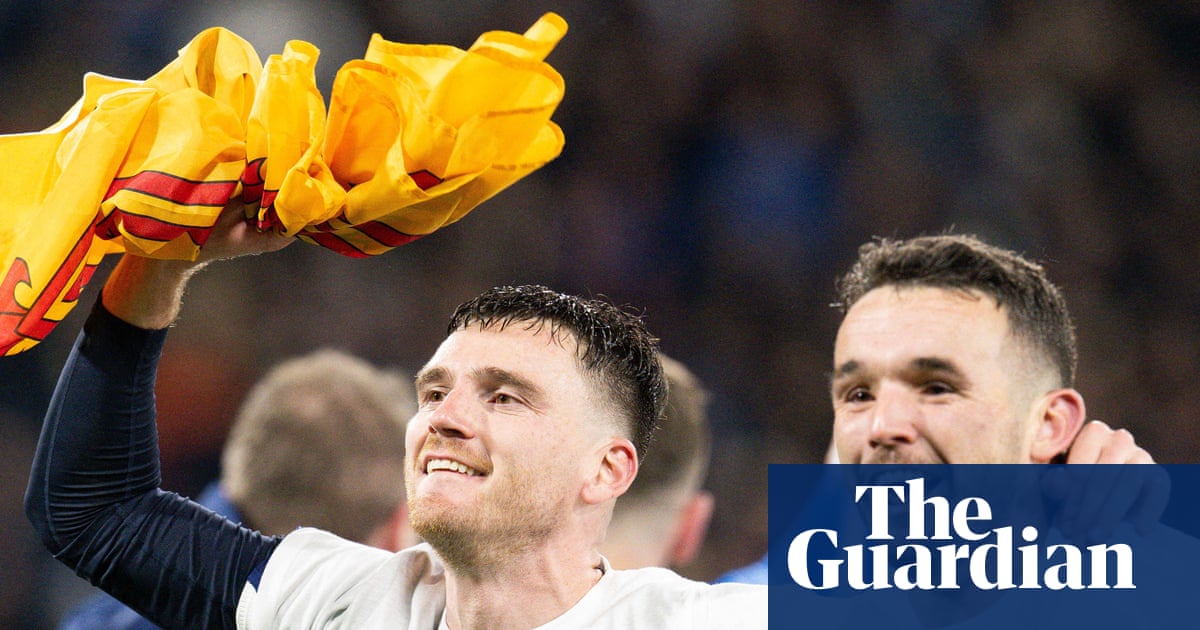
The news was inevitable, but seeing it confirmed still stings for the Anfield faithful. Trent Alexander-Arnold has moved on. Andy Robertson and Mohamed Salah are packing their bags. As The Guardian outlined today, even the defensive bedrock of Alisson and Virgil van Dijk could be next out the door. We are looking at the total dismantling of a legendary squad.
You do not just replace that legendary group of players with smart scouting. You do not plug a new right-back into Alexander-Arnold's spot and ask him to spray 60-yard diagonals. You definitely do not find a winger who guarantees 20 league goals a season while constantly absorbing double teams.
When players of this caliber leave simultaneously, the entire tactical framework collapses. Liverpool have essentially put off this rebuild for three years. They patched holes with younger midfielders, but the foundational architecture never changed. Now, they are completely exposed. The squad construction strategy of leaning heavily on aging, high-wage stars has backfired spectacularly. They have left themselves with entirely too much to do in a single summer window.
The progression deficit
Let's talk about what actually happens on the pitch when you lose Alexander-Arnold. For years, he was the primary playmaker operating from a nominal full-back position. Opposing managers spent entire weeks designing pressing traps specifically to deny him the ball. Without him dictating the tempo, Liverpool's ball progression numbers will completely plummet.
If you look at the underlying metrics over the past five seasons, Trent routinely led the league in progressive passes and expected threat. Replacing that output means shifting the creative burden back to the midfield. But Liverpool's current midfield is not built for line-breaking passes. They are runners, ball-winners, and late-arriving box threats.
Without Trent dragging the opposition block out of shape, teams will sit even deeper. They will force Liverpool's center-backs to step into midfield and make the difficult passes. Van Dijk can do it, but if he leaves too, the build-up play becomes entirely pedestrian. A slow build-up is an absolute death sentence against organized Premier League low blocks.
The Robertson engine
It is easy to focus on Trent and Salah, but Andy Robertson's relentless energy defined Liverpool's left side. He was never just a full-back. He was an auxiliary winger who provided aggressive width whenever the forwards tucked inside. His overlapping runs constantly forced opposing right-backs into terrible decisions.
When you lose a player with Robertson's stamina, the left winger suddenly looks incredibly isolated. Luis Diaz or whoever plays on that flank will constantly face double teams without Robertson overlapping to drag a defender away. Replacing him requires finding a player with an elite engine and crossing ability, a profile that costs an absolute fortune in the modern market.
Furthermore, Robertson's recovery pace saved Liverpool countless times when the counter-press failed. The entire pressing system relies on full-backs suffocating the wings. A new left-back will likely hesitate, dropping deep instead of stepping up. That half-second of hesitation is all a smart Premier League winger needs to break the lines.
The Salah void
Then there is Mohamed Salah. His raw goal numbers are absurd, but his mere presence dictates defensive shapes across the division. Left-backs actively refuse to overlap when Salah is on the pitch. Center-backs shade entirely toward his side. He bends the geometry of the pitch just by standing near the touchline.
Finding a left-footed right winger who can cut inside and shoot is easy. Finding one who finishes at a reliable rate while absorbing immense physical punishment is practically impossible. The recruitment team will likely target a younger, high-potential forward. The drop-off in immediate production will be massive regardless. If Liverpool lose 15 goals from their right flank next season, where do they come from?
The current forward line lacks a ruthless, consistent alternative. Darwin Nunez creates wonderful chaos but remains erratic in front of goal. Cody Gakpo is a system player who thrives on link-up play rather than sheer volume scoring. Unless a tactical shift unlocks an extra 10 goals from midfield, the attack will stall out in tight, scrappy games.
A defensive collapse
The possibility of losing Alisson and Van Dijk in the same window would be catastrophic. You can scheme around a blunt attack. You cannot scheme around a shaky goalkeeper and a completely new center-back pairing.
Alisson has routinely outperformed his expected goals prevented metrics by ridiculous margins. He bails out high defensive lines better than anyone in the world. If you swap him for an average Premier League keeper, Liverpool instantly concede eight to ten more goals a season. That mathematical margin is the exact difference between second place and sixth place.
Van Dijk's departure would remove the absolute organizational voice of the back four. He tells everyone exactly where to stand. He wins the first contact on defensive set-pieces. If he is gone, the high line becomes instantly vulnerable to simple balls over the top. The entire defensive strategy will have to drop ten yards deeper to compensate.
A failure of planning
The recruitment department faces an impossible task. You cannot sign five elite starters in one window without completely blowing up the wage structure. They will have to buy potential, which always means accepting inconsistency. You will see brilliant home performances followed by inexplicable away defeats to mid-table sides.
This is a staggering failure of long-term squad planning. Letting this many key contracts run down or reach a breaking point simultaneously is gross negligence. The front office gambled that the core could squeeze out one more title push, and they lost. Now, the club is stepping off a cliff without a parachute.
There is no heir apparent for Van Dijk ready to dominate right now. Jarell Quansah is promising, but throwing him in as the undisputed leader of the defense is a massive risk. You are asking a young player to orchestrate an offside trap against elite European attacks.
The verdict
My prediction is uncompromising. Liverpool will not finish in the top four next season. The tactical restructuring required is far too vast to complete in two months of pre-season training. They will struggle to break down low blocks, concede more goals in transition, and drop points in highly frustrating draws.
The underlying data points to a painful regression to the mean. Without the individual brilliance of Salah to win tight games, or Alisson to save guaranteed goals, the winning margins completely disappear. The rest of the league has improved. Arsenal are ruthless. Manchester City remain a machine. Newcastle and Aston Villa have established clear tactical identities.
Liverpool will finish somewhere between fifth and seventh. They will require at least two more transfer windows to build a genuinely competitive squad. It will be ugly. It will be incredibly frustrating. But it is the inevitable consequence of holding onto a great team for just a little too long.