The Ultimate Iron Man
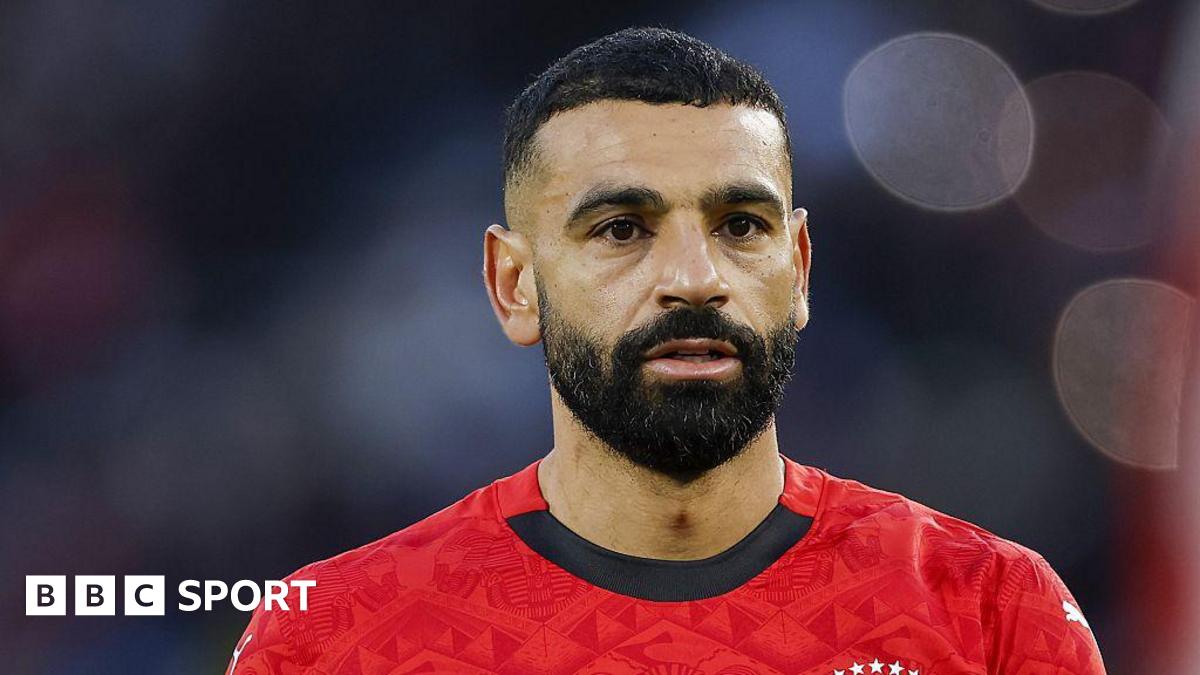
When an elite footballer announces his departure from a major European club, the immediate reaction usually centers on replacing his tactical output. But Mohamed Salah is not a normal footballer. The real crisis Liverpool faces is replacing his unprecedented medical profile.
In a standard medical update, we would outline the injured player, the specific muscular damage, and the expected timeline for return. But Mohamed Salah currently has zero injuries to report. Instead, we are looking at the exact opposite.
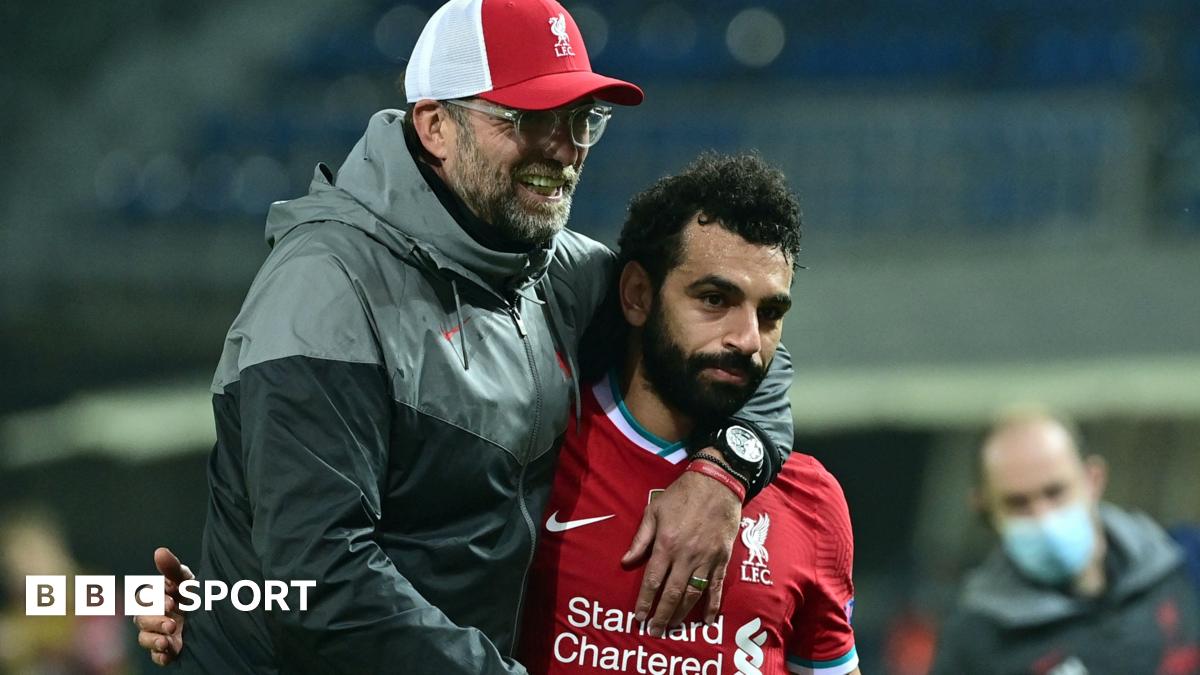
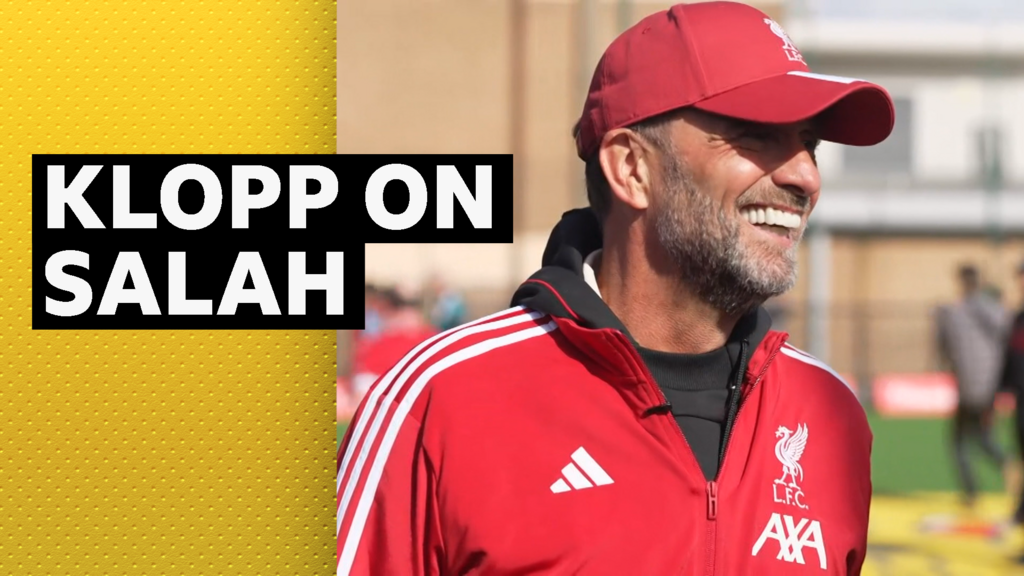
Jurgen Klopp just put a timeline on Salah's career, and it stretches far beyond his impending Liverpool exit. After the forward announced he will leave Anfield at the end of the current campaign, his manager delivered a massive statement regarding his physical future.
"[He is an] all-time great... I would not be surprised if he plays another six or seven years."
That puts Salah on the pitch until he is 40. For a winger who built his game on explosive pace and rapid changes of direction, playing at an elite level for another six years seems absurd.
The modern game routinely destroys wide forwards. But Salah is a true medical anomaly. He rarely misses training sessions, let alone actual competitive matches.
In an era where sports science departments micromanage every sprint and hamstring strain, Salah simply plays. He defies the normal wear and tear that usually breaks down attackers by their early thirties. Look at Eden Hazard or Gareth Bale.
Their bodies betrayed them long before they reached Salah's current age. Both suffered cascading muscular issues that derailed their final years at Madrid. Salah, meanwhile, remains practically indestructible.
The Anatomy of Availability
The secret to Salah's longevity is not just good genetics. It is a terrifying, obsessive dedication to personal recovery. He transformed his body completely after arriving from Roma in 2017.
He realized the Premier League required a completely different physical profile. He stripped away excess mass while building core strength to absorb contact from heavy center-backs. You rarely see Salah go to ground awkwardly.
He rides challenges instead of fighting them. This ability to absorb impact rather than evade it protects his joints from unnatural twisting. When defenders hit him, they bounce off his core.
His recovery protocols are legendary inside Melwood and Kirkby. He reportedly undergoes two-hour recovery sessions in the middle of the night after Champions League away days. Cryotherapy, strict dietary controls, and constant mobility work are his daily religion.
He treats his body like a precision-engineered machine. Klopp's assessment is not blind praise or sentimental exaggeration. It is rooted entirely in the physical data Liverpool's sports science team collects every single day.
They track his sprint speeds, his deceleration forces, and his heart rate recovery. They know exactly what his baseline metrics look like. If Klopp says Salah can go another seven years, the GPS data and blood work back it up.
Avoiding the Injury Trap
To understand how remarkable this projection is, we have to look at the specific injuries Salah has successfully avoided. Footballers in their thirties usually fall victim to predictable, repetitive issues. Hamstring tears, Achilles tendinopathy, and chronic knee cartilage wear are the standard career-killers.
Salah has bypassed almost all of these traps. Aside from the infamous shoulder dislocation caused by Sergio Ramos in the 2018 Champions League final, his medical file is shockingly thin. He avoids muscular injuries by knowing exactly when to sprint and when to jog.
He rarely chases completely lost causes anymore. He manages his physical output during a match with extreme intelligence. But this brings up a highly negative observation regarding Liverpool's squad management.
Liverpool have arguably relied entirely too heavily on Salah's ironman status. By knowing he would always be fit, the recruitment department repeatedly delayed signing a true, natural right-sided understudy. When Salah's explosive acceleration naturally waned slightly over the last eighteen months, the team sometimes lacked a secondary outlet to stretch play on that flank.
They leaned on him to a fault, asking him to play through fatigue when he should have been rested. This over-reliance exposed a massive flaw in Liverpool's long-term squad building.
Tactical Evolution Over Pure Pace
Playing until 40 requires more than just avoiding injuries. It requires a complete tactical evolution. We are already seeing this distinct shift in his game right now.
Salah does not just knock the ball past fullbacks and beat them in a footrace anymore. He is much smarter. He drops into the half-spaces and dictates play as a primary playmaker.
He uses his body to shield the ball and roll defenders, acting almost like a traditional target man out wide. He still produces world-class numbers, but the eye test shows a player who picks his moments to sprint very carefully.
He conserves energy efficiently. This adaptation is exactly why he can stretch his career into the next decade. He is relying on his brain, his vision, and his passing range just as much as his legs.
The Medical Reality of Aging Forwards
What happens to a footballer's body after 33? The fast-twitch muscle fibers, responsible for sprinting and jumping, are the first to degrade. The loss of absolute top speed is a biological inevitability.
Recovery times between matches lengthen significantly. The risk of muscular avulsion — where the tendon pulls away from the bone under extreme force — increases with every passing season. Salah mitigates these severe risks by adapting his athletic profile.
He relies heavily on spatial awareness. He finds pockets of space rather than sprinting blindly into channels. He lets the ball do the work for him.
He calculates the exact angle of his runs to minimize the total distance he needs to cover. This evolution mirrors Cristiano Ronaldo's transition from a tricky winger to a penalty-box poacher.
Salah is taking a remarkably similar path in his mid-thirties. He is refining his finishing and his final ball delivery. At the same time, he is dialing back the relentless, high-speed pressing that defined his early Liverpool years under Klopp.
It is a necessary physical sacrifice. By pressing smarter rather than harder, he saves his legs for the explosive moments that actually decide football matches.
The Void Left Behind
When Salah departs at the end of the season, Liverpool are not just losing their primary goalscorer. They are losing their most reliable physical asset. How do you replace a player who guarantees you 3,000 minutes a season without breaking down?
You usually have to buy two separate players just to cover that workload. Modern wingers simply do not possess his durability. The physical demands of the current game, with its congested fixture lists and high-intensity pressing systems, chew players up entirely.
The recruitment team will face an impossible task this summer. They can scout data metrics perfectly. They can analyze shot-creating actions, expected goals, and defensive pressures in the attacking third.
But they absolutely cannot scout a player's inherent immunity to muscle tears. Finding someone with Salah's technical ability is hard enough. Finding someone with his proven medical resilience over a seven-year span is genuinely impossible.
There is no algorithm for durability. You cannot buy a guarantee against hamstring ruptures or knee ligament damage. Liverpool will have to accept that whoever replaces him will inevitably spend time on the treatment table.
If Klopp's prediction holds true, Salah's next club is getting a player with serious years left in the tank. He will not be a short-term mercenary looking for a quick payday before retiring.
He is built to last physically. Any medical team examining his physical state right now will find a player biologically younger than his actual chronological age. His joint health, muscular elasticity, and aerobic capacity remain firmly elite.
The Egyptian forward has set completely new standards at Anfield. Not just in goals scored, but in sheer physical resilience. He leaves Liverpool as an undisputed legend, but the medical reality is that his career is far from its twilight.
Read Next